Culinary Explorer
A cooking platform built around craft, culture, and the stories behind what we eat.
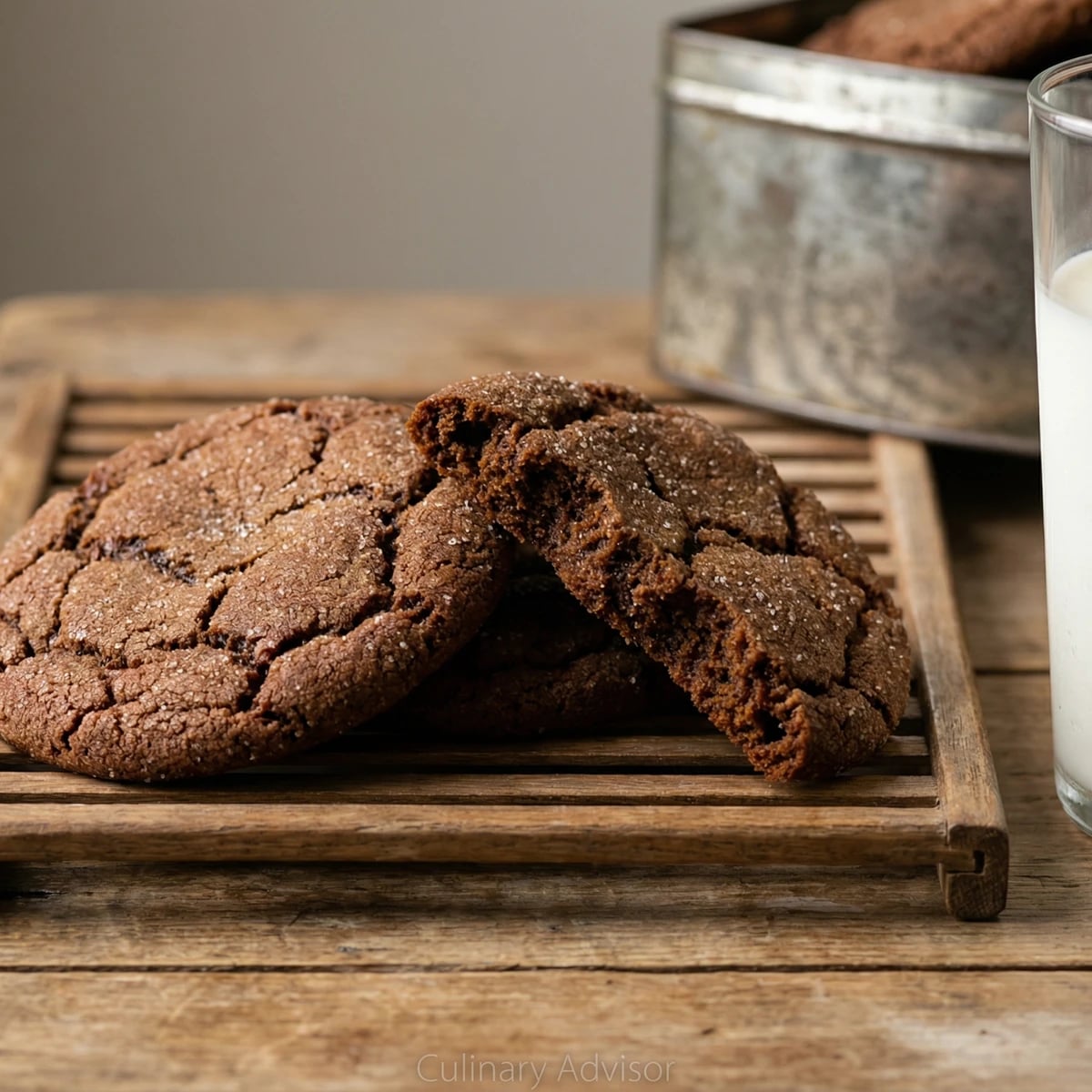
Joe Froggers
Created by Chef Dean
Massive, deeply spiced molasses cookies that kept New England sailors fed across the Atlantic. Chewy, rum-scented, and dark as a nor'easter, these are the cookies that built a seafaring tradition.
These cookies have a story worth telling. In the early 1800s, a freed Black man named Joseph Brown and his wife Lucretia ran a tavern in Marblehead, Massachusetts. Their molasses cookies, as wide as the lily pad frogs in the pond out back, became famous among the fishing fleet. Sailors would trade rum for these giants, knowing they'd stay fresh for months at sea.
The secret was elemental: molasses, rum, and seawater. The alcohol and salt acted as natural preservatives, keeping the cookies soft and chewy long after ordinary baked goods turned to hardtack. We've replaced seawater with good sea salt, but the spirit remains the same.
These are not dainty cookies. They're meant to be substantial, six inches across and thick enough to satisfy a hungry fisherman. The spice blend is warm but restrained. Ginger leads, with cloves and allspice playing supporting roles. The rum should be present but not overwhelming. Taste the dough before you chill it. You're looking for a flavor that whispers of the sea and speaks of molasses.
I've made these for decades, and they never fail to start conversations. People remember Joe Froggers. They pass them around at holiday gatherings and ask for the recipe. That's the highest compliment a cookie can earn.
Ingredients
all-purpose flour
Quantity
3 cups
ground ginger
Quantity
1 1/2 teaspoons
ground cloves
Quantity
1 teaspoon
| Ingredient | Quantity |
|---|---|
| all-purpose flour | 3 cups |
| ground ginger | 1 1/2 teaspoons |
| ground cloves | 1 teaspoon |
Where cooking meets culture.
Culinary guides, cultural storytelling, and the editorial depth that makes cooking meaningful.
Discover Culinary Explorer