Chef Isabel
Acedías Fritas de Cádiz
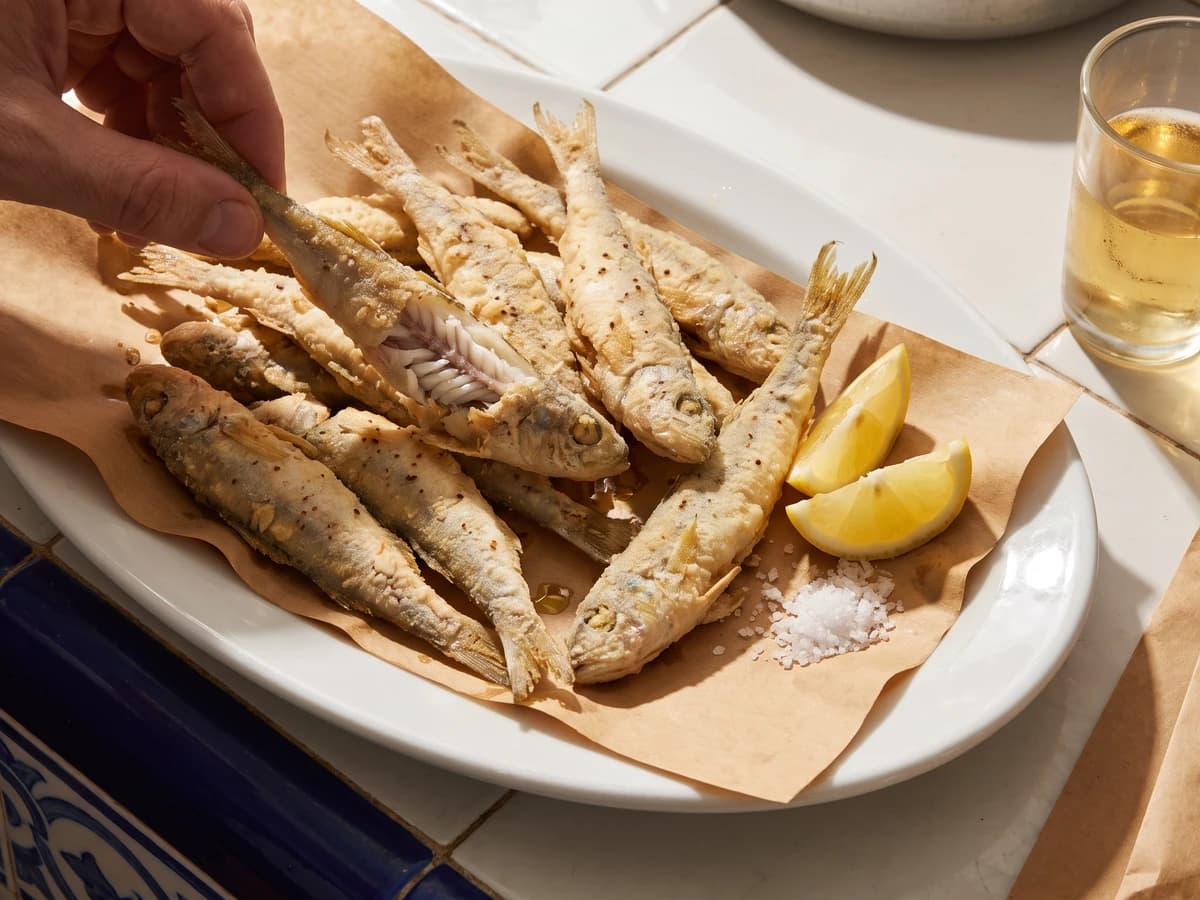
Acedías fritas belong to Cádiz: tiny wedge sole, salted, dusted in frying flour, and dropped into very hot olive oil so the rims crisp while the fish stays tender.
A cooking platform built around craft, culture, and the stories behind what we eat.

Created by
Huevos rellenos a la vasca are Basque home stuffed eggs: hard-boiled halves filled high with bonito, yolk, and tomate frito, then covered with bechamel and browned under the grill.
Huevos rellenos a la vasca belong to the Basque home table of the Cantabrian north: hard-boiled eggs filled with bonito del norte, yolk, and tomate frito, then covered with bechamel and browned. They are not the mustardy deviled egg. They are softer, more pantry-minded, and made to travel from kitchen to table in the same dish.
The method that decides them is the filling. Drain the bonito well, mash the yolks smooth, and add just enough bechamel to bind the tuna and tomato into a paste that pipes high and holds its shape. Too loose and it slumps into the dish. Too dry and it eats chalky. The right filling stands proud before the bechamel goes over it.
If you can't find bonito del norte, use good tuna packed in olive oil, not water; the flavor will be plainer, but the eggs will still be yours. If tomate frito is missing, simmer passata with olive oil and salt until thick and sweet. No hace falta haber pisado España. My Margin for this one says only: fill them higher than you think. The bechamel settles. Siempre sale, si lo sigues.
Huevos rellenos are cooked across Spain, but the tuna-and-tomato gratin belongs naturally to the Basque and Cantabrian home larder, where eggs, preserved bonito del norte, tomato sauce, and bechamel make a generous first course from pantry staples. Along that coast, bonito preserved in oil carried the summer catch through the year, and home cooks used it to stretch eggs into a dish fit for visitors or a Sunday table. The bechamel marks the baked family version, different from the cold mayonnaise-filled eggs set out in hot weather.
Quantity
6
Quantity
160g
drained very well
Quantity
120g
Quantity
40g
Quantity
15ml
Quantity
60g
finely grated
Quantity
45g
Quantity
500ml
warmed
Quantity
1/2 teaspoon, plus more for the egg water
Quantity
1 pinch
Quantity
1 pinch
Quantity
25g
Quantity
20g
Quantity
1
cut into 12 thin strips
| Ingredient | Quantity |
|---|---|
| large eggs | 6 |
| bonito del norte in olive oil, or good tuna in olive oildrained very well | 160g |
| tomate frito | 120g |
| unsalted butter | 40g |
| extra virgin olive oil | 15ml |
| onionfinely grated | 60g |
| plain flour or all-purpose flour | 45g |
| whole milkwarmed | 500ml |
| fine salt | 1/2 teaspoon, plus more for the egg water |
| white pepper | 1 pinch |
| nutmeg (optional) | 1 pinch |
| fine dry breadcrumbs | 25g |
| grated Idiazabal or Manchego cheese (optional) | 20g |
| roasted piquillo pepper (optional)cut into 12 thin strips | 1 |
Put the eggs in a saucepan and cover them with cold water by 2cm. Add a good pinch of salt, bring to a boil, then lower to a steady simmer for 10 minutes. Lift the eggs straight into cold water and leave them 10 minutes more, then peel, halve lengthwise, and ease the yolks into a bowl. The whites should stay clean and firm, not rubbery. Green rings are harmless, but they taste tired.
Melt the butter with the olive oil in a small heavy saucepan over low heat. Add the grated onion and a pinch of the salt, then cook 8 minutes, stirring often, until the onion is soft and sweet but not browned. Stir in the flour and cook 2 minutes more, until it smells nutty and no longer raw.
Add the warm milk in four additions, whisking hard after each one so the sauce stays smooth. Cook 6 to 8 minutes, stirring with a whisk or wooden spoon, until the bechamel is thick enough that the spoon leaves a clear path on the bottom of the pan for a second. Season with the remaining salt, the white pepper, and the nutmeg if using. This thickness is what lets the filling hold its shape instead of sliding away.
Measure 120g of the hot bechamel into the bowl with the yolks. Add the drained bonito and the tomate frito, then mash with a fork until smooth enough to pipe, or pulse briefly in a food processor. It should be thick, glossy, and able to hold a ridge. Taste for salt. If your tomate frito is loose, cook it down first; watery tomato makes a tired filling.
Lightly butter a shallow baking dish, about 24 by 18cm, and set the egg whites cut side up. Spoon or pipe the tuna filling back into the hollows, mounding it high. Spoon the remaining bechamel over and around the eggs in a generous coat, but don't bury them so deeply you lose their shape. Sprinkle with breadcrumbs and the grated cheese if using.
Heat the oven to 220C. Bake the eggs on the upper shelf for 8 to 10 minutes, until the bechamel is bubbling at the edges and spotted gold on top. If you want more color, set them briefly under the grill or broiler, watching closely. Rest 10 minutes before serving, then lay a strip of piquillo pepper over each half if using. Serve warm or at room temperature.
1 serving (about 200g)
Culinary guides, cultural storytelling, and the editorial depth that makes cooking meaningful.
Discover Culinary ExplorerChef Isabel
Acedías fritas belong to Cádiz: tiny wedge sole, salted, dusted in frying flour, and dropped into very hot olive oil so the rims crisp while the fish stays tender.
Chef Isabel
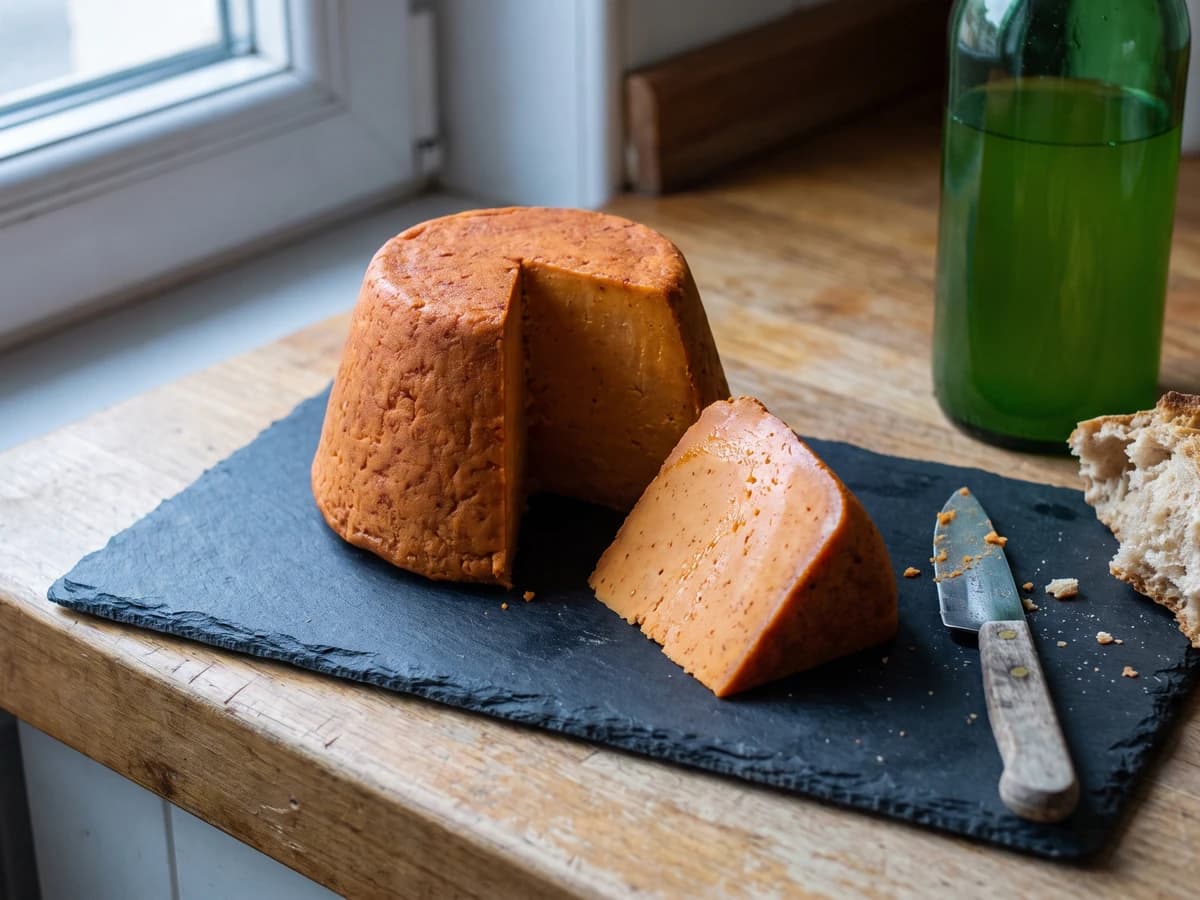
Afuega'l Pitu Roxu is Asturias in a small cheese: cow's milk set slowly to a dense curd, drained without squeezing, then kneaded with pimentón until it turns orange and grips the throat.
Chef Isabel
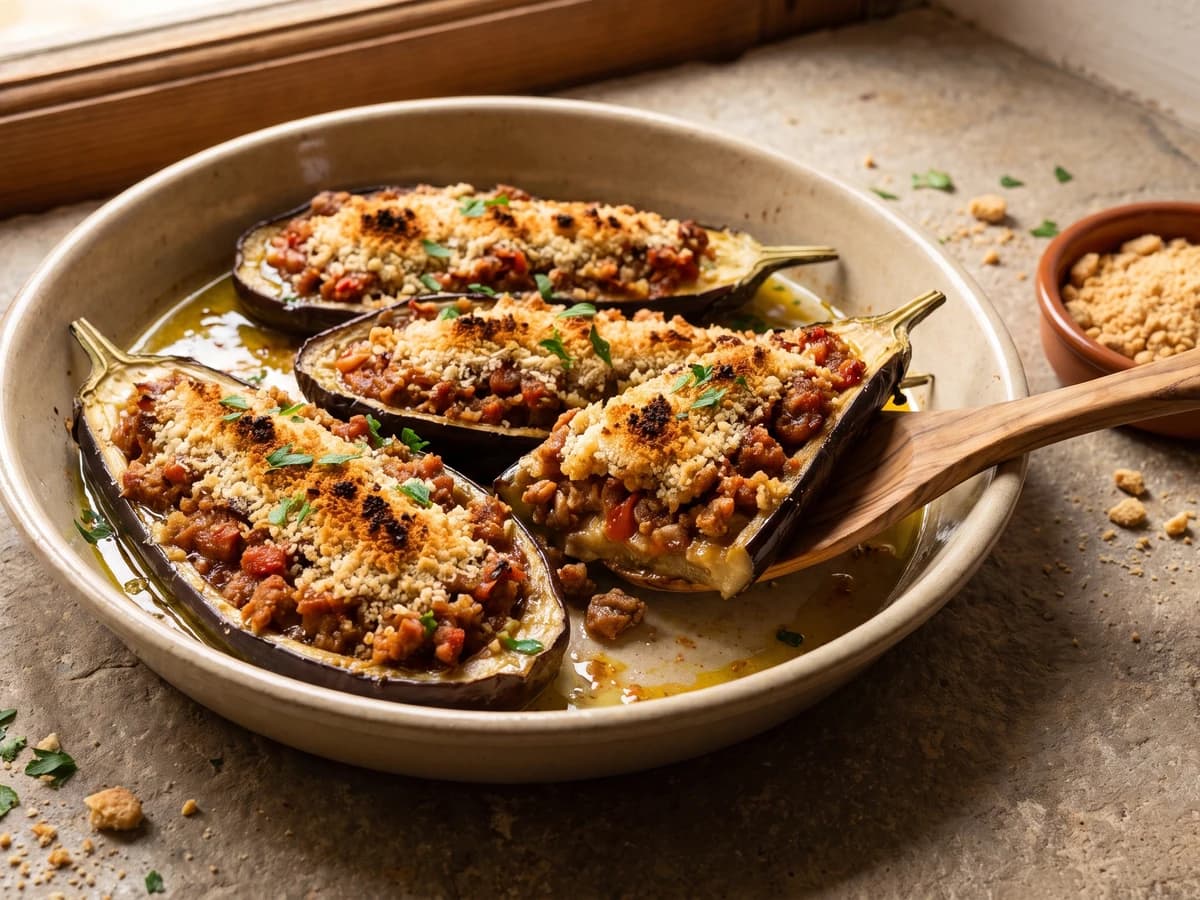
Albergínies farcides are Mallorca's summer stuffed aubergines: tender boiled shells, a slow pork sofrito with moraduix, and a plain breadcrumb cap baked until the top turns crisp and golden.

Chef Isabel
Carxofes farcides are Catalan stuffed artichokes: tender hearts filled with jamón, slow sweet onion, and breadcrumbs, then baked in a light creamy sauce until the tops turn golden.