
Chef Dean
Alabama White BBQ Sauce
The tangy, pepper-flecked original from Decatur, Alabama that defies everything you think you know about barbecue sauce. Creamy, sharp, and utterly addictive on smoked chicken.
A cooking platform built around craft, culture, and the stories behind what we eat.
Created by Chef Remy
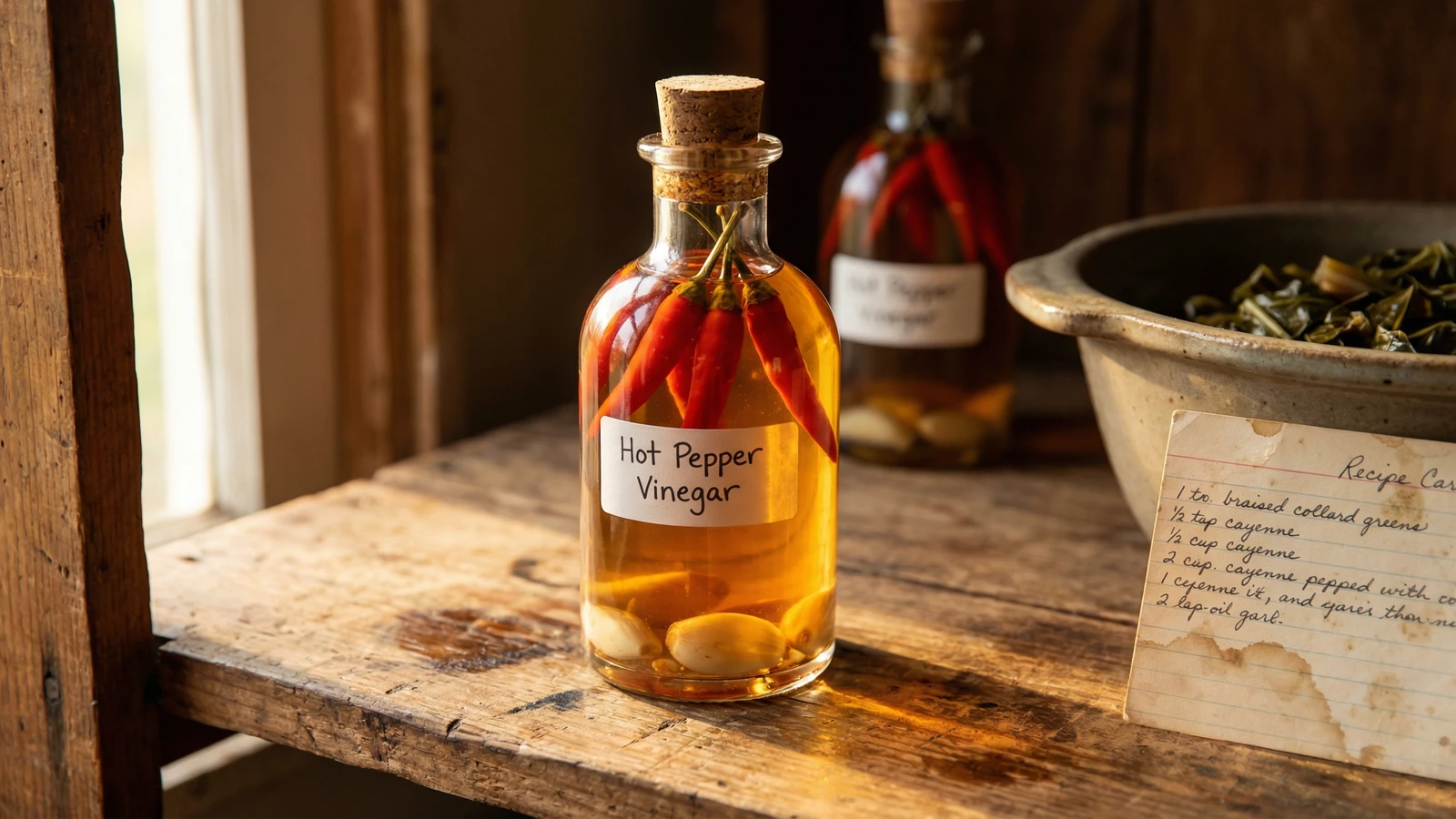
A bottle of Louisiana sunshine: fresh cayenne peppers sleeping in apple cider vinegar, waking up slowly to share their warmth with every pot of greens and bowl of beans lucky enough to receive them.
Every table in Louisiana has a bottle of pepper vinegar within arm's reach. My grandmother Evangeline kept hers on the windowsill where the afternoon light turned it into stained glass, those red cayennes glowing like something sacred. And maybe it was. That little bottle transformed the ordinary into the memorable.
This is the simplest recipe you'll ever make, and one of the most useful. Fresh peppers. Good vinegar. Time. That's the whole thing. The peppers give up their heat gradually, the vinegar softens and deepens, and after a couple weeks you've got something that will make every pot of greens sing and every bowl of beans stand at attention.
At Lagniappe, we go through gallons of this stuff. It sits on every table alongside the salt and pepper, and regular customers get nervous if they don't see it. The secret isn't any secret at all: use fresh peppers, not dried. Use apple cider vinegar for its mellow tang. And give it time to steep. Patience is the only technique required.
Start a bottle now. By the time you've got a mess of greens ready to cook, you'll have the perfect finishing touch waiting.
Quantity
8-12 (about 4 ounces)
Quantity
2 cups
Quantity
1 teaspoon
Quantity
1 teaspoon
Quantity
2
peeled and lightly crushed
| Ingredient | Quantity |
|---|---|
| fresh cayenne peppers | 8-12 (about 4 ounces) |
| apple cider vinegar | 2 cups |
| kosher salt | 1 teaspoon |
| granulated sugar | 1 teaspoon |
| garlic cloves (optional)peeled and lightly crushed | 2 |
Choose cayenne peppers that are firm, glossy, and deeply colored. Bright red means ripe and ready, with heat that's developed fully. Green peppers work too but they're sharper, less sweet. You want peppers without soft spots or wrinkles. Fresh is everything here.
Wash the peppers and dry them completely. Moisture is the enemy of preservation, so take your time here. Trim the stems but leave a small bit attached to keep the peppers intact. Using a sharp knife, make two or three small slits in each pepper. These cuts let the vinegar penetrate and draw out the heat. Don't split them open entirely or your vinegar will get cloudy with seeds.
Wash a glass bottle or jar with hot soapy water, then rinse with boiling water to sterilize. A clear glass bottle with a narrow neck works best because it shows off those beautiful peppers and lets you pour without dumping the whole contents. Old hot sauce bottles are perfect. Dry the bottle completely.
Slide the peppers into your bottle stem-end up. If you're using garlic, drop those cloves in first so they settle at the bottom. Pack the peppers snugly but don't crush them. You want them to stand tall and proud in that bottle. They should fill about two-thirds of the container.
Pour the apple cider vinegar into a small saucepan. Add the salt and sugar. Warm over medium heat just until the salt and sugar dissolve completely, stirring once or twice. Don't let it boil. You want it warm, not hot. Remove from heat immediately.
Pour the warm vinegar over the peppers, filling the bottle to within half an inch of the rim. The peppers will try to float at first. That's fine. Push them down gently with a chopstick or the handle of a wooden spoon. Make sure every pepper is completely submerged. Any pepper above the liquid line can spoil.
Cap the bottle tightly. If using a metal lid, place a piece of plastic wrap over the opening first because the vinegar will corrode metal over time. Store in a cool, dark place for at least one week. Two weeks is better. Three weeks is where the magic really happens. The vinegar will turn from pale gold to a warm amber as it draws the pepper essence.
Give the bottle a good shake before each use. Splash this vinegar over collard greens, black-eyed peas, turnip greens, crowder peas, or any pot of beans that needs waking up. A few drops transform fried catfish. Once you've used about half the vinegar, you can top it off with fresh vinegar and it will recharge itself. Those peppers keep giving for months.
1 serving (about 15g)
Culinary guides, cultural storytelling, and the editorial depth that makes cooking meaningful.
Discover Culinary ExplorerChef Dean
The tangy, pepper-flecked original from Decatur, Alabama that defies everything you think you know about barbecue sauce. Creamy, sharp, and utterly addictive on smoked chicken.

Chef Dean
A smoky, bittersweet gravy built on bacon drippings, strong black coffee, and good bourbon—the kind of sauce that turns a simple breakfast into something worth waking up for.

Chef Dean
A bold, golden sauce born from South Carolina's German heritage and African American pitmaster traditions. Sharp mustard tang, mellow sweetness, and enough cayenne heat to keep you honest.
Chef Remy
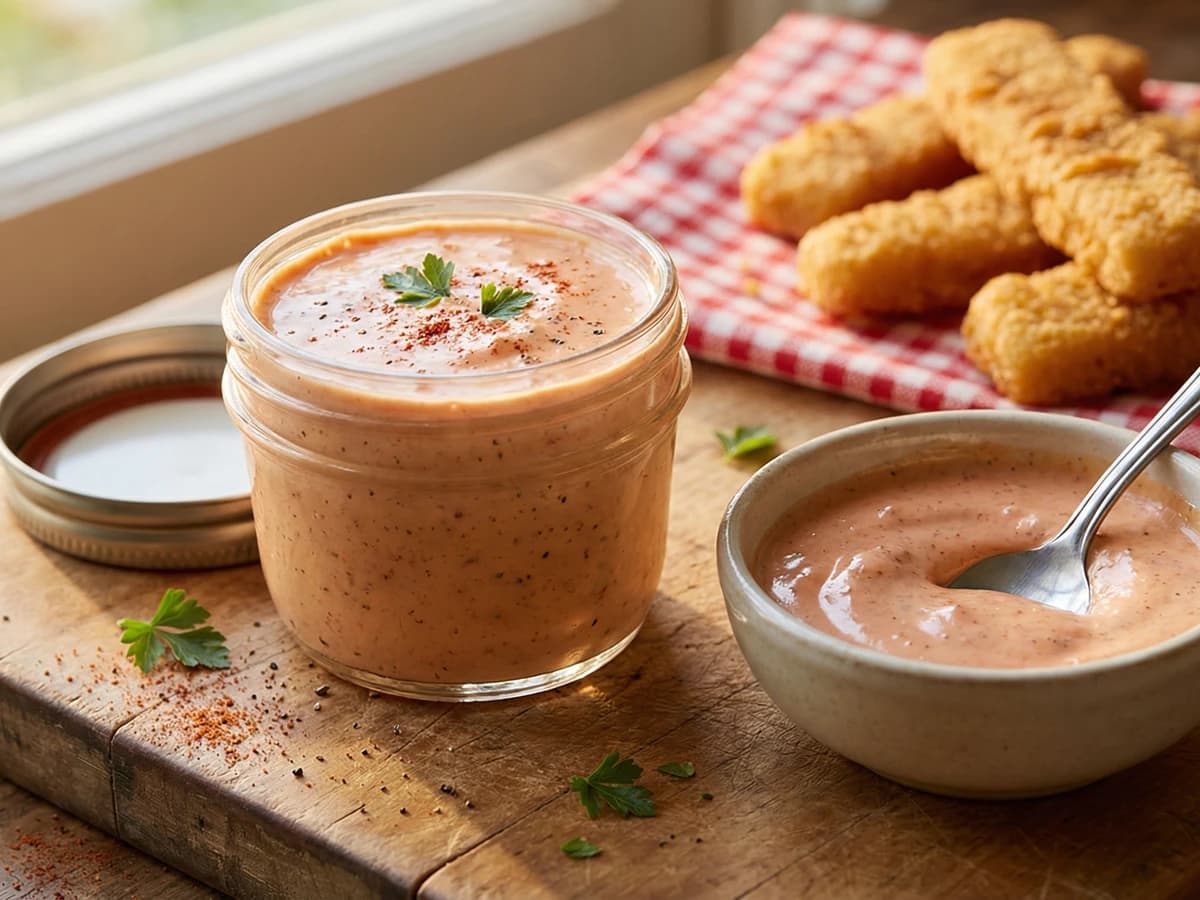
Mississippi's beloved dipping sauce, tangy and sweet with a whisper of heat, the kind of condiment that turns ordinary food into something you can't stop eating and keeps you reaching for one more bite.