
Chef Dean
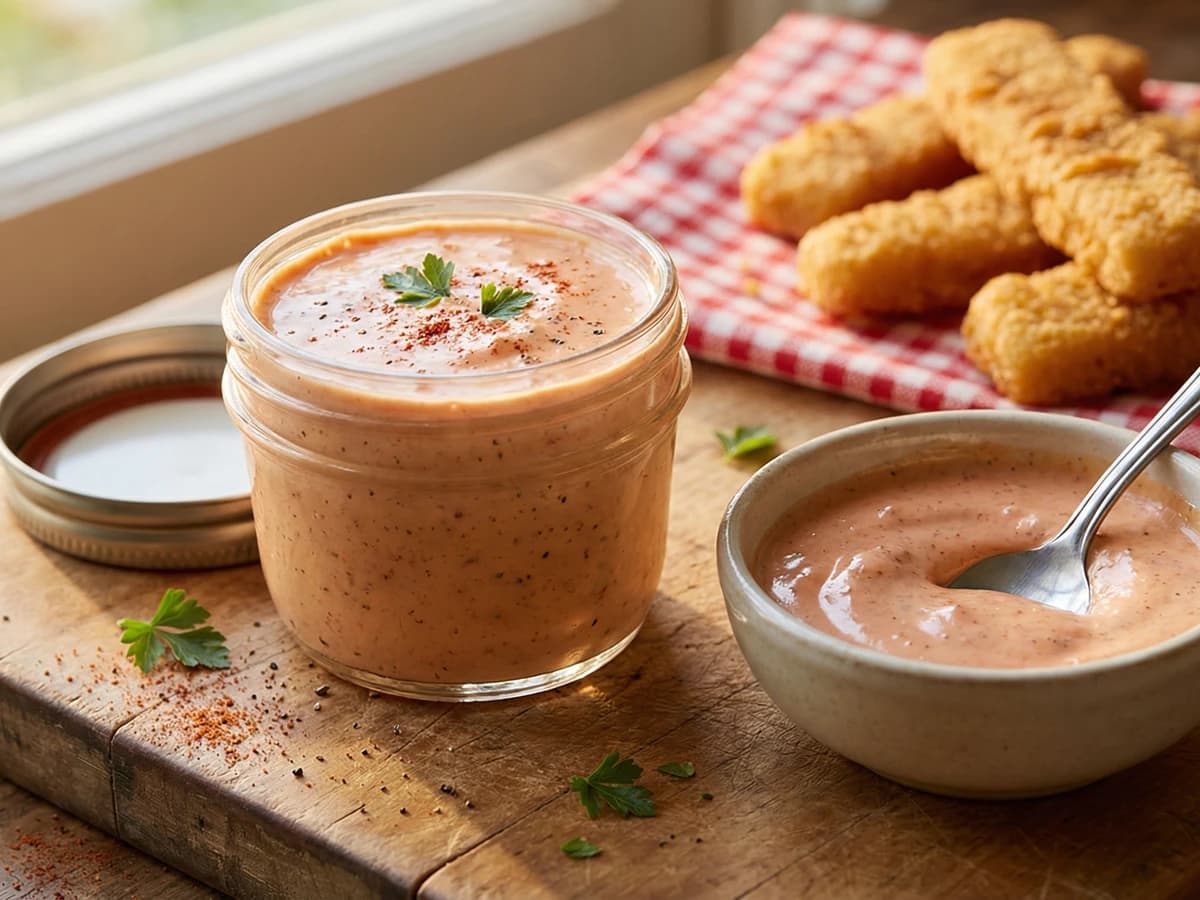
Alabama White BBQ Sauce
The tangy, pepper-flecked original from Decatur, Alabama that defies everything you think you know about barbecue sauce. Creamy, sharp, and utterly addictive on smoked chicken.
A cooking platform built around craft, culture, and the stories behind what we eat.

Created by Chef Remy
The smoky, silky foundation of Southern cooking, simmered from meaty ham hocks until it turns to liquid gold, ready to transform a pot of humble greens or beans into something that feeds the soul.
This is where Southern cooking begins. Not with a recipe, but with a pot of bones and scraps simmering on the back of the stove, turning time and patience into something that makes everything it touches taste like home.
My grandmother Evangeline kept a pot of this going most weeks. Ham hocks were cheap, and the liquor they produced was the secret behind her legendary collard greens, her black-eyed peas on New Year's Day, her butter beans that made grown men weep. She called it her 'flavor bank' because she was always depositing scraps and withdrawing richness.
The technique could not be simpler: smoked ham hocks, aromatics, water, and time. Four hours of gentle simmering extracts everything good from those humble joints. Collagen turns to gelatin, giving body that coats your spoon. Smoke permeates the liquid. Fat renders and rises. What starts as water becomes something that elevates every vegetable it touches.
At Lagniappe, we go through gallons of this every week. It is the foundation for our greens, our bean dishes, our gumbos when we want that smoky depth. Make a batch on Sunday, store it in jars, and you have got the backbone of a week's worth of soul food.
Quantity
3 pounds (about 3-4 hocks)
Quantity
1 large
quartered
Quantity
4
cut into 3-inch pieces
Quantity
1
halved crosswise
Quantity
2
Quantity
1 tablespoon
Quantity
1 teaspoon
Quantity
4 quarts
Quantity
1 tablespoon
Quantity
to taste
| Ingredient | Quantity |
|---|---|
| smoked ham hocks | 3 pounds (about 3-4 hocks) |
| yellow onionquartered | 1 large |
| celery stalkscut into 3-inch pieces | 4 |
| head of garlichalved crosswise | 1 |
| bay leaves | 2 |
| whole black peppercorns | 1 tablespoon |
| crushed red pepper flakes | 1 teaspoon |
| cold water | 4 quarts |
| apple cider vinegar | 1 tablespoon |
| kosher salt | to taste |
Look at those ham hocks before they go in the pot. You want deeply smoked specimens with a good layer of fat and skin still attached. The skin and connective tissue are where the magic lives, all that collagen that turns into body and richness. If your hocks are pale or trimmed too lean, find a better butcher.
Place the ham hocks in your largest stockpot. Nestle the quartered onion, celery pieces, and halved garlic head around them. Scatter in the bay leaves, peppercorns, and red pepper flakes. Pour in the cold water until the hocks are submerged by at least two inches. Cold water is essential because it extracts flavor slowly and cleanly.
Set the pot over medium-high heat and bring it just to the edge of a boil. You will see foam rising to the surface. Skim it away with a large spoon. This takes patience, maybe fifteen minutes of skimming, but your liquor will be cleaner for it. Once the foam turns from gray to white, reduce heat until you see lazy bubbles rising every few seconds.
Let the pot simmer uncovered for three and a half to four hours. The kitchen will smell like a smokehouse married a garden. The hocks are ready when the meat pulls away from the bone with zero resistance and the skin has turned soft and gelatinous. The liquid should have reduced by about a third and taken on a deep amber color.
Stir in the apple cider vinegar during the last fifteen minutes of cooking. This small addition cuts through the richness and wakes everything up. Taste the liquor now. It should taste deeply of smoke and pork with gentle heat in the background. Add salt only if needed. Remember, smoked hocks carry salt with them.
Remove the ham hocks to a cutting board. Strain the pot liquor through a fine-mesh strainer into a large bowl or another pot, pressing gently on the vegetables to extract every drop of flavor. Discard the spent aromatics. You should have about three quarts of liquid gold.
Once the hocks cool enough to handle, pull the meat from the bones. Discard the skin and fat if you prefer, though I often chop the soft skin and add it back. The tender meat can go into your greens, beans, or soup. Nothing gets wasted in a Louisiana kitchen.
Let the pot liquor cool to room temperature, then refrigerate. The fat will rise and solidify on top, forming a protective seal. Scrape off some or all of the fat before using, depending on how rich you want your final dish. The liquor beneath will be slightly jellied from all that extracted collagen. That jelly is flavor.
1 serving (about 240g)
Culinary guides, cultural storytelling, and the editorial depth that makes cooking meaningful.
Discover Culinary ExplorerChef Dean
The tangy, pepper-flecked original from Decatur, Alabama that defies everything you think you know about barbecue sauce. Creamy, sharp, and utterly addictive on smoked chicken.

Chef Dean
A smoky, bittersweet gravy built on bacon drippings, strong black coffee, and good bourbon—the kind of sauce that turns a simple breakfast into something worth waking up for.

Chef Dean
A bold, golden sauce born from South Carolina's German heritage and African American pitmaster traditions. Sharp mustard tang, mellow sweetness, and enough cayenne heat to keep you honest.
Chef Remy
Mississippi's beloved dipping sauce, tangy and sweet with a whisper of heat, the kind of condiment that turns ordinary food into something you can't stop eating and keeps you reaching for one more bite.