Culinary Explorer

A cooking platform built around craft, culture, and the stories behind what we eat.
Discover Culinary Explorer
Haddock Mornay

Haddock Mornay

Created by Chef Thomas

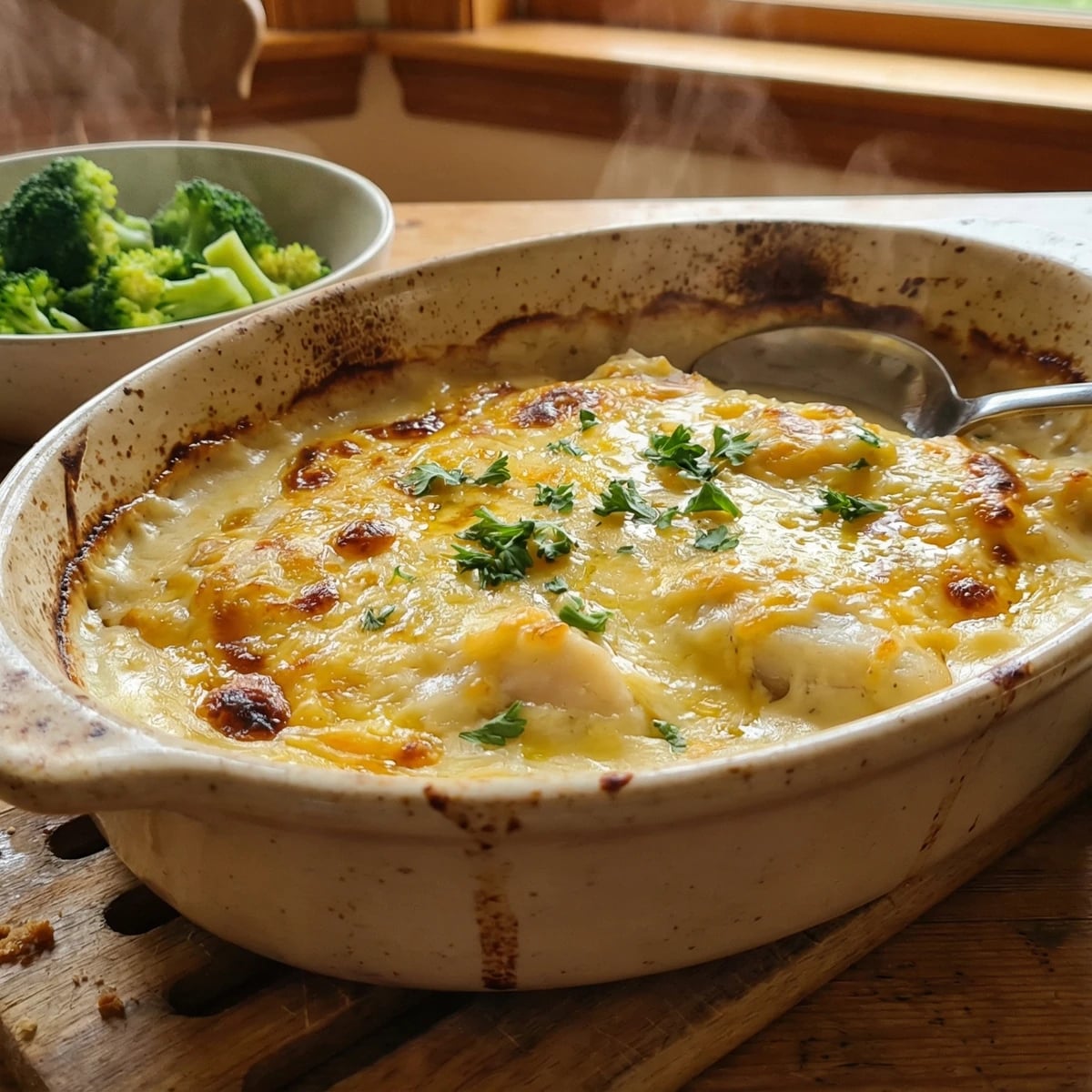
A fillet of haddock poached in milk and baked under a bubbling cheese sauce until golden and blistered, the kind of supper that turns a Tuesday into something worth sitting down for.

Main Dishes
British
Weeknight
Comfort Food
15 min
Active Time
30 min cook45 min total
Yield2 servings

The kitchen smells of warm milk and bay. That's the first sign you're on the right track. The haddock has been sitting in gently trembling milk for a few minutes, just long enough to turn opaque and tender, and now that milk, flavoured with the fish and the peppercorns, is going to become the sauce. Nothing wasted. Nothing added that doesn't earn its place.

Haddock Mornay is a dish I come back to when the evenings draw in and the idea of standing at the hob for an hour feels like too much. It asks very little of you. Poach the fish. Make a sauce. Grill it until it blisters. Twenty minutes, start to finish, and what you carry to the table is a bubbling dish of something that looks and tastes like you tried harder than you did.

The cheese sauce is the heart of it. Not thick, not claggy, but smooth and savoury with a nudge of mustard that stops it sitting too heavily. Good Cheddar, the kind with some bite to it. A grating of nutmeg, because nutmeg and cheese sauce have always understood each other. It coats the fish, goes under the grill, and comes out golden and freckled with brown.

We're only making dinner. But this is the kind of dinner that makes someone's shoulders drop when you put the plate in front of them. Right food, right evening.

The technique, the tradition, and the story behind every dish.

Discover Culinary Explorer

Ingredients

haddock fillets

Quantity

2 (about 150-180g each)

skin on

whole milk

Quantity

300ml

bay leaf

Quantity

1

black peppercorns

Quantity

a few

unsalted butter

Quantity

30g

plain flour

Quantity

30g

mature Cheddar

Quantity

80g

grated

English mustard

Quantity

1 teaspoon

fine sea salt

Quantity

to taste

white pepper

Quantity

to taste

nutmeg

Quantity

a grating

flat-leaf parsley (optional)

Quantity

small handful

chopped

Equipment Needed

  • Wide shallow saucepan or frying pan for poaching
  • Small saucepan for the sauce
  • Gratin dish or oven-safe dish, about 20cm

Instructions

  1. 1

    Poach the haddock gently

    Lay the haddock fillets in a wide pan or shallow saucepan, skin side down. Pour the milk over them and drop in the bay leaf and peppercorns. Set it over a low heat and bring the milk to the barest simmer. Not a boil. You want the surface to tremble, nothing more. Poach for four to five minutes until the fish is just opaque and flakes if you press it gently with a finger. Lift the fillets out carefully and set them aside. Strain the milk into a jug and keep it. That milk is now stock. It carries the flavour of the fish, and it's what makes the sauce worth having.

    Run your fingers along the fillets before cooking and pull out any pin bones. A pair of tweezers does the job. Nobody wants to find a bone in their supper.
  2. 2

    Build the cheese sauce

    Melt the butter in a small saucepan over a medium heat. When it foams, add the flour all at once and stir with a wooden spoon. Cook this paste for a minute or two, stirring constantly, until it smells biscuity and has lost its raw, floury taste. Your nose will tell you. Now add the warm poaching milk a splash at a time, stirring hard after each addition. The first few splashes will seize into a thick paste. That's right. Keep going. Each addition loosens it further until you have a smooth, glossy sauce that coats the back of the spoon. Take it off the heat and stir in most of the cheese, the mustard, a grating of nutmeg, and white pepper. Taste it. It should be savoury and warm and just sharp enough from the mustard to stop it feeling heavy. Season with salt if it needs it, but the cheese brings its own.

  3. 3

    Assemble the dish

    Heat your grill to high. Lay the poached haddock fillets in a gratin dish or oven-safe dish, skin side down. If the fillets have broken a little, don't worry. The sauce covers everything. Pour the cheese sauce over the fish, making sure it flows around and over each piece. Scatter the remaining cheese on top. It doesn't need to be even. A bit of bare sauce here and there is fine. It all goes golden.

  4. 4

    Grill until golden

    Slide the dish under the grill, not too close to the element, and watch it. This is not the moment to walk away. You want the sauce to bubble and the cheese to turn properly golden, with brown patches here and there that catch and crisp. Three to five minutes, usually, but your eyes are the timer. When it looks like something you want to eat, it's done. Scatter a little chopped parsley over the top if you have it. Bring it to the table in the dish it cooked in.

    Serve it with something green and simple. Steamed broccoli, buttered peas, a few wilted greens. Nothing that competes. The sauce is doing the talking.

Chef Tips

  • Buy the best haddock you can find. Look for thick fillets with firm, pearly flesh that smells of the sea, not of fish. If your fishmonger has it, ask for line-caught. The difference in texture is real.
  • The poaching milk is everything. Don't pour it away. Don't replace it with fresh milk for the sauce. That liquid carries the flavour of the fish into the sauce, and it's what makes the whole dish taste joined up rather than assembled.
  • English mustard, not Dijon. It cuts through the richness of the cheese in a way that French mustard doesn't. A teaspoon is enough. You want warmth, not heat.
  • This stretches well. A third fillet, a splash more milk, a little more cheese, and it feeds three comfortably. Mornay is a generous dish by nature.

Advance Preparation

  • The cheese sauce can be made several hours ahead and kept covered with a piece of cling film pressed directly onto the surface to prevent a skin forming. Reheat gently before pouring over the fish.
  • The fish is best poached just before assembling. It takes five minutes and is worth the fresh effort.

Frequently Asked Questions

Nutrition Information

1 serving (about 340g)

Calories
540 calories
Total Fat
31 g
Saturated Fat
19 g
Trans Fat
0 g
Unsaturated Fat
12 g
Cholesterol
185 mg
Sodium
1030 mg
Total Carbohydrates
19 g
Dietary Fiber
0 g
Sugars
8 g
Protein
43 g

Note: Chef personas and recipes are created with AI assistance. Cook with care: follow safe food-handling practices, check doneness with a thermometer when needed, and adapt for allergies and your kitchen.

Where cooking meets culture.

Culinary guides, cultural storytelling, and the editorial depth that makes cooking meaningful.

Discover Culinary Explorer

More from Weeknight Suppers & Simple Fish

Browse the full collection