Chef Thomas
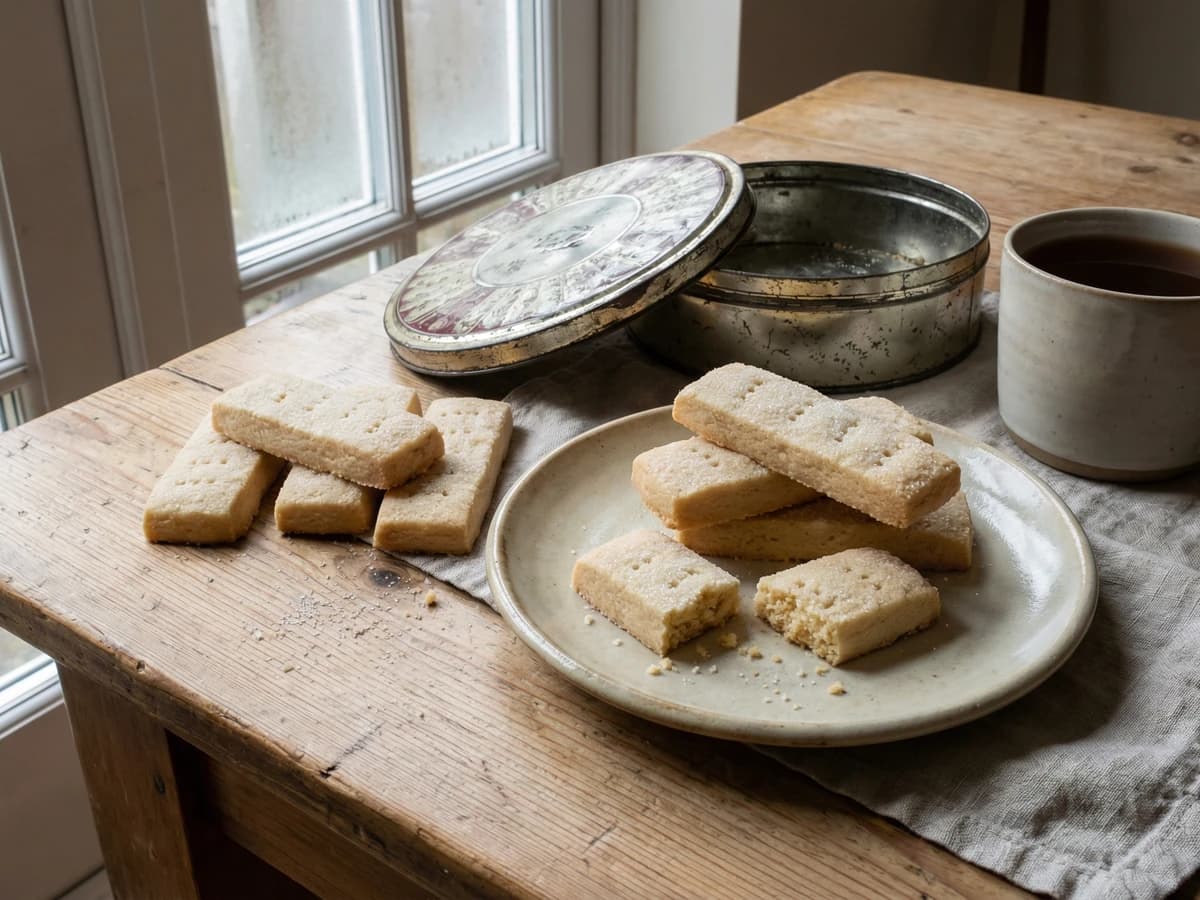
All-Butter Shortbread Fingers
The plainest biscuit in the tin and the hardest one to stop eating, three ingredients and a slow oven turning good butter into something quietly perfect with a cup of tea.
A cooking platform built around craft, culture, and the stories behind what we eat.
Created by Chef Thomas
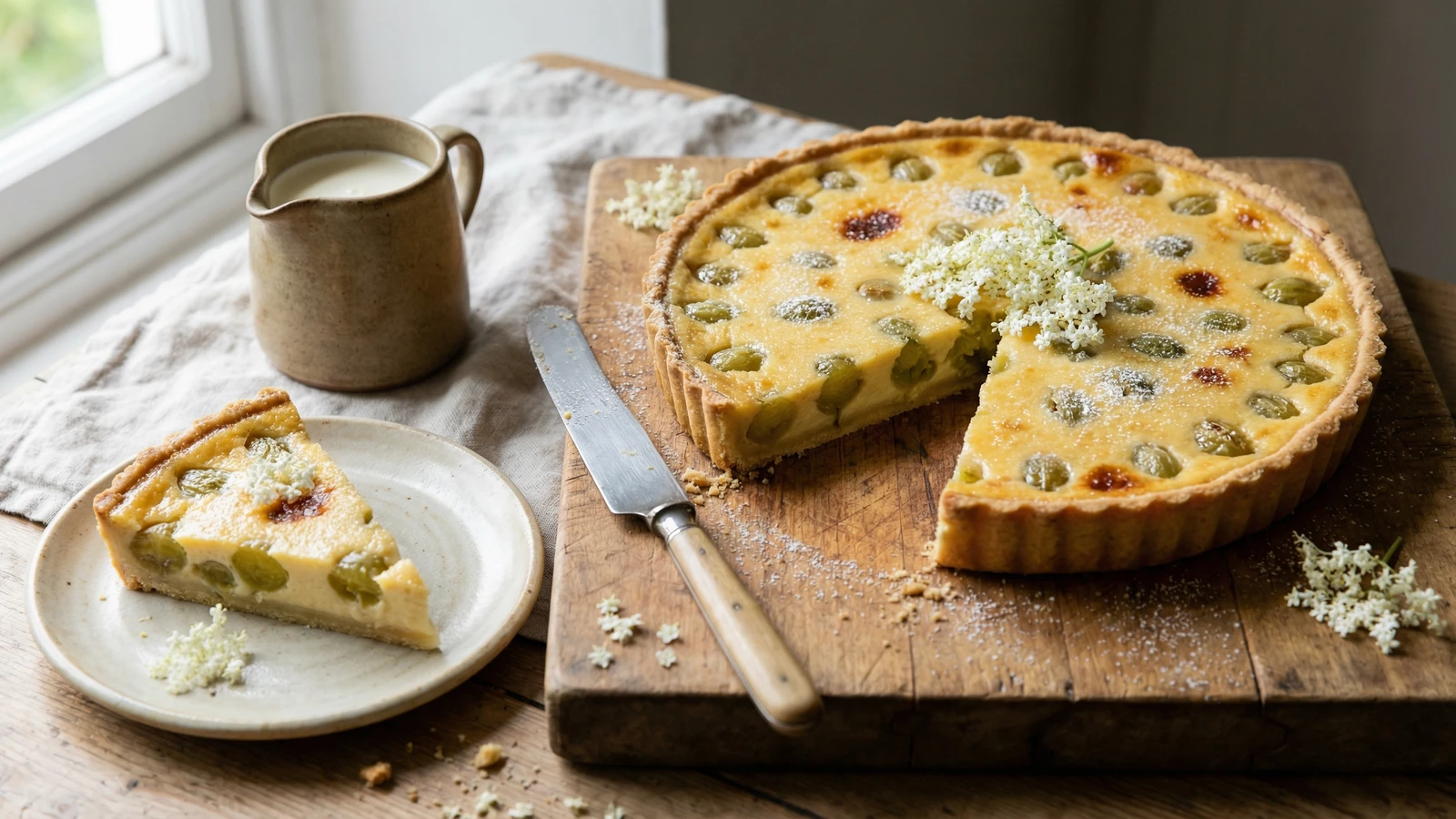
A buttery shortcrust case filled with sharp June gooseberries softened by elderflower and set in pale custard. The first soft fruit tart of the British summer, made when both come ripe at the same time.
Gooseberries and elderflower come ripe in the same fortnight, and I have always taken that as a quiet instruction. Whatever ripens together belongs together. The hedgerows go cream-white with elderflower at the end of May, and by the time the gooseberries are heavy enough to bend the bush, the flowers are still on the trees. You can pick them in the same morning, walk home with both in the same basket, and have a tart on the table by tea.
A gooseberry on its own is a sour, surly little thing. Bite into a raw one and you'll know about it. But cook it gently with sugar and a slug of elderflower cordial and something happens that I can't quite explain. The sharpness softens. The flavour opens out into something muscat-like, almost grapey, with a faint perfume that belongs entirely to early summer. It's the taste of a particular fortnight in June, and you can't fake it the rest of the year.
The pastry is a plain sweet shortcrust. The custard is eggs and cream. There's nothing technical here. The whole tart depends on getting the fruit at the right moment and treating it gently. Cook the gooseberries until they slump but still hold their shape. Don't let the custard go past the faintest wobble. We're only making dinner, but on a warm June evening with the windows open and a jug of cream on the table, this is one of the more useful things you can do with an hour.
I wrote it down in the notebook the first year I made it: "Gooseberry. Elderflower. June. Worth the wait." That note has stayed.
Quantity
200g
Quantity
100g
cubed
Quantity
50g
Quantity
1
Quantity
2-3 tablespoons
Quantity
pinch
Quantity
500g
topped and tailed
Quantity
100g, plus extra for the topping
Quantity
4 tablespoons
Quantity
3
Quantity
150ml
Quantity
1 tablespoon
Quantity
1
zested
Quantity
a few
| Ingredient | Quantity |
|---|---|
| plain flour | 200g |
| cold unsalted buttercubed | 100g |
| icing sugar | 50g |
| large egg yolk | 1 |
| cold water | 2-3 tablespoons |
| fine sea salt | pinch |
| green gooseberriestopped and tailed | 500g |
| caster sugar | 100g, plus extra for the topping |
| elderflower cordial | 4 tablespoons |
| large eggs | 3 |
| double cream | 150ml |
| plain flour | 1 tablespoon |
| unwaxed lemonzested | 1 |
| fresh elderflower heads (optional) | a few |
Tip the flour, icing sugar and salt into a bowl. Add the cubed butter and rub it in with your fingertips until the mixture looks like coarse breadcrumbs. Don't overwork it. You want flecks of butter still visible. Add the egg yolk and a tablespoon of cold water and bring it together with a fork, adding more water a teaspoon at a time until the dough just holds. Press it into a flat disc, wrap it, and put it in the fridge for at least half an hour.
Put the gooseberries into a wide saucepan with the caster sugar and three tablespoons of the elderflower cordial. Set over a gentle heat and stir now and then. You're not making jam. You want the berries to soften and split, releasing their sharp green juices, but still hold some of their shape. This takes five minutes, no more. Take them off the heat and let them cool. They'll smell of something between a cooking apple and a meadow.
Heat the oven to 180C fan. Roll the chilled pastry out on a lightly floured surface to about the thickness of a pound coin. Lift it carefully into a 23cm loose-bottomed tart tin, pressing it gently into the corners and leaving a small overhang. Prick the base with a fork, line with parchment, and fill with baking beans. Bake for 15 minutes, then lift out the parchment and beans and bake for another 8 to 10 minutes until the base is dry and the rim is pale gold. Trim the overhang with a sharp knife.
In a bowl, whisk the eggs with the cream, the tablespoon of flour, the lemon zest and the remaining tablespoon of elderflower cordial. The mixture should be smooth and pale, like the inside of a primrose. Strain it through a sieve if you want it really fine, but you don't have to.
Drain the cooled gooseberries from any excess syrup, holding back a couple of spoonfuls of the juice for brushing later. Spoon the berries evenly across the pastry base. Pour the custard slowly over the top, letting it settle around the fruit. Scatter a teaspoon of caster sugar across the surface. Slide the tart carefully into the oven and bake for 25 to 30 minutes, until the custard is set with the faintest wobble at the centre and the top has caught a few golden freckles. Trust your nose. When the kitchen smells of warm cream and something faintly floral, you're close.
Let the tart cool in the tin for at least half an hour before lifting it out. It's best eaten warm rather than hot, or at room temperature later in the afternoon. Brush the surface with a little of the reserved gooseberry syrup for shine, and tuck a fresh elderflower head or two on top if you've got them. A jug of cold cream alongside. Nothing more.
1 serving (about 170g)
Culinary guides, cultural storytelling, and the editorial depth that makes cooking meaningful.
Discover Culinary ExplorerChef Thomas
The plainest biscuit in the tin and the hardest one to stop eating, three ingredients and a slow oven turning good butter into something quietly perfect with a cup of tea.
Chef Thomas
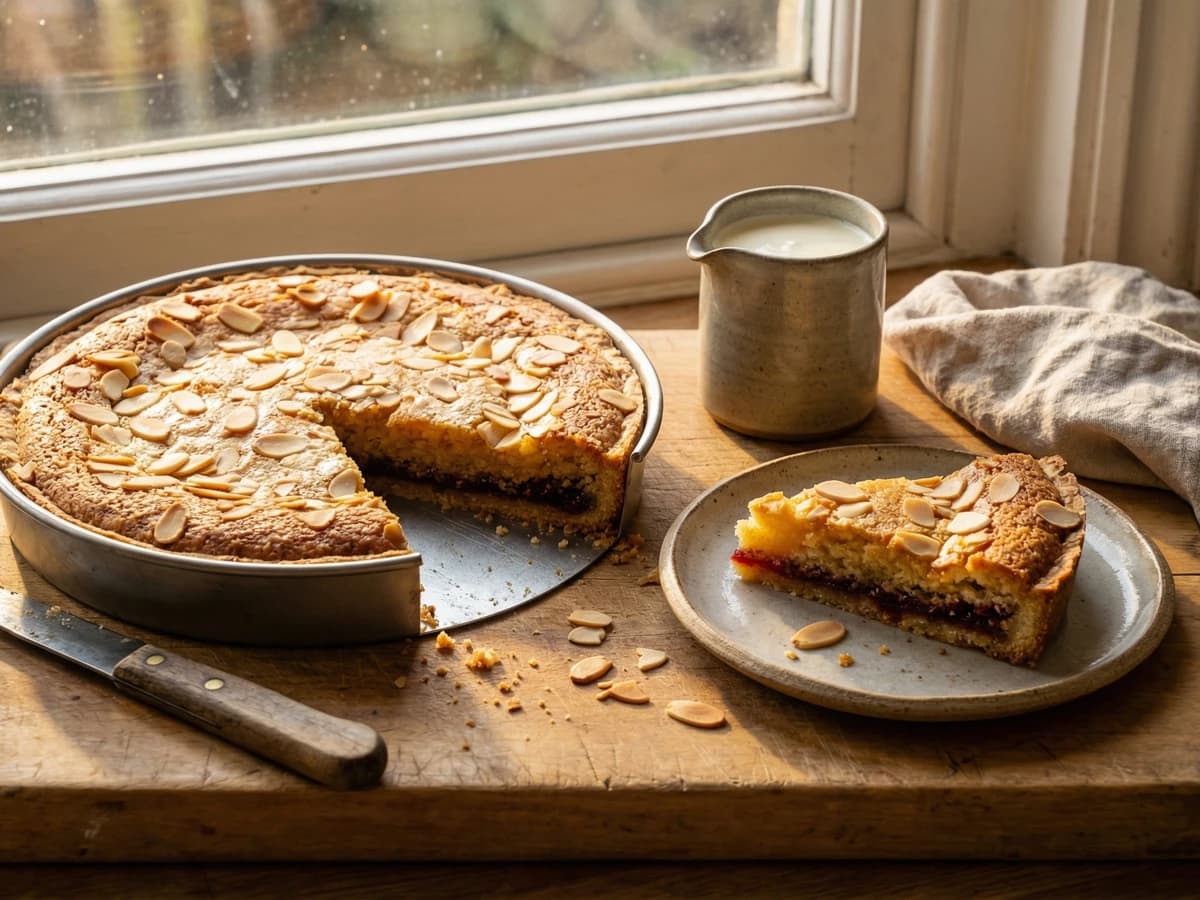
A proper Bakewell tart with buttery shortcrust, a thick layer of raspberry jam, and almond frangipane baked golden under a scattering of flaked almonds. No icing. No nonsense.
Chef Thomas
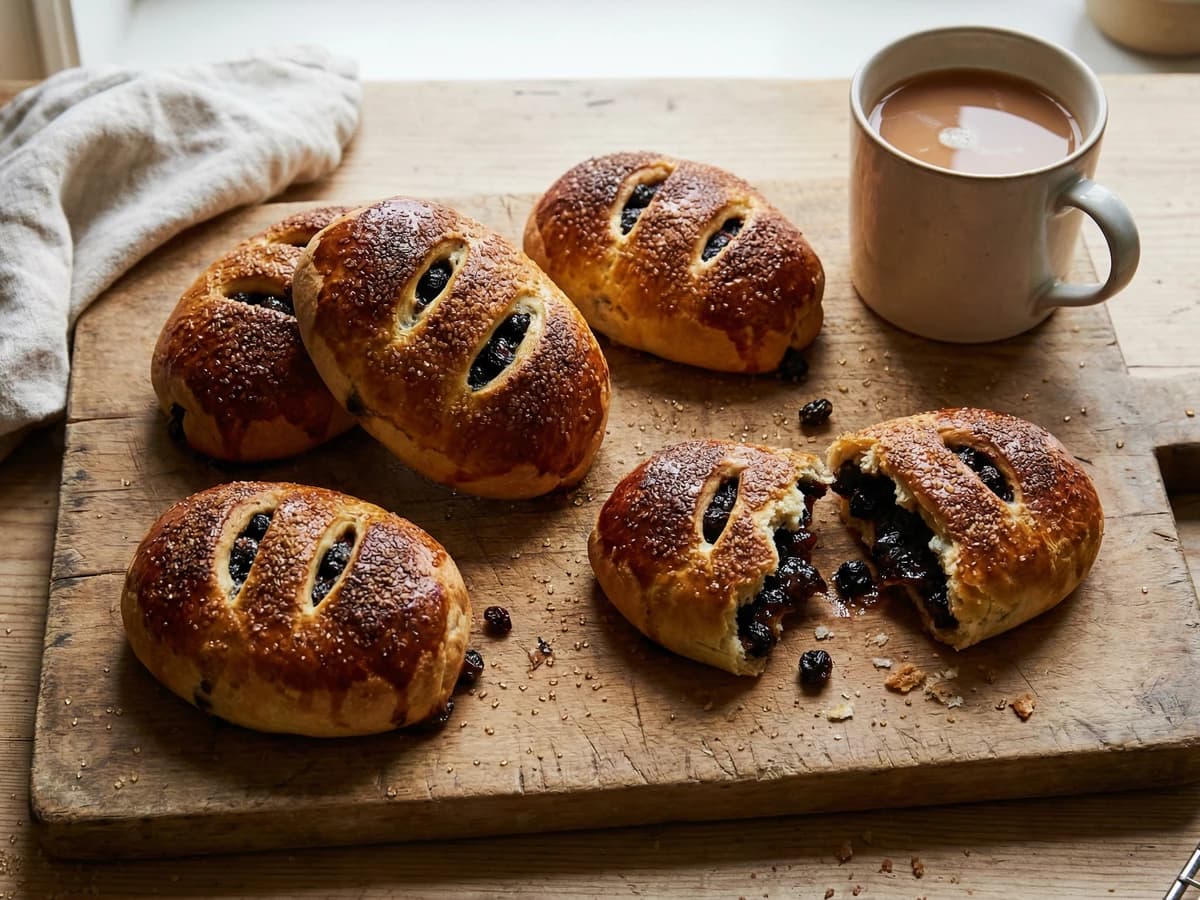
Oval pastries filled with rum-soaked currants and spice, baked until the tops crackle with sugar. The kind of thing to make on a wet Sunday afternoon when you want the kitchen to smell of something.
Chef Thomas
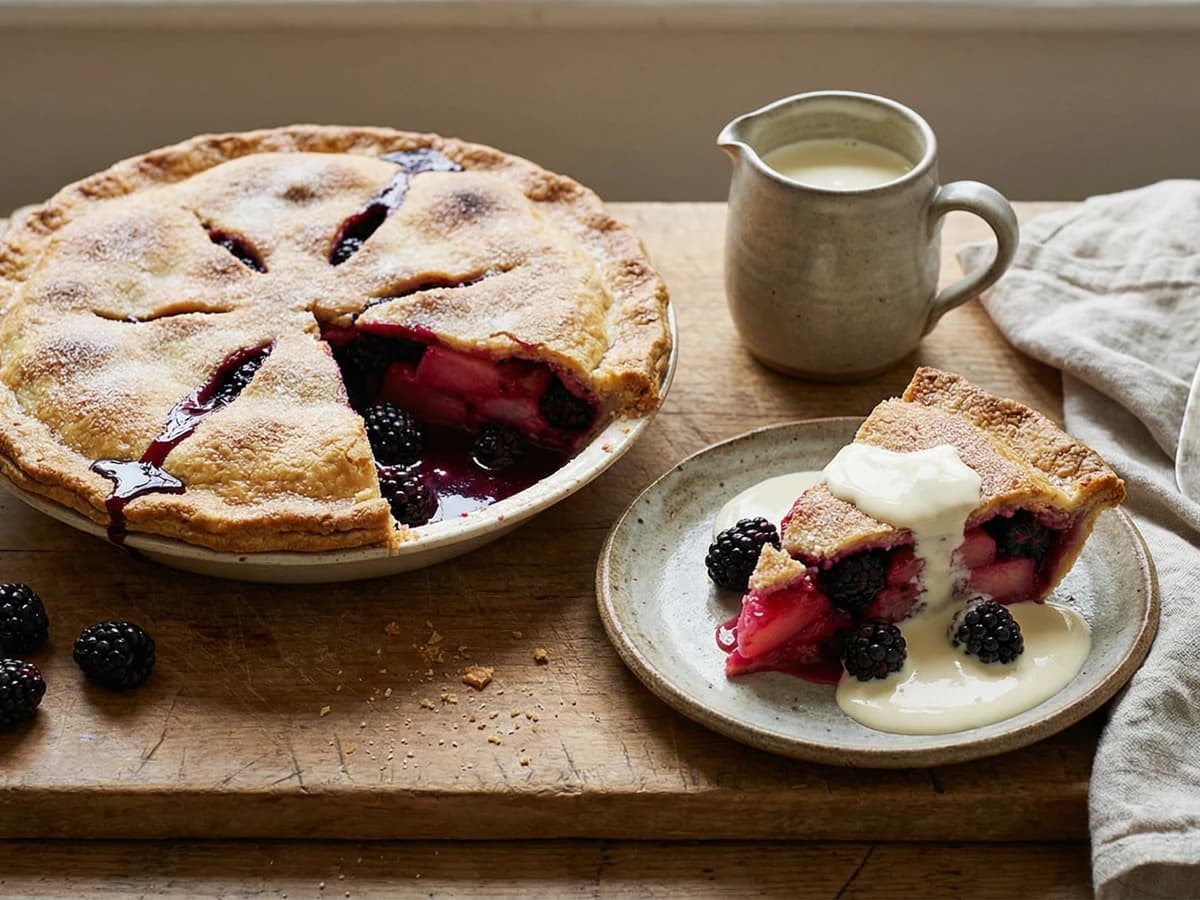
A proper hedgerow pie of Bramley apples and blackberries under a sugar-crusted pastry lid, the kind of pudding that turns a Sunday in September into something you'll remember.