
Chef Takumi
Agar Jelly with Anko and Fruit (あんみつ, Anmitsu)
Anmitsu looks like a tray of small tasks, but the work is calm: dissolve the kanten fully, chill the pieces clean, then let fruit, anko, and kuromitsu do the speaking.
A cooking platform built around craft, culture, and the stories behind what we eat.
Created by
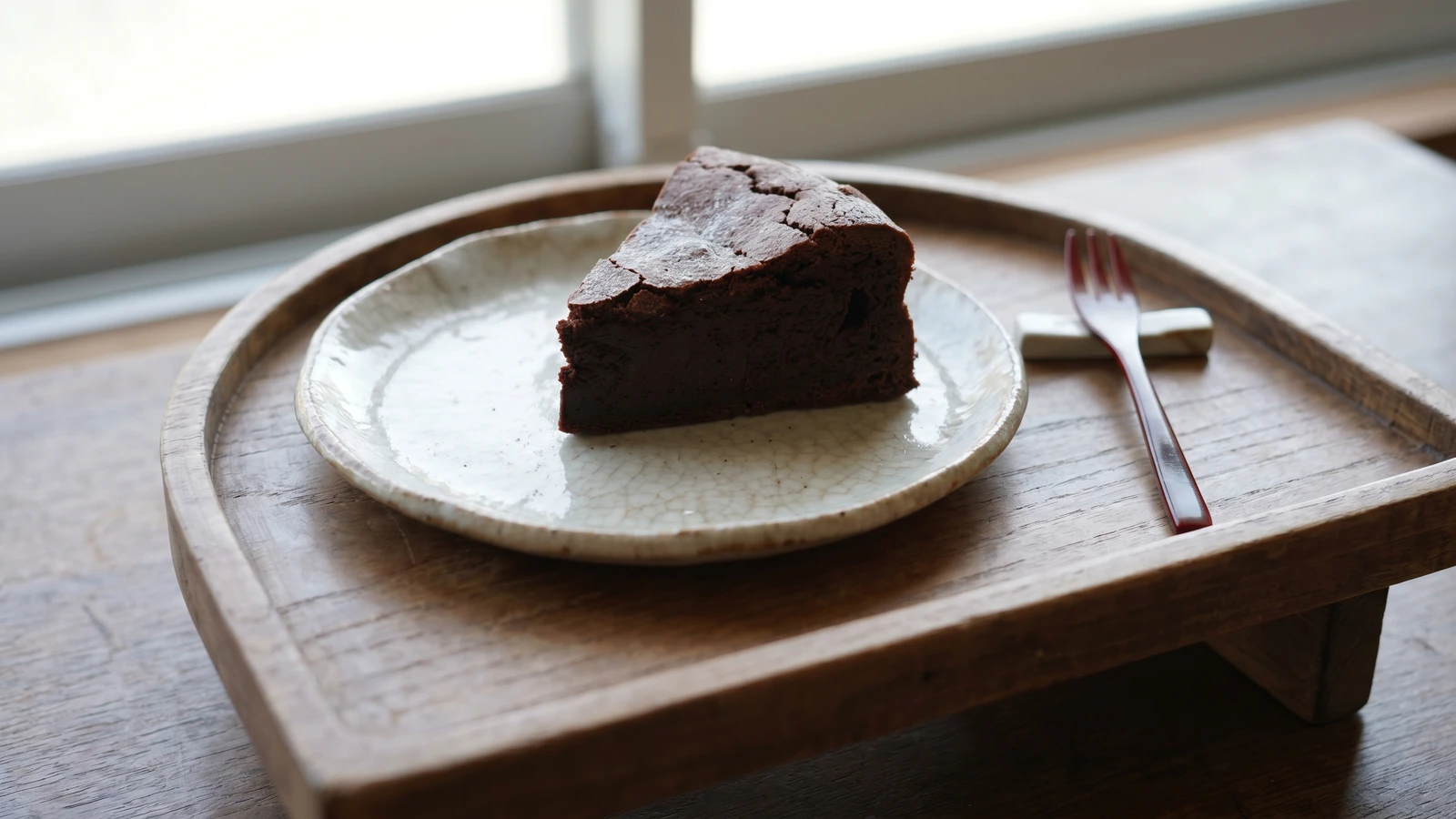
This is not a showy cake. Bittersweet chocolate, eggs, butter, and a little flour settle into something dense, quiet, and better the next day.
Chocolate makes people theatrical. This cake doesn't need it. Gateau chocolat, the way we make it in the Japanese home tradition, is a small, dark cake with a tender crack on top and a center that settles into richness overnight. It looks serious. It is only careful.
The one detail that decides it is heat. Melt the chocolate and butter gently, then bake the batter in a cool oven until the edge is set and the center still gives a little. Push it too far and the cake dries into politeness, which is a sad fate for good chocolate. Pull it while it still seems slightly shy, and the carryover heat finishes the crumb as it cools.
Use bittersweet chocolate you would eat plain. There's very little flour here and nowhere for poor chocolate to hide, so sourcing comes first, always. The meringue lightens the batter without making it fluffy; the cake should be dense, not heavy, with a clean bitterness under the sugar. Make it the day before if you can. Rest is not laziness here. It's technique.
Gateau chocolat is a yōgashi, a Western-style sweet absorbed into Japanese baking rather than a classical washoku dish. Chocolate became tied to Valentine's Day in Japan through mid-twentieth-century confectionery campaigns, including Morozoff's 1936 Kobe advertisement and Mary Chocolate's 1958 promotion at Isetan in Tokyo. By the late Shōwa period, small homemade chocolate cakes like gatō shokora had become a common February gift because they traveled neatly and tasted better after a night's rest.
Quantity
120g
chopped
Quantity
70g
cut into pieces
Quantity
3
separated
Quantity
70g
divided
Quantity
20g
Quantity
10g
Quantity
1 pinch
Quantity
1 teaspoon
Quantity
for finishing
| Ingredient | Quantity |
|---|---|
| bittersweet chocolate, 60 to 70 percent cacaochopped | 120g |
| unsalted buttercut into pieces | 70g |
| large eggsseparated | 3 |
| granulated sugardivided | 70g |
| cake flour | 20g |
| unsweetened cocoa powder | 10g |
| fine sea salt | 1 pinch |
| rum or brandy (optional) | 1 teaspoon |
| powdered sugar (optional) | for finishing |
Heat the oven to 160 C. Line the bottom and sides of a 15cm round cake pan with parchment, letting the paper rise a little above the rim. This cake climbs, cracks, and settles, so the paper gives it support and makes removal clean after it cools.
Set the chopped chocolate and butter in a bowl over barely simmering water, making sure the bowl doesn't touch the water. Stir until glossy and just melted, then take it off the heat. Gentle melting keeps the chocolate smooth; harsh heat scorches it and turns the flavor flat.
Whisk the egg yolks with 40g of the sugar until thickened and pale, about two minutes. Stir in the melted chocolate mixture, salt, and rum if using. The yolks give body and help the chocolate hold its richness without needing much flour.
Sift the cake flour and cocoa powder over the chocolate mixture and fold them in. Sifting matters because a small amount of flour has a large voice here; lumps would show up as dry specks in an otherwise smooth cake.
Beat the egg whites until foamy, then add the remaining 30g sugar in two additions and beat to soft, glossy peaks. Stop before they look dry. Soft peaks fold in cleanly and lift the cake; stiff, dry whites break into little clouds and leave streaks in the batter.
Stir one third of the whites into the chocolate batter to loosen it, then fold in the rest with a broad spatula. Turn the bowl as you fold and stop when no white streaks remain. Overmix and you press out the air you just made; undermix and the cake bakes unevenly.
Pour the batter into the pan, smooth the top, and bake for 30 to 35 minutes. The edges should be set, the top gently cracked, and the center should still have a slight tremble when nudged. That tremble is not failure. It is the cake protecting its tenderness.
Cool the cake in the pan for 20 minutes, then lift it out and cool completely. Wrap and rest it overnight at cool room temperature or in the refrigerator. The crumb settles, the chocolate deepens, and the slices cut cleanly the next day. Dust lightly with powdered sugar just before serving.
1 serving (about 67g)
Culinary guides, cultural storytelling, and the editorial depth that makes cooking meaningful.
Discover Culinary ExplorerChef Takumi
Anmitsu looks like a tray of small tasks, but the work is calm: dissolve the kanten fully, chill the pieces clean, then let fruit, anko, and kuromitsu do the speaking.

Chef Takumi
A cool square of almond-scented milk, set softly and served with mikan in thin syrup, is dinner-party food without theater. The only stern demand is restraint with the fragrance.

Chef Takumi
Azuki bar asks for patience twice: once while the beans soften, and once while the frozen bar yields. That hardness is not a flaw. It is the character of the thing.
Chef Takumi
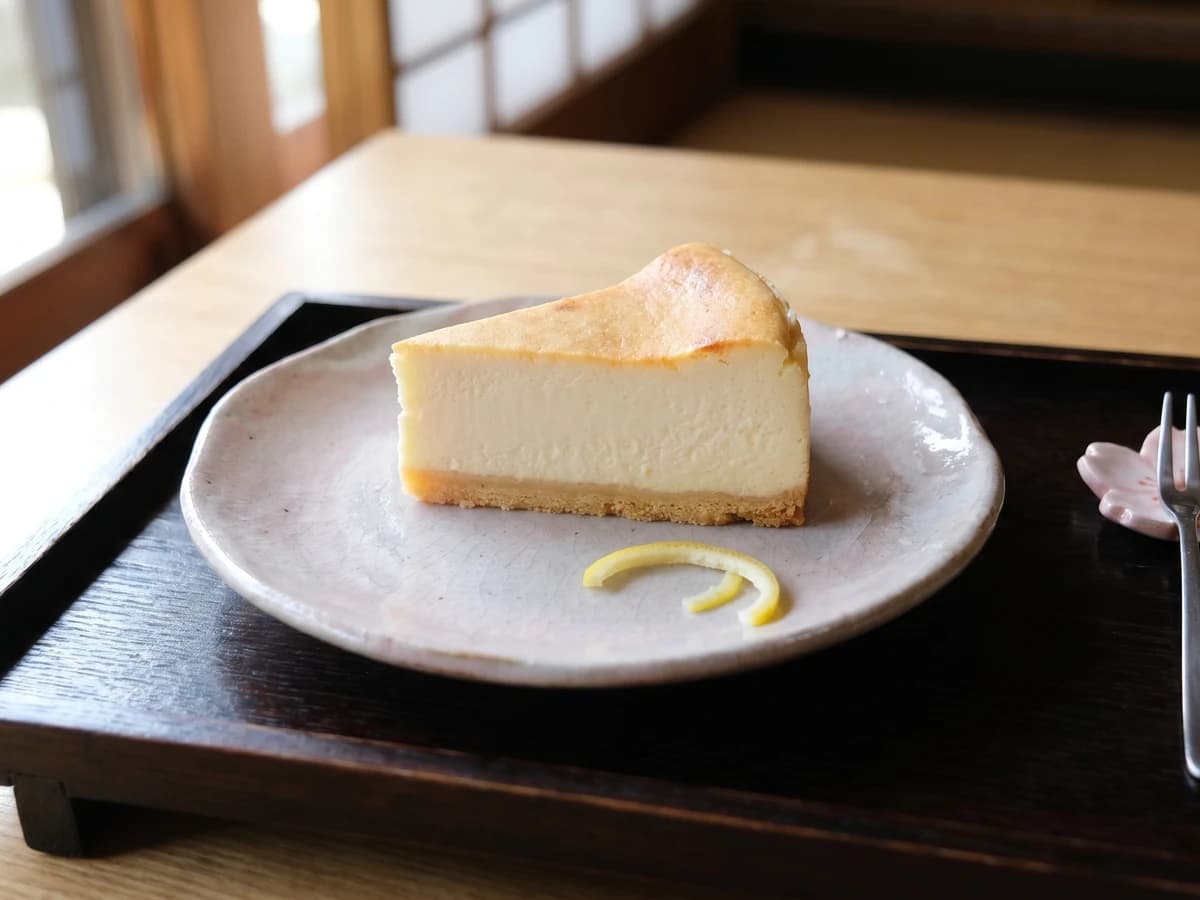
A Japanese baked cheesecake is not trying to float away. It is dense, smooth, and quietly tart, with a clean slice doing the work of decoration.