Chef Graziella
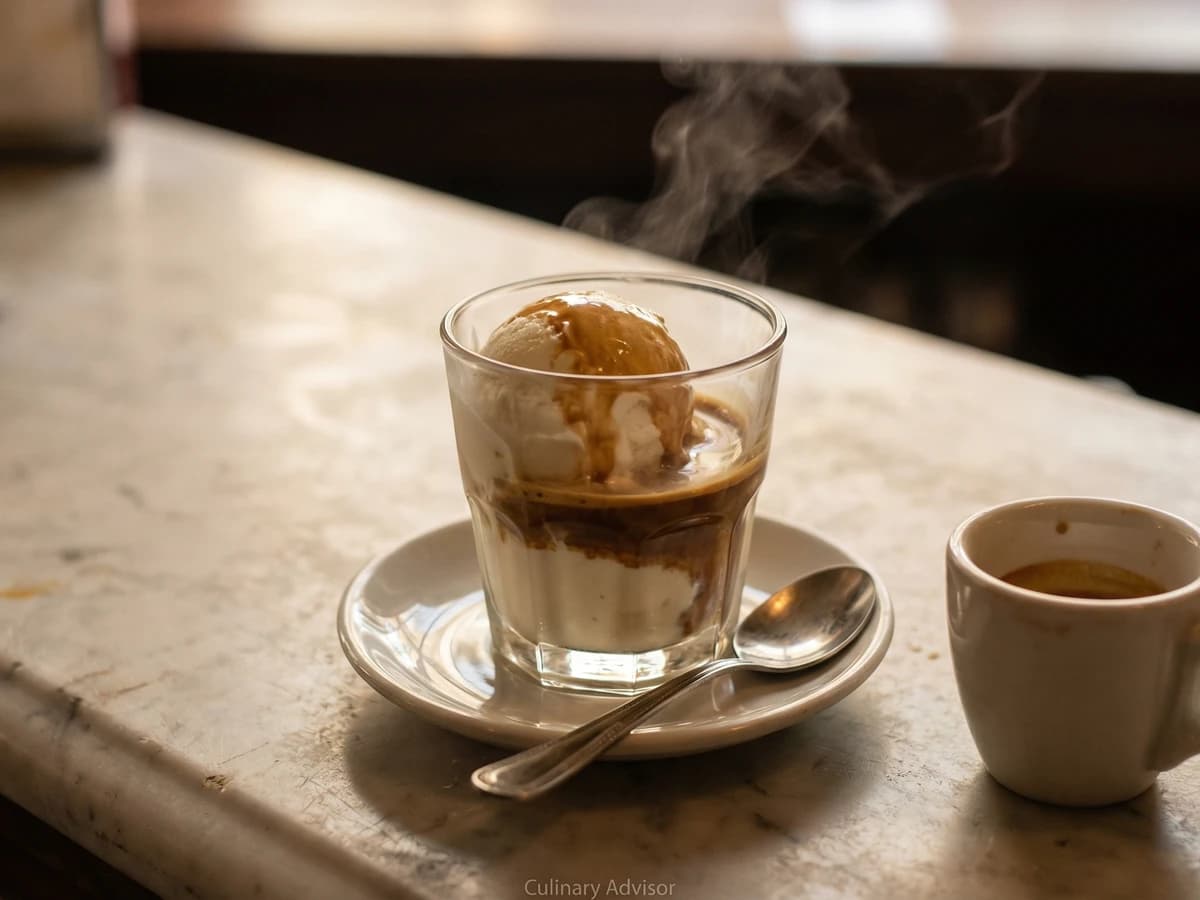
Affogato al Caffè
Three ingredients, no cooking, pure theater. The espresso must be fresh, the gelato must be cold, and the moment of pouring must happen at the table where everyone can watch.
A cooking platform built around craft, culture, and the stories behind what we eat.
Created by
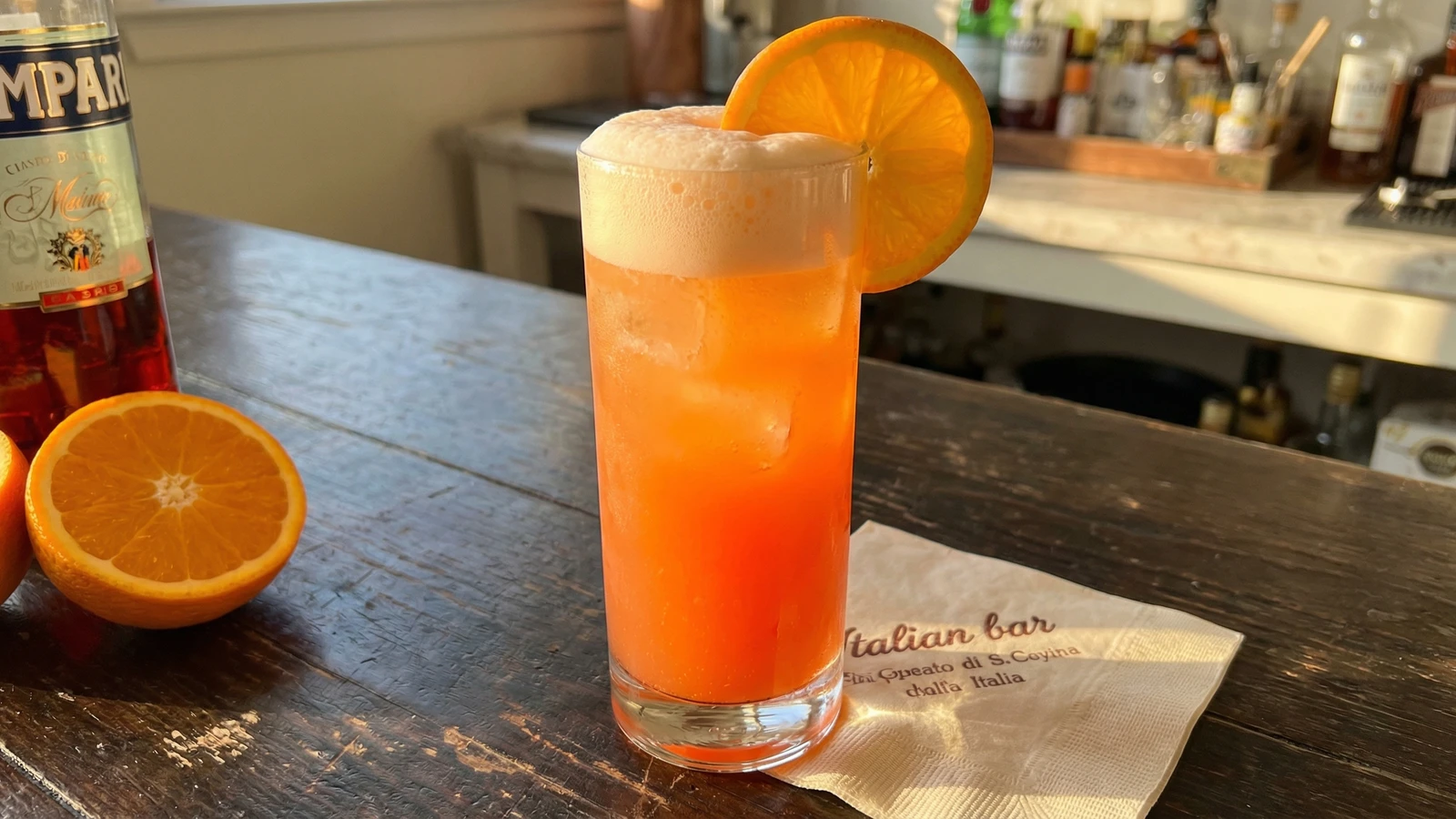
Two ingredients and nothing to hide behind. The bitter elegance of Campari meets the bright sweetness of fresh orange, creating the aperitivo that proves restraint is its own kind of boldness.
The Garibaldi asks nothing of you except honesty. Two ingredients. No technique to master beyond squeezing an orange. And yet I have watched bartenders in America ruin it with carton juice, turning something vivid into something ordinary.
The secret, if you can call something so obvious a secret, is the orange juice. It must be fresh. It must be aerated. The old bars in Milan pass the juice through a centrifugal juicer that whips air into the liquid, creating a foam that transforms the drink's texture. This is not pretension. This is understanding that how something feels in your mouth matters as much as how it tastes.
Campari is bitter. Americans often find it challenging. The fresh orange juice, sweet and bright and alive with tiny bubbles, tames the bitterness without erasing it. What you keep out is as significant as what you put in. There is no simple syrup here, no splash of soda, no clever addition. Just bitter and sweet, red and orange, the colors of a summer evening in Italy.
Giuseppe Garibaldi, the revolutionary general who unified Italy in 1861, wore a red shirt into battle and hailed from the orange groves of Nice (then part of the Kingdom of Sardinia). The cocktail bearing his name marries Campari's crimson with the orange of his homeland. Whether the drink was created to honor him or simply named for the color combination, no one can say with certainty.
Quantity
1 1/2 ounces
Quantity
4 ounces
from about 2 oranges
Quantity
1
for garnish
| Ingredient | Quantity |
|---|---|
| Campari | 1 1/2 ounces |
| fresh-squeezed orange juicefrom about 2 oranges | 4 ounces |
| orange wheel (optional)for garnish | 1 |
Squeeze the oranges immediately before making the drink. The juice must be fresh. Carton juice, no matter how expensive, produces a flat, lifeless cocktail. If you have a centrifugal juicer, use it. The violent action aerates the juice, creating tiny bubbles that give the drink its characteristic fluffy texture. If you only have a hand juicer, strain the juice through a fine mesh strainer while pressing the pulp, then whisk vigorously for 30 seconds.
Fill a highball glass with ice cubes. Pour the Campari over the ice. Add the fresh orange juice. The juice should cascade through the crimson Campari, creating bands of color that slowly merge into a sunset orange.
Give the drink two or three gentle stirs with a bar spoon or long-handled spoon. You want to integrate the ingredients without destroying the foam you created. Vigorous stirring defeats the purpose of proper juicing.
Place an orange wheel on the rim of the glass or float it on top. Serve immediately. This is an aperitivo, meant to be drunk before dinner, when the day's work is done and the evening meal is still being prepared. It opens the appetite. It signals transition. Do not rush it.
1 serving (about 180g)
Culinary guides, cultural storytelling, and the editorial depth that makes cooking meaningful.
Discover Culinary ExplorerChef Graziella
Three ingredients, no cooking, pure theater. The espresso must be fresh, the gelato must be cold, and the moment of pouring must happen at the table where everyone can watch.
Chef Graziella
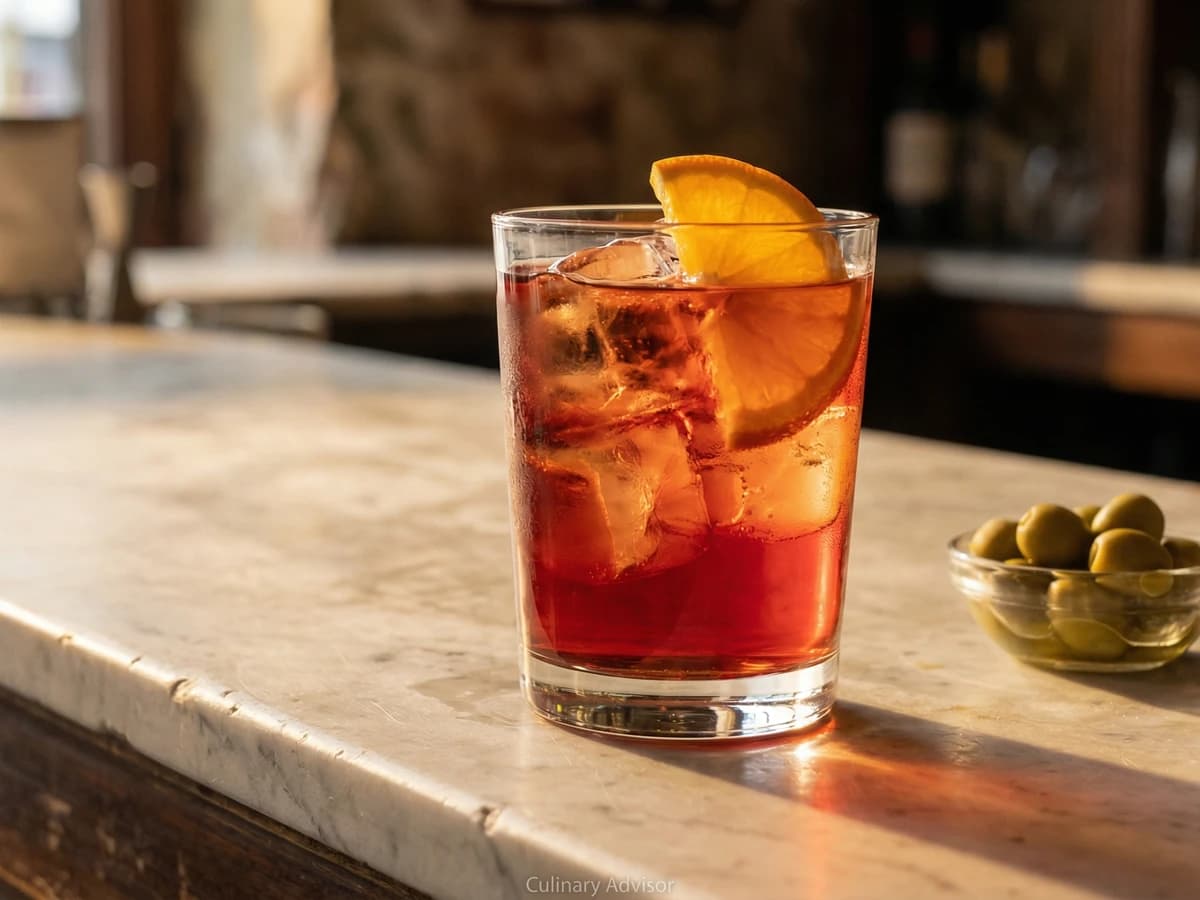
The original aperitivo of the Risorgimento era, when bitter Campari from Milan met sweet vermouth from Turin. Before someone added gin and called it a Negroni, this was the drink of Italian sophistication.
Chef Graziella
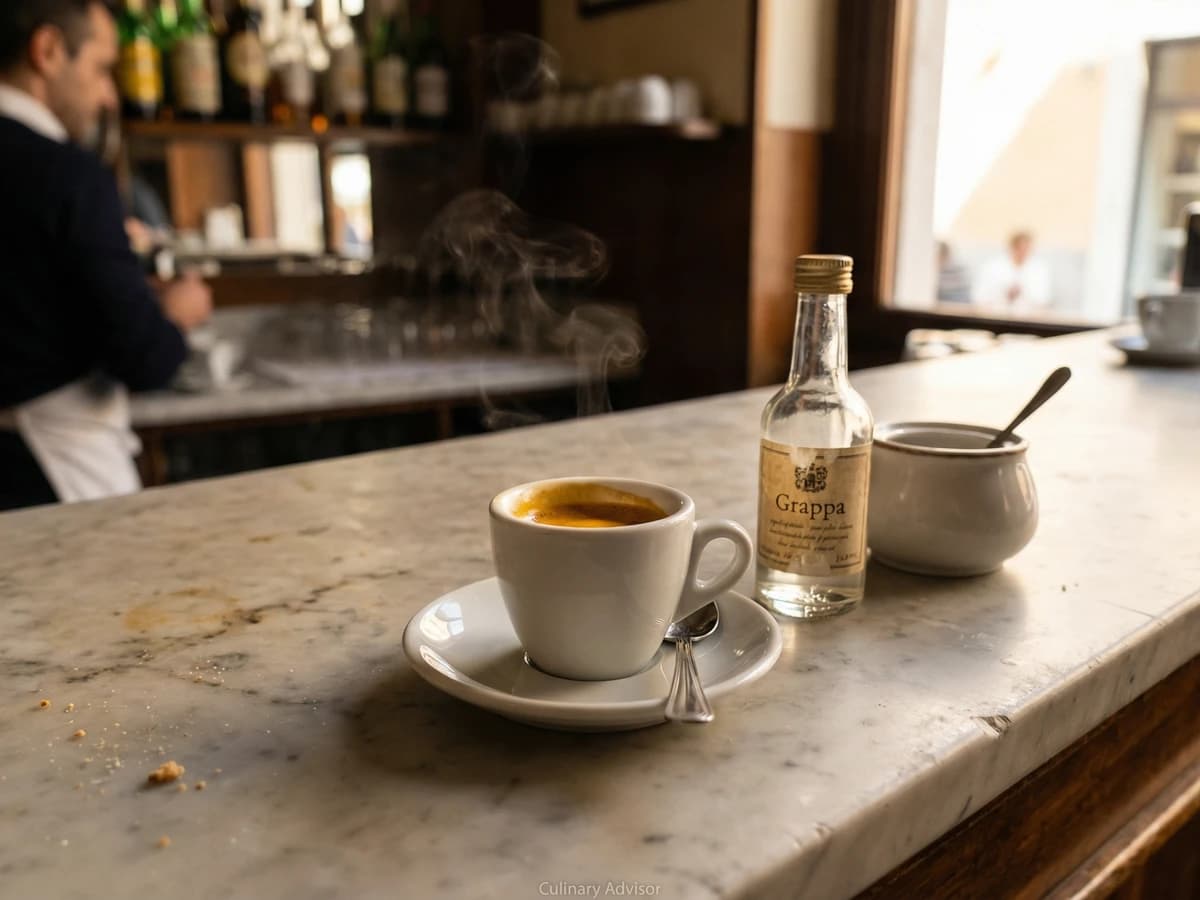
The Italian coffee that needs no apology: a shot of espresso fortified with grappa, sambuca, or brandy. Some mornings demand correction.

Chef Graziella
The only iced coffee worth drinking in summer. Hot espresso, cold ice, violent shaking, and a foam that proves you did it right. This is what Italians drink when Americans are ordering frappuccinos.