Chef Isabel
Acedías Fritas de Cádiz
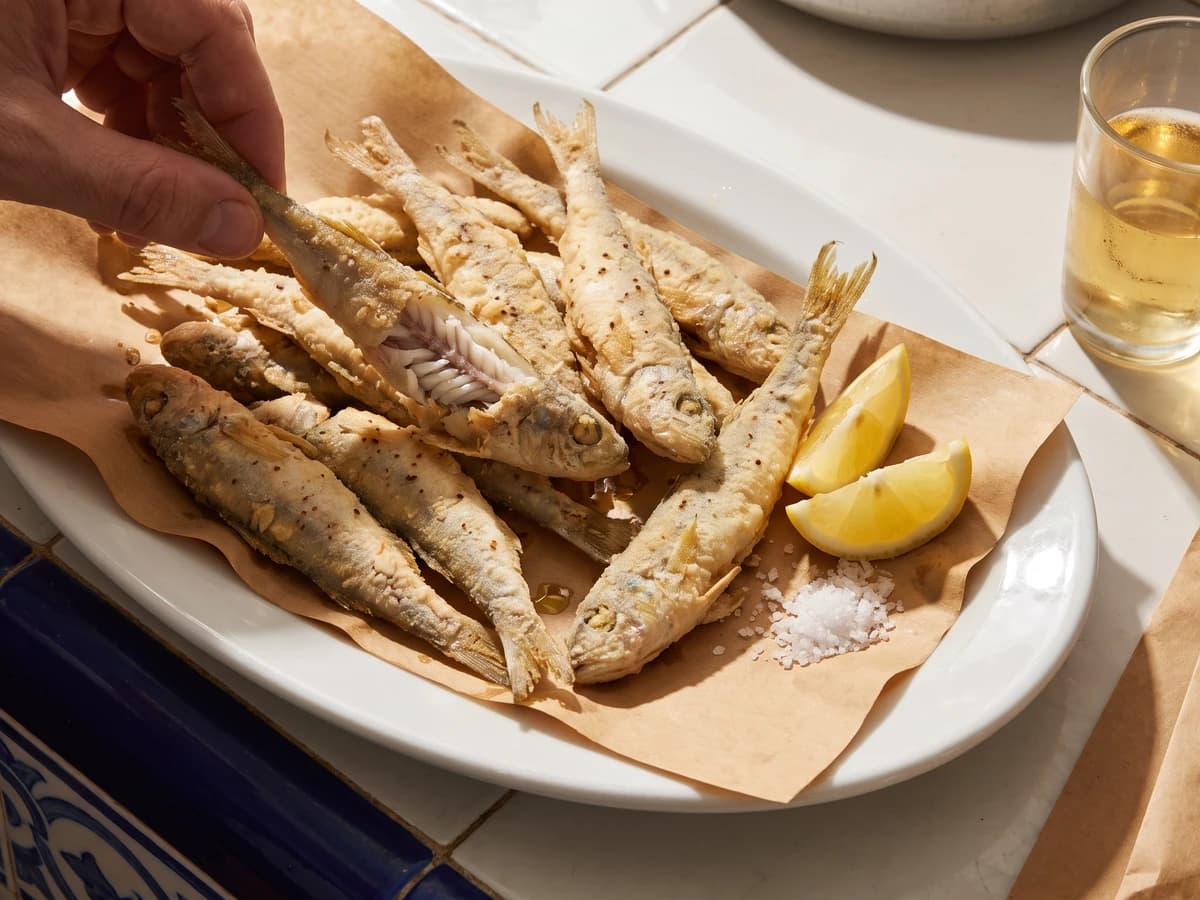
Acedías fritas belong to Cádiz: tiny wedge sole, salted, dusted in frying flour, and dropped into very hot olive oil so the rims crisp while the fish stays tender.
A cooking platform built around craft, culture, and the stories behind what we eat.
Created by
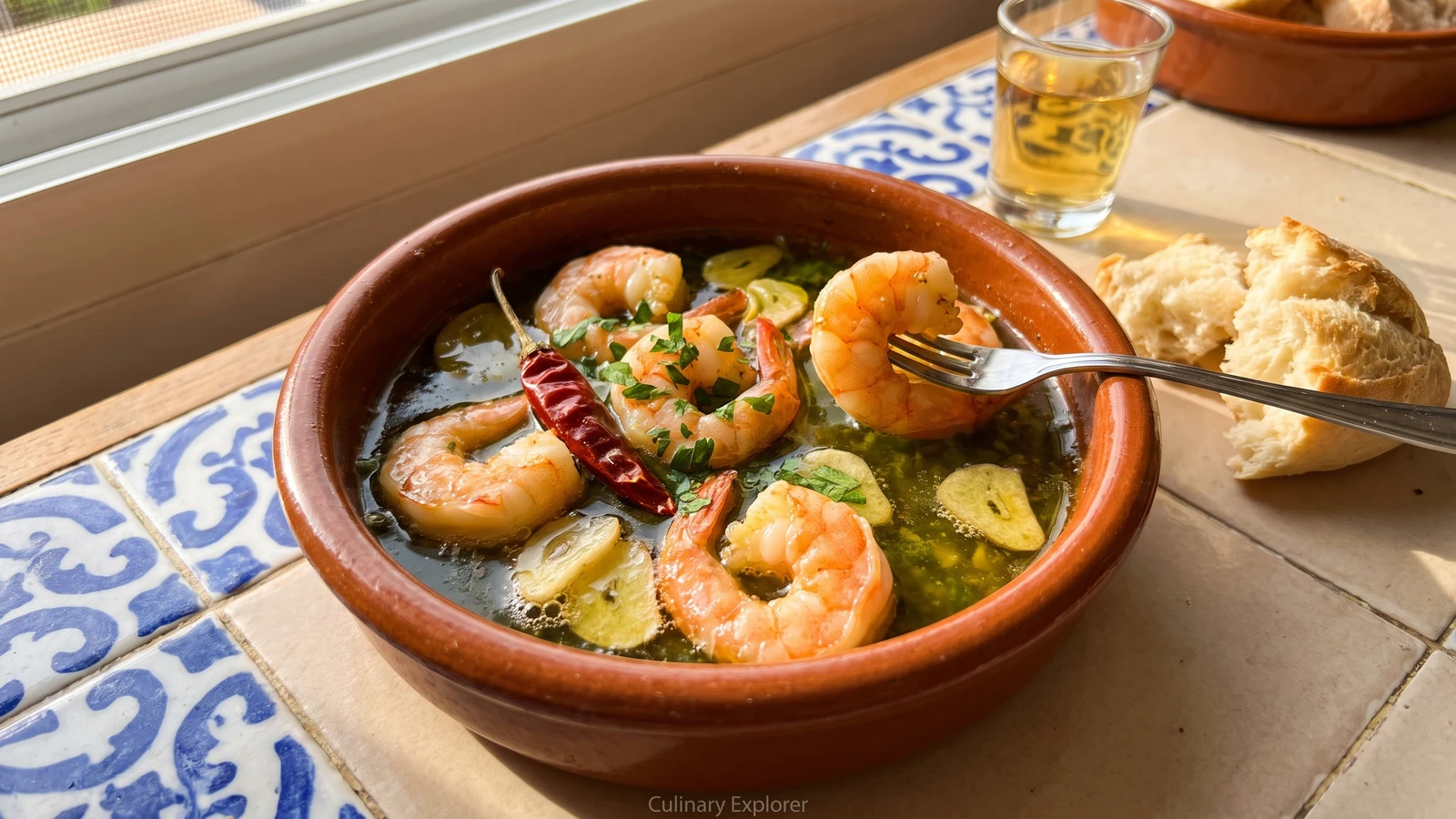
Gambas al ajillo is Andaluz coast cooking at its plainest: raw prawns, olive oil, sliced garlic, and guindilla in a hot cazuela. Stop the garlic at pale gold and serve with bread.
Gambas al ajillo a la Andaluza is prawns, olive oil, sliced garlic, and a dried guindilla, served in the same oil that cooked them. That is the dish. No flour, no sauce thickened on purpose, no long cooking until the prawns bounce under your teeth. The cazuela comes to the table still glossy and alive, and the bread is not optional unless you enjoy wasting the best part.
The method that decides it is the garlic. Start it gently in the oil and let it go only to pale gold at the edges before the prawns go in. Brown garlic makes bitter oil, and bitter oil has nowhere to hide here. Once the prawns curl and turn opaque, stop. The clay keeps working for a moment after the heat is off, so trust it.
If you're far from Andalucía, buy raw frozen prawns or shrimp before you buy tired fresh ones. Thaw them slowly, dry them hard, and know they'll throw a little more water into the oil, so keep the pan lively and cook them quickly. If you can't find guindilla, use one small dried cayenne or árbol chile. No hace falta haber pisado España. My Margin for this one says: garlic pale, prawns just curled. Siempre sale, si lo sigues.
Gambas al ajillo belongs to Andalucía's coastal table, where prawns from places like Huelva and Cádiz meet the inland staples of olive oil, garlic, and dried chile. Tavern counters in Madrid helped make the bubbling cazuela widely known, but the Andaluz version keeps close to the sea: no coating, no heavy sauce, only prawns, oil, garlic, and guindilla. The cazuela de barro is practical as much as pretty, holding heat long enough for the last prawns to finish while the first bread is torn.
Quantity
500g
deveined, thawed if frozen, patted very dry
Quantity
120ml
Quantity
8 cloves (about 30g)
thinly sliced
Quantity
1 small
split
Quantity
5g
divided
Quantity
1 tablespoon
chopped
Quantity
to serve
| Ingredient | Quantity |
|---|---|
| raw peeled prawns or gambasdeveined, thawed if frozen, patted very dry | 500g |
| extra virgin olive oil | 120ml |
| garlic clovesthinly sliced | 8 cloves (about 30g) |
| dried guindilla (optional)split | 1 small |
| fine sea saltdivided | 5g |
| flat-leaf parsleychopped | 1 tablespoon |
| rustic bread | to serve |
Pat the prawns very dry with kitchen paper and toss them with 4g of the salt. Let them sit while you slice the garlic. Wet prawns cool the oil and spit in the cazuela, and then you boil them instead of cooking them fast.
Put the olive oil, sliced garlic, and guindilla into a flame-safe cazuela de barro or a small heavy skillet. Set it over medium-low heat and let the garlic warm slowly until the slices are pale gold at the edges and the oil smells sweet. Do not let the garlic brown. Burnt garlic turns the whole dish bitter, and there is no fixing it after that.
Raise the heat to medium-high and add the prawns in one layer. Cook for 60 to 90 seconds, turn them, and cook another 30 to 60 seconds, just until opaque and curled into a loose C. If they curl tight, you've gone too far. Take the cazuela off the heat while the oil is still lively, because the clay keeps cooking them.
Sprinkle over the parsley and the remaining pinch of salt, then swirl the cazuela once so the prawn juices and garlic oil meet. Serve at once in the cazuela with bread beside it. The bread is for the oil, and anyone pretending otherwise is being difficult.
1 serving (about 240g)
Culinary guides, cultural storytelling, and the editorial depth that makes cooking meaningful.
Discover Culinary ExplorerChef Isabel
Acedías fritas belong to Cádiz: tiny wedge sole, salted, dusted in frying flour, and dropped into very hot olive oil so the rims crisp while the fish stays tender.
Chef Isabel
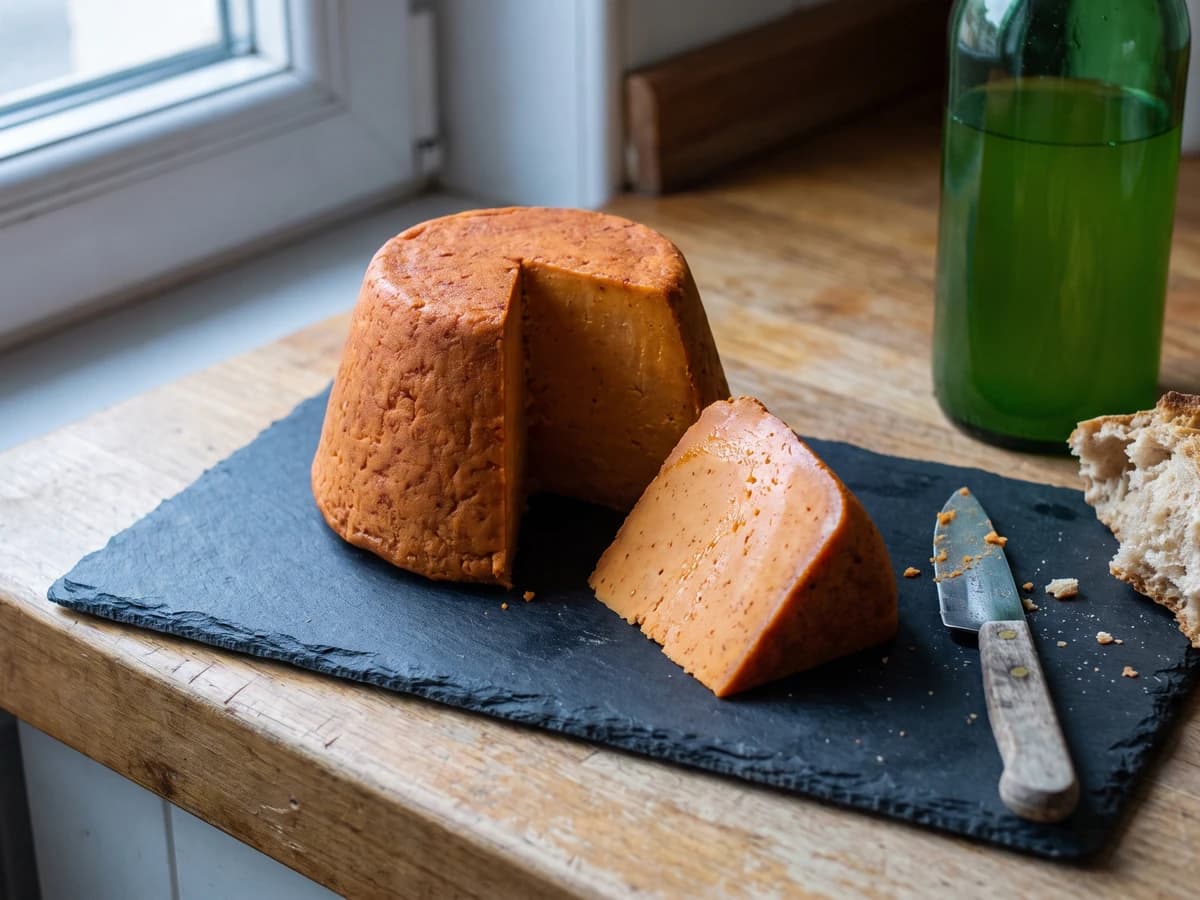
Afuega'l Pitu Roxu is Asturias in a small cheese: cow's milk set slowly to a dense curd, drained without squeezing, then kneaded with pimentón until it turns orange and grips the throat.
Chef Isabel
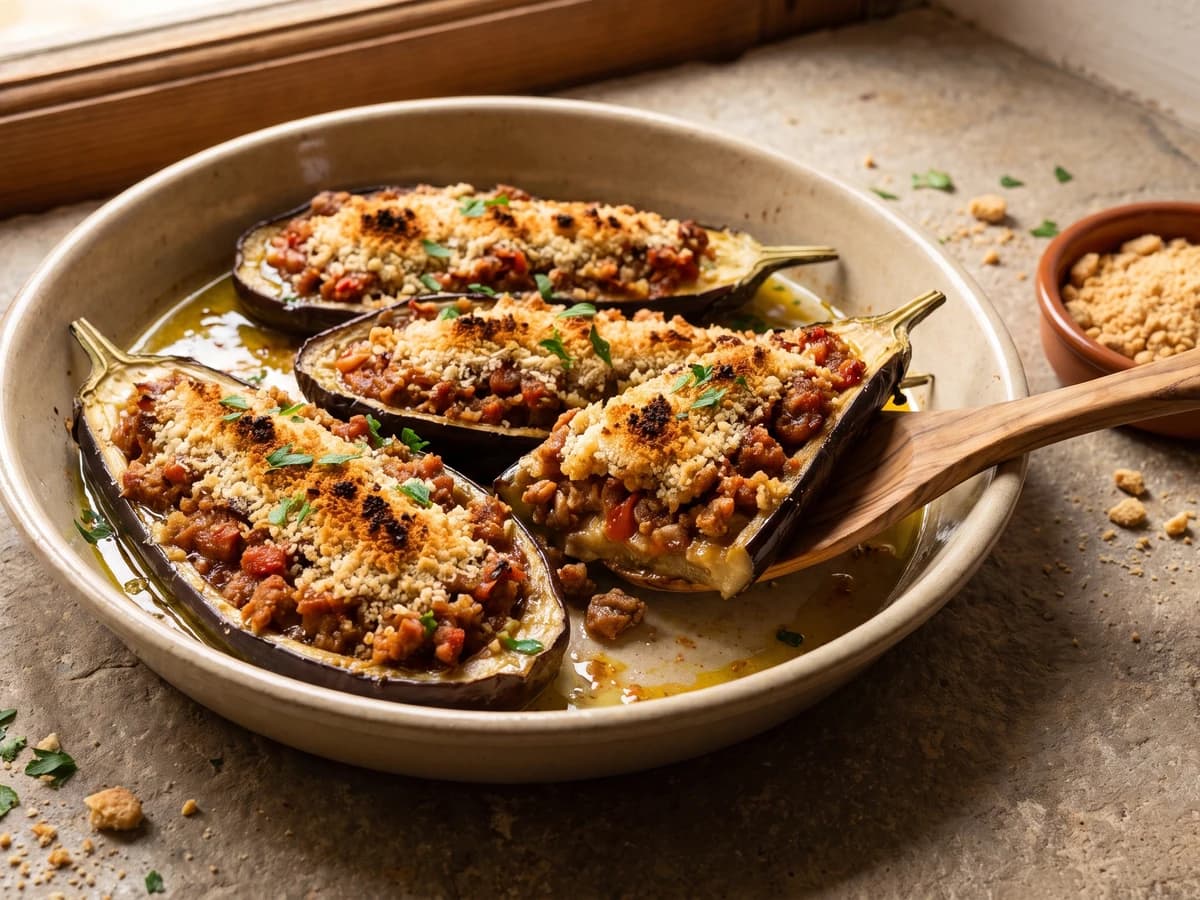
Albergínies farcides are Mallorca's summer stuffed aubergines: tender boiled shells, a slow pork sofrito with moraduix, and a plain breadcrumb cap baked until the top turns crisp and golden.

Chef Isabel
Carxofes farcides are Catalan stuffed artichokes: tender hearts filled with jamón, slow sweet onion, and breadcrumbs, then baked in a light creamy sauce until the tops turn golden.