Culinary Explorer
A cooking platform built around craft, culture, and the stories behind what we eat.
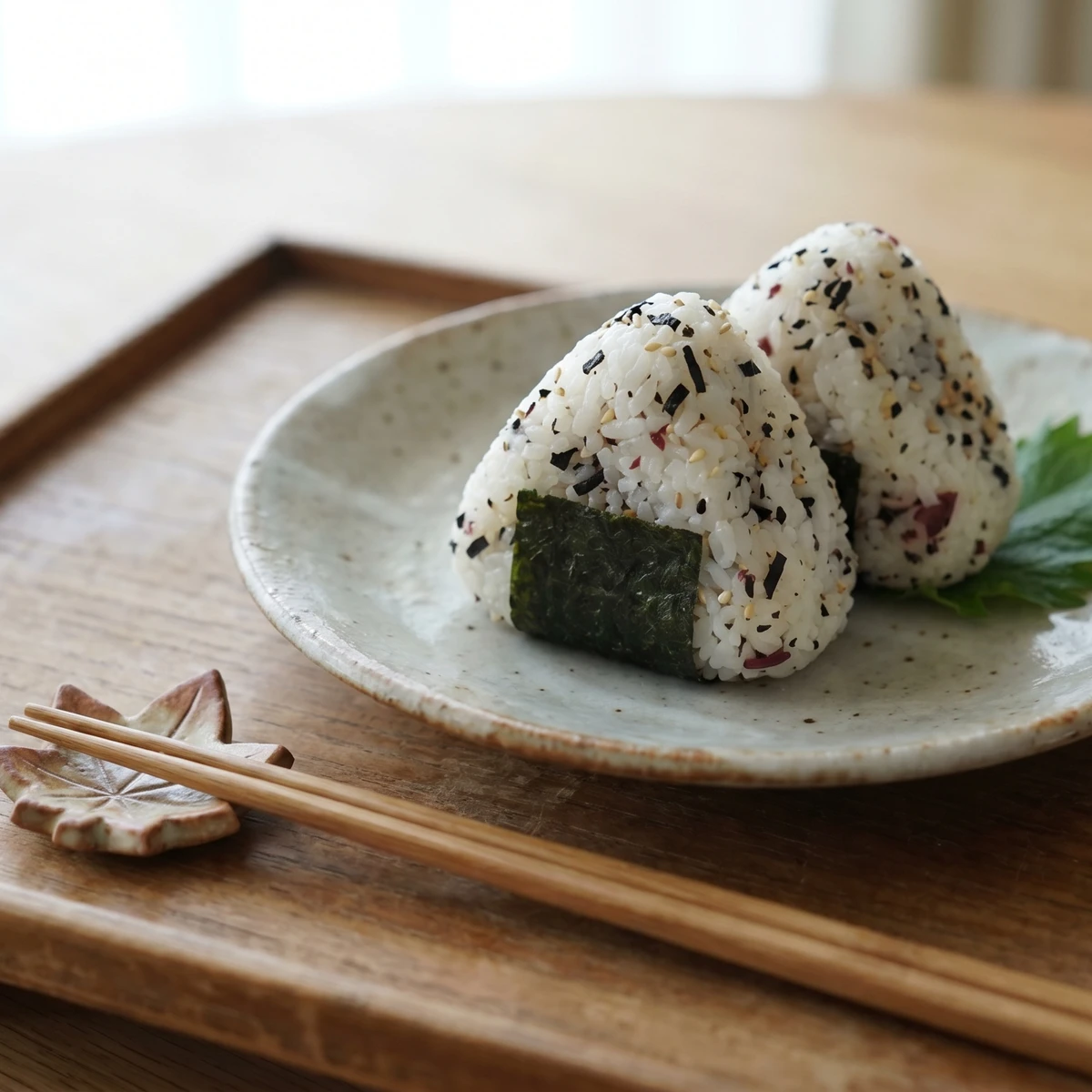
Furikake Onigiri (ふりかけおにぎり, seasoned rice balls)
Created by Chef Takumi
Onigiri asks for warm rice, clean hands, and just enough pressure. Mix the furikake through while the grains are hot, and every bite carries the seasoning evenly.
Onigiri looks like a small matter, which is why it teaches so much. Rice, salt, a little furikake, and your two hands. Nothing is hidden in the center here. The seasoning runs through the grain, so each bite tastes honest from edge to middle.
The one detail that decides it is warmth. Mix furikake into freshly cooked rice while the grains are still hot and glossy, because warm rice takes seasoning evenly and clings to itself without becoming paste. Wait too long and the grains cool, stiffen, and ask you to squeeze harder. That is when a rice ball becomes a brick, a sad promotion for no one.
Shape with wet, salted hands. The water keeps rice from sticking to your palms, and the salt seasons the outside lightly while helping the surface stay clean. Press just enough to make the triangle hold. We are not building a wall. Onigiri belongs to the quick meal, the lunch box, the picnic cloth, the small hunger between errands. Its virtue is plainness, and plainness leaves no room for careless rice.
Ingredients
Japanese short-grain rice
Quantity
2 cups uncooked
water
Quantity
2 1/4 cups
or to your rice cooker's line
furikake
Quantity
3 tablespoons
plus more to taste
| Ingredient | Quantity |
|---|---|
| Japanese short-grain rice | 2 cups uncooked |
| wateror to your rice cooker's line | 2 1/4 cups |
| furikakeplus more to taste | 3 tablespoons |
Where cooking meets culture.
Culinary guides, cultural storytelling, and the editorial depth that makes cooking meaningful.
Discover Culinary Explorer