Chef Joost
Aardbeienvlaai (Limburg Strawberry Vlaai)
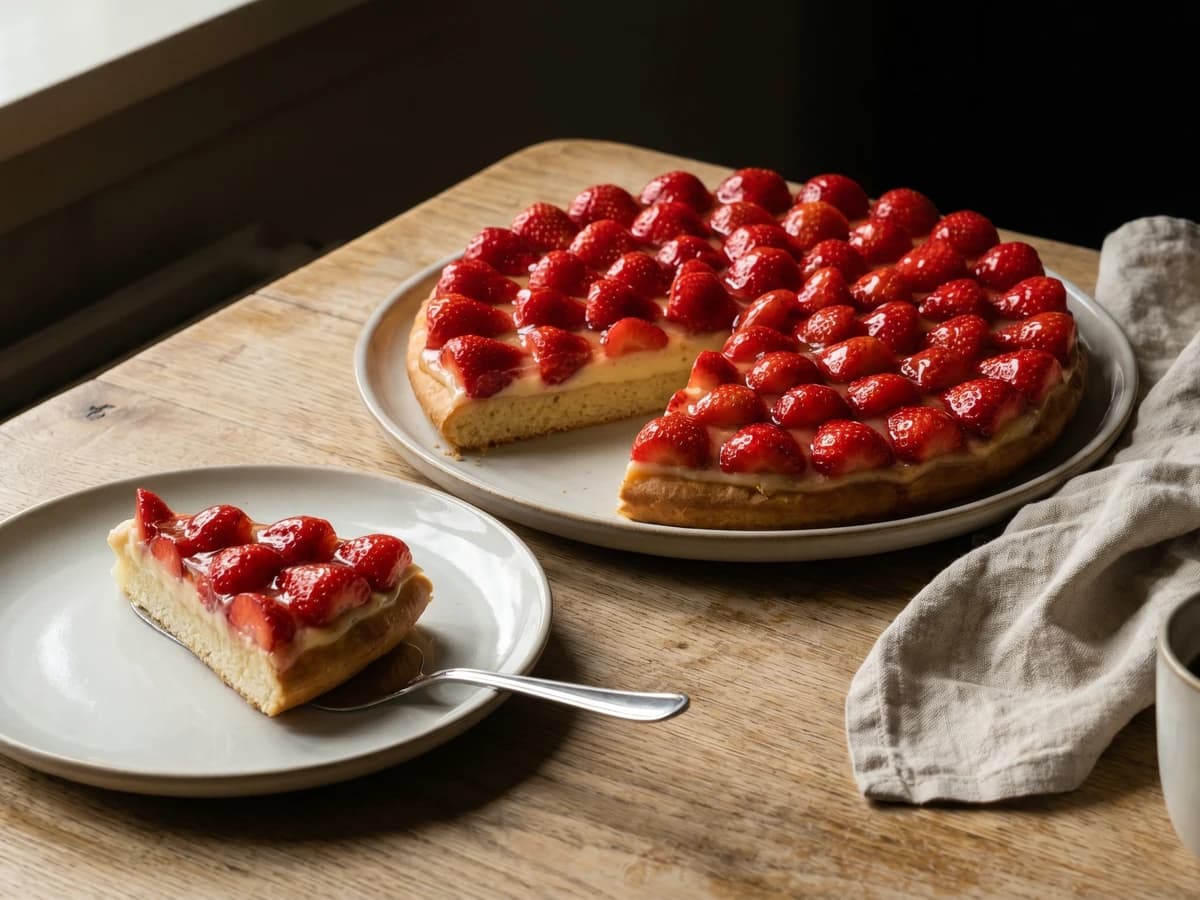
The summer vlaai that politely breaks Limburg's baked-fruit rule: soft gistdeeg, cool pastry cream, and strawberries left fresh because June knows better than the oven.
A cooking platform built around craft, culture, and the stories behind what we eat.

Created by
The name means little thumbs, and the biscuit keeps its promise: small, nutty, spiced, and pressed by hand, Friesland's coffee-table secret in one crisp bite.
The first time I ate Fryske dúmkes in Friesland, I was told not to admire them too much. This is always a useful warning in the north. The biscuit was short, brown at the edges, full of chopped hazelnuts, and scented with anise, ginger, and cinnamon, the kind of spice mixture that reminds you Dutch thrift never meant Dutch plainness. Exuberant cookery in a frugal country, again, hiding in a tin beside the coffee.
The name already tells you the whole joke. Dúmke is Frisian for little thumb, because the old way was to press each small piece of dough with a thumb before baking. Not a decoration. A signature. Friesland has always kept its own language close, and here it keeps it in butter, flour, nuts, and spice, which is a method I respect.
But let me tell you a secret: these are not fancy cookies, and they suffer when treated as if they are. The dough wants cold butter, a short rest, rough chopped hazelnuts, and a firm little press. Hou het altijd simpel, always keep it simple. Bake them until the edges darken and the middle stays tawny; the biscuit should snap cleanly, then turn sandy and nutty under your teeth. Put them in a tin. Make coffee. Friesland has arrived.
Fryske dúmkes belong to Friesland's regional biscuit tradition and take their name from the Frisian dúmke, little thumb, referring to the thumbprint once pressed into each piece of dough before baking. Their flavour reflects the Dutch spice trade as it settled into ordinary household baking: cinnamon and ginger beside northern European anise and locally familiar hazelnuts. By the nineteenth and twentieth centuries they were established as a Frisian coffee-table biscuit, sold by bakers and kept at home in tins for winter visits and feast days.
Quantity
200g
Quantity
125g
cold and diced
Quantity
125g
Quantity
1
Quantity
75g
toasted and roughly chopped
Quantity
1 teaspoon
lightly crushed
Quantity
1 teaspoon
Quantity
1/2 teaspoon
Quantity
1/4 teaspoon
Quantity
1 tablespoon
| Ingredient | Quantity |
|---|---|
| plain flour | 200g |
| unsalted buttercold and diced | 125g |
| dark brown basterdsuiker or light muscovado sugar | 125g |
| egg yolk | 1 |
| hazelnutstoasted and roughly chopped | 75g |
| aniseedlightly crushed | 1 teaspoon |
| ground cinnamon | 1 teaspoon |
| ground ginger | 1/2 teaspoon |
| fine sea salt | 1/4 teaspoon |
| milk (optional) | 1 tablespoon |
Toast the hazelnuts in a dry pan for three to five minutes, shaking often, until they smell warm and nutty. Rub off any loose skins in a clean towel, then chop them roughly. Do not turn them into dust; a dúmke should have little knobbles of nut under the teeth.
Mix the flour, sugar, cinnamon, ginger, aniseed, and salt in a bowl. Rub in the cold diced butter with your fingertips until the mixture looks like coarse crumbs, then stir in the egg yolk and chopped hazelnuts. Press the dough together with your hands; add the milk only if it refuses to gather.
Pat the dough into a flat block, wrap it, and chill for at least one hour. This is not fussiness. Cold dough keeps the butter firm, gives the flour time to drink, and lets the spices settle into the sugar so the finished biscuit tastes like one thing rather than a committee.
Heat the oven to 180C and line a baking tray with parchment. Cut or pinch the dough into small pieces, about 12g each, and shape them into short thumb-sized ovals. Lay them on the tray with a little space between them, then press each one gently with your thumb. The mark should be visible, not dramatic; Friesland is not asking for theatre.
Bake for 12 to 15 minutes, until the edges are a deeper brown and the tops are dry and tawny. Let the cookies firm on the tray for five minutes, then move them to a rack. They crisp as they cool, which is why stealing one too early teaches patience in the most direct possible way.
1 serving (about 14g)
Culinary guides, cultural storytelling, and the editorial depth that makes cooking meaningful.
Discover Culinary ExplorerChef Joost
The summer vlaai that politely breaks Limburg's baked-fruit rule: soft gistdeeg, cool pastry cream, and strawberries left fresh because June knows better than the oven.

Chef Joost
A Limburg vlaai is not a pie trying to be grand. It is a thin yeast-dough round, fruit-bright and generous, made for birthdays, coffee, and second slices.

Chef Joost
The December bakery counter made small: cold leafed pastry wrapped around lemon-scented amandelspijs, brushed gold, and scattered with almonds so one person gets the whole holiday in both hands.
Chef Joost
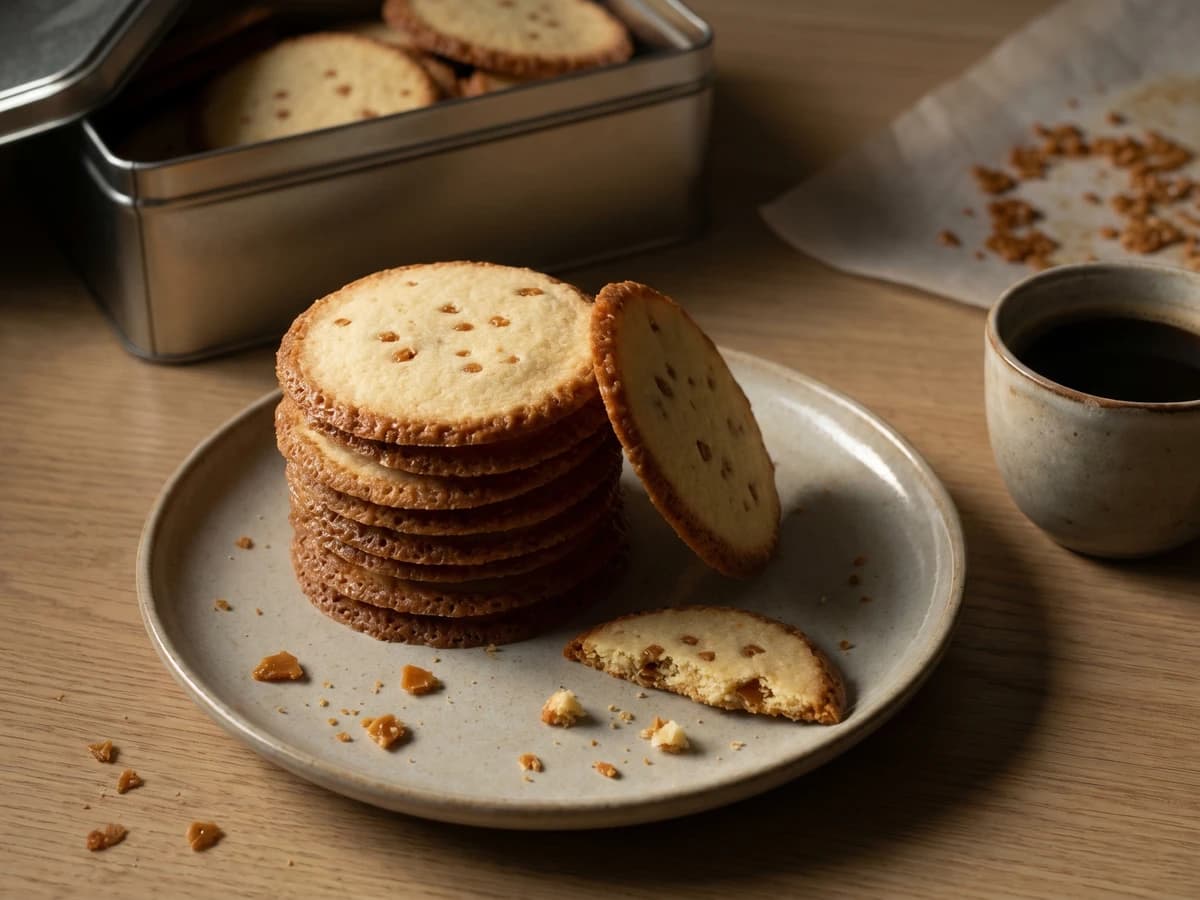
A thin Amsterdam cookie carrying a cog ship in its name: caramelized butter dough, almond nougatine, and a 1934 contest that turned municipal pride into something for coffee.