Chef Isabel
Acedías Fritas de Cádiz
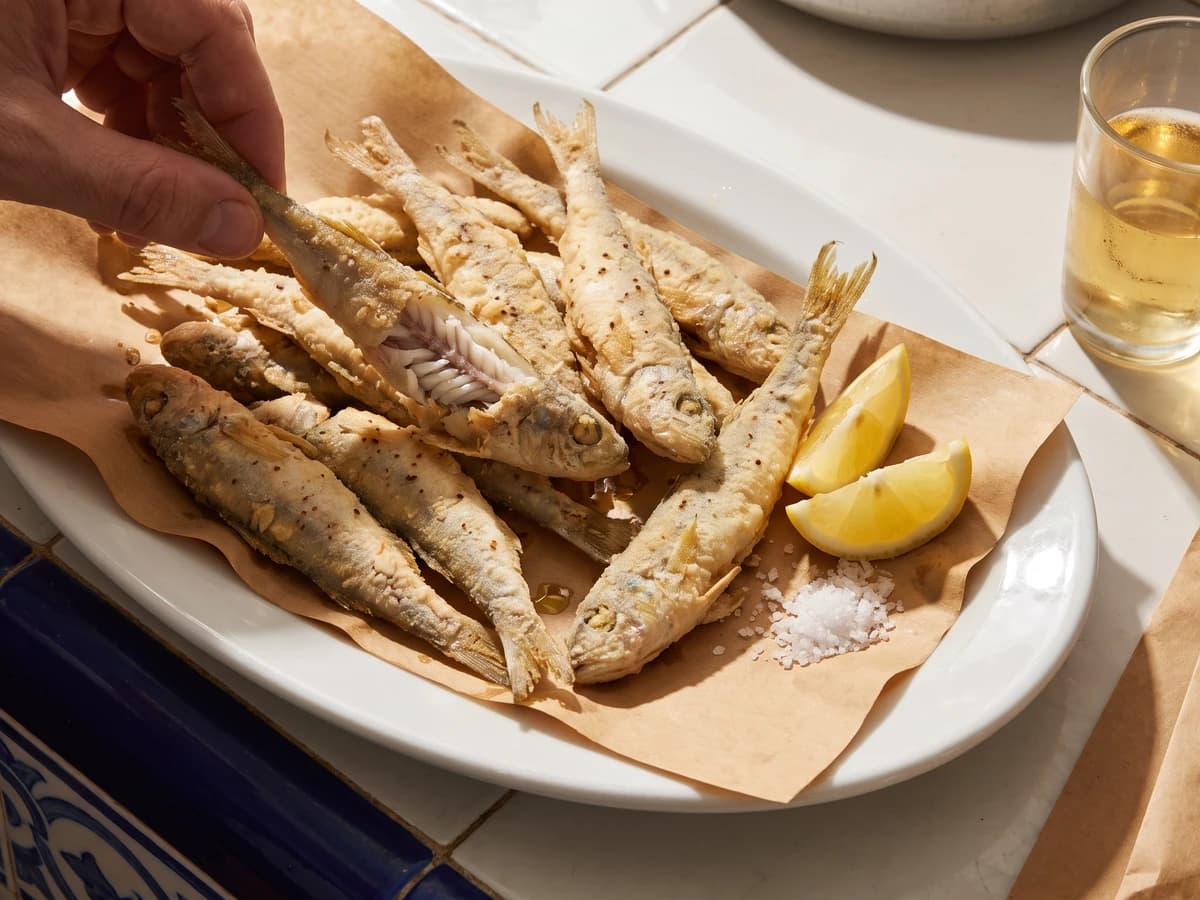
Acedías fritas belong to Cádiz: tiny wedge sole, salted, dusted in frying flour, and dropped into very hot olive oil so the rims crisp while the fish stays tender.
A cooking platform built around craft, culture, and the stories behind what we eat.
Created by
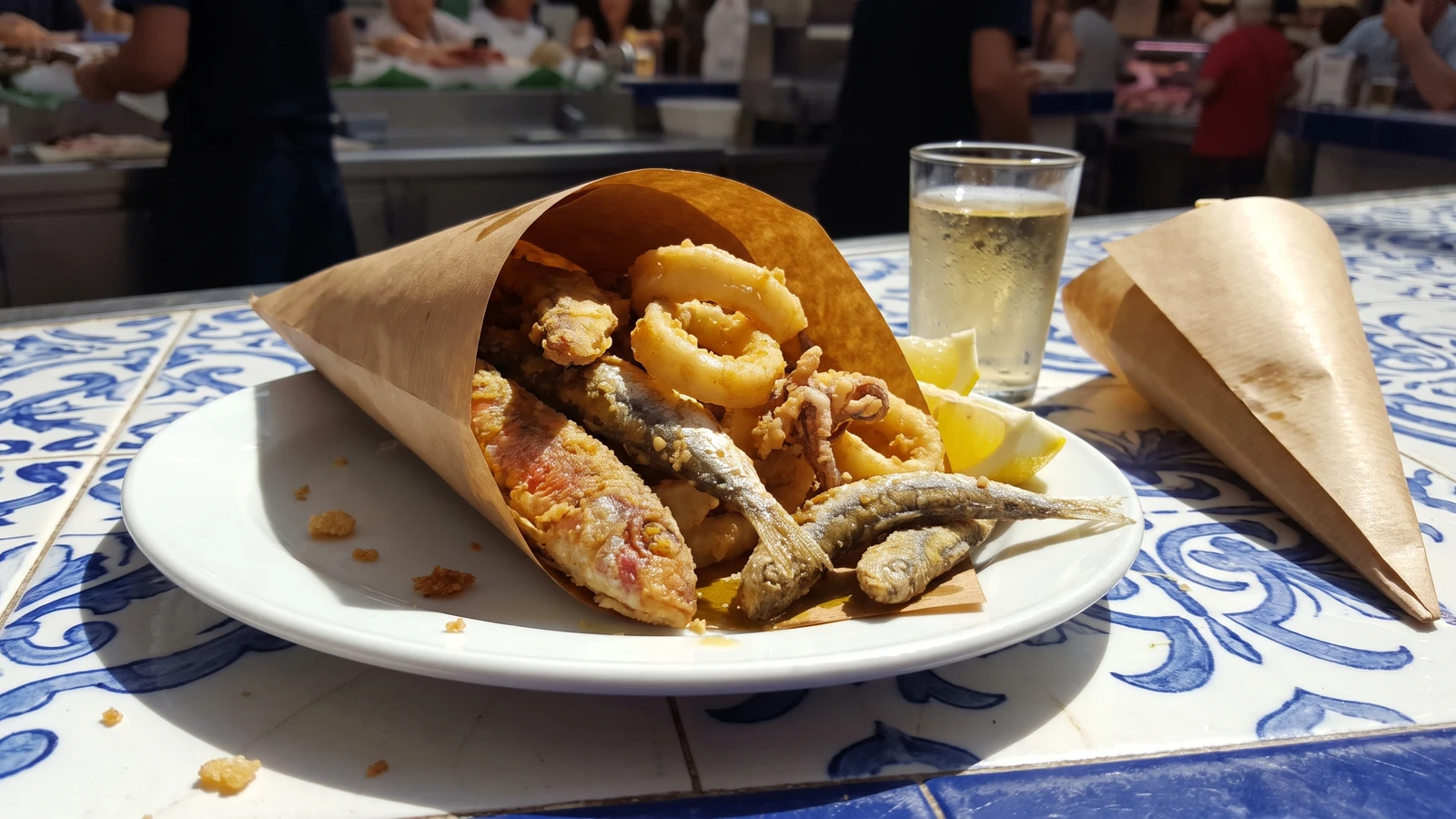
Fritura malagueña is Málaga in a paper cone: tiny fresh fish, squid, and red mullet, barely floured, fried fiercely in small tandas, and eaten before the crispness has time to soften.
Fritura malagueña is Málaga's mixed fish fry, Andalucía with the sea right at its elbow: boquerones, salmonetes, squid, and whatever small fish came in bright that morning, dusted in frying flour and sent straight into hot olive oil. What makes it Málaga is not a sauce or a trick. It is the market catch, the light flour, and the speed: a paper cone of little fish that crackle at the edge and still taste clean underneath.
The method that decides it is dryness and heat. Pat the fish dry, salt it, flour it just before frying, then shake off more flour than feels reasonable. Fry in small tandas, small batches, so the oil stays around 185C and the flour sets at once instead of turning to paste. Crowding the pan gives you limp fish and a sulky cook. Don't do that to yourself.
If you're far from Málaga, no hace falta haber pisado España. Use the freshest small fish where you are: smelt, small sardines, whiting, or tiny cleaned squid. Red mullet is lovely if you can find it, but don't chase tired fish for the name. The flavor will be less Mediterranean if the catch is different, claro, but keep the fish small, dry, and hot-fried, and it comes out. Siempre sale, si lo sigues.
Fritura malagueña belongs to the Andalusian coast around Málaga, where the daily market catch of small Mediterranean fish was cooked fast in olive oil and sold by freidurías in paper cones. Málaga's boquerón is so tied to the city that malagueños themselves are nicknamed boquerones. The mix changes with the catch, but the rule stays fixed: small fish, light flour, hot clean oil, and no heavy batter hiding what the sea gave.
Quantity
350g
heads and guts removed
Quantity
300g
scaled and gutted
Quantity
300g
cleaned, cut into rings if large
Quantity
250g
cleaned
Quantity
10g
Quantity
250g
or 175g all-purpose flour mixed with 75g fine semolina
Quantity
1.2L
or enough for 4-5cm depth
Quantity
2
cut into wedges
| Ingredient | Quantity |
|---|---|
| fresh boquerones (small anchovies)heads and guts removed | 350g |
| small salmonetes (red mullet)scaled and gutted | 300g |
| small squid or calamaritoscleaned, cut into rings if large | 300g |
| small whiting, smelt, or other small frying fishcleaned | 250g |
| fine sea salt | 10g |
| harina para freír pescadoor 175g all-purpose flour mixed with 75g fine semolina | 250g |
| mild olive oilor enough for 4-5cm depth | 1.2L |
| lemons (optional)cut into wedges | 2 |
Keep the fish cold while you work. Rinse only if needed, then drain very well and pat every piece dry with kitchen paper, especially the squid. Sprinkle with the 10g salt, leave on a rack for 10 minutes, then pat dry again. Salt pulls moisture to the surface, and surface water is what makes frying oil spit and flour turn pasty.
Pour the olive oil into a wide, heavy pan, no more than half full, and heat it to 185C. Set a rack or a tray lined with clean brown paper nearby, and have your paper cones or serving plate ready. The fish cooks in minutes, so the table needs to be ready before the first batch goes in.
Put the frying flour in a wide dish. Take only one small handful of fish at a time, toss it through the flour, then lift it into a sieve and shake hard. The fish should look dusty, not buried. Flour everything ahead and it goes damp while it waits, and then you have glue, not a crust.
Lower the floured fish into the hot oil in small tandas, small batches, leaving space around each piece. Fry squid for 1 1/2 to 2 minutes, boquerones for 2 to 3 minutes, small whiting or smelt for 2 to 3 minutes, and salmonetes for 3 to 4 minutes, depending on size. The coating should be pale gold and dry to the touch, never dark brown.
Lift each batch out with a spider or slotted spoon and drain on the rack or paper. Let the oil climb back to 185C before the next batch. This pause is not fussiness; it is the difference between crisp fish and oily fish. Pésalo, no lo adivines, and measure the heat too if you're new to frying.
Pile the fritura into a paper cone or a shallow plate as the batches come out, with lemon wedges alongside. Do not cover it, and do not make it wait under a lid. A squeeze of lemon is welcome, but don't drown the fish. Eat it hot, while the edges still crackle.
1 serving (about 300g)
Culinary guides, cultural storytelling, and the editorial depth that makes cooking meaningful.
Discover Culinary ExplorerChef Isabel
Acedías fritas belong to Cádiz: tiny wedge sole, salted, dusted in frying flour, and dropped into very hot olive oil so the rims crisp while the fish stays tender.
Chef Isabel
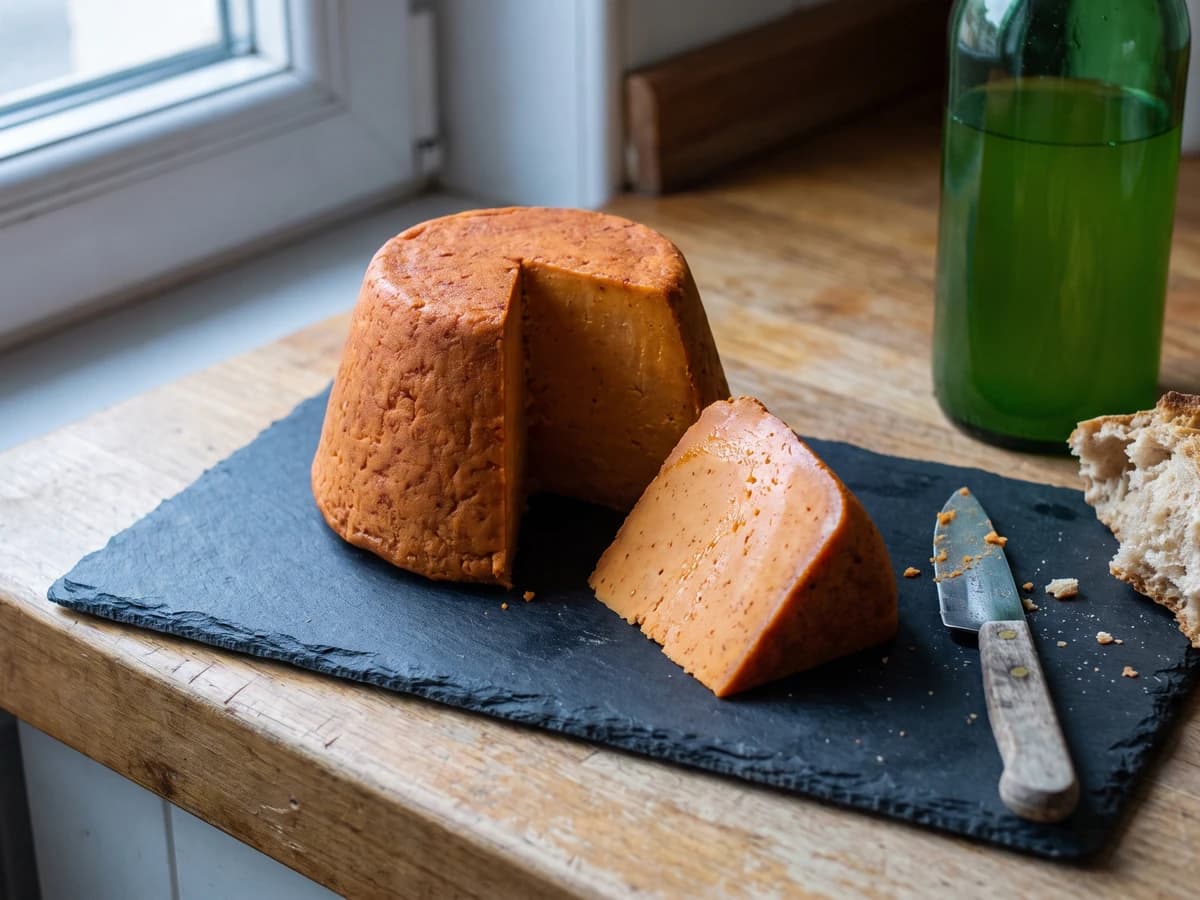
Afuega'l Pitu Roxu is Asturias in a small cheese: cow's milk set slowly to a dense curd, drained without squeezing, then kneaded with pimentón until it turns orange and grips the throat.
Chef Isabel
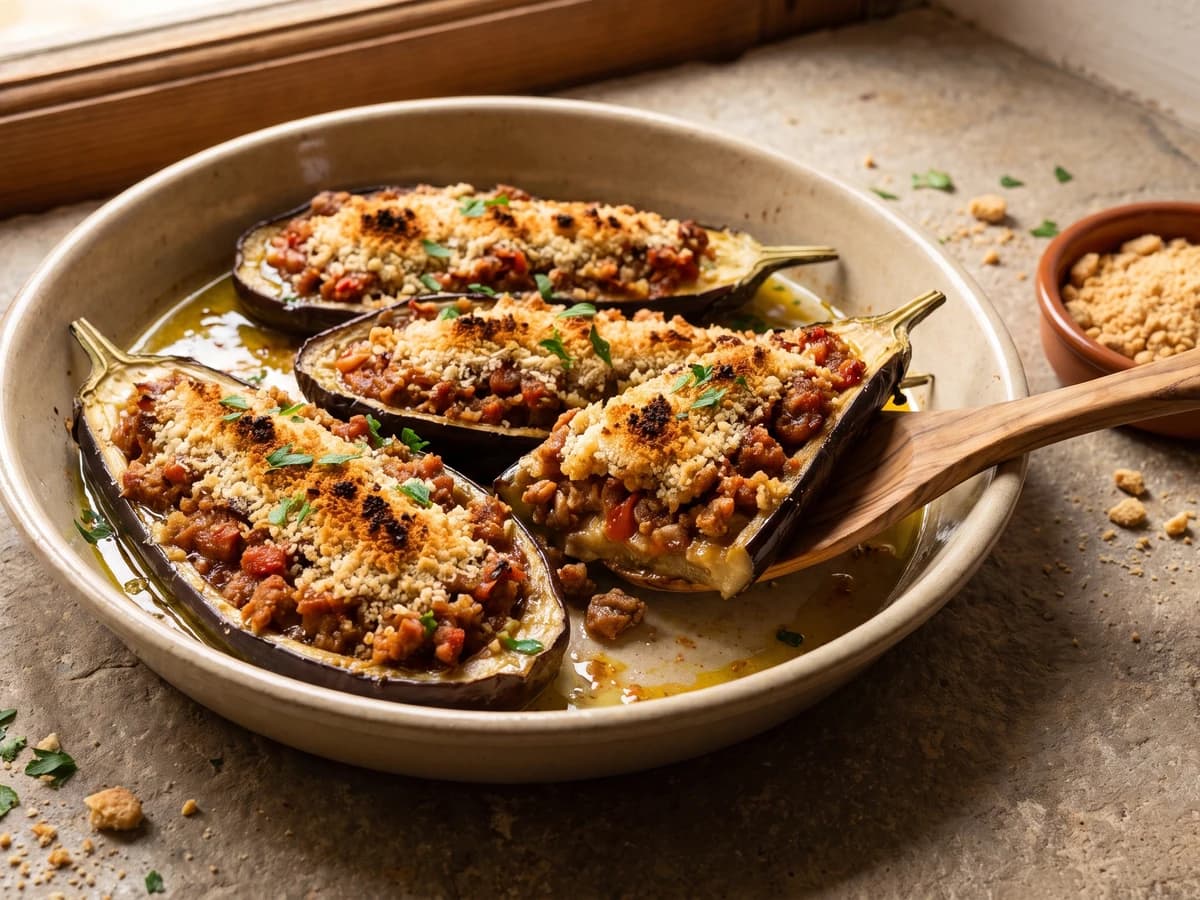
Albergínies farcides are Mallorca's summer stuffed aubergines: tender boiled shells, a slow pork sofrito with moraduix, and a plain breadcrumb cap baked until the top turns crisp and golden.

Chef Isabel
Carxofes farcides are Catalan stuffed artichokes: tender hearts filled with jamón, slow sweet onion, and breadcrumbs, then baked in a light creamy sauce until the tops turn golden.