Chef Graziella
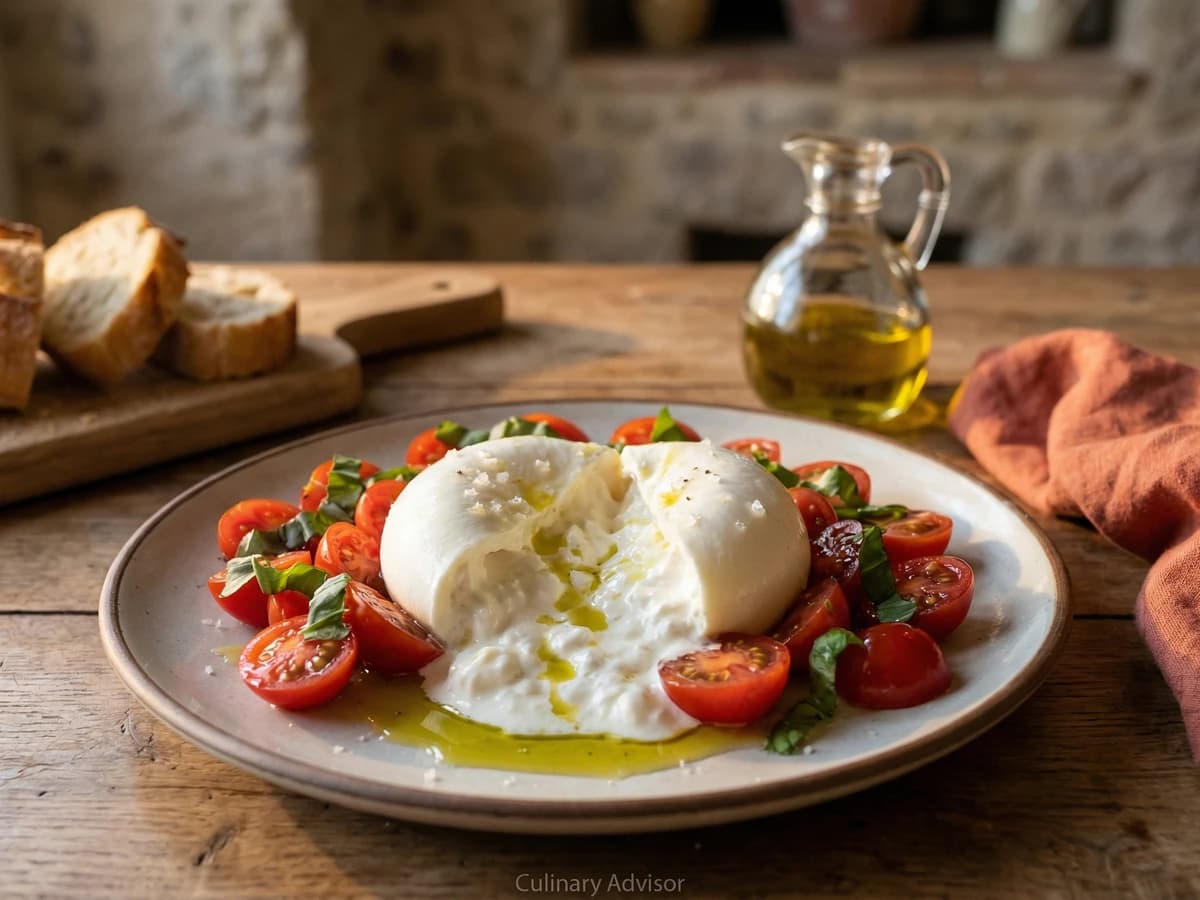
Burrata con Pomodorini e Basilico
Puglia's gift to the table: a pillow of fresh mozzarella concealing a heart of cream, surrounded by ripe tomatoes and basil. Three ingredients. No cooking. No forgiveness for mediocrity.
A cooking platform built around craft, culture, and the stories behind what we eat.
Created by
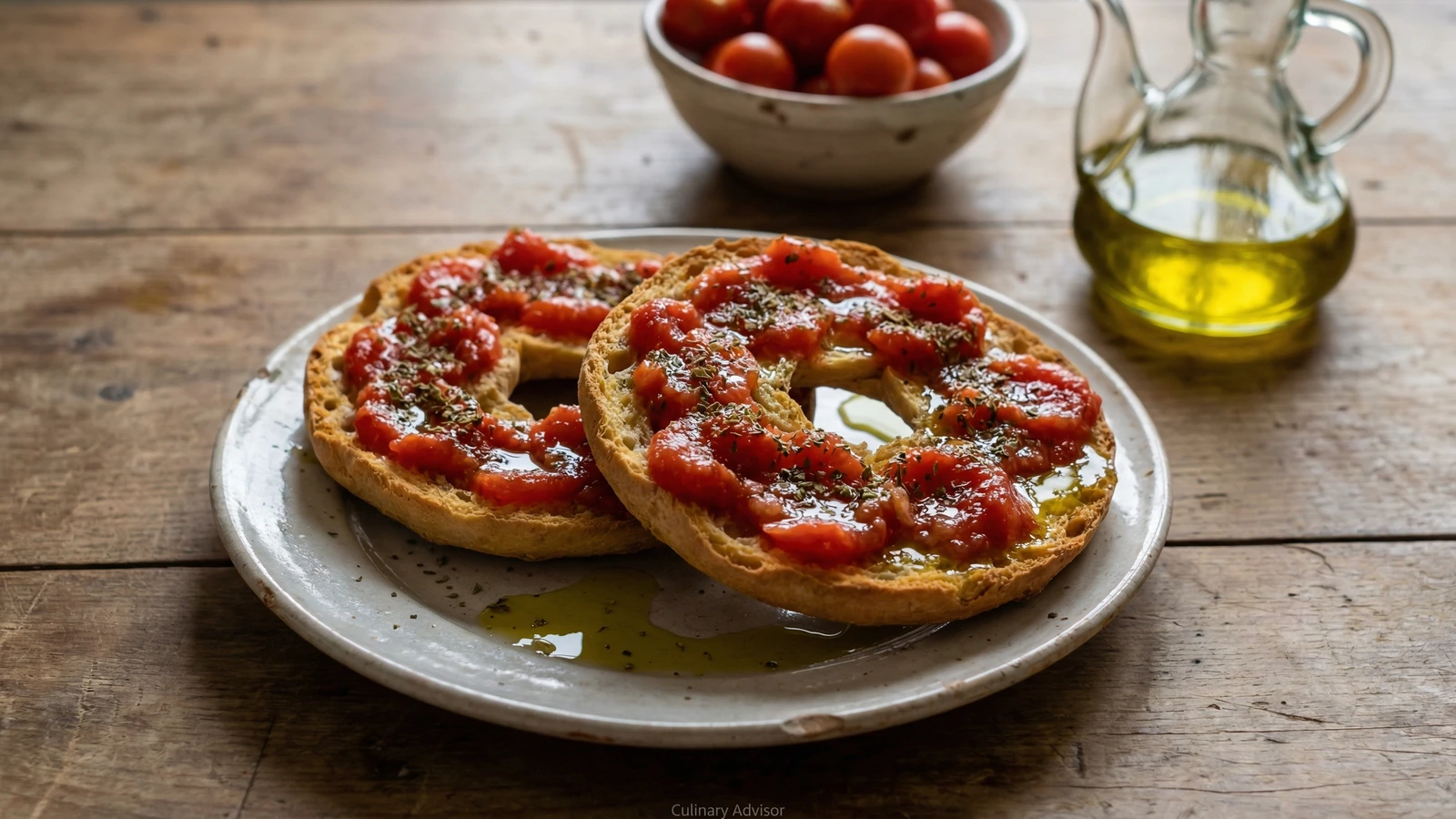
The twice-baked bread of Puglia, rock-hard until water brings it back to life, then crowned with nothing more than ripe tomatoes, dried oregano, and the region's magnificent olive oil.
Friselle are survival food. They were baked twice to drive out every trace of moisture, then stored for months in the pantries of Pugliese farmers, shepherds, and fishermen. When hunger called, water brought them back to life. This is not romantic. This is practical. This is how people ate when refrigeration did not exist and fresh bread was a luxury.
The genius of friselle lies in their texture after hydration. They should be softened but not soggy, with enough structure to hold the tomatoes without collapsing into mush. You dip them briefly, you do not drown them. The rough, porous surface catches the tomato juices and olive oil in ways that smooth bread never could.
What goes on top requires restraint that Americans find difficult. Ripe tomatoes, crushed or diced. Dried oregano, not fresh. Salt. And olive oil, the magnificent oil of Puglia, which produces more of it than any other region in Italy. That is all. No balsamic. No mozzarella. No basil. What you keep out is as significant as what you put in.
Friselle trace their lineage to ancient Greece and Rome, where twice-baked breads sustained soldiers and sailors on long campaigns. Puglia adopted the tradition centuries ago, and the bread became essential to the diet of peasant farmers who worked far from home. The barley version, made when wheat was scarce, was considered food for the poor, though today it commands higher prices than its wheat counterpart.
Quantity
4
wheat, barley, or mixed
Quantity
1 pound
at room temperature
Quantity
1 teaspoon
Quantity
1/4 cup
preferably Pugliese
Quantity
to taste
Quantity
1 small
| Ingredient | Quantity |
|---|---|
| frisellewheat, barley, or mixed | 4 |
| ripe tomatoesat room temperature | 1 pound |
| dried oregano | 1 teaspoon |
| extra virgin olive oilpreferably Pugliese | 1/4 cup |
| fine sea salt | to taste |
| garlic clove (optional) | 1 small |
Cut the tomatoes in half and grate them on the large holes of a box grater, discarding the skins. Or dice them fine if you prefer a chunkier texture. Season with salt and half the oregano. Let the tomatoes sit for 10 minutes while you prepare the friselle. The salt draws out the juices you will need.
Fill a shallow bowl with cold water. Dip each frisella, rough side down, into the water. Hold it submerged for 10 to 15 seconds, no longer. The bread should absorb water and soften but remain firm enough to hold. Press gently on the surface. It should yield slightly but not collapse. If too hard, dip again for 5 seconds. If too soft, you have ruined it and must start with another.
If you want garlic, and this is optional, cut the clove in half and rub it lightly over the rough surface of each softened frisella. One pass. Two at most. The garlic should whisper, not shout. The unbalanced use of garlic is the single greatest cause of failure in would-be Italian cooking.
Spoon the seasoned tomatoes generously over each frisella, including the juices. The rough surface will absorb them. Drizzle olive oil over the top with a free hand. Do not measure. Be generous. Scatter the remaining oregano and finish with another pinch of salt.
Friselle must be eaten within minutes of assembly. The bread continues to absorb liquid and will become soggy if left to sit. Place them on plates and bring them to the table at once. This is not food that waits for anyone.
1 serving (about 175g)
Culinary guides, cultural storytelling, and the editorial depth that makes cooking meaningful.
Discover Culinary ExplorerChef Graziella
Puglia's gift to the table: a pillow of fresh mozzarella concealing a heart of cream, surrounded by ripe tomatoes and basil. Three ingredients. No cooking. No forgiveness for mediocrity.
Chef Graziella
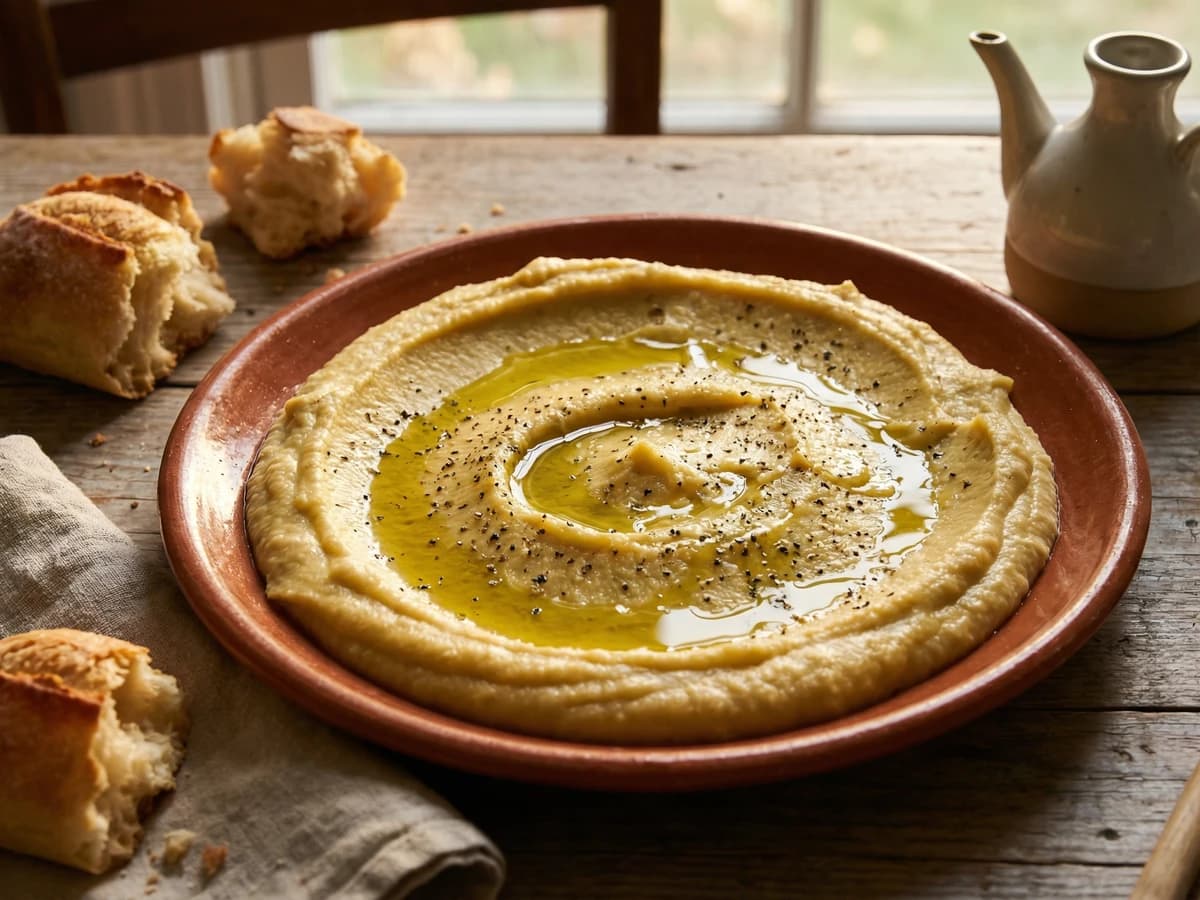
The ancient puree of Puglia, where dried fava beans become velvet through slow cooking and generous olive oil. Peasant food that proves poverty creates genius.

Chef Graziella
The fried dough pockets of Puglia, filled with nothing but good tomato and stretchy mozzarella, then dropped into hot oil until blistered and golden. Street food that proves restraint creates addiction.

Chef Juliette
Tiny éperlans, lightly floured and fried until their tails stand crisp, arrive in a generous heap on a napkin with fried parsley and grooved lemon, a weeknight lesson in heat and restraint.