
Chef Juliana
Açaí com Camarão do Pará
You think açaí belongs with banana and granola because that's the version that traveled. In Pará, thick unsweetened açaí sits beside shrimp, rice, and farinha. Anota aí: same fruit, different meal.
A cooking platform built around craft, culture, and the stories behind what we eat.
Created by
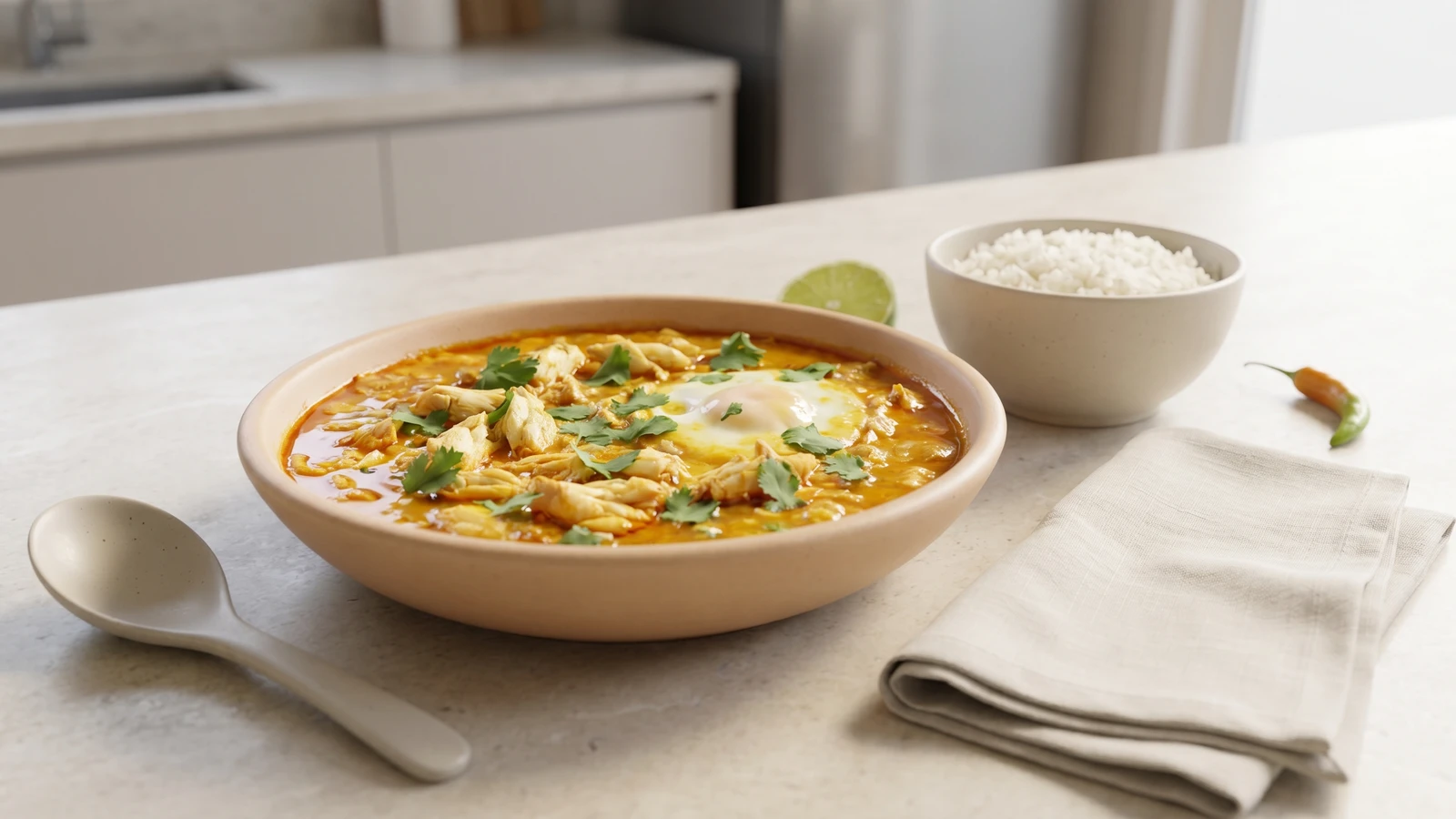
You think crab in dendê sounds like restaurant business. It isn't. It's a refogado, good siri catado, full-fat coconut milk, and the nerve to trust the pan.
You see siri catado, dendê, coconut milk, and that little voice starts: isso não é pra mim. I know the voice. Mine used to say it in front of onions. Then I burned the onions, wrote the steps down, burned fewer onions, and learned the thing nobody is born knowing: cozinhar não é dom, é um aprendizado.
This is comida de verdade with a party dress, but still food for the table. Put it beside arroz soltinho, feijão, and something green, and the pê-efe suddenly looks like Bahia came to lunch. Not fancy. Not unreachable. Just the everyday plate with the sea and dendê doing their work.
The method is plain: refogue onion in real azeite de dendê until it softens and smells sweet, add garlic and aromatics so they wake up without burning, fold in the crab gently so it stays in pieces, then give it full-fat coconut milk so the sauce turns glossy and round. Dendê is non-negotiable here. Refined palm oil is not dendê, and red oil made with annatto is not dendê either. Anota aí, because this dish knows the difference.
I write this as a home version, with respect for the Bahian cooks, the baianas, and the terreiro kitchens that carry this grammar far better than I ever could. A gente can learn the pan without pretending to own the lineage. That is how you cook with respect: name the people, follow the method, and don't turn tradition into decoration.
Frigideiras in Bahia are shallow seafood preparations set in a pan with eggs, descended from Portuguese egg-bound dishes and reshaped in the Afro-Bahian kitchen with dendê, coconut milk, coentro, and seafood. Siri catado, picked crab meat, is common along the Bahian coast and often appears in Friday lunches, bar food, and home tables with rice, beans, farofa, and greens. The dendê, dried shrimp, peanuts, and cashews belong to the Yoruba-Jeje flavor grammar that also runs through vatapá, caruru, xinxim, and efó, with Candomblé foodways as historical context, not a prop.
Quantity
1 1/2 pounds
checked carefully for bits of shell
Quantity
2 tablespoons
Quantity
1 teaspoon, divided, plus more to taste
Quantity
3 tablespoons
Quantity
1 tablespoon
only if the pan looks dry
Quantity
1 large
finely chopped
Quantity
1/2
finely chopped
Quantity
1/2
finely chopped
Quantity
3 cloves
minced
Quantity
1 small
seeded and chopped
Quantity
1/2 cup
Quantity
2 tablespoons
peeled and finely ground
Quantity
2 tablespoons
finely ground
Quantity
2 tablespoons
finely ground
Quantity
1/2 teaspoon minced or 1 teaspoon sauce
Quantity
1/2 cup
chopped, divided
Quantity
3 large
Quantity
2 tablespoons
for loosening the eggs
Quantity
2 tablespoons
for a light topping
| Ingredient | Quantity |
|---|---|
| picked crab meat (siri catado)checked carefully for bits of shell | 1 1/2 pounds |
| fresh lime juice | 2 tablespoons |
| fine salt | 1 teaspoon, divided, plus more to taste |
| azeite de dendê | 3 tablespoons |
| neutral oil (optional)only if the pan looks dry | 1 tablespoon |
| onionfinely chopped | 1 large |
| red bell pepperfinely chopped | 1/2 |
| green bell pepperfinely chopped | 1/2 |
| garlicminced | 3 cloves |
| tomatoseeded and chopped | 1 small |
| full-fat coconut milk | 1/2 cup |
| dried shrimp (camarão seco) (optional)peeled and finely ground | 2 tablespoons |
| roasted peanutsfinely ground | 2 tablespoons |
| roasted cashewsfinely ground | 2 tablespoons |
| fresh malagueta or malagueta sauce (optional) | 1/2 teaspoon minced or 1 teaspoon sauce |
| fresh cilantro (coentro)chopped, divided | 1/2 cup |
| eggs | 3 large |
| coconut milk or waterfor loosening the eggs | 2 tablespoons |
| farinha de mandioca or fine breadcrumbs (optional)for a light topping | 2 tablespoons |
Spread the siri catado on a plate and run your fingers through it, pulling out any tiny shell pieces. Season with the lime juice and 1/2 teaspoon of the salt, then let it sit while you chop. The lime wakes up the crab and the short rest seasons it gently, but don't leave it sitting for an hour or you'll start curing the meat instead of cooking dinner.
Grind the dried shrimp, peanuts, and cashews until fine, using a pilão, spice grinder, or food processor. You want sandy crumbs, not a paste. This mixture thickens the sauce and brings the Bahian flavor underneath the crab, so it should disappear into the pan, not sit there in hard little bits.
Warm the dendê in a 10-inch oven-safe skillet, shallow panela de barro, or heavy pot over medium heat. Add the onion and bell peppers and cook, stirring often, until they murchar, soften, and smell sweet, about 6 minutes. This is where flavor starts, so don't rush to the crab while the onion still tastes raw.
Add the garlic and cook for 1 minute, just until you can smell it. Add the tomato and cook until it collapses and the liquid looks glossy, about 3 minutes. Garlic burns fast in hot fat, and burnt garlic is bitter enough to boss the whole pan around, so keep it moving.
Stir in the ground shrimp, peanuts, and cashews, then pour in the full-fat coconut milk. Cook for 2 to 3 minutes, until the sauce looks thicker and orange, with small red beads of dendê at the edge. Full-fat coconut milk gives the sauce body; the thin version waters it down and makes the pan taste shy.
Add the crab and fold gently with a spoon until every piece is coated. Cook for 3 to 4 minutes, just until the crab is hot and the sauce holds together. Don't beat it to death. Siri catado is already delicate, and rough stirring turns sweet crab into stringy filling.
Stir in the malagueta, if using, and half the coentro. Taste before adding the remaining salt, because dried shrimp can be salty and crab changes from batch to batch. The filling should taste rich, bright, and a little peppery, not salty first.
Heat the oven to 200°C (400°F). Beat the eggs with 2 tablespoons coconut milk or water and a pinch of salt, then pour them evenly over the crab. Scatter the farinha or breadcrumbs if you want a faint crust. Bake until the top is set and lightly golden at the edges, about 10 to 12 minutes. The eggs are there to hold the frigideira together, not to turn it into a dry omelet, so pull it when the center no longer sloshes.
Let the pan rest for 5 minutes, then scatter the remaining coentro over the top. Serve with arroz branco soltinho, feijão, couve refogada, farofa, lime, and malagueta on the side. That's the plate: rice, beans, crab, green. A country doesn't stay itself on slogans. It stays itself at lunch.
1 serving (about 340g)
Culinary guides, cultural storytelling, and the editorial depth that makes cooking meaningful.
Discover Culinary ExplorerChef Juliana
You think açaí belongs with banana and granola because that's the version that traveled. In Pará, thick unsweetened açaí sits beside shrimp, rice, and farinha. Anota aí: same fruit, different meal.

Chef Juliana
You think savory açaí is not for you. I understand. Then you taste the cold, dark bowl beside hot fried fish, rice, greens, and farinha, and dinner gets very quiet.

Chef Juliana
You think salted beef and rice sound like trouble. Anota aí: soak the charque, brown it properly, build the refogado, and this one pot resolves dinner.

Chef Juliana
You think a Maranhão green rice belongs to somebody else's clever hands. It doesn't. Wilt the vinagreira, build the refogado, fold it through arroz soltinho, and dinner gets bright, coastal, and yours.