
Chef Takumi
Agedashi Tofu (揚げ出し豆腐)
Agedashi tofu looks like a fryer test. It is only drained tofu, potato starch, clean oil, and a hot dashi broth waiting nearby.
A cooking platform built around craft, culture, and the stories behind what we eat.
Created by
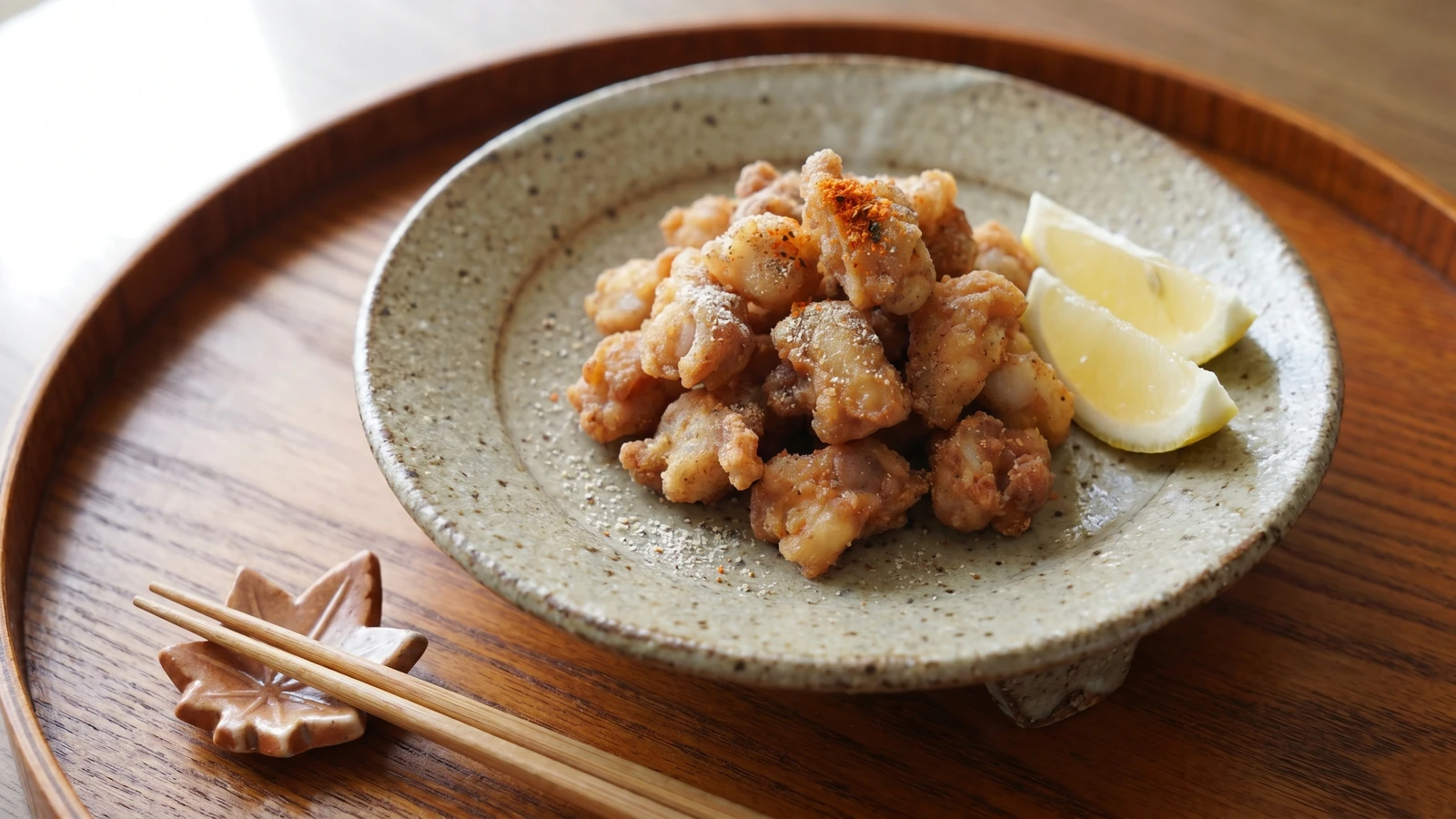
Nankotsu no karaage asks only for good cartilage, a short seasoning, potato starch, and hot oil. The bite should be crisp outside, springy inside, and clean enough for lemon.
Chicken cartilage makes some cooks pause. Good. A little pause keeps the hands honest. Nankotsu isn't strange once you know what you're eating: small pieces of chicken knee cartilage with a little meat clinging to them, fried until the outside crisps and the center keeps its firm, cheerful crunch.
The one detail that decides it is dryness. Season the cartilage briefly, drain it well, then coat it in katakuriko, potato starch, just before frying. If the pieces go into the oil wet, the coating turns heavy and the oil sulks. If they go in dry and lightly dusted, the starch tightens fast and gives the nankotsu that clean izakaya crackle people pretend is complicated.
This is not a sauced dish. We finish it with salt, pepper, and lemon because the pleasure is the cartilage itself: nothing hidden, no heavy sweetness pasted over the fry. Serve it as otsumami, a small thing for drinking, or as the loudest little plate in a meal. Leave it room on the dish. Even a bar snack deserves ma.
Karaage, written 唐揚げ, originally meant a Chinese-style method of frying without a heavy batter, and the word was in use in Japan by the Edo period before settling into its modern association with seasoned fried chicken. Nankotsu no karaage became a familiar izakaya item in the twentieth century, especially as yakitori shops and drinking houses made better use of small chicken parts that home cooks often ignored. The dish is usually made with hiza nankotsu, knee cartilage, though some shops use yagen nankotsu, the softer breastbone cartilage.
Quantity
400g
thawed if frozen
Quantity
1 tablespoon
Quantity
1 tablespoon
Quantity
1 teaspoon
grated
Quantity
1 small clove
grated
Quantity
1/4 teaspoon, plus more for finishing
Quantity
1/4 teaspoon, plus more for finishing
Quantity
1/2 cup, plus more as needed
Quantity
as needed
Quantity
for serving
Quantity
for serving
| Ingredient | Quantity |
|---|---|
| chicken knee cartilage (hiza nankotsu)thawed if frozen | 400g |
| sake | 1 tablespoon |
| shoyu (soy sauce) | 1 tablespoon |
| gingergrated | 1 teaspoon |
| garlicgrated | 1 small clove |
| fine sea salt | 1/4 teaspoon, plus more for finishing |
| freshly ground white pepper | 1/4 teaspoon, plus more for finishing |
| katakuriko (potato starch) | 1/2 cup, plus more as needed |
| neutral frying oil | as needed |
| lemon wedges | for serving |
| shichimi togarashi (optional) | for serving |
Look over the nankotsu and trim away any loose ragged bits, but leave the small pieces of meat attached. They brown well and make the bite more generous. Pat everything very dry with paper towels, because surface water fights the starch and makes the oil spit.
Toss the cartilage with the sake, shoyu, ginger, garlic, salt, and white pepper. Leave it for 15 minutes, no longer than 30. The seasoning should touch the surface and scent the meat, not soak the cartilage until it tastes salty all the way through.
Drain off the marinade and blot the pieces again. Toss with katakuriko until every piece is lightly coated, then shake off the extra. A thin, dry coat fries crisp; a thick damp coat turns pasty before it ever has a chance.
Heat the oil to 170 C. Fry the cartilage in small batches for 3 to 4 minutes, stirring once or twice so the pieces don't cling together. The coating should turn pale gold and feel firm when lifted. Keep the batches small, because crowded oil cools down and gives you heaviness instead of crunch.
Lift the fried nankotsu to a rack and let it rest for 2 minutes. This pause is not idleness. Heat finishes moving through the small pieces, and the surface dries a little so the second fry can crisp it instead of merely cooking it.
Raise the oil to 185 C and return the pieces for 30 to 60 seconds, just until the coating deepens to a clean golden brown and sounds dry against the strainer. Pull them before the meat darkens too much. The cartilage should stay springy, not hard.
While hot, season lightly with salt and white pepper. Pile the nankotsu in an odd-numbered mound on a small plate, set lemon wedges to one side, and add shichimi if you like a little heat. Eat it at once, before the coating softens. Fried food is honest about time.
1 serving (about 120g)
Culinary guides, cultural storytelling, and the editorial depth that makes cooking meaningful.
Discover Culinary ExplorerChef Takumi
Agedashi tofu looks like a fryer test. It is only drained tofu, potato starch, clean oil, and a hot dashi broth waiting nearby.

Chef Takumi
Aspara-bacon is late-spring asparagus treated with common sense: thin bacon, hot grill, and a last brush of shōyu and mirin so the spear stays sweet while the wrap crisps.

Chef Takumi
This is Osaka street food at its plainest and best: good beef cut small, a thin batter, fine panko, hot beef tallow, and one clean dip in sauce.

Chef Takumi
Buta-bara is not a trick of the grill. Good pork belly, even cutting, steady heat, and the patience to let the fat turn glossy do most of the work.