
Chef Ally
Blackberry Lemonade
Sun-warmed blackberries crushed with sugar and stirred into hand-squeezed lemonade, the color of late summer twilight, best drunk on a porch with nowhere to be.
A cooking platform built around craft, culture, and the stories behind what we eat.
Created by
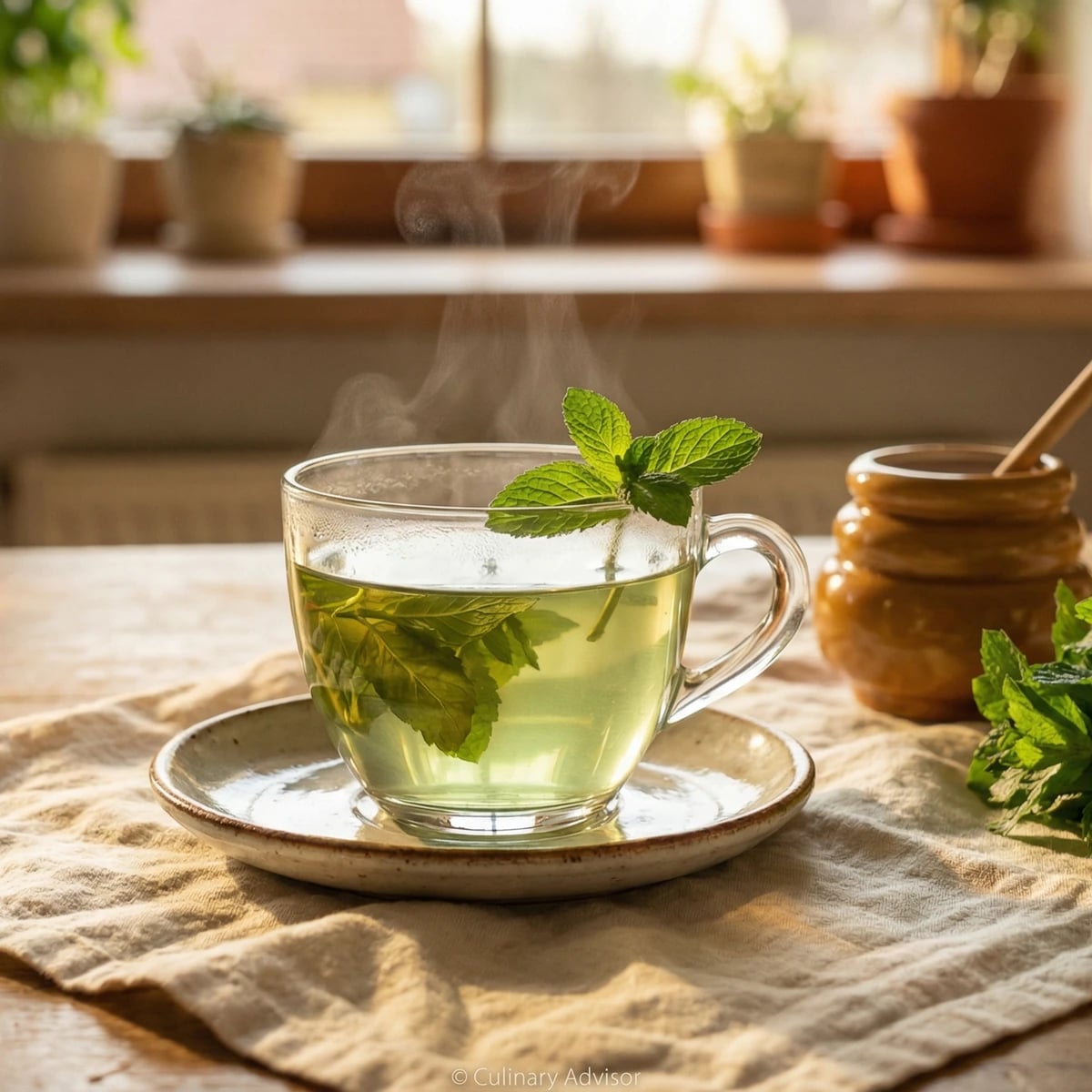
Mint snipped moments before steeping, its oils still alive and fragrant, turned into a cup of tea so bright and clean it reminds you why fresh herbs exist in the first place.
Start with the mint. Not dried leaves from a tin that has sat in your cabinet for two years, but living mint, the kind that releases its scent the moment you brush against it. This is the whole recipe. Everything else is just hot water.
When I first understood what fresh mint could do, I was in a small village in Morocco, watching a man pour tea from height into tiny glasses. The mint came from a plant growing in a cracked pot by the door. He tore the leaves right before steeping. The tea tasted like a garden at dawn, cool and bright and impossibly alive.
Your choices shape the food system. Growing mint on a windowsill connects you to your food in a way that buying tea bags never can. The plant gives and gives, asking only for water and light. It spreads with the eagerness of something that wants to be used.
Quantity
1 large handful (20-25 leaves)
with tender stems
Quantity
2 cups
just off the boil
Quantity
1-2 teaspoons
Quantity
1 thin slice
| Ingredient | Quantity |
|---|---|
| fresh mintwith tender stems | 1 large handful (20-25 leaves) |
| filtered waterjust off the boil | 2 cups |
| raw local honey (optional) | 1-2 teaspoons |
| fresh lemon (optional) | 1 thin slice |
Walk to your garden, your windowsill pot, or the farmers' market stand where the mint looks alive. Snip the stems just above a leaf node. The leaves should be fragrant before you even crush them, releasing that cool, bright scent into the air. If they do not smell like much, they will not taste like much either.
Give the mint a gentle rinse under cool water and shake dry. Take the leaves and stems in your hands and roll them gently, pressing just enough to bruise the leaves without shredding them. You will smell the mint open up. That is when it is ready.
Bring your water to a boil, then let it rest for thirty seconds. Boiling water scorches delicate herbs and turns them bitter. You want heat that coaxes, not punishes. The water should be around 200 degrees, just below the violent rolling of a full boil.
Place the bruised mint in a teapot or heatproof pitcher. Pour the hot water over the leaves and watch them release their color, turning the water pale green, then deeper. Cover and steep for four to five minutes. Longer steeping intensifies the flavor but risks bitterness, so taste as you go.
Pour the tea through a small strainer into warmed cups, leaving the spent leaves behind. If you want sweetness, stir in a spoonful of raw honey while the tea is still hot. A thin slice of lemon brightens everything. But taste it first without additions. Perfect mint, steeped properly, needs almost nothing.
1 serving (about 240g)
Culinary guides, cultural storytelling, and the editorial depth that makes cooking meaningful.
Discover Culinary Explorer
Chef Ally
Sun-warmed blackberries crushed with sugar and stirred into hand-squeezed lemonade, the color of late summer twilight, best drunk on a porch with nowhere to be.

Chef Ally
The classic Italian aperitivo transformed by winter's most dramatic citrus, a ruby-hued drink that balances bitter Campari with the sweet-tart complexity of blood oranges at their peak.

Chef Ally
Green cardamom and rose water steep alongside freshly ground coffee, a fragrant cup that traces the ancient spice routes and turns an ordinary morning into something worth remembering.

Chef Ally
Golden chamomile blossoms steeped in quiet patience, sweetened with honey from bees you could almost name, and brightened with a squeeze of sun-warmed lemon. A cup that asks nothing of you but stillness.