Chef Isabel
Acedías Fritas de Cádiz
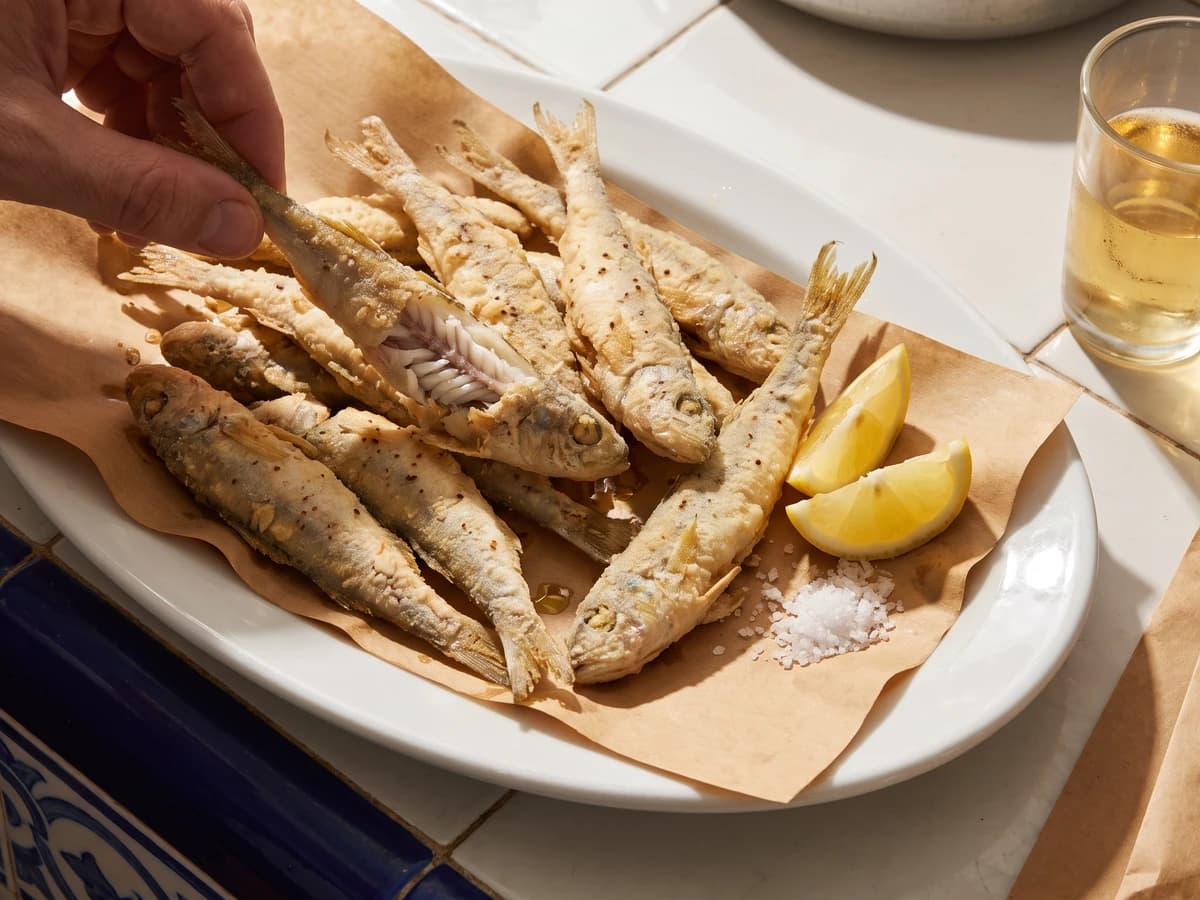
Acedías fritas belong to Cádiz: tiny wedge sole, salted, dusted in frying flour, and dropped into very hot olive oil so the rims crisp while the fish stays tender.
A cooking platform built around craft, culture, and the stories behind what we eat.
Created by
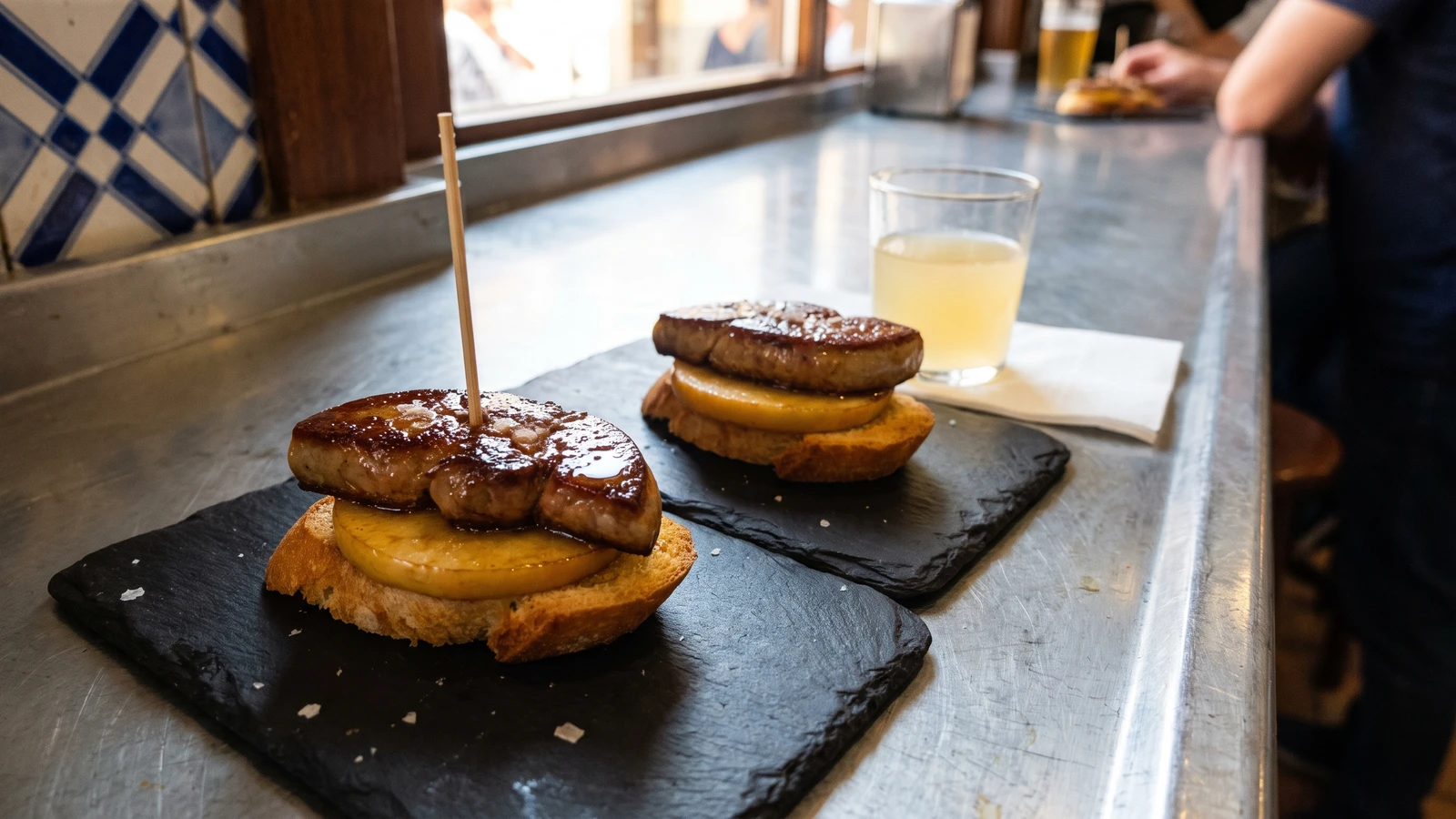
Foie a la plancha is Basque bar-counter food at its richest: thick slices of foie seared hard for seconds, set over apple, and eaten before the fat has time to run away.
Foie a la plancha is Basque, a pintxo from the Donostia bar counter and the Nueva Cocina Vasca, not an old farmhouse stew and not a sweet little canapé pretending to be grand. It is thick foie, a hot iron surface, apple underneath to catch the fat, and salt. That is enough.
The method that decides it is heat. The plancha must be properly hot before the foie touches it, because you need browning in seconds, not a slow melt into the pan. Cut the foie thick, chill it hard, dry it well, and sear it fast. If you stand there admiring it, you'll lose it. Foie has no patience for nerves.
If you can't find fresh whole foie gras where you are, buy good frozen raw escalopes from a serious butcher or specialty shop and thaw them overnight in the refrigerator. Don't use pâté, mousse, or torchon; those are already cooked or worked, and they won't sear into this pintxo. No hace falta haber pisado España. You need the right cut, a hot pan, and the discipline to stop on time. Siempre sale, si lo sigues.
Foie a la plancha belongs to the Basque Country's pintxo culture, especially the crowded bars of Donostia, where small bites are built for one or two mouthfuls but still demand proper cooking. The dish sits naturally with the Nueva Cocina Vasca, which brought restaurant precision to Basque market ingredients without cutting the tie to the bar counter. Apple is a Basque companion here for a reason: its acidity and sweetness cut the richness of foie, and cider country knows that balance well.
Quantity
400g
cut into 8 thick escalopes of about 50g each
Quantity
2, about 320g total
peeled, cored, cut into 8 thick slices
Quantity
20g
Quantity
10ml
Quantity
15ml
Quantity
4g
divided
Quantity
2g
Quantity
8
toasted
Quantity
to finish
| Ingredient | Quantity |
|---|---|
| raw fresh foie grascut into 8 thick escalopes of about 50g each | 400g |
| firm tart applespeeled, cored, cut into 8 thick slices | 2, about 320g total |
| unsalted butter | 20g |
| extra virgin olive oil | 10ml |
| Pedro Ximenez sherry or dry Basque cider | 15ml |
| fine saltdivided | 4g |
| freshly ground black pepper | 2g |
| small slices crusty breadtoasted | 8 |
| flaky sea salt | to finish |
Lay the foie escalopes on a tray lined with paper and chill them uncovered for 20 minutes. They should feel firm and cold before they hit the pan. Pat them dry, then season both sides with 2g fine salt and the black pepper. Pésalo, no lo adivines; too much salt makes this heavy fast.
Set a frying pan over medium heat and add the butter and olive oil. Cook the apple slices with the remaining 2g fine salt for 3 to 4 minutes per side, until golden at the edges and just tender, not collapsed. Add the Pedro Ximenez or cider and turn the slices once so they take on a light glaze. Keep them warm on the toasted bread.
Heat a plancha, cast-iron skillet, or heavy stainless pan over high heat until a drop of water skips and vanishes at once. Do not add oil. The foie carries its own fat, more than enough. Open a window if you need to; this is quick, rich cooking, not a quiet simmer.
Lay in the foie with space between the pieces and sear 25 to 35 seconds on the first side, until deeply browned. Turn once and sear 20 to 30 seconds more. The centre should still give softly when pressed. This is the whole dish: hard heat, short time. Longer cooking only melts your pintxo into the pan.
Lift the foie onto paper for 5 seconds, then set one piece on each apple-topped toast. Finish with a few grains of flaky sea salt and serve at once, while the browned outside still has a little crisp edge and the inside is soft. Tal como se hace allí, without fuss.
1 serving (about 95g)
Culinary guides, cultural storytelling, and the editorial depth that makes cooking meaningful.
Discover Culinary ExplorerChef Isabel
Acedías fritas belong to Cádiz: tiny wedge sole, salted, dusted in frying flour, and dropped into very hot olive oil so the rims crisp while the fish stays tender.
Chef Isabel
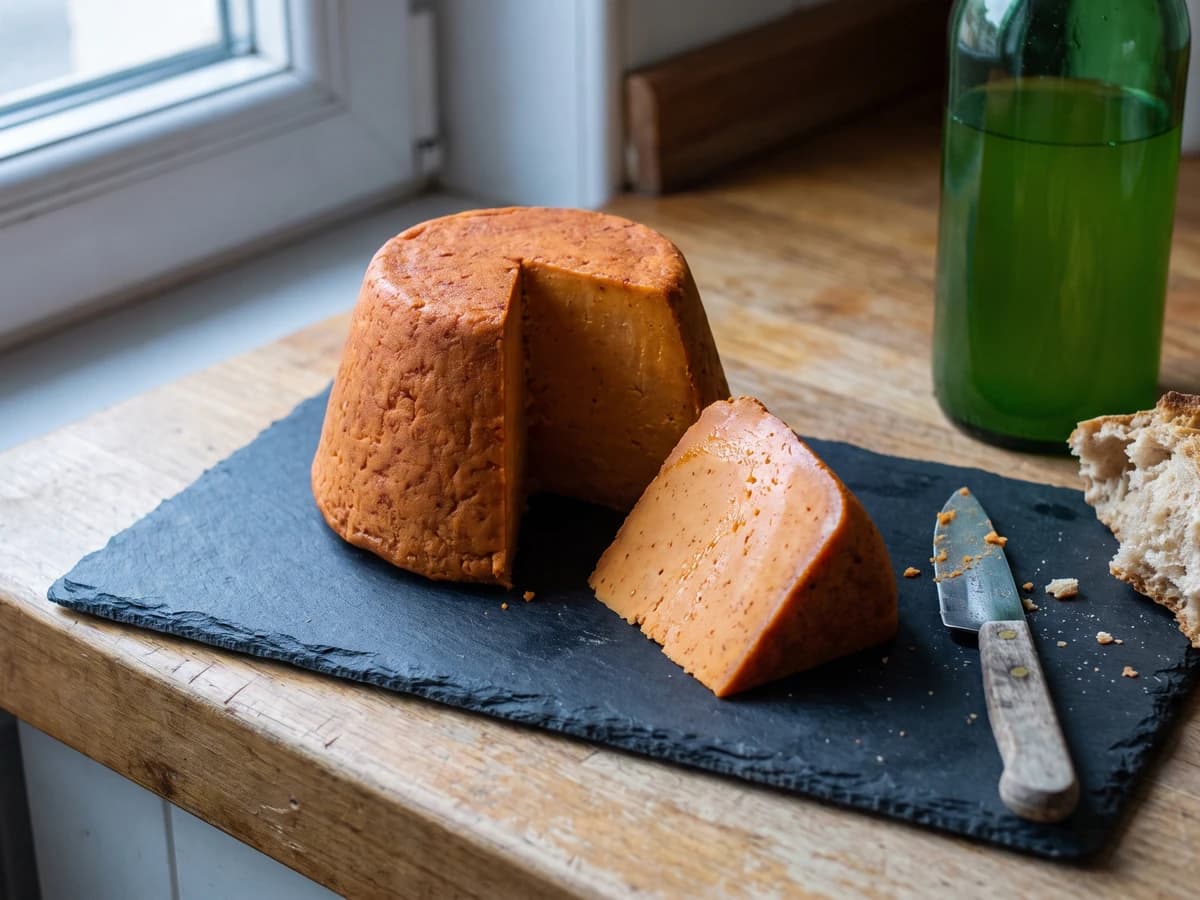
Afuega'l Pitu Roxu is Asturias in a small cheese: cow's milk set slowly to a dense curd, drained without squeezing, then kneaded with pimentón until it turns orange and grips the throat.
Chef Isabel
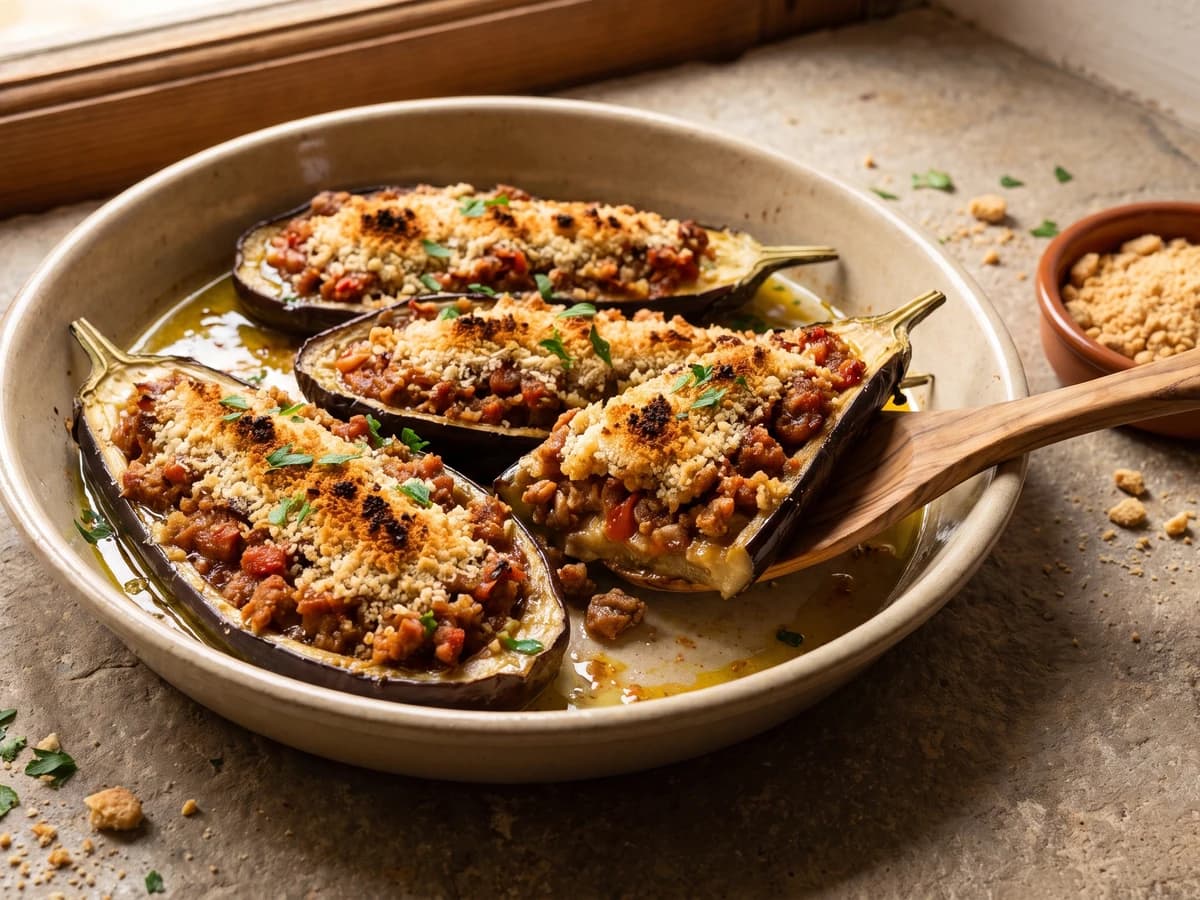
Albergínies farcides are Mallorca's summer stuffed aubergines: tender boiled shells, a slow pork sofrito with moraduix, and a plain breadcrumb cap baked until the top turns crisp and golden.

Chef Isabel
Carxofes farcides are Catalan stuffed artichokes: tender hearts filled with jamón, slow sweet onion, and breadcrumbs, then baked in a light creamy sauce until the tops turn golden.