Chef Juliana
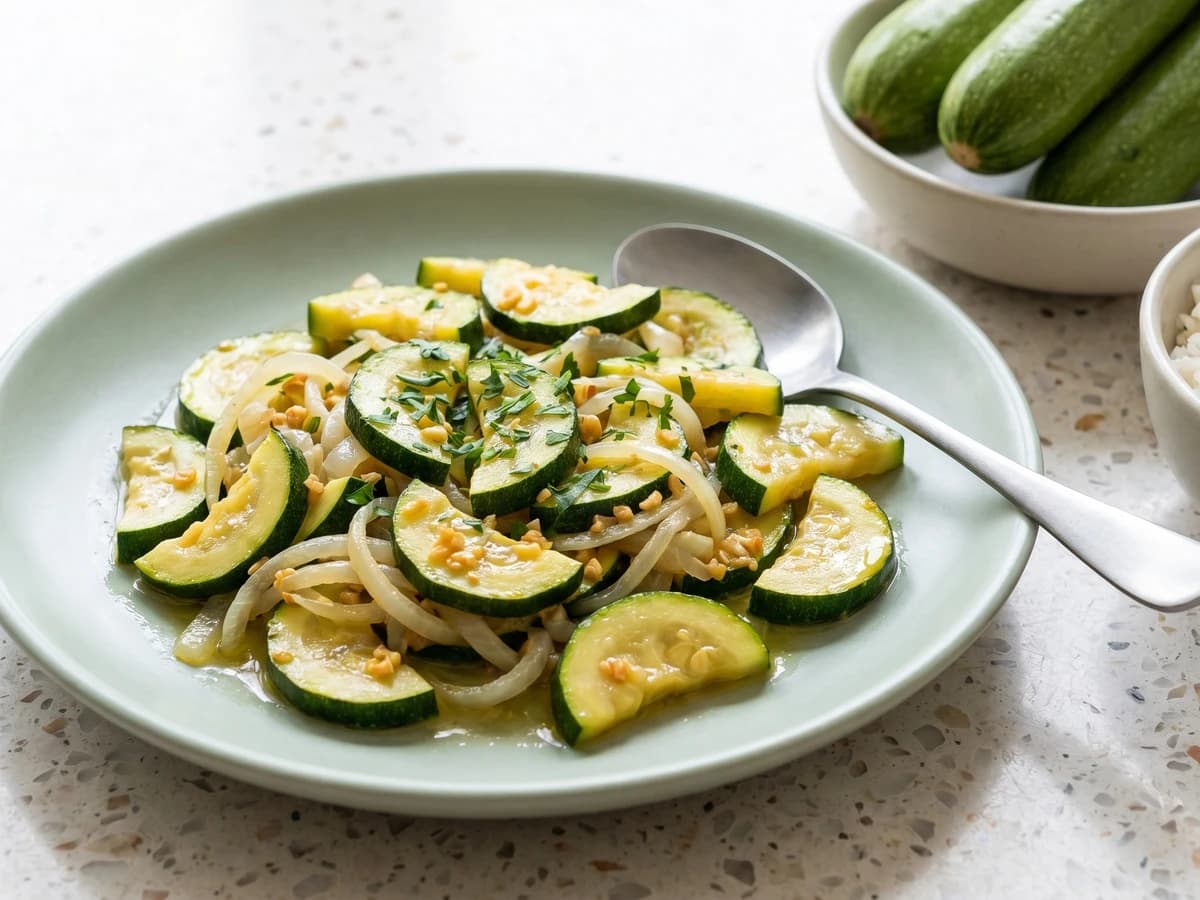
Abobrinha Refogada
You think you'll turn zucchini into mush. Fine. Anota aí: high heat, wide pan, salt at the end, and suddenly this little green side starts solving dinner.
A cooking platform built around craft, culture, and the stories behind what we eat.
Created by
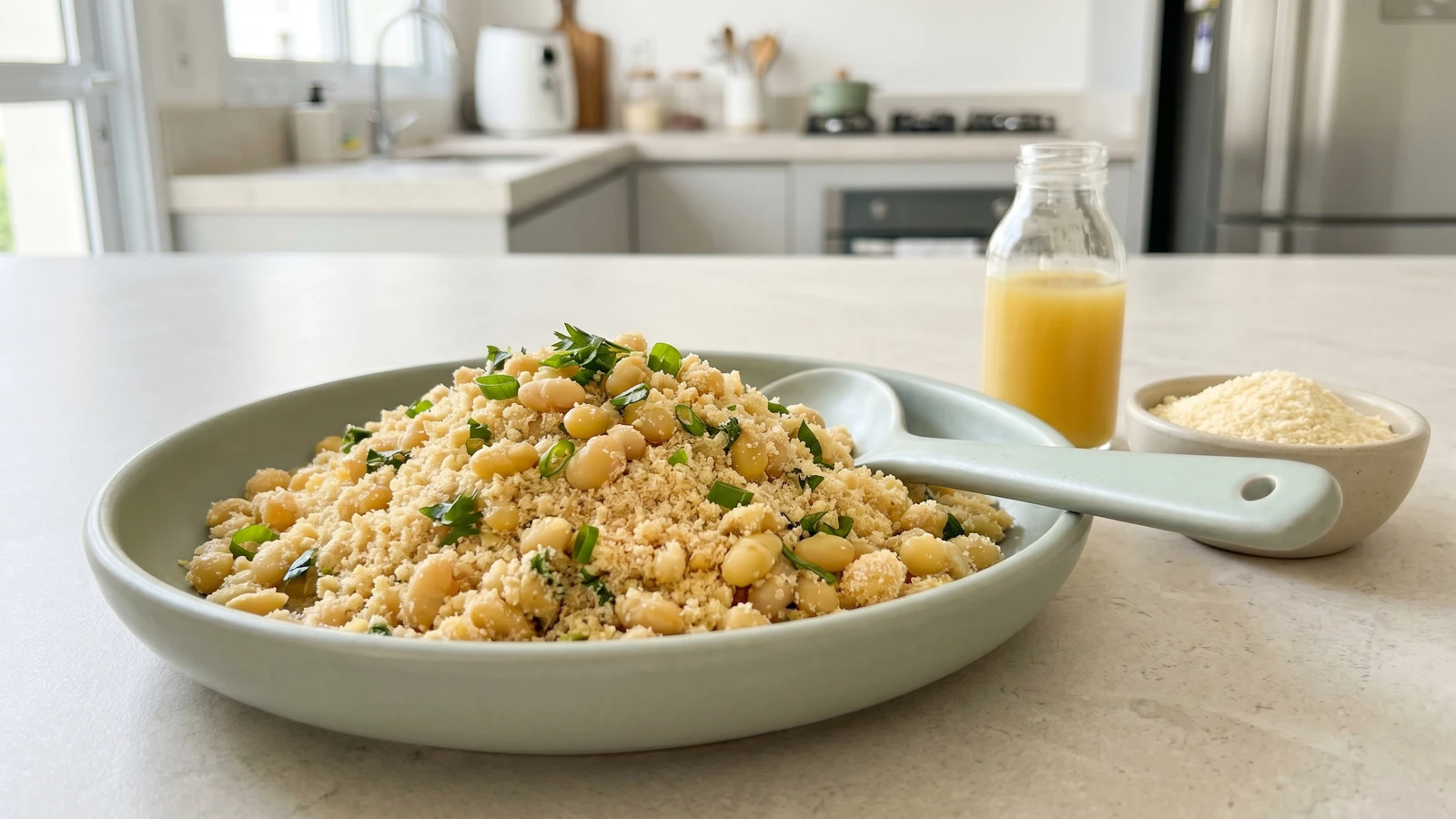
You think Amazonian flour and little manteiguinha beans sound like someone else's kitchen. They're not. Soak, refogar, toast, and you have farofa that turns rice, fish, and greens into dinner.
You see the bag on the shelf, farinha d'água, feijão manteiguinha, tucupi if you're lucky, and that little voice starts: isso não é pra mim. Anota aí: a bag is not a prophecy. It's an ingredient. You can read it, cook it, taste it, and learn what it does. Cozinhar não é dom, é um aprendizado, and nobody is born knowing the difference between farinha d'água and farinha seca. I learned plenty of things late, with a cheap notebook open and onions I had already mistreated. You're allowed to start now.
This farofa belongs beside the everyday plate, not above it. Rice, beans, a piece of fish, chicken, egg, or meat, something green, and then this: the coarse crunch of cassava flour, the creamy little beans, the green snap of coentro and cebolinha. That's pê-efe thinking. Not humble filler. Structure. The kind of comida de verdade that holds a table together without asking for applause.
The method is plain. Soak the beans so they cook evenly and sit easier. Build an honest refogado of onion and garlic in good fat. Mash a small ladle of cooked beans into it, because the mashed beans make a little caldo that grips the flour instead of leaving dry crumbs rolling around the pan. Toast the farinha so it smells nutty, then moisten it with real bottled tucupi or the bean caldo if Tuesday is being Tuesday. No packet, no powder pretending to be Pará.
By the end, you should have farofa that is crumbly but not dusty, moist but not wet, green with herbs and full of beans that still look like beans. Receitas que funcionam do this: they tell you what to watch for, not just what to obey.
Farinha d'água is a coarse cassava flour associated with the Amazon, especially Pará and Amazonas, made from cassava that is soaked, pressed, sieved, and toasted until the grains stay firm and crunchy. Feijão manteiguinha, often linked to Santarém and the lower Amazon, is a small pale bean prized because it cooks creamy without falling apart. Mosqueiro, Santarém Novo, Bragança, and Baniwa cooks carry their own flour traditions and local standards; this home version points to the structure and defers to those tables for the specifics.
Quantity
1 cup
soaked overnight
Quantity
5 cups, plus more as needed
Quantity
1
Quantity
1 1/2 teaspoons, divided, plus more to taste
Quantity
1/2 cup, plus 2 tablespoons more if needed
or use reserved bean cooking liquid
Quantity
2 cups
farinha de mandioca d'água, not starch
Quantity
3 tablespoons
Quantity
1 medium
finely chopped
Quantity
3 cloves
minced
Quantity
1 small
seeded and finely chopped
Quantity
1/2 teaspoon
Quantity
1/2 cup
chopped
Quantity
1/2 cup
sliced
| Ingredient | Quantity |
|---|---|
| dried feijão manteiguinhasoaked overnight | 1 cup |
| water | 5 cups, plus more as needed |
| bay leaf | 1 |
| salt | 1 1/2 teaspoons, divided, plus more to taste |
| bottled cooked tucupior use reserved bean cooking liquid | 1/2 cup, plus 2 tablespoons more if needed |
| coarse farinha d'águafarinha de mandioca d'água, not starch | 2 cups |
| neutral oil or mild olive oil | 3 tablespoons |
| onionfinely chopped | 1 medium |
| garlicminced | 3 cloves |
| pimenta-de-cheiro (optional)seeded and finely chopped | 1 small |
| freshly ground black pepper (optional) | 1/2 teaspoon |
| coentrochopped | 1/2 cup |
| cebolinhasliced | 1/2 cup |
Put the flour bag on the counter and read it before you start. You want farinha d'água or farinha de mandioca d'água, with coarse cream-to-yellow grains that crunch between your fingers and smell clean, toasty, and faintly cassava-sweet. Farinha seca is finer and drier. Polvilho doce and polvilho azedo are starches, not farofa flour. Goma de mandioca is hydrated starch for tapioca crepes, not tapioca pearls. Crueira is the coarse part that survives the sieve. Cousins, yes. Replacements, no.
Drain the soaked feijão manteiguinha and put it in a medium pot with the water and bay leaf. Bring to a boil, then lower to a gentle simmer with the lid slightly open. Cook until a bean crushes easily against the roof of your mouth but still holds its shape, about 35 to 50 minutes. Add 1 teaspoon of the salt in the last 10 minutes. Soaking first is not ceremony. It helps the beans cook evenly and sit easier, so you don't get hard centers and split skins arguing in the same pot.
Scoop out 1 cup of the bean cooking liquid, then drain the beans gently. Don't throw that caldo away like it insulted your family. It carries bean starch and flavor, and it is what helps the farinha become moist and crumbly instead of dry and sandy.
Pour the bottled cooked tucupi into a small pan and simmer it for 10 minutes. It should smell bright, yellow, and gently acidic, not harsh. Use real prepared tucupi from the bottle, not a powder and not a fantasy made from vinegar. If you don't have it tonight, use the reserved bean caldo and call the result a simpler farofa. Honest shortcut, honest cost.
Set a wide dry skillet over medium heat and add the farinha d'água. Stir for 3 to 5 minutes, until the grains loosen, smell nutty, and feel warm when you hover your hand near the pan. Take it out of the skillet and set it aside. Toasting wakes up the cassava and drives off stale moisture; skip it and the farofa tastes flat, like you dumped crumbs into dinner.
In the same wide skillet, warm the oil over medium heat. Add the onion and cook, stirring now and then, until it murcha, soft and see-through, about 5 minutes. Add the garlic and pimenta-de-cheiro, if using, and cook for 1 minute, just until you smell them. This is the base. Burnt garlic turns bitter and follows you through the whole pan, so stay there and watch it.
Add the drained beans to the refogado and stir gently for 2 minutes, until they shine with the oil and aromatics. Push about 1/3 cup of the beans against the side of the skillet with the spoon and mash them with 2 tablespoons of the reserved caldo or tucupi. That little mashed ladle makes the mixture creamy, not watery. It gives the farinha something to hold onto instead of leaving beans on one side and dry flour on the other.
Lower the heat and add the toasted farinha in three additions, stirring after each one so it drinks the refogado evenly. Drizzle in the warm tucupi, a few tablespoons at a time, until the farofa turns moist and crumbly. Squeeze a little in your fingers: it should hold for one second, then fall apart. If it clumps like wet cement, you added too much liquid. If it scratches the spoon and tastes dusty, add another spoonful of caldo or tucupi.
Turn off the heat and fold in the coentro, cebolinha, black pepper if using, and the remaining 1/2 teaspoon salt. Taste. The farofa should be savory, lightly tangy if you used tucupi, and alive with green herbs. Let it rest 5 minutes before serving, because the farinha keeps drinking after the heat is off and the texture settles into place.
1 serving (about 160g)
Culinary guides, cultural storytelling, and the editorial depth that makes cooking meaningful.
Discover Culinary ExplorerChef Juliana
You think you'll turn zucchini into mush. Fine. Anota aí: high heat, wide pan, salt at the end, and suddenly this little green side starts solving dinner.

Chef Juliana
You think this is sacred enough to be impossible. It isn't. Acaçá is patience, stirring, and ponto, taught plainly, with respect for the terreiros that carry it.
Chef Juliana
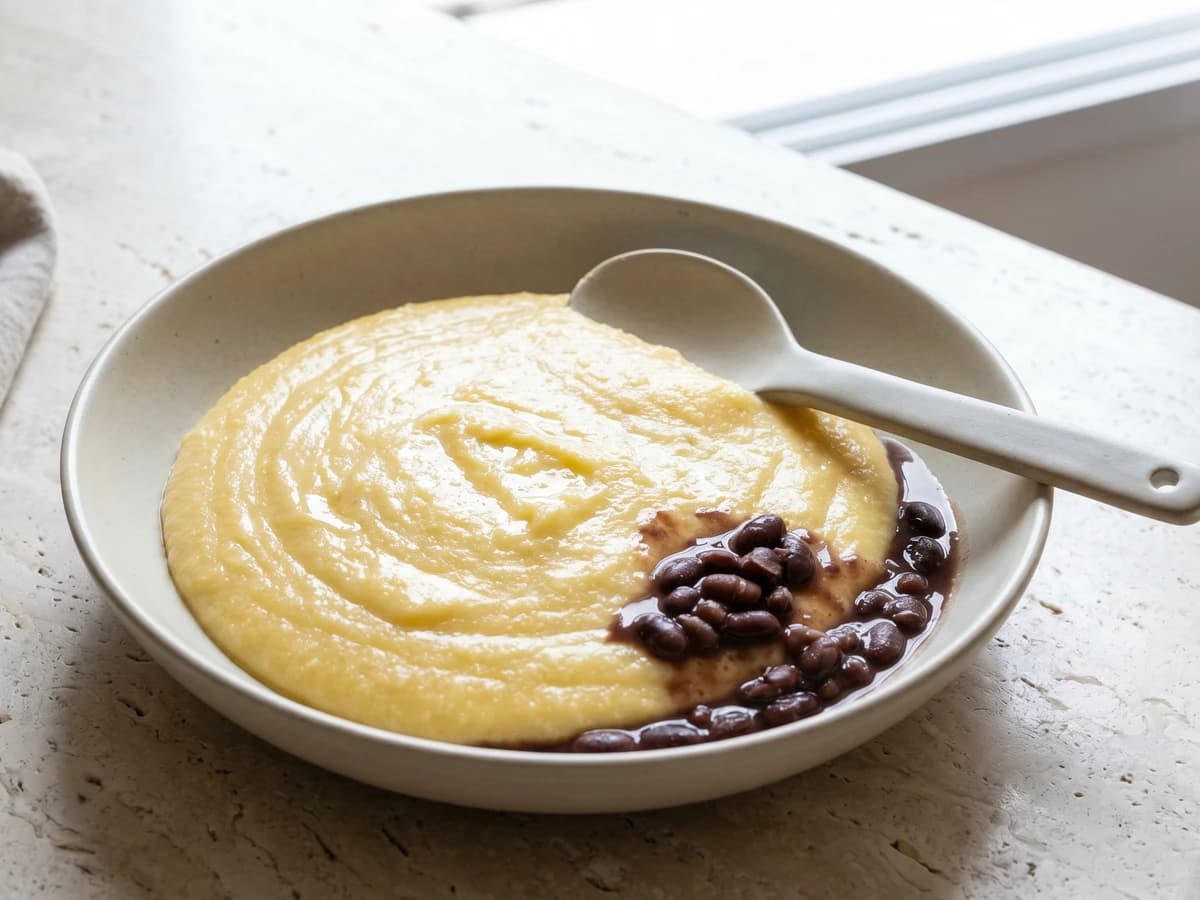
You think cornmeal will turn into lumps and shame. It won't. Cold water first, patient stirring, and a real garlic base give you angu that solves dinner.
Chef Juliana
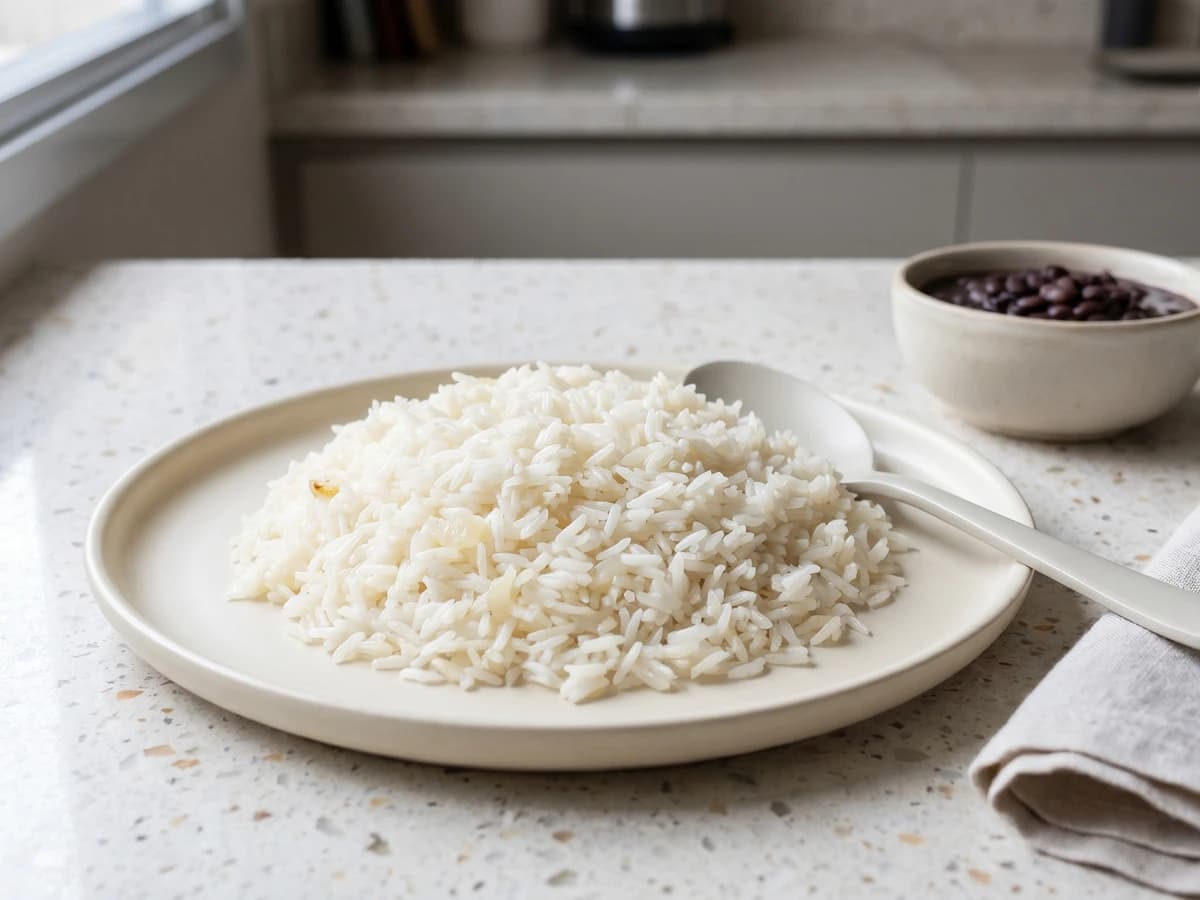
Everyone swears they can't make good rice. They're wrong. Refogue onion and garlic, use two parts water to one rice, then close the lid and leave the poor thing alone.