Chef Juliana
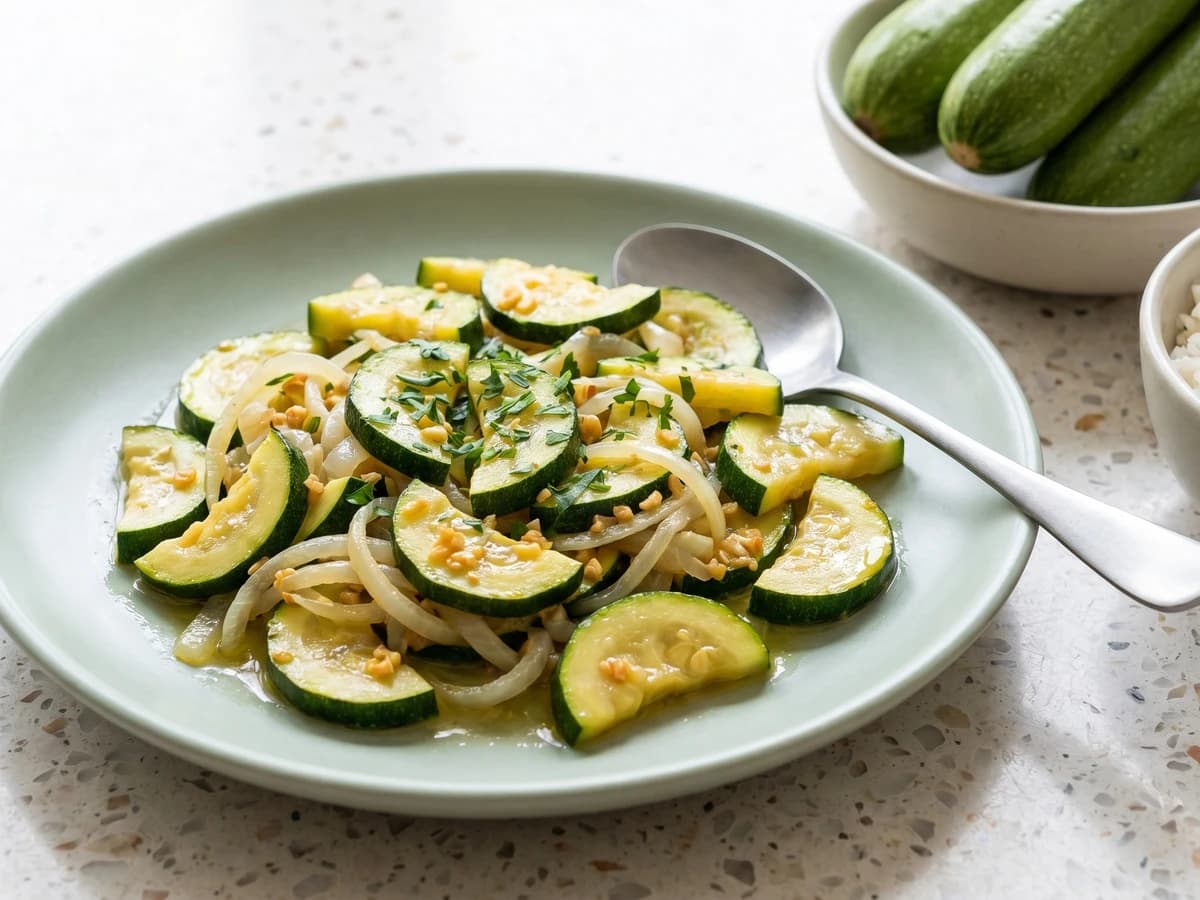
Abobrinha Refogada
You think you'll turn zucchini into mush. Fine. Anota aí: high heat, wide pan, salt at the end, and suddenly this little green side starts solving dinner.
A cooking platform built around craft, culture, and the stories behind what we eat.
Created by
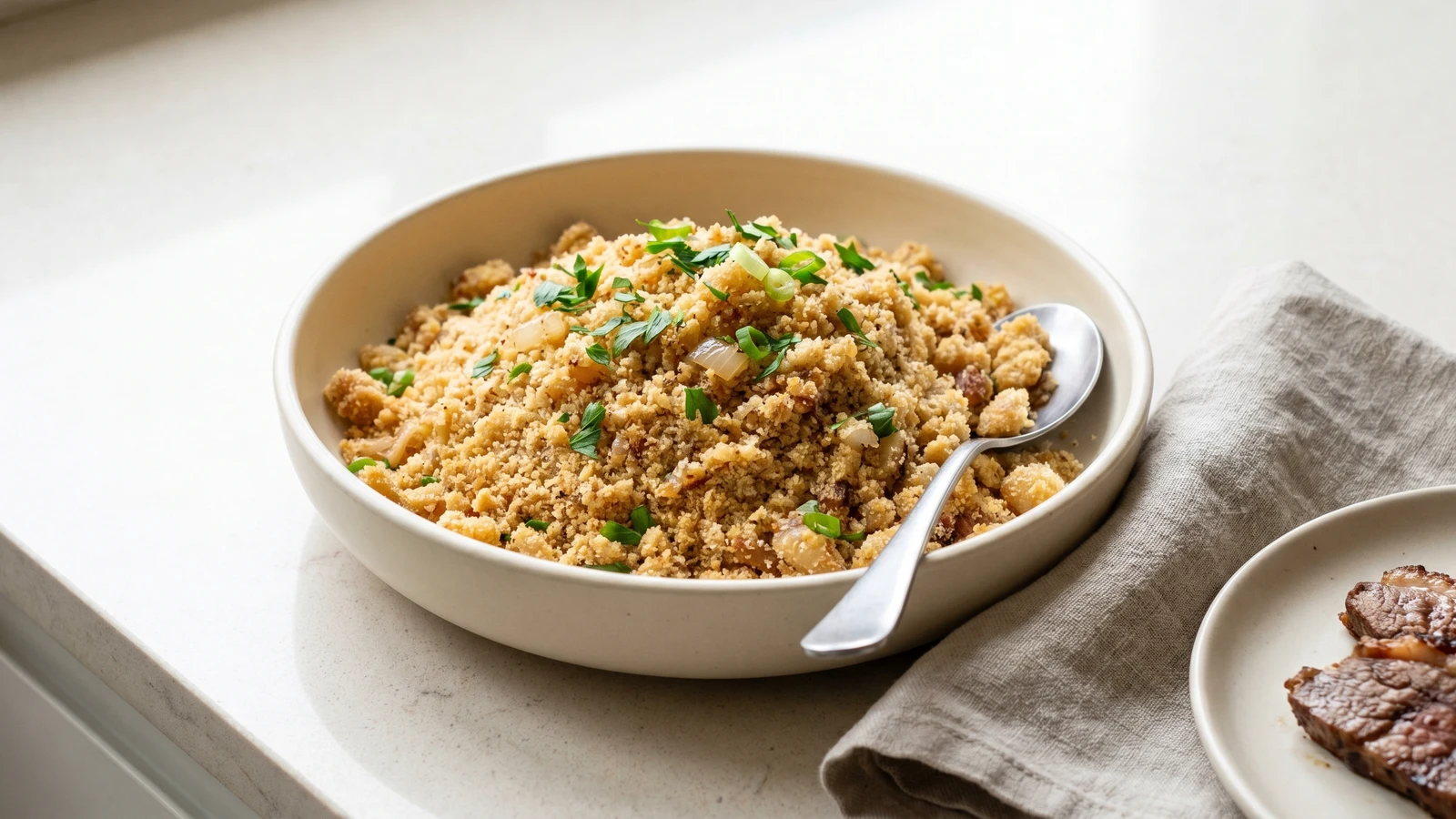
You think farofa is just dry crumbs beside the meat. Wrong. Toast the cassava flour slowly in butter and onion, and it becomes the side that catches every good drop on the plate.
You know that quiet voice that looks at a pan of dry cassava flour and says, isso não é pra mim? Good. Put it in a chair and let it watch. Farofa is not a talent test. It's heat, fat, onion, flour, and attention. Cozinhar não é dom, é um aprendizado, and this one teaches fast.
I love farofa because it does an honest job. On the pê-efe, it sits beside rice, beans, meat or egg, and something green, catching caldo, juices, and butter so the plate eats like one thing instead of little separate islands. At a churrasco, it catches the meat juices. At home on a Tuesday, it makes beans feel finished. Comida de verdade doesn't need a packet pretending to be flavor. It needs an onion cooked until sweet and cassava flour toasted until it smells nutty.
The method is simple, but don't confuse simple with careless. You murcha the onion slowly so it turns sweet instead of sharp. You add the garlic for one minute because burnt garlic is bitter and bossy. Then the cassava flour goes in low and slow, stirred until golden and loose. Wander off and the bottom burns before the top wakes up. Stay there five minutes. That's the whole price.
By the end you'll have a bowl of farofa that is buttery, sandy in the good way, golden in uneven little specks, and ready to resolver o jantar. Anota aí: recipes that work are not magic. They're just written clearly enough that a gente can repeat them.
Farofa comes from Brazil's long relationship with cassava, a native staple used by Indigenous peoples before colonization and still eaten across the country in many forms. Toasted cassava flour became practical food because it keeps well, travels easily, and turns meat juices, bean broth, eggs, or butter into something that fills the plate. Regional versions vary widely, with dendê in parts of Bahia, banana in some homes, eggs or bacon in others, but churrasco farofa is usually drier, buttery, and loose enough to spoon beside grilled meat.
Quantity
2 cups
preferably raw or lightly toasted
Quantity
4 tablespoons
Quantity
1 tablespoon
Quantity
1 medium
finely chopped
Quantity
2 cloves
minced
Quantity
1 teaspoon, plus more to taste
Quantity
1/4 teaspoon
Quantity
2 tablespoons
chopped
| Ingredient | Quantity |
|---|---|
| coarse or medium cassava flour (farinha de mandioca)preferably raw or lightly toasted | 2 cups |
| unsalted butter | 4 tablespoons |
| neutral oil | 1 tablespoon |
| yellow onionfinely chopped | 1 medium |
| garlicminced | 2 cloves |
| kosher salt | 1 teaspoon, plus more to taste |
| black pepper (optional) | 1/4 teaspoon |
| parsley or scallions (optional)chopped | 2 tablespoons |
Put the cassava flour in a bowl and run your fingers through it before you start. You want coarse or medium grains, dry and loose, not a fine powder. Coarse farinha toasts into a farofa that stays sandy and separate; very fine flour can turn heavy and pasty once it meets the butter, and then you'll blame yourself instead of the bag.
Set a wide skillet over medium heat. Add the butter and oil, then the chopped onion and 1/2 teaspoon of the salt. Cook, stirring now and then, until the onion turns soft, shiny, and lightly golden at the edges, about 6 to 8 minutes. The salt pulls out moisture and helps the onion murchar instead of scorch; that slow sweetness is the base of the farofa.
Add the garlic and stir for about 1 minute, just until you can smell it clearly. Don't let it brown hard. Garlic goes from fragrant to bitter fast, and once it burns, it spreads that bitterness through every spoonful like it pays rent there.
Lower the heat to medium-low and add the cassava flour in a steady shower while stirring. Keep stirring and folding from the bottom of the pan until every grain looks kissed with butter and the color shifts from pale beige to warm gold, about 5 to 7 minutes. This slow toasting wakes up the nutty flavor and dries the flour evenly; high heat gives you a burned bottom and a raw top, which is nonsense in a skillet.
Drag a spoon through the farofa. It should fall back in loose grains, not clump like wet sand, and it should smell buttery and toasted, not sharp or smoky. Taste it. Add the remaining 1/2 teaspoon salt, black pepper if using, and more butter only if it tastes dry and dusty. Farofa should be rich enough to carry juices, not greasy enough to shine like a parking lot.
Turn off the heat and stir in parsley or scallions if using. Let the farofa sit in the warm pan for 2 minutes, then spoon it into a bowl. Serve beside churrasco, beans, rice, couve, eggs, or whatever is solving dinner tonight. It should catch sauce and juices without disappearing into mush.
1 serving (about 75g)
Culinary guides, cultural storytelling, and the editorial depth that makes cooking meaningful.
Discover Culinary ExplorerChef Juliana
You think you'll turn zucchini into mush. Fine. Anota aí: high heat, wide pan, salt at the end, and suddenly this little green side starts solving dinner.

Chef Juliana
You think this is sacred enough to be impossible. It isn't. Acaçá is patience, stirring, and ponto, taught plainly, with respect for the terreiros that carry it.
Chef Juliana
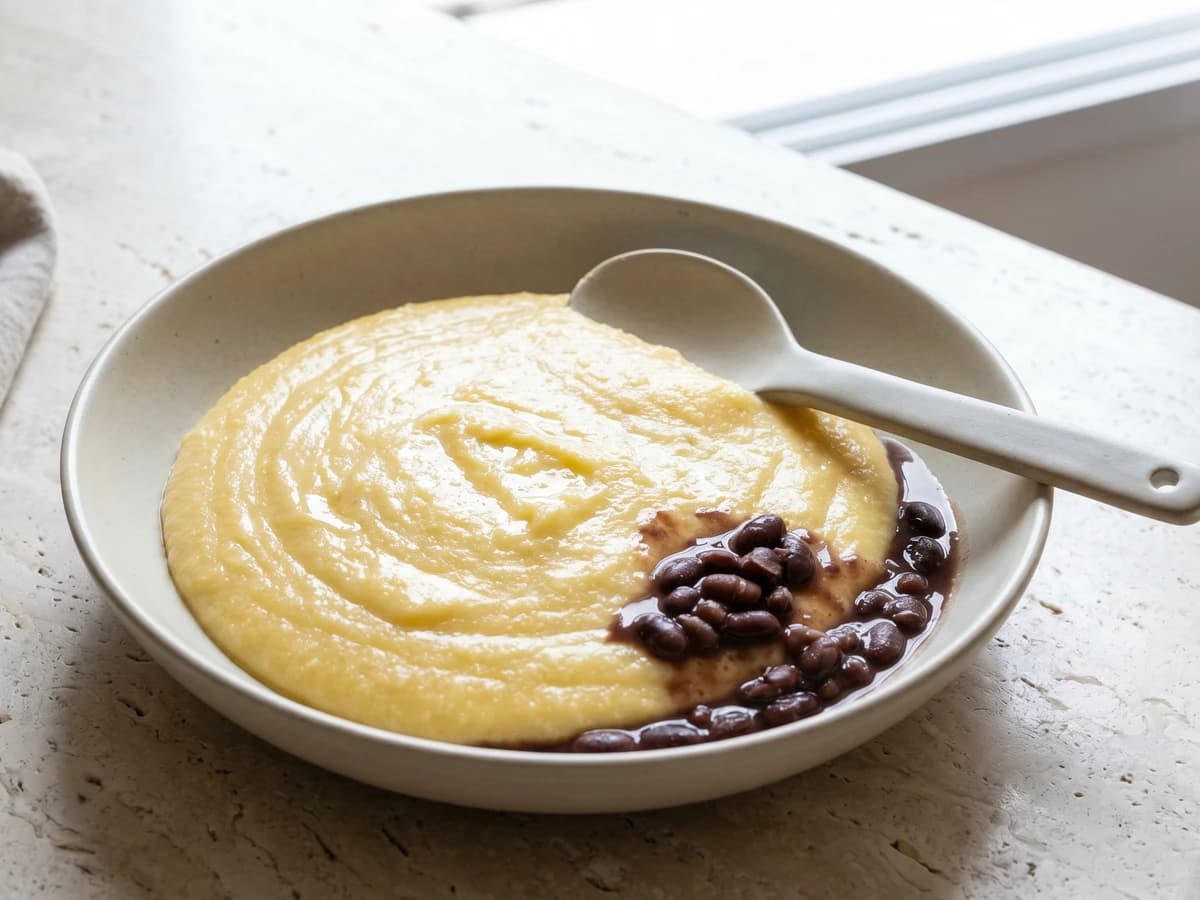
You think cornmeal will turn into lumps and shame. It won't. Cold water first, patient stirring, and a real garlic base give you angu that solves dinner.
Chef Juliana
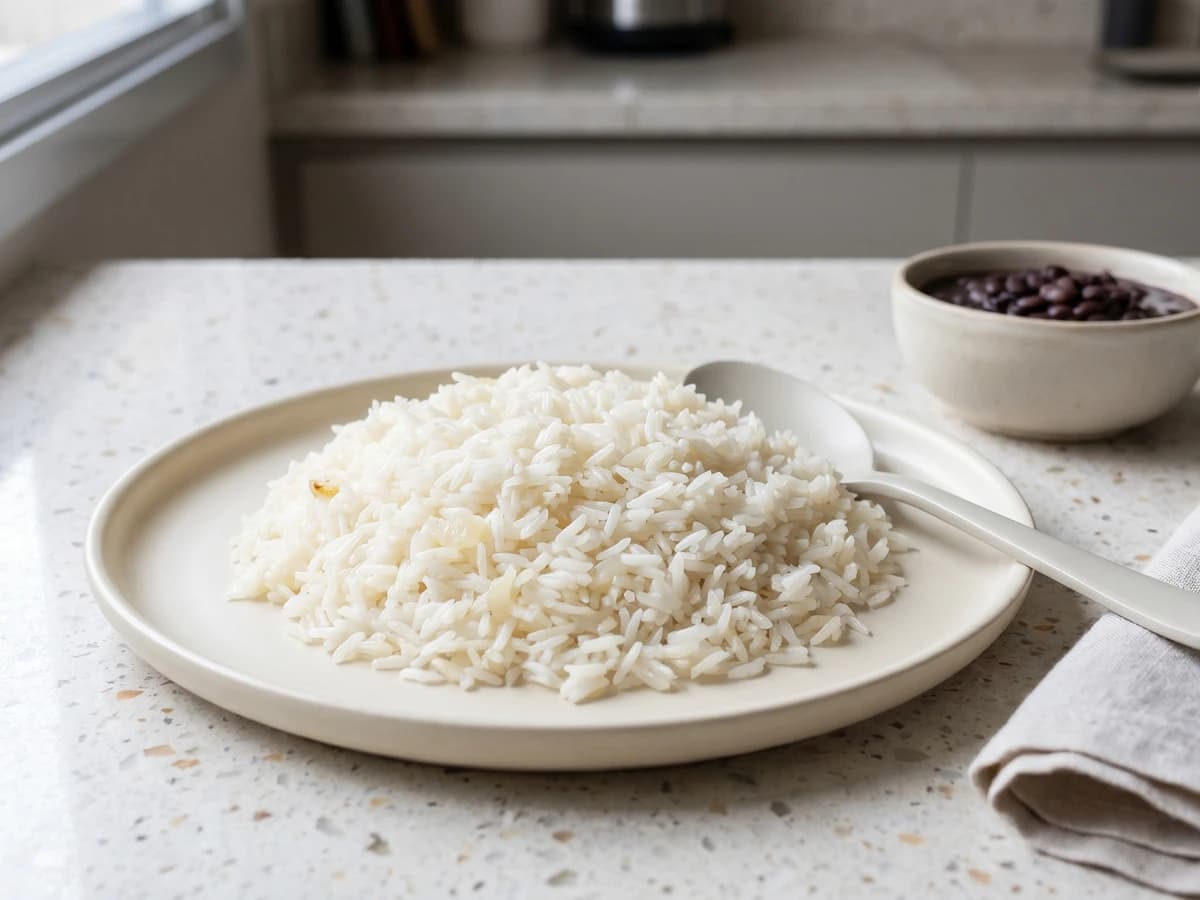
Everyone swears they can't make good rice. They're wrong. Refogue onion and garlic, use two parts water to one rice, then close the lid and leave the poor thing alone.