Chef Isabel
Acedías Fritas de Cádiz
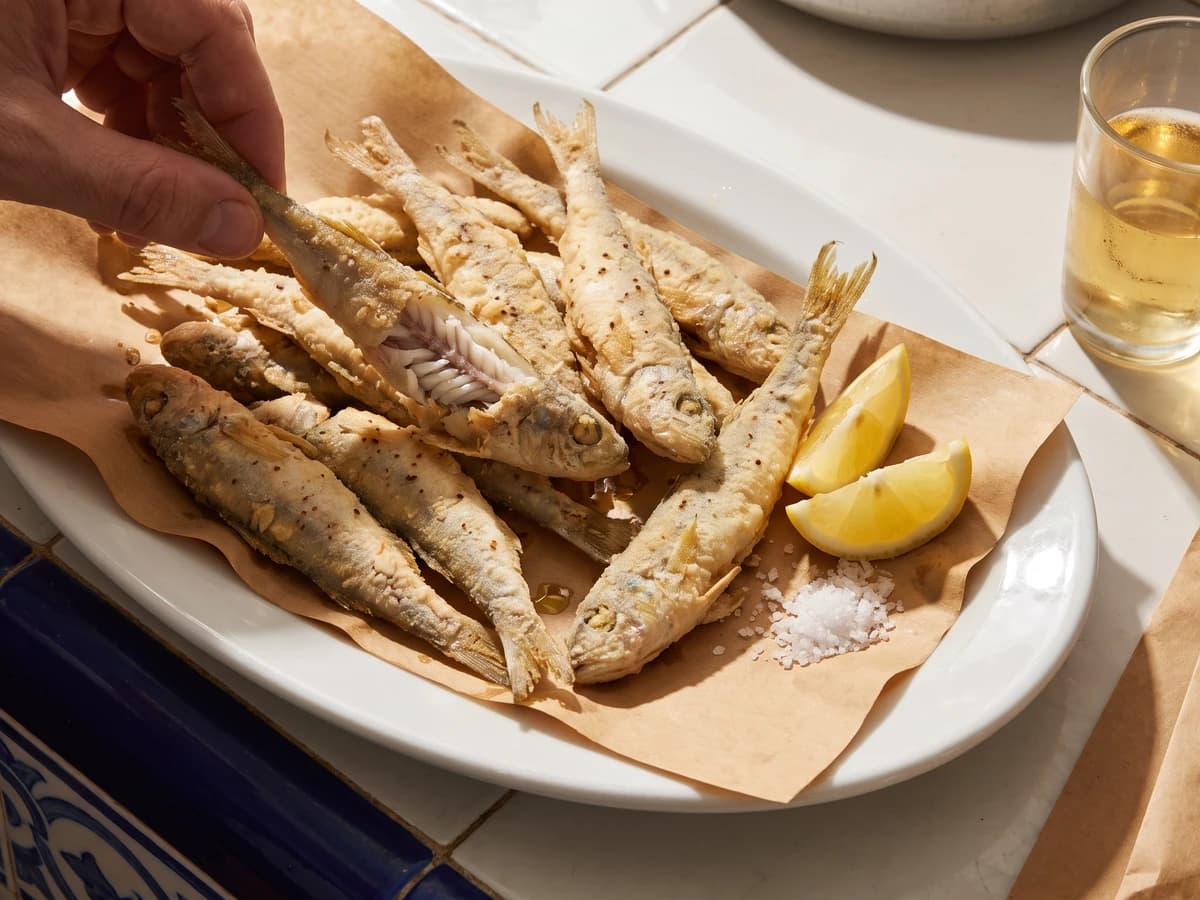
Acedías fritas belong to Cádiz: tiny wedge sole, salted, dusted in frying flour, and dropped into very hot olive oil so the rims crisp while the fish stays tender.
A cooking platform built around craft, culture, and the stories behind what we eat.

Created by
Empanadillas de atún belong to the home kitchens of central Spain and beyond: half-moon turnovers filled with tuna, tomato sofrito, and egg. Crimp them tight and fry them golden.
Empanadillas de atún are the little half-moons of Madrid and the Castilian home kitchen, though you'll find them packed for picnics and merienda all over Spain. What makes them themselves is the filling: canned tuna, tomato sofrito, chopped hard-boiled egg, and sometimes a few olives, tucked into thin pastry and sealed with a fork. Not a big Galician empanada. Not a fancy parcel. A good empanadilla should fit in your hand and survive the journey.
The method that decides them is not the frying, it's the filling. Cook the sofrito, the slow onion and tomato base, until it is thick, dark, and almost dry. If it stays wet, the pastry bursts and the oil punishes you for it. Let the filling cool before you fold. Crimp harder than you think. That little fork mark is not decoration, it's insurance.
If you can't find Spanish obleas for empanadillas where you are, use thin round pastry discs made for turnovers, or cut 12cm rounds from a good shortcrust pastry. Puff pastry works for baking, not for this fried version; it swells too much and turns it into another thing. Use tuna in olive oil if you can. Tuna in water will do, but add a spoon of olive oil to the filling or it eats dry.
Make a tray, fry them golden, and eat them warm or at room temperature. They're made for being carried in a tin, wrapped in paper, handed to a child before anyone sits down properly. Siempre sale, si lo sigues.
Empanadillas de atún grew from the same old habit that made Spanish empanadas useful: enclosing a savory filling in dough so it could be carried, kept, and eaten without ceremony. The small fried version became part of the home and bar larder across central Spain, especially where canned tuna, tomato conserva, and boiled eggs made a cheap, filling mixture. Its cousin in Galicia is the larger empanada, baked as a slab and cut for a crowd; the empanadilla is smaller, quicker, and made for the hand.
Quantity
20
about 12cm wide
Quantity
220g
drained
Quantity
2
Quantity
250g
finely chopped
Quantity
2 cloves
minced
Quantity
500g fresh or 400g canned
grated if fresh
Quantity
80g
finely chopped
Quantity
50g
finely chopped
Quantity
3 tablespoons, plus more for frying
Quantity
1 teaspoon
Quantity
1 teaspoon
Quantity
1 teaspoon, plus more to taste
Quantity
to taste
| Ingredient | Quantity |
|---|---|
| empanadilla pastry discsabout 12cm wide | 20 |
| canned tuna in olive oildrained | 220g |
| large eggs | 2 |
| onionfinely chopped | 250g |
| garlicminced | 2 cloves |
| ripe tomatoes or canned crushed tomatograted if fresh | 500g fresh or 400g canned |
| red pepperfinely chopped | 80g |
| pitted green olivesfinely chopped | 50g |
| olive oil | 3 tablespoons, plus more for frying |
| sweet pimentón | 1 teaspoon |
| sugar (optional) | 1 teaspoon |
| salt | 1 teaspoon, plus more to taste |
| black pepper | to taste |
Put the eggs in a small pan, cover with cold water, bring to a boil, and cook for 10 minutes. Cool them under cold water, peel, and chop them small. Keep them aside; they go in after the sofrito cools a little, so they stay tender instead of rubbery.
Warm 3 tablespoons olive oil in a wide frying pan over medium-low heat. Add the onion, red pepper, and salt, and cook for 15 minutes, stirring often, until soft and dark gold at the edges. Add the garlic for 1 minute, then stir in the pimentón off the heat so it smells sweet but never scorches.
Add the grated tomato or crushed tomato to the pan and cook uncovered for 18 to 22 minutes, stirring now and then, until the sofrito is thick enough that a spoon dragged through it leaves a clean path for a second. Taste it. Add the sugar only if the tomato tastes sharp. This dryness is what keeps the pastry sealed in the oil.
Take the pan off the heat and let the sofrito cool for 10 minutes. Fold in the drained tuna, chopped egg, olives, and black pepper. Break the tuna into flakes, not paste. Taste for salt; canned tuna and olives bring plenty, so don't go throwing more in blindly. Pésalo, no lo adivines, and taste it too.
Lay the pastry discs on the counter and put 1 level tablespoon of filling in the center of each one, about 25g. Moisten the edge lightly with water, fold into a half-moon, press out any trapped air, and crimp firmly with a fork. If filling squeezes out, you used too much. No shame. Nadie nace sabiendo.
Pour olive oil into a deep frying pan to a depth of 2cm and heat to 175C. Fry the empanadillas in batches for 2 to 3 minutes per side, turning once, until blistered and golden. Keep the oil steady; too cool and they drink oil, too fierce and the pastry darkens before the seam has set.
Lift the empanadillas onto a rack or paper-lined tray and let them settle for 5 minutes. The filling will be hot and the pastry finishes crisping as it rests. Serve warm, or let them cool for a picnic. They should be golden, sealed, and light in the hand.
1 serving (about 45g)
Culinary guides, cultural storytelling, and the editorial depth that makes cooking meaningful.
Discover Culinary ExplorerChef Isabel
Acedías fritas belong to Cádiz: tiny wedge sole, salted, dusted in frying flour, and dropped into very hot olive oil so the rims crisp while the fish stays tender.
Chef Isabel
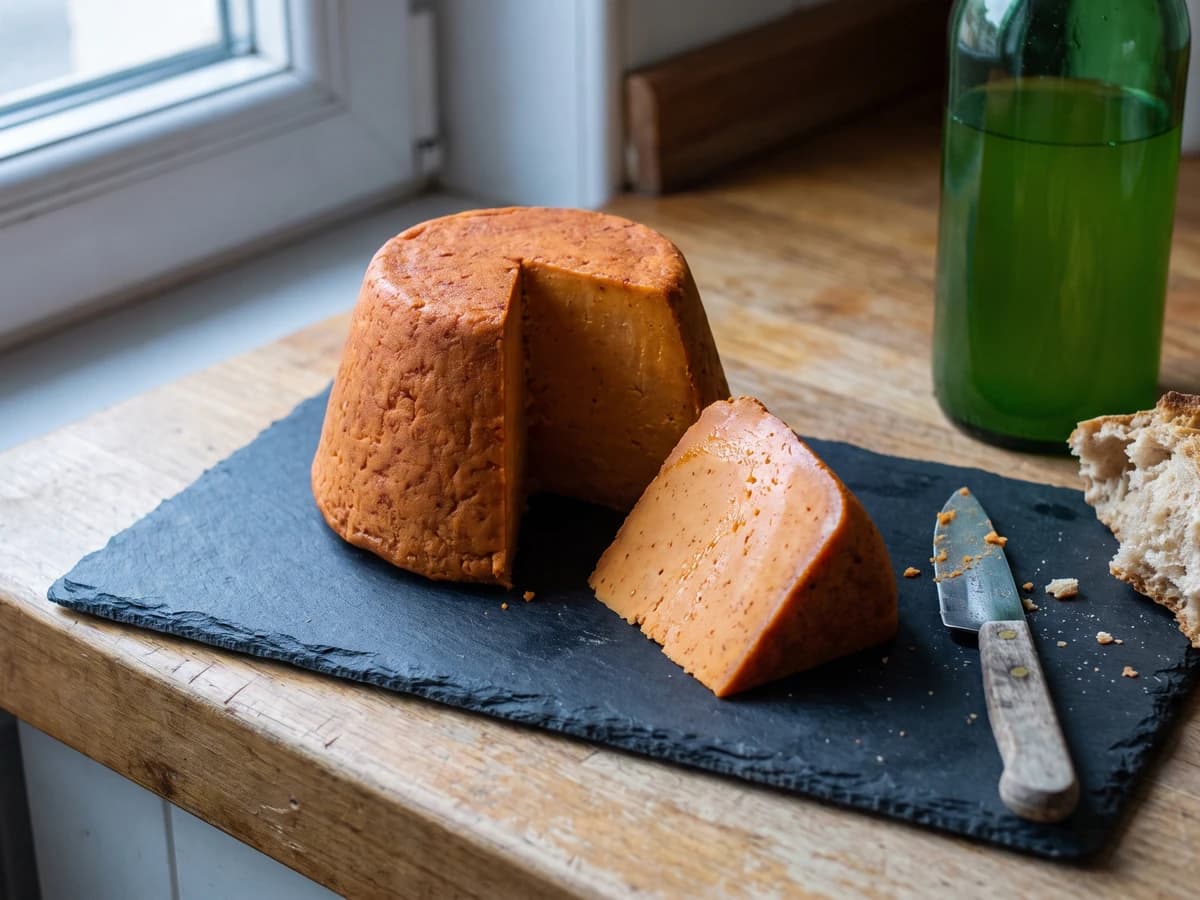
Afuega'l Pitu Roxu is Asturias in a small cheese: cow's milk set slowly to a dense curd, drained without squeezing, then kneaded with pimentón until it turns orange and grips the throat.
Chef Isabel
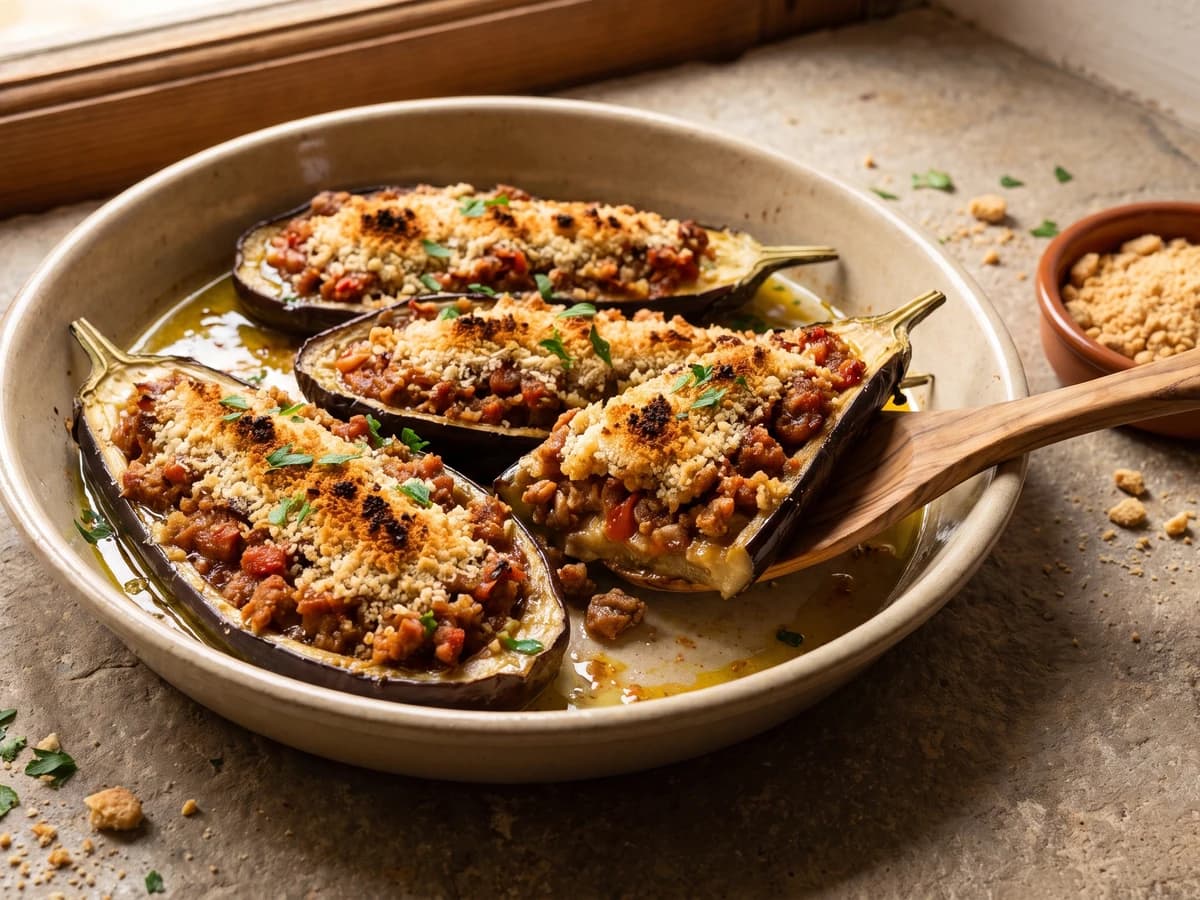
Albergínies farcides are Mallorca's summer stuffed aubergines: tender boiled shells, a slow pork sofrito with moraduix, and a plain breadcrumb cap baked until the top turns crisp and golden.

Chef Isabel
Carxofes farcides are Catalan stuffed artichokes: tender hearts filled with jamón, slow sweet onion, and breadcrumbs, then baked in a light creamy sauce until the tops turn golden.