
Chef Remy
Bananas Foster French Toast
Thick-cut brioche drenched in vanilla custard, griddled until golden, then crowned with rum-flambéed bananas swimming in butter and brown sugar, the kind of breakfast that makes you cancel your morning plans.
A cooking platform built around craft, culture, and the stories behind what we eat.

Created by Chef Remy
The crown jewel of New Orleans brunch since 1908: silky poached eggs perched on tender artichoke hearts and garlicky creamed spinach, blanketed in golden hollandaise that pools into every crevice
Antoine's Restaurant created this dish in 1908 to honor the French playwright Victorien Sardou, and New Orleans has never let it go. There's a reason. Eggs Sardou captures everything that makes Creole cooking special: French technique, Southern generosity, and layers of flavor that build into something greater than the sum of its parts.
At Lagniappe, this is our most requested brunch item. Guests drive from Baton Rouge just to eat it. The secret is not complicated, but it demands attention. Your hollandaise must be silky and lemony, your spinach must taste of garlic and cream without being heavy, your eggs must have runny yolks that spill golden rivers when you cut into them. Every component matters.
My grandmother Evangeline never made Eggs Sardou. That was city food, she would say, fancy restaurant business. But she taught me the foundation: how to poach an egg so the white hugs the yolk like a blanket, how to coax flavor from greens without cooking them to death. Four generations of Boudreaux cooks built the instincts I brought to mastering this dish. Now I'm passing them to you.
Quantity
8
very fresh
Quantity
4 large
canned or jarred, drained
Quantity
1 pound
stems removed
Quantity
2 tablespoons
Quantity
2 tablespoons
minced
Quantity
3 cloves
minced
Quantity
1/2 cup
Quantity
1/4 teaspoon
freshly grated
Quantity
to taste
Quantity
to taste
freshly ground
Quantity
2 tablespoons
Quantity
4
Quantity
1 tablespoon, plus more to taste
Quantity
1/2 pound (2 sticks)
melted and warm
Quantity
1/8 teaspoon
Quantity
pinch
Quantity
for garnish
minced
Quantity
for dusting
| Ingredient | Quantity |
|---|---|
| large eggs for poachingvery fresh | 8 |
| artichoke bottomscanned or jarred, drained | 4 large |
| fresh spinachstems removed | 1 pound |
| unsalted butter for spinach | 2 tablespoons |
| shallotminced | 2 tablespoons |
| garlicminced | 3 cloves |
| heavy cream | 1/2 cup |
| nutmegfreshly grated | 1/4 teaspoon |
| kosher salt | to taste |
| black pepperfreshly ground | to taste |
| white wine vinegar | 2 tablespoons |
| large egg yolks for hollandaise | 4 |
| fresh lemon juice | 1 tablespoon, plus more to taste |
| unsalted butter for hollandaisemelted and warm | 1/2 pound (2 sticks) |
| cayenne pepper | 1/8 teaspoon |
| white pepper | pinch |
| fresh chives (optional)minced | for garnish |
| paprika (optional) | for dusting |
Fill a medium saucepan with two inches of water and bring to a bare simmer. Place egg yolks and lemon juice in a heatproof bowl that fits over the pan without touching the water. Whisk constantly until the yolks thicken and you can see the bottom of the bowl between strokes, about three minutes. The mixture should coat a spoon and hold ribbons when you lift the whisk. Remove from heat immediately.
With the bowl off the heat, begin adding warm melted butter in a thin, steady stream while whisking constantly. Go slowly at first, just drops, until the sauce begins to thicken and emulsify. Once it looks creamy and stable, you can pour a bit faster. Season with cayenne, white pepper, and salt. Taste and add more lemon if needed. The sauce should be bright, rich, and coat a spoon without running off. Cover with a lid and set aside in a warm spot.
Melt two tablespoons of butter in a large skillet over medium heat. Add the shallots and cook until soft and translucent, about two minutes. Add the garlic and cook until fragrant, thirty seconds more. Add spinach in batches, letting each handful wilt before adding the next. The spinach will reduce dramatically. Season with salt, pepper, and nutmeg as you go.
Once all spinach is wilted, pour in the heavy cream. Let it bubble and reduce for three to four minutes, stirring occasionally, until the cream clings to the spinach rather than pooling in the pan. Taste and adjust seasoning. The spinach should be silky, garlicky, and rich without being heavy. Keep warm over very low heat.
Drain your artichoke bottoms and pat them dry. Warm them gently in a small skillet with a tablespoon of butter over medium-low heat, turning once. Season lightly with salt. You want them warmed through but not browned, about three minutes total. Set aside and keep warm.
Fill a wide, deep skillet or sauté pan with about three inches of water. Add the white wine vinegar and a generous pinch of salt. Bring to a gentle simmer where small bubbles rise lazily from the bottom. You want 180 degrees or so. A rolling boil will tear your eggs apart. Crack each egg into its own small cup or ramekin.
Create a gentle whirlpool in the water with a spoon. Slip the eggs in one at a time, working in batches of two to three so they have room. Let them cook undisturbed for three minutes for runny yolks, four minutes for jammy centers. The whites should be set but the yolks should jiggle when you lift them. Remove with a slotted spoon and drain on a clean kitchen towel.
Work quickly now, while everything is warm. Place two artichoke bottoms on each plate, hollow side up. Spoon a generous mound of creamed spinach into each artichoke cup, letting it overflow slightly. Nestle a poached egg on top of each spinach mound. Spoon hollandaise generously over everything, letting it cascade down the sides. Dust with paprika and scatter fresh chives over the top. Serve immediately.
1 serving (about 275g)
Culinary guides, cultural storytelling, and the editorial depth that makes cooking meaningful.
Discover Culinary ExplorerChef Remy
Thick-cut brioche drenched in vanilla custard, griddled until golden, then crowned with rum-flambéed bananas swimming in butter and brown sugar, the kind of breakfast that makes you cancel your morning plans.

Chef Remy
Creamy bread pudding transformed into thick, golden slices with caramelized edges and soft custard centers, drowned in a sinful bourbon whiskey sauce that pools on the plate and demands to be mopped up with every bite.
Chef Remy
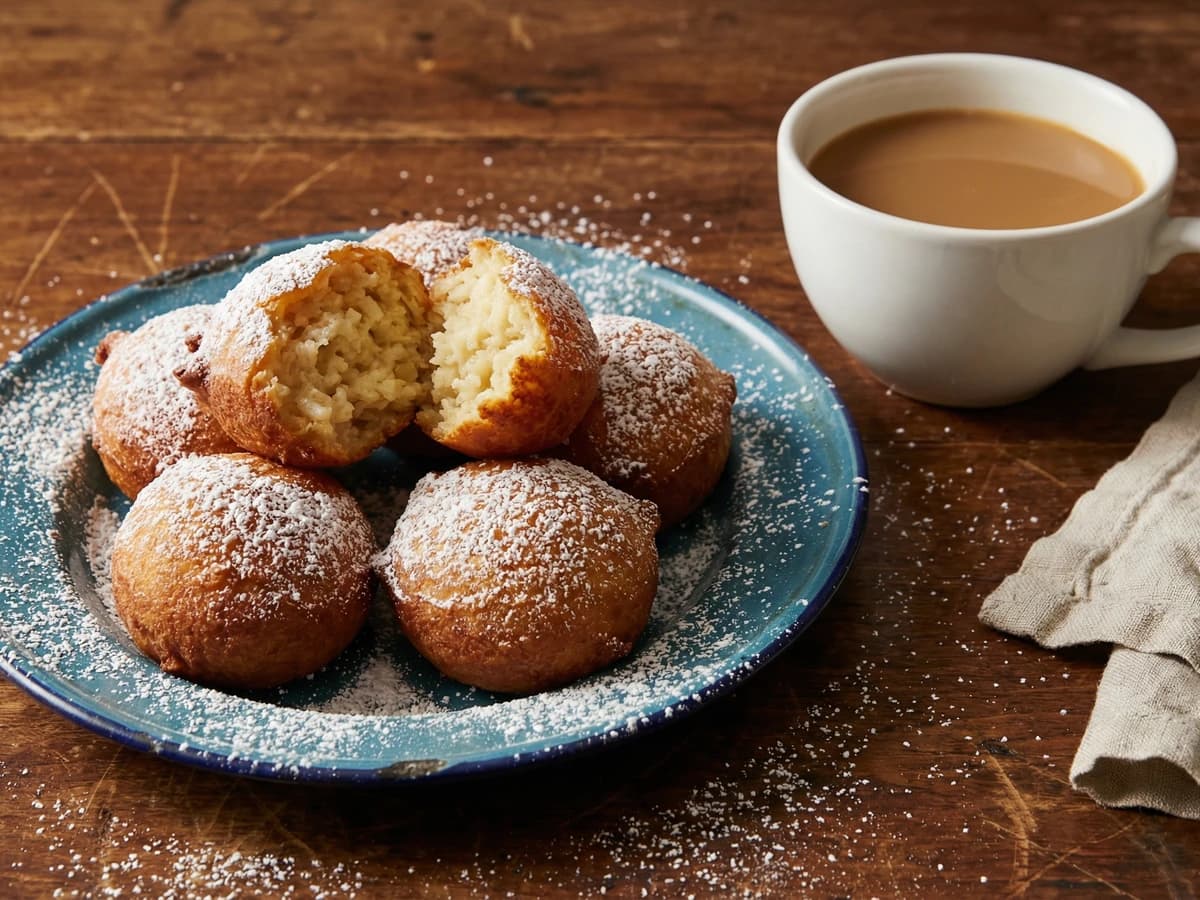
Crispy, golden rice fritters born from the streets of the old French Quarter, where vendors once called out 'Belles calas!' at dawn, dusted with powdered sugar and eaten warm with café au lait.

Chef Remy
Thick slices of day-old French bread transformed by a rich vanilla custard, pan-fried until golden and crisp on the outside, impossibly custardy within, dusted with powdered sugar and drizzled with warm Louisiana cane syrup.