Chef Remy
Creole Mustard Vinaigrette
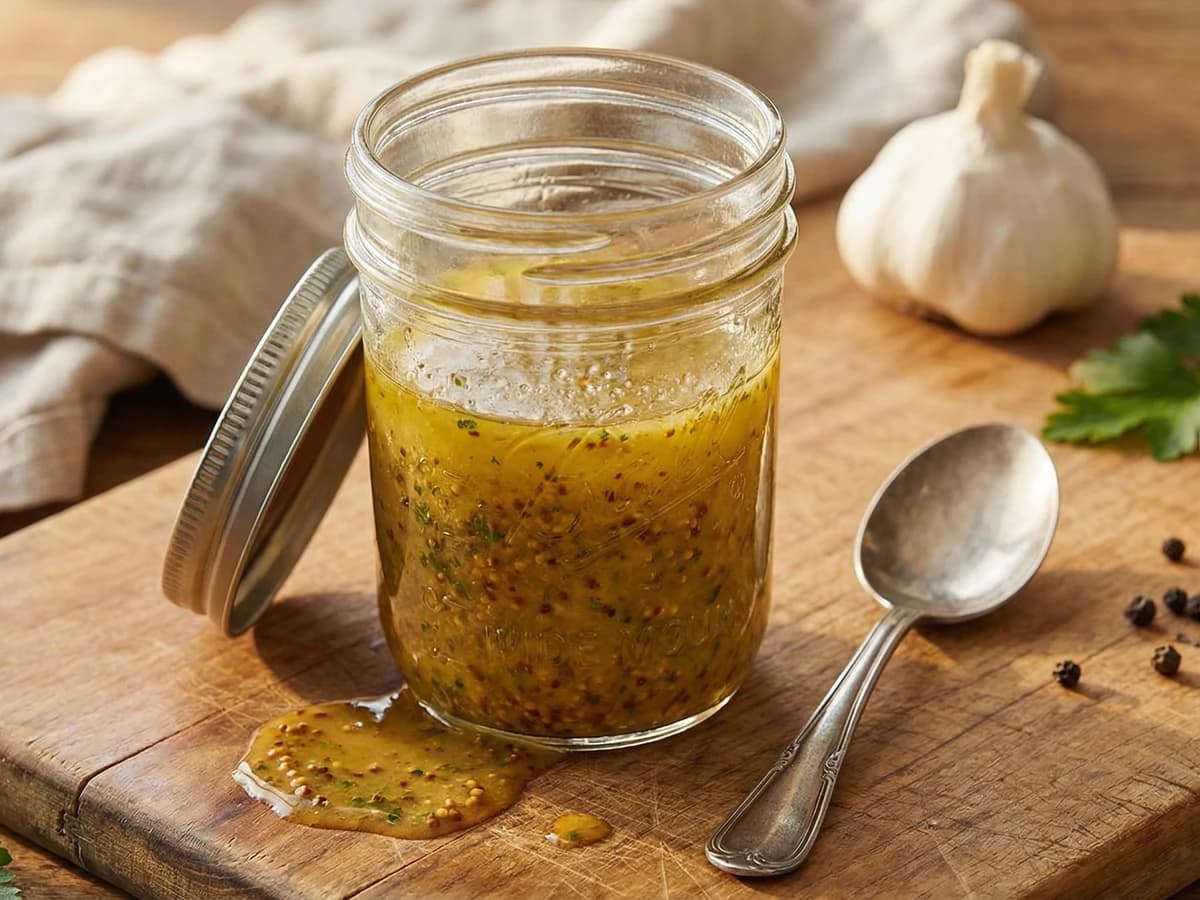
Sharp Creole mustard meets red wine vinegar and good olive oil, whisked into a peppery emulsion that wakes up everything it touches, from bitter greens to cold roast beef.
A cooking platform built around craft, culture, and the stories behind what we eat.
Created by Chef Remy
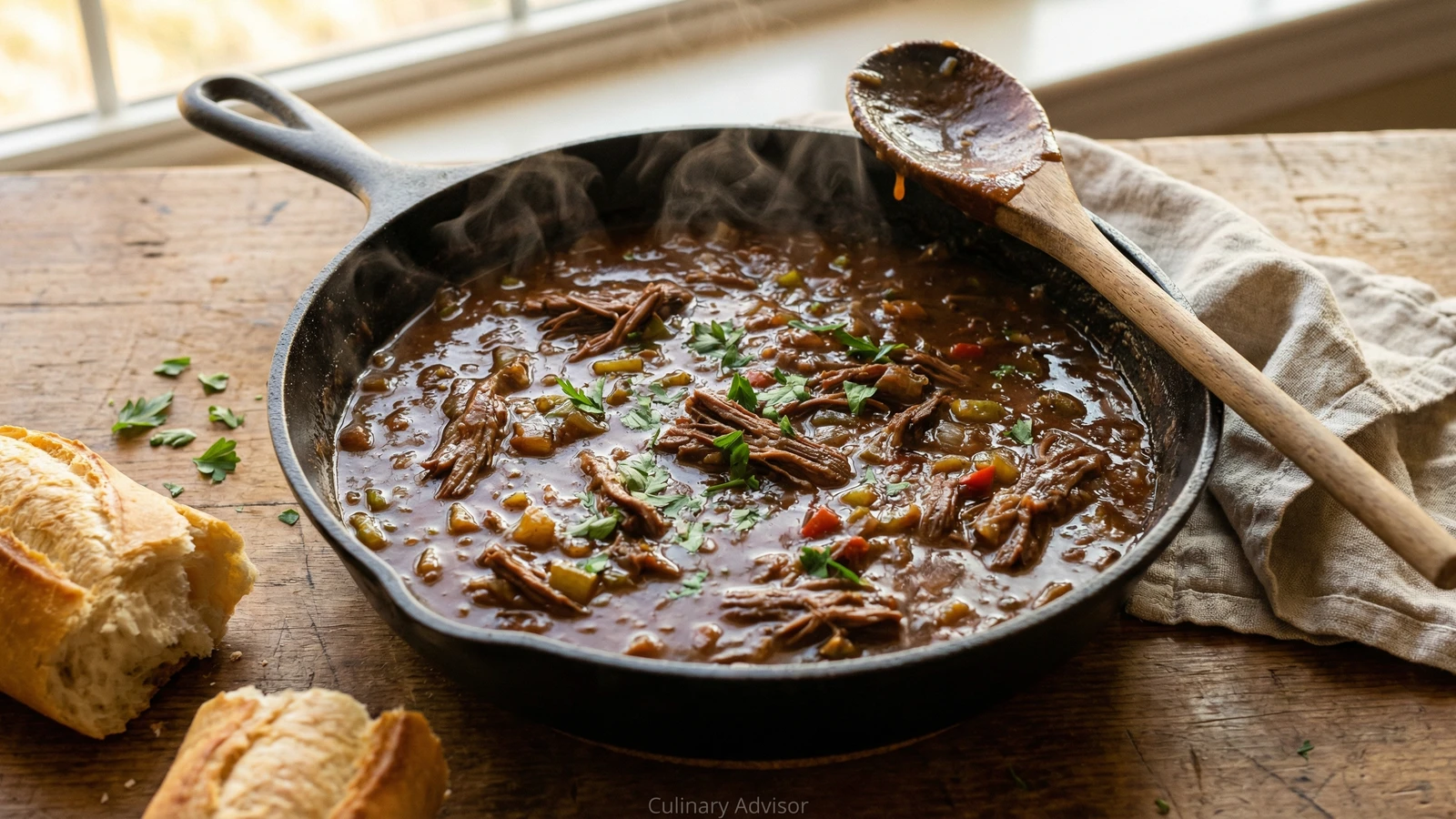
The dark, meaty essence of a proper New Orleans roast beef, slow-simmered until the beef falls apart into silky shreds swimming in rich, Worcestershire-kissed gravy that belongs on po'boys, rice, or anything that needs saving.
This gravy is why people stand in line at po'boy shops across New Orleans. The debris is not trash. It is treasure. Those shreds of beef that surrender to the gravy during hours of slow roasting, the bits that cling to the bottom of the pan, the drippings that concentrate into something almost otherworldly. That is debris. And when you make it right, there is nothing finer.
My grandmother Evangeline called this "pot liquor for beef." She would roast a cheap chuck until it fell apart, then stir those mahogany drippings with the holy trinity until everything melted together. The house smelled like Sunday for two days afterward. At Lagniappe, we go through gallons of this every week. Our cooks know the gravy is ready when a wooden spoon leaves a trail that slowly closes behind it.
The technique is patient and forgiving. You are building layers of flavor: the seared beef first, then the aromatics sweating in those drippings, then the slow simmer that marries everything together. Worcestershire is not optional. It adds that dark, savory depth that makes people close their eyes when they take their first bite. This is not fancy cooking. This is honest cooking. The kind that feeds your soul and makes you reach for seconds before you have finished your first plate.
Quantity
3 pounds
Quantity
2 tablespoons
Quantity
1 tablespoon, plus more to taste
Quantity
2 teaspoons
freshly ground
Quantity
1 teaspoon
Quantity
1 teaspoon
Quantity
1/2 teaspoon
Quantity
2 large
diced
Quantity
4
diced
Quantity
1 large
diced
Quantity
6 cloves
minced
Quantity
3 tablespoons
Quantity
4 cups
Quantity
2 tablespoons
Quantity
2
Quantity
4 sprigs
Quantity
to taste
Quantity
2 tablespoons
cold
Quantity
for garnish
| Ingredient | Quantity |
|---|---|
| beef chuck roast | 3 pounds |
| vegetable oil | 2 tablespoons |
| kosher salt | 1 tablespoon, plus more to taste |
| black pepperfreshly ground | 2 teaspoons |
| garlic powder | 1 teaspoon |
| onion powder | 1 teaspoon |
| cayenne pepper | 1/2 teaspoon |
| yellow onionsdiced | 2 large |
| celery stalksdiced | 4 |
| green bell pepperdiced | 1 large |
| garlicminced | 6 cloves |
| all-purpose flour | 3 tablespoons |
| beef stock | 4 cups |
| Worcestershire sauce | 2 tablespoons |
| bay leaves | 2 |
| fresh thyme | 4 sprigs |
| hot sauce | to taste |
| unsalted buttercold | 2 tablespoons |
| fresh parsley (optional) | for garnish |
Pat the chuck roast dry with paper towels. Combine the salt, black pepper, garlic powder, onion powder, and cayenne in a small bowl. Rub this seasoning blend all over the meat, pressing it into every surface and crevice. Let the seasoned beef sit at room temperature for 30 minutes while you prep your vegetables. This is where flavor begins. Season before it hits the pan, not after. That is the bayou way.
Heat a large Dutch oven or heavy-bottomed pot over medium-high heat. Add the vegetable oil and let it shimmer. When you see the first wisps of smoke, lay the chuck roast in the pot. Do not move it. Let it sear undisturbed for 4 to 5 minutes until a dark brown crust forms. Flip and repeat on all sides. You want color that looks almost burnt but smells like heaven. This fond on the bottom of your pot is pure gold. Transfer the beef to a plate.
Reduce heat to medium. Add the onions, celery, and bell pepper to the pot with all those beautiful drippings. Season with a pinch of salt. Stir and scrape the bottom, lifting all that caramelized fond into your vegetables. Cook for 8 to 10 minutes until the onions turn translucent and the vegetables soften. They should glisten with beef fat and smell deeply savory. Add the garlic and cook one minute more, stirring constantly so it does not burn.
Sprinkle the flour over the vegetables and stir continuously for 2 to 3 minutes. You are making a quick roux here, cooking out the raw flour taste while it absorbs the fat and drippings. The mixture will look pasty at first, then smooth out as the flour toasts. You want a light tan color, the smell of baked bread beginning to emerge.
Pour in the beef stock in a steady stream, whisking constantly to prevent lumps. Add the Worcestershire sauce, bay leaves, and thyme sprigs. Stir everything together and bring to a simmer. The gravy will look thin now. Do not worry. It will reduce and thicken during the long braise. Taste the liquid and adjust salt if needed.
Return the seared beef to the pot, nestling it into the gravy. The liquid should come about two-thirds up the sides of the meat. Cover with a tight-fitting lid and reduce heat to low. You want the barest simmer, lazy bubbles rising every few seconds. Cook for 3 to 3 1/2 hours, flipping the roast once halfway through. The beef is ready when it shreds easily with two forks.
Transfer the beef to a cutting board. Remove and discard the bay leaves and thyme stems from the gravy. Using two forks, shred the beef into rough pieces, some small bits and some larger chunks. This variety of texture is what makes debris gravy so satisfying. Return all the shredded beef to the pot and stir it into the gravy. Every strand of meat should be coated.
Simmer the debris gravy uncovered for another 15 to 20 minutes, stirring occasionally. The gravy will thicken and the flavors will concentrate. Taste, taste, taste. Adjust salt, add hot sauce for heat if you like. Swirl in the cold butter just before serving for richness and shine. The gravy should coat a spoon and leave a trail when you drag your finger through it. Scatter fresh parsley over the top if you are feeling fancy.
1 serving (about 150g)
Culinary guides, cultural storytelling, and the editorial depth that makes cooking meaningful.
Discover Culinary ExplorerChef Remy
Sharp Creole mustard meets red wine vinegar and good olive oil, whisked into a peppery emulsion that wakes up everything it touches, from bitter greens to cold roast beef.
Chef Remy
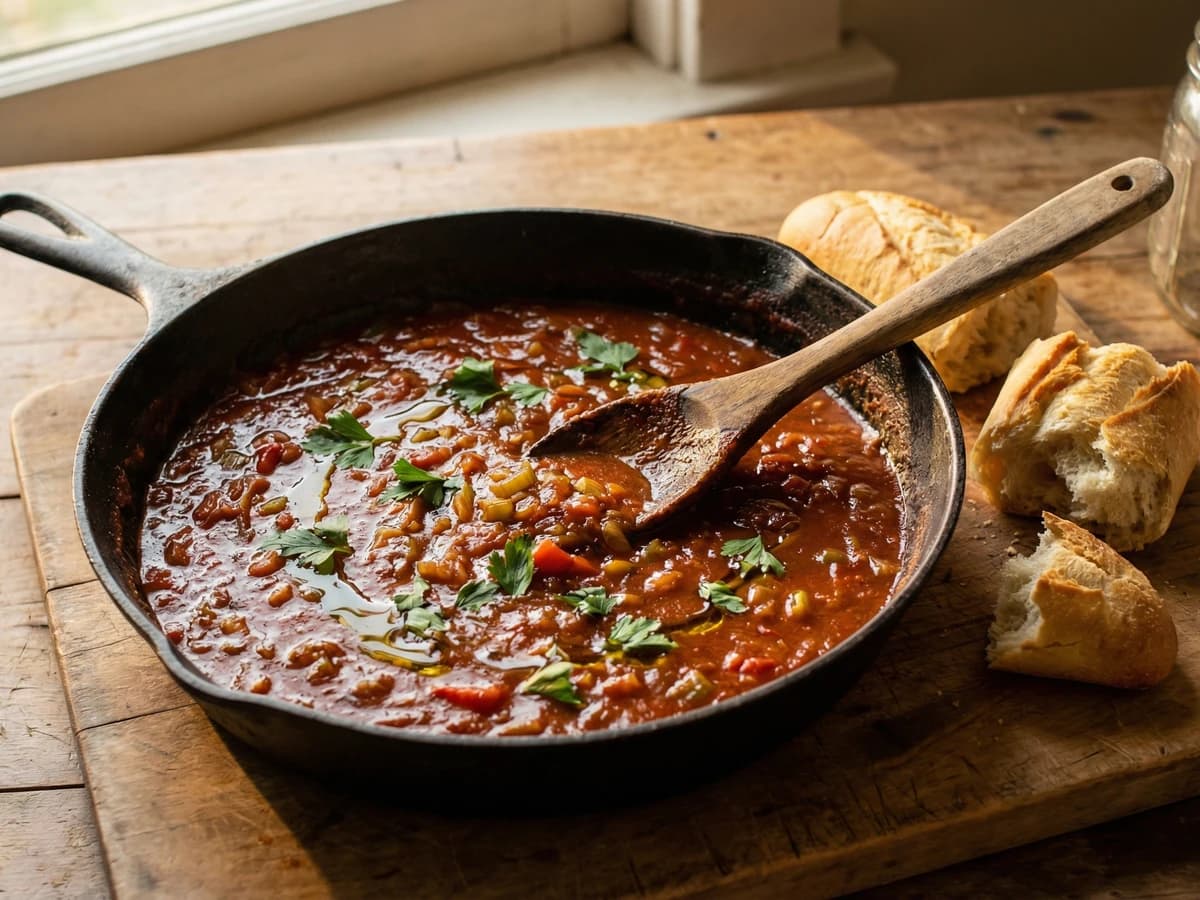
The mother sauce of New Orleans kitchens: slow-simmered tomatoes, the holy trinity, and enough garlic to keep the vampires at bay, spooned generously over everything from scrambled eggs to Sunday pasta.
Chef Remy
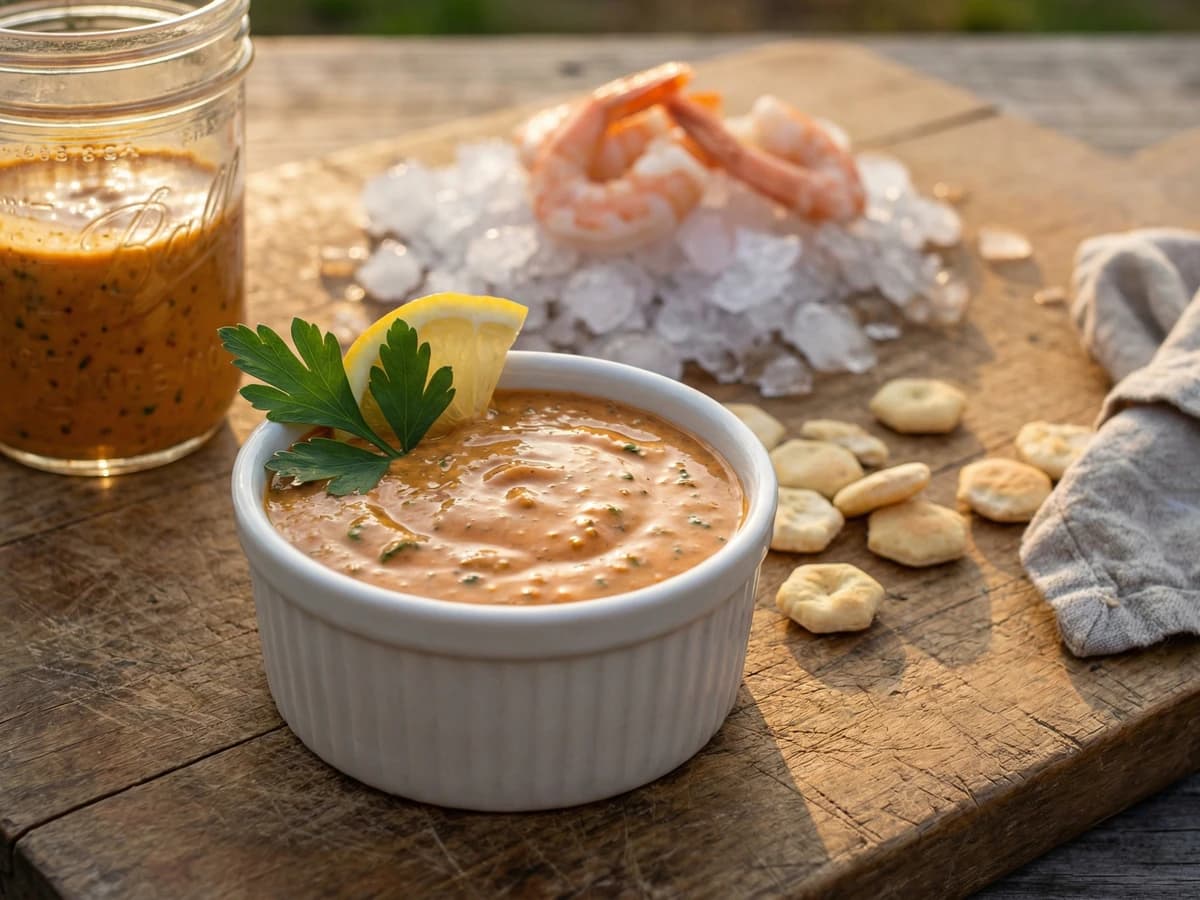
New Orleans' beloved scarlet sauce, creamy with Creole mustard and bright with horseradish, the kind of dip that turns a simple platter of boiled shrimp into a celebration worth remembering.
Chef Remy
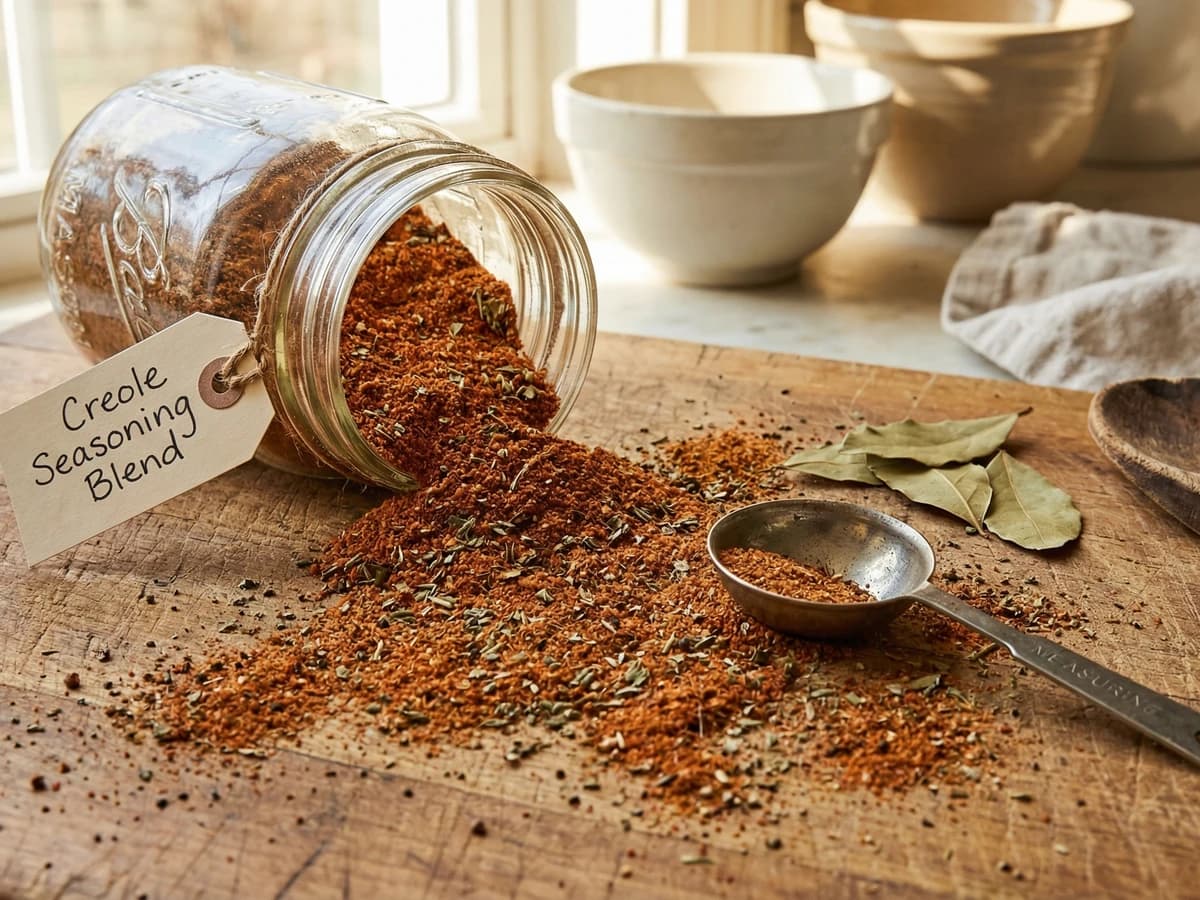
The aromatic foundation of New Orleans home cooking, where paprika meets dried herbs and three kinds of pepper build warmth without aggression, ready to transform everything from gumbo to grilled fish.