Chef Isabel
Acedías Fritas de Cádiz
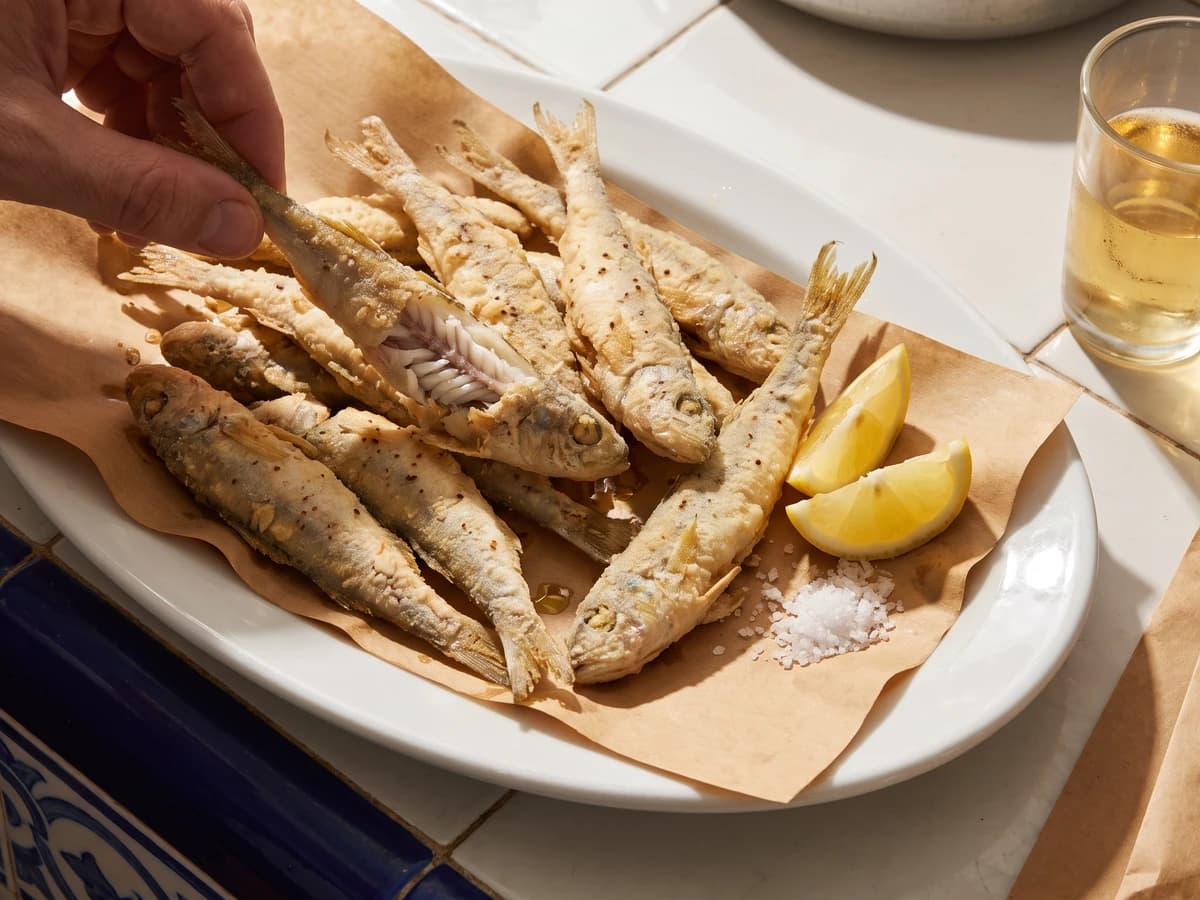
Acedías fritas belong to Cádiz: tiny wedge sole, salted, dusted in frying flour, and dropped into very hot olive oil so the rims crisp while the fish stays tender.
A cooking platform built around craft, culture, and the stories behind what we eat.
Created by
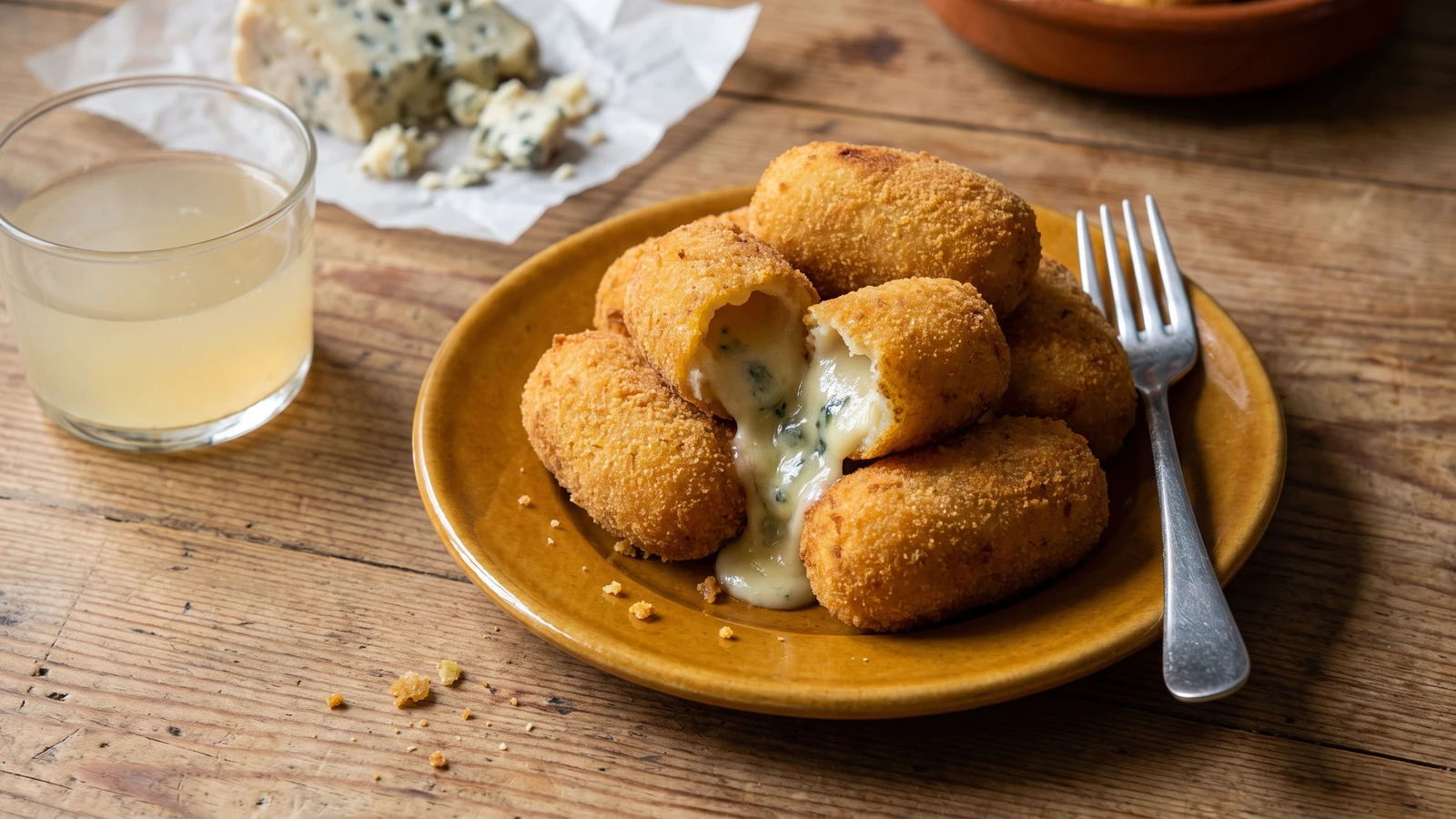
Croquetas de Cabrales are Asturian: sharp cave-aged blue cheese softened by a proper bechamel, chilled firm, breaded, and fried until crisp outside and molten within.
Croquetas de Cabrales are Asturian, not just any cheese croqueta with a strong smell. Cabrales comes from the Picos de Europa, sharp, salty, blue-veined, and alive enough that you use it with respect. A little carries far. The bechamel is what makes it gentle enough to eat in two bites instead of shouting across the table.
The method that decides the dish is the bechamel. Cook the butter, oil, and flour until the raw taste is gone, then add the milk slowly and stir until the paste thickens, shines, and pulls cleanly from the pan. If you stop too soon, the croquetas burst in the oil. If you cook it properly and chill it hard, they hold. Siempre sale, si lo sigues.
If you can't find Cabrales, use another Spanish blue such as Valdeón, which is milder and a little less wild, or Picón Bejes-Tresviso if you find it. A good non-Spanish blue will work in a kitchen far from Asturias, but choose one with salt and backbone, not a sweet creamy one. No hace falta haber pisado España, but the cheese has to do its job.
My margin note for these is short: cool the dough, then cool it again after shaping. That is not fuss. That is the difference between a clean croqueta and cheese bechamel escaping into the pan.
Cabrales belongs to eastern Asturias, especially the villages around the Picos de Europa, where cow's milk, often mixed with sheep's or goat's milk, was aged in natural limestone caves to develop its blue veins and sharp character. Croquetas became a household way to stretch rich fillings through a thick bechamel, and in Asturias Cabrales gives them a local surname. The dish is served at home and in sidrerías, where its strength suits dry Asturian cider.
Quantity
60g
Quantity
2 tablespoons
Quantity
90g
Quantity
750ml
warmed
Quantity
120g
crumbled
Quantity
1/4 teaspoon, plus more if needed
Quantity
small pinch
Quantity
80g
Quantity
2
beaten
Quantity
160g
Quantity
1 litre
| Ingredient | Quantity |
|---|---|
| unsalted butter | 60g |
| olive oil | 2 tablespoons |
| plain flour | 90g |
| whole milkwarmed | 750ml |
| Cabrales cheesecrumbled | 120g |
| fine salt | 1/4 teaspoon, plus more if needed |
| grated nutmeg (optional) | small pinch |
| plain flour, for breading | 80g |
| large eggsbeaten | 2 |
| fine dry breadcrumbs | 160g |
| olive oil or mild frying oil | 1 litre |
Melt the butter with the olive oil in a wide saucepan over medium-low heat. Add the 90g flour and stir for 3 to 4 minutes, until it smells toasted and no longer raw, but do not let it brown deeply. This base has to taste cooked before the milk goes in.
Pour in the warm milk a little at a time, whisking hard after each addition until smooth. Once all the milk is in, change to a wooden spoon and cook for 10 to 12 minutes, stirring constantly, until the bechamel is thick, glossy, and pulls cleanly from the bottom of the pan. Pésalo, no lo adivines, and cook it until it tells you it is ready.
Lower the heat and stir in the crumbled Cabrales, salt, and nutmeg. Taste before adding more salt, because Cabrales brings plenty of its own. Cook 1 minute more, just until the cheese melts through and the mixture is thick again.
Scrape the croqueta dough into a shallow dish and press parchment or film directly onto the surface so it does not form a skin. Chill at least 3 hours, or overnight, until firm enough to scoop and shape. Warm dough makes trouble. Cold dough behaves.
Scoop heaped tablespoons of the chilled dough and shape into short cylinders, about 35g each. Roll each one in flour, then beaten egg, then breadcrumbs, coating every edge. Set them on a tray and chill again for 30 minutes before frying; this second chill helps the crust set before the center melts.
Heat the oil to 175C in a deep pan. Fry the croquetas in small batches for 2 to 3 minutes, turning gently, until evenly golden and crisp. Do not crowd the pan or the oil cools and the crust drinks grease instead of sealing.
Lift the croquetas onto a rack or paper-lined tray and let them stand 2 minutes before serving. The crust should be crisp, the inside soft and molten, and the Cabrales present without bullying the bechamel. Serve them hot, with cider if you have it.
1 serving (about 55g)
Culinary guides, cultural storytelling, and the editorial depth that makes cooking meaningful.
Discover Culinary ExplorerChef Isabel
Acedías fritas belong to Cádiz: tiny wedge sole, salted, dusted in frying flour, and dropped into very hot olive oil so the rims crisp while the fish stays tender.
Chef Isabel
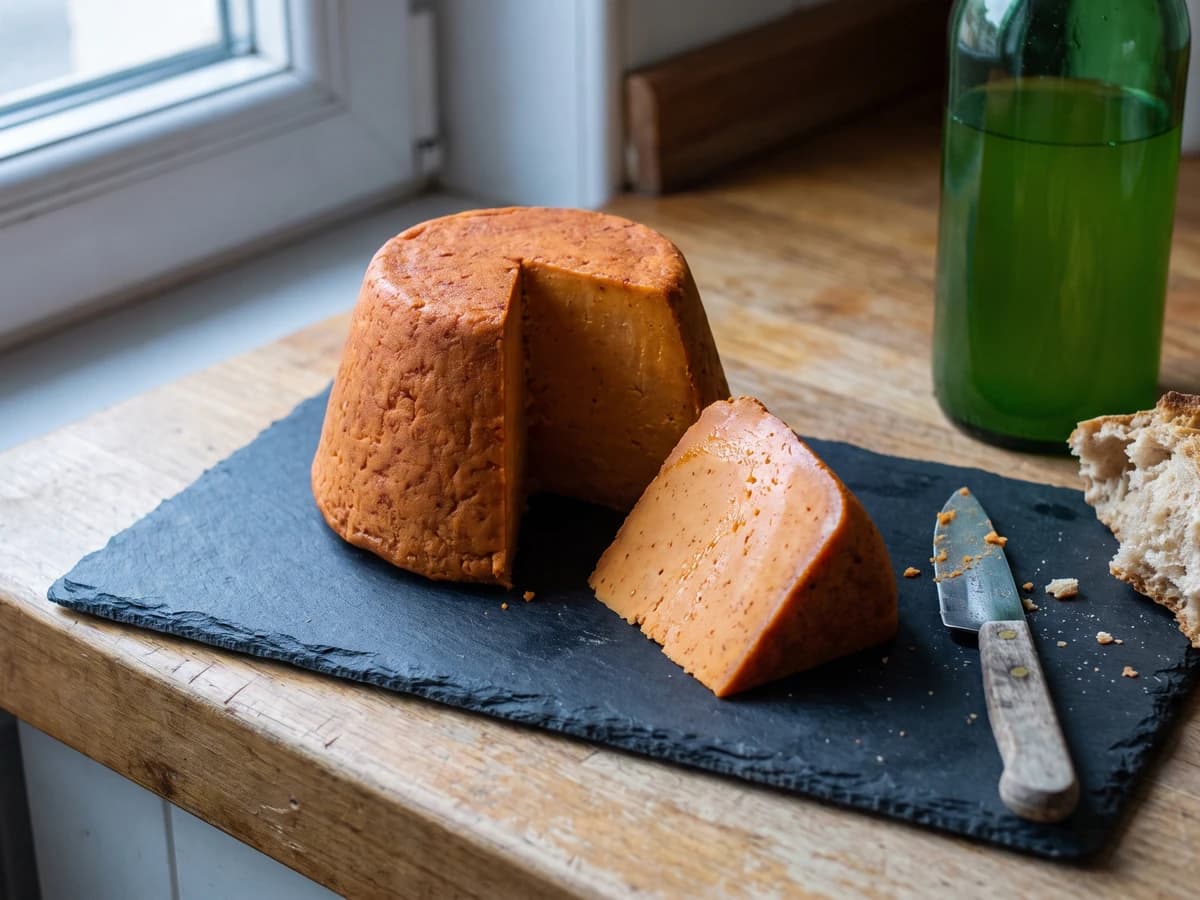
Afuega'l Pitu Roxu is Asturias in a small cheese: cow's milk set slowly to a dense curd, drained without squeezing, then kneaded with pimentón until it turns orange and grips the throat.
Chef Isabel
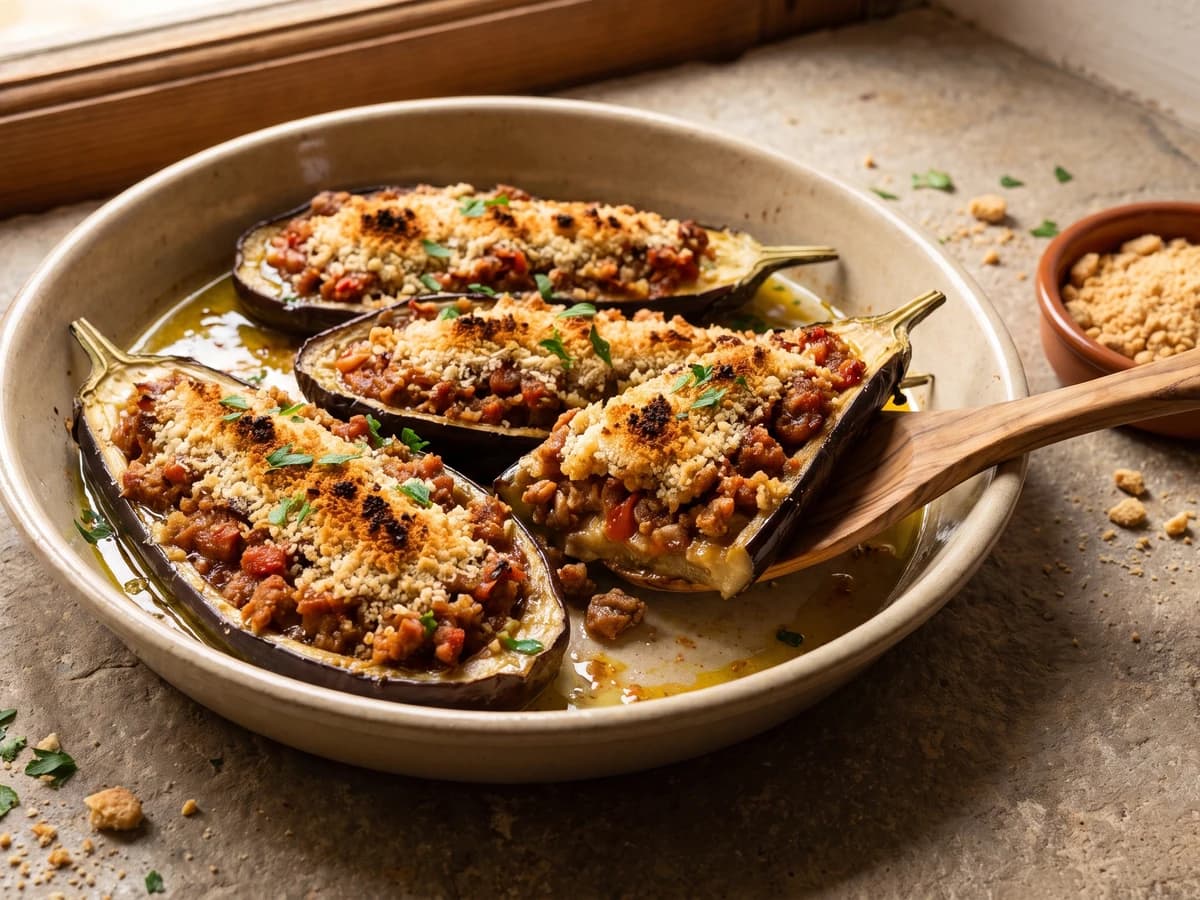
Albergínies farcides are Mallorca's summer stuffed aubergines: tender boiled shells, a slow pork sofrito with moraduix, and a plain breadcrumb cap baked until the top turns crisp and golden.

Chef Isabel
Carxofes farcides are Catalan stuffed artichokes: tender hearts filled with jamón, slow sweet onion, and breadcrumbs, then baked in a light creamy sauce until the tops turn golden.