Chef Isabel
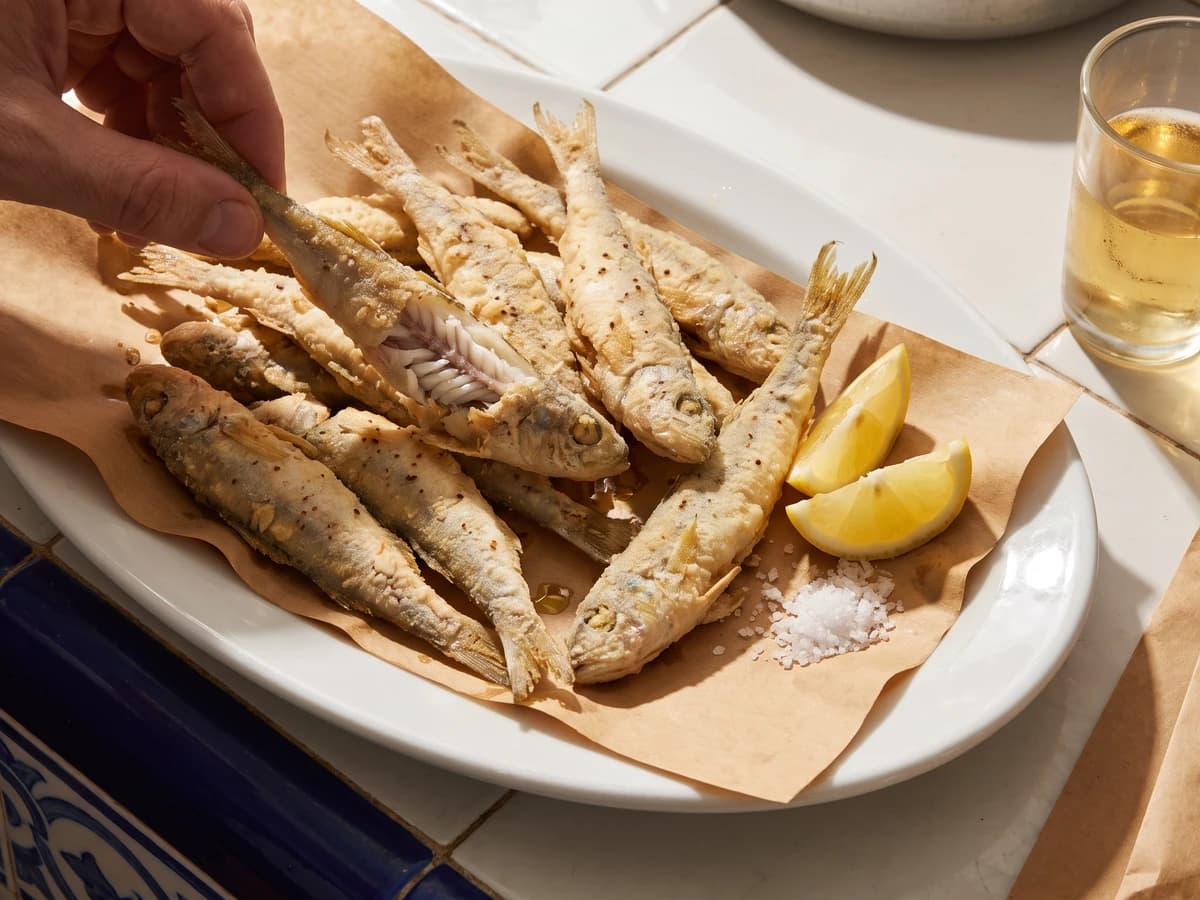
Acedías Fritas de Cádiz
Acedías fritas belong to Cádiz: tiny wedge sole, salted, dusted in frying flour, and dropped into very hot olive oil so the rims crisp while the fish stays tender.
A cooking platform built around craft, culture, and the stories behind what we eat.
Created by
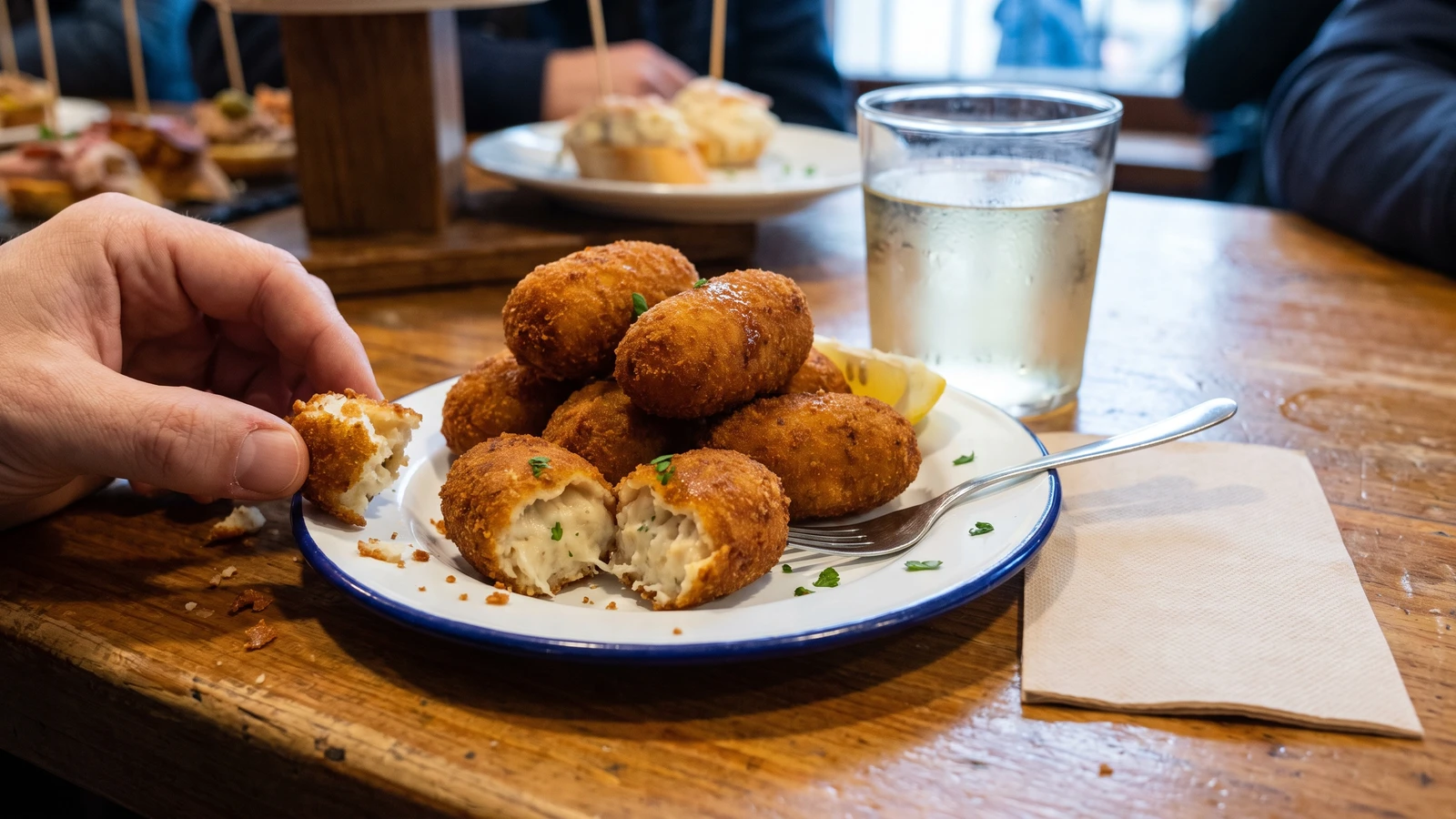
Croquetas de bacalao are northern, and in the Basque kitchen the cod leads: desalt it slowly, bind it in thick bechamel, chill it firm, then fry until the shell is crisp.
Croquetas de bacalao del País Vasco belong to the northern habit of making salt cod go far and taste generous. This is not a croqueta with a little fish hiding in milk paste. The bacalao is desalted slowly, flaked cleanly, and folded through a thick bechamel so every bite tastes of cod, olive oil, onion, and a quiet scrape of nutmeg.
The method that decides it is the bechamel. Cook the flour in the oil and butter until it smells nutty, then add the milk little by little and keep stirring until the paste pulls away from the pan. Too loose, and the croquetas burst in the oil. Thick and rested cold, they roll easily, fry cleanly, and come out creamy inside. Siempre sale, si lo sigues.
If you are far from a Basque market, buy good salt cod from a Portuguese, Italian, Caribbean, or Latin shop and desalt it yourself. If you can only find already-desalted frozen bacalao, use it, but dry it very well and taste before salting the filling. What you must not use is fresh cod and pretend it is the same thing. It makes a pleasant fish croqueta, yes, but not this one.
My Margin has the warning in very plain words: chill the masa longer than you think. The filling needs time to set and taste of itself. Nadie nace sabiendo, nobody is born knowing, but this is one of those dishes where patience does half the cooking for you.
Salt cod is part of the old northern larder, especially in the Basque Country, where preserved bacalao fed inland kitchens long after the fishing boats and trade routes brought it home. Croquetas grew from the household need to stretch a prized ingredient with milk, flour, and careful frying, turning scraps of fish into a dish good enough for feast days and Lent alike. In Basque bars and home kitchens, bacalao croquetas sit beside other salt-cod dishes such as bacalao al pil pil and a la vizcaína, each one showing the same lesson: preservation became flavour.
Quantity
250g
desalted over 36 to 48 hours, skin and bones removed
Quantity
500ml
Quantity
60g
Quantity
40ml
Quantity
90g
for the bechamel
Quantity
1
very finely minced
Quantity
1
finely minced
Quantity
1 tablespoon
finely chopped
Quantity
1/8 teaspoon
Quantity
only if needed
Quantity
to taste
Quantity
2
beaten
Quantity
120g
for coating
Quantity
180g
Quantity
1 litre
for frying
| Ingredient | Quantity |
|---|---|
| salt coddesalted over 36 to 48 hours, skin and bones removed | 250g |
| whole milk | 500ml |
| unsalted butter | 60g |
| olive oil | 40ml |
| plain flourfor the bechamel | 90g |
| small onionvery finely minced | 1 |
| garlic clovefinely minced | 1 |
| parsleyfinely chopped | 1 tablespoon |
| freshly grated nutmeg | 1/8 teaspoon |
| fine salt (optional) | only if needed |
| freshly ground black pepper | to taste |
| large eggsbeaten | 2 |
| plain flourfor coating | 120g |
| fine dry breadcrumbs | 180g |
| olive oil or mild frying oilfor frying | 1 litre |
Rinse the salt cod well under cold water, then put it in a bowl and cover with plenty of cold water. Refrigerate for 36 to 48 hours, changing the water every 8 to 12 hours. Taste a tiny flake after poaching later; it should be savory, not harsh. Desalting is not a decorative step. Rush it and the whole croqueta tastes angry.
Drain the cod and put it in a small pan with the 500ml milk. Bring just to the edge of a simmer, then turn off the heat and let the fish sit in the hot milk for 10 minutes. Lift out the cod, keeping the milk, and flake the fish finely with your fingers, removing every bit of skin and bone. Keep the flakes small so the filling rolls cleanly.
Melt the butter with the olive oil in a wide pan over medium-low heat. Add the onion and cook 8 to 10 minutes, stirring often, until soft and sweet but not browned. Add the garlic for the last minute. This is not a dark sofrito, the slow onion base used in stews; here it only needs to lose its raw bite and disappear into the bechamel.
Stir in the 90g flour and cook for 3 minutes, scraping the pan, until the mixture looks sandy and smells faintly nutty. Do not leave raw flour in it. That is the taste that makes a croqueta dull no matter how good the cod was.
Add the warm cod milk little by little, stirring hard after each addition until smooth before adding more. Once all the milk is in, cook 10 to 12 minutes, stirring constantly, until the masa is thick, glossy, and pulls away from the sides and bottom of the pan in one heavy sheet. Pésalo, no lo adivines, and cook it thick enough. Loose bechamel is why croquetas burst.
Stir in the flaked cod, parsley, nutmeg, and black pepper. Taste before adding salt, because the bacalao may have given enough. Cook 2 minutes more, still stirring, so the fish and bechamel become one filling rather than fish scattered through sauce.
Scrape the filling into a shallow dish, press baking paper or film directly onto the surface, and refrigerate at least 4 hours, preferably overnight. Cold masa rolls instead of smearing. This is the patience you think you can skip, and then the oil tells the truth.
Set out three dishes: 120g flour, the beaten eggs, and the breadcrumbs. With lightly oiled hands, shape the cold filling into 24 short cylinders, about 30g each. Roll each one in flour, then egg, then breadcrumbs, making sure the coating is even and closed at the ends. Put them back in the refrigerator for 30 minutes while the oil heats.
Heat the oil to 175C in a deep pan. Fry the croquetas in small batches for 2 to 3 minutes, turning once, until evenly deep gold and crisp. Do not crowd the pan or the temperature drops and the coating drinks oil. Drain on a rack or paper, then let them stand 3 minutes before eating; the inside will be creamy and very hot.
1 serving (about 50g)
Culinary guides, cultural storytelling, and the editorial depth that makes cooking meaningful.
Discover Culinary ExplorerChef Isabel
Acedías fritas belong to Cádiz: tiny wedge sole, salted, dusted in frying flour, and dropped into very hot olive oil so the rims crisp while the fish stays tender.
Chef Isabel
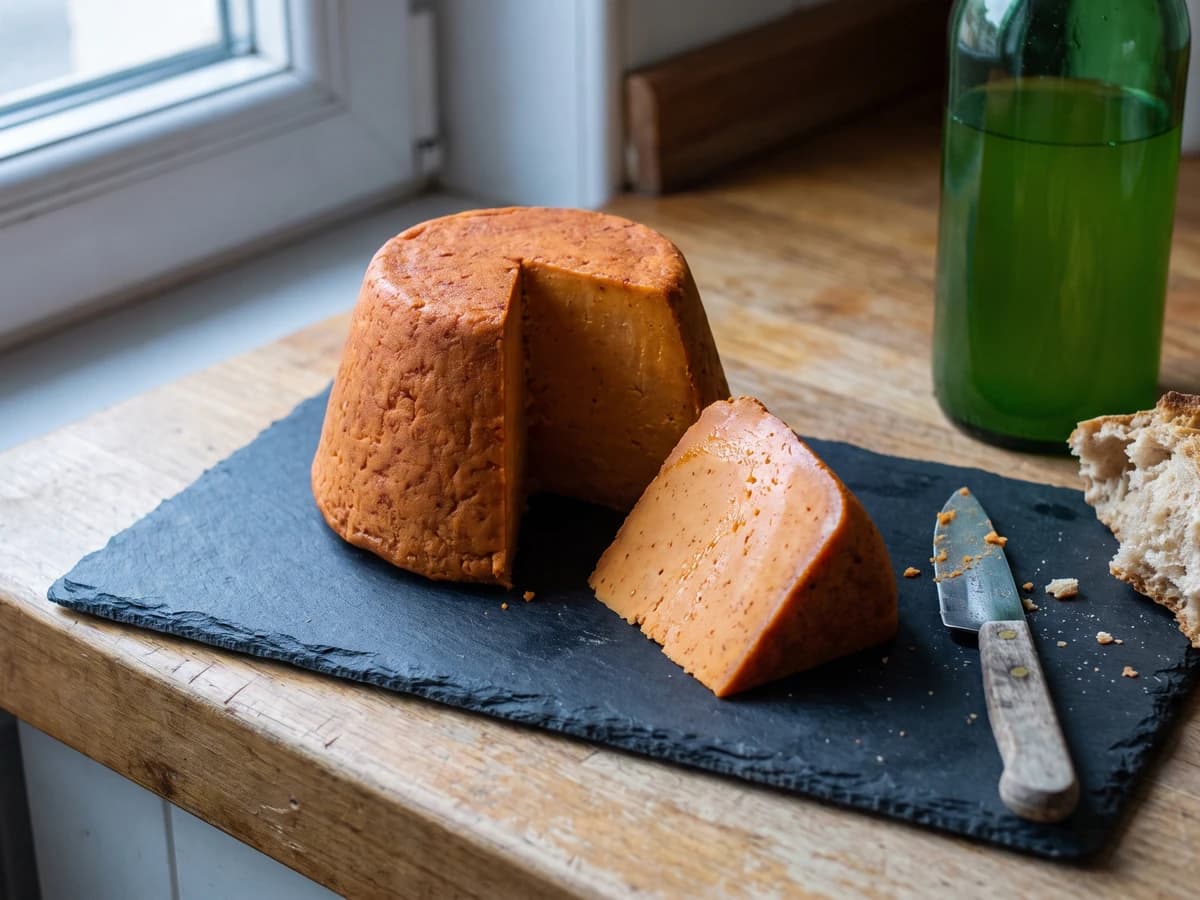
Afuega'l Pitu Roxu is Asturias in a small cheese: cow's milk set slowly to a dense curd, drained without squeezing, then kneaded with pimentón until it turns orange and grips the throat.
Chef Isabel
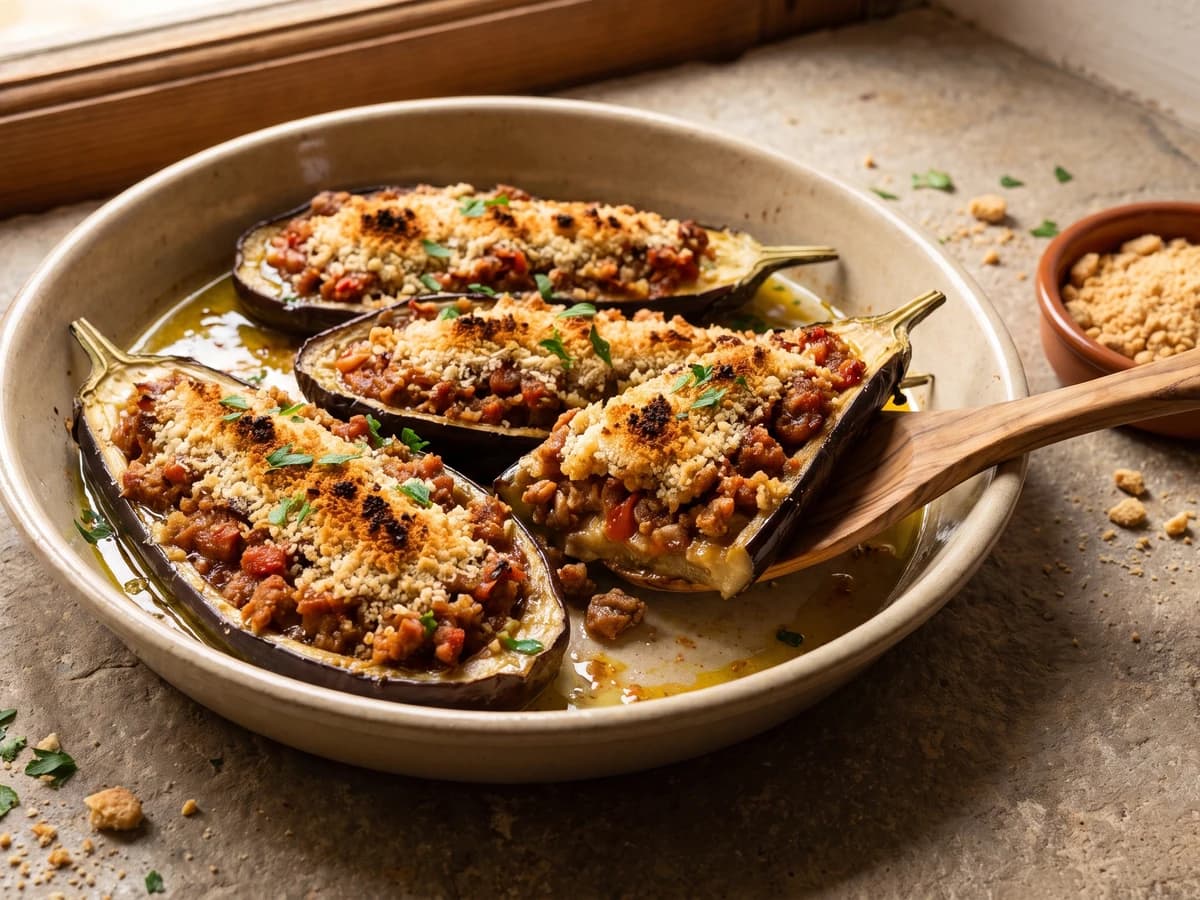
Albergínies farcides are Mallorca's summer stuffed aubergines: tender boiled shells, a slow pork sofrito with moraduix, and a plain breadcrumb cap baked until the top turns crisp and golden.

Chef Isabel
Carxofes farcides are Catalan stuffed artichokes: tender hearts filled with jamón, slow sweet onion, and breadcrumbs, then baked in a light creamy sauce until the tops turn golden.