Chef Juliana
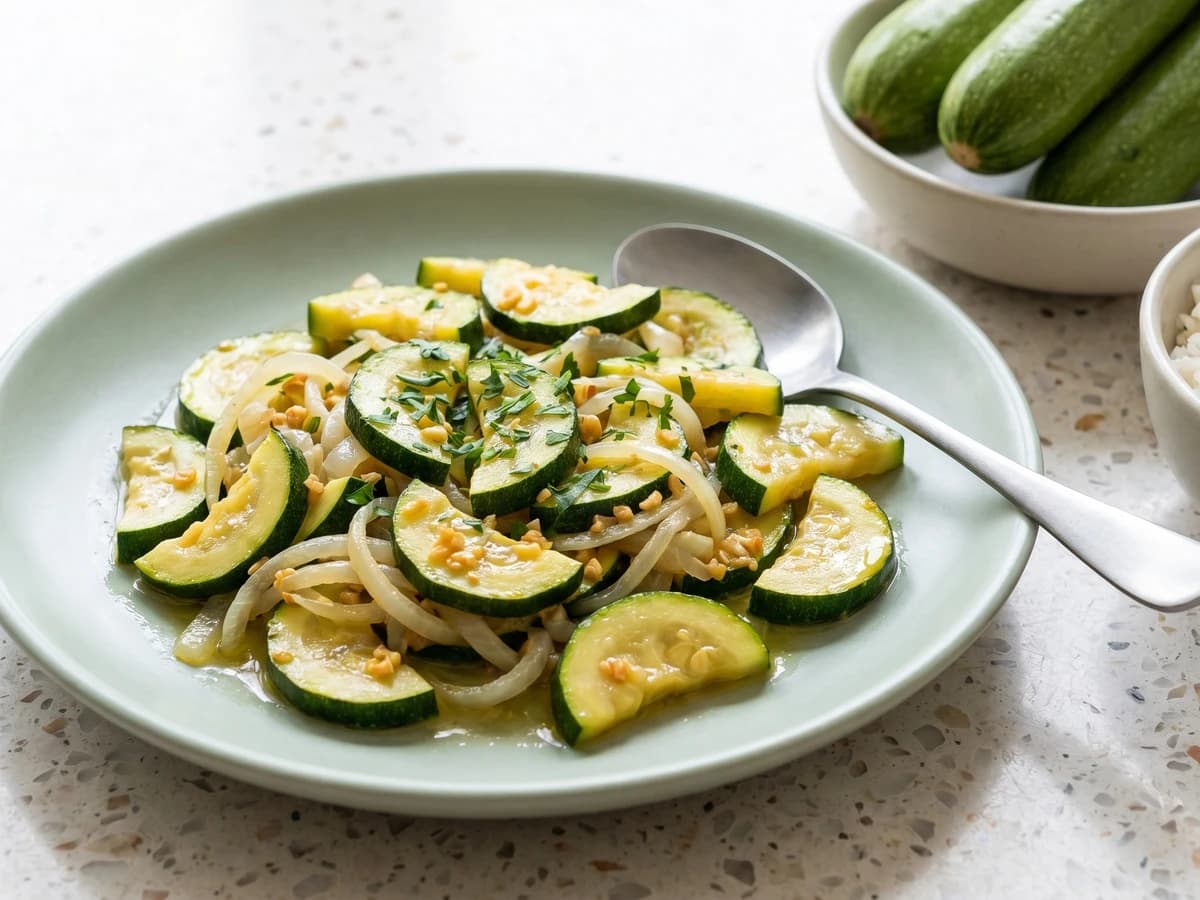
Abobrinha Refogada
You think you'll turn zucchini into mush. Fine. Anota aí: high heat, wide pan, salt at the end, and suddenly this little green side starts solving dinner.
A cooking platform built around craft, culture, and the stories behind what we eat.

Created by
The green corner of the pê-efe is not restaurant magic. Dry the leaves, slice them thin, wake garlic in oil, and stop while the couve is still bright.
You look at a bunch of couve and hear the little voice: isso não é pra mim. Good. Let it talk for one second, then put it to work. This is not restaurant skill, it's sequence: wash, dry, roll, slice, refogar fast. Cozinhar não é dom, é um aprendizado, and this one is a very short lesson.
I care about this little pan of greens because the pê-efe needs its green corner. Rice, beans, a piece of meat or an egg, and something fresh and green. That plate is not humble filler. It's the everyday formula that quietly keeps a country itself, and couve does its job without asking for applause.
The why is simple. Dry leaves hit the pan and gloss instead of watering everything down. Thin ribbons murchar in seconds, so they stay bright instead of turning dull and tired. Garlic goes into oil first because fat carries flavor across every strip of leaf. No packet, no powder pretending to be dinner. A gente is making comida de verdade with a skillet and three minutes.
By the end, you'll have couve that tastes sharp, green, garlicky, and alive. Not garnish. Dinner solved.
The couve most Brazilians sauté, often called couve-manteiga, belongs to the same Brassica family as the greens Portuguese cooks used in soups like caldo verde, but Brazil made it a quick refogado for the everyday plate. In Minas Gerais and Rio de Janeiro especially, thin-cut garlic couve became a fixed companion to tutu de feijão and feijoada, where its slight bitterness cuts the richness and gives the plate its green corner.
Quantity
1 large bunch, about 10 to 12 large leaves or 6 packed cups sliced
washed, dried, thick stems removed, sliced very thin
Quantity
2 tablespoons
Quantity
3 large cloves
minced or sliced very thin
Quantity
1/2 teaspoon, plus more to taste
Quantity
1 teaspoon
| Ingredient | Quantity |
|---|---|
| collard greens (couve)washed, dried, thick stems removed, sliced very thin | 1 large bunch, about 10 to 12 large leaves or 6 packed cups sliced |
| oil or banha (rendered pork fat) | 2 tablespoons |
| garlicminced or sliced very thin | 3 large cloves |
| fine salt | 1/2 teaspoon, plus more to taste |
| fresh lime or lemon juice (optional) | 1 teaspoon |
Wash the couve leaves well, then pull or cut away the thick center stems. Dry the leaves until they feel dry to the touch, not damp. Wet leaves throw water into the skillet, the oil cools down, and you end up boiling couve instead of refogando it.
Stack 4 or 5 leaves at a time, roll them tightly like a little cigar, and cut across the roll into ribbons as thin as you can manage, about 1/8 inch. Fluff the pile with your fingers. Thin couve cooks evenly in seconds; thick strips need longer, turn chewy, and lose that clean green bite.
Set a wide skillet over medium heat and add the oil. Add the garlic and stir for 20 to 30 seconds, just until it smells sweet and starts to go pale gold. That smell is your cue. Brown garlic is bitter and unforgiving, and it'll boss the whole pan around.
Raise the heat to medium-high, add the sliced couve and salt, and toss constantly for 30 to 60 seconds. Watch for the leaves to turn glossy, bright green, and slightly wilted while still springy. Stop there. Keep cooking and the couve goes dull, wet, and tired, and you'll blame yourself instead of the clock.
Turn off the heat, taste, and adjust the salt. Add the lime or lemon juice only if the couve tastes a little flat or bitter, then toss once more. Serve right away beside rice, feijão, and whatever else is solving dinner tonight. Couve waits badly, so bring it to the table while it still looks alive.
1 serving (about 85g)
Culinary guides, cultural storytelling, and the editorial depth that makes cooking meaningful.
Discover Culinary ExplorerChef Juliana
You think you'll turn zucchini into mush. Fine. Anota aí: high heat, wide pan, salt at the end, and suddenly this little green side starts solving dinner.

Chef Juliana
You think this is sacred enough to be impossible. It isn't. Acaçá is patience, stirring, and ponto, taught plainly, with respect for the terreiros that carry it.
Chef Juliana
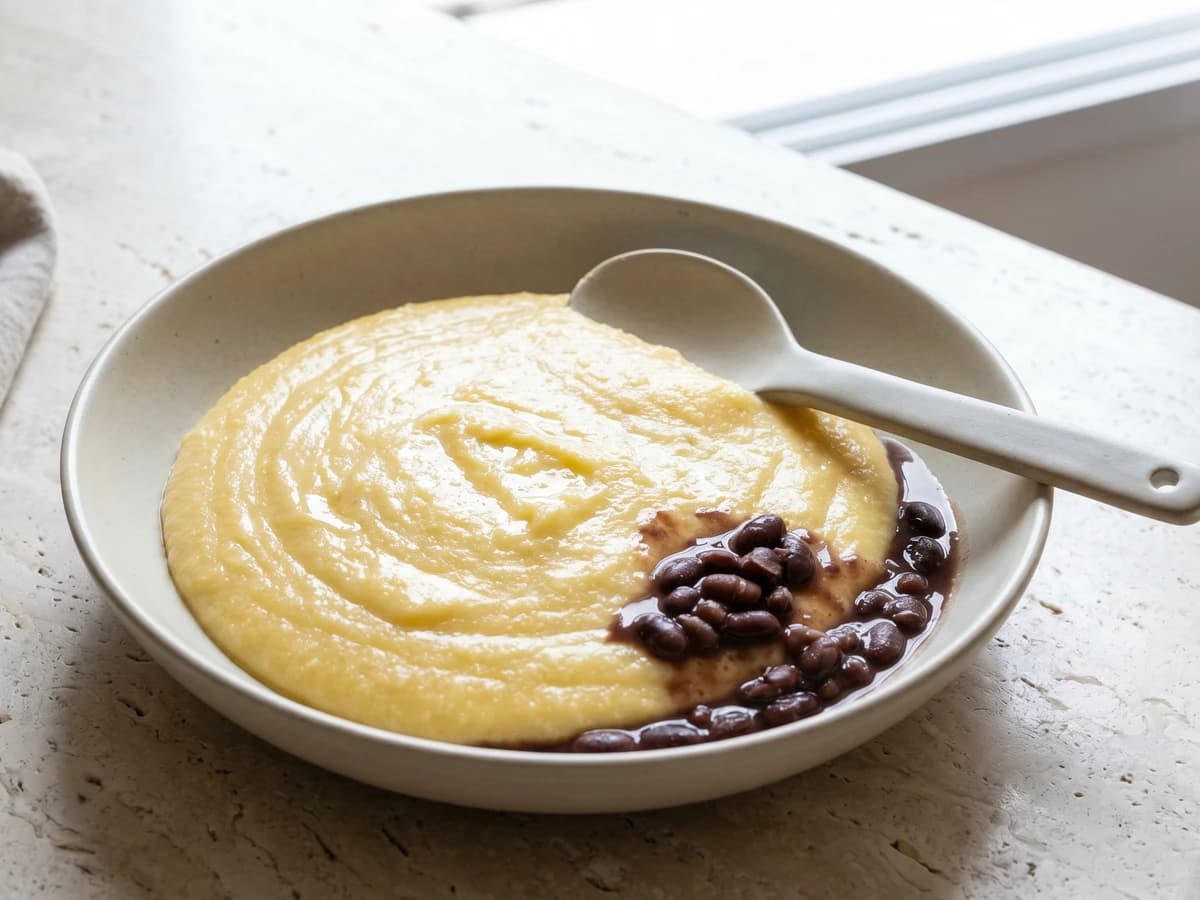
You think cornmeal will turn into lumps and shame. It won't. Cold water first, patient stirring, and a real garlic base give you angu that solves dinner.
Chef Juliana
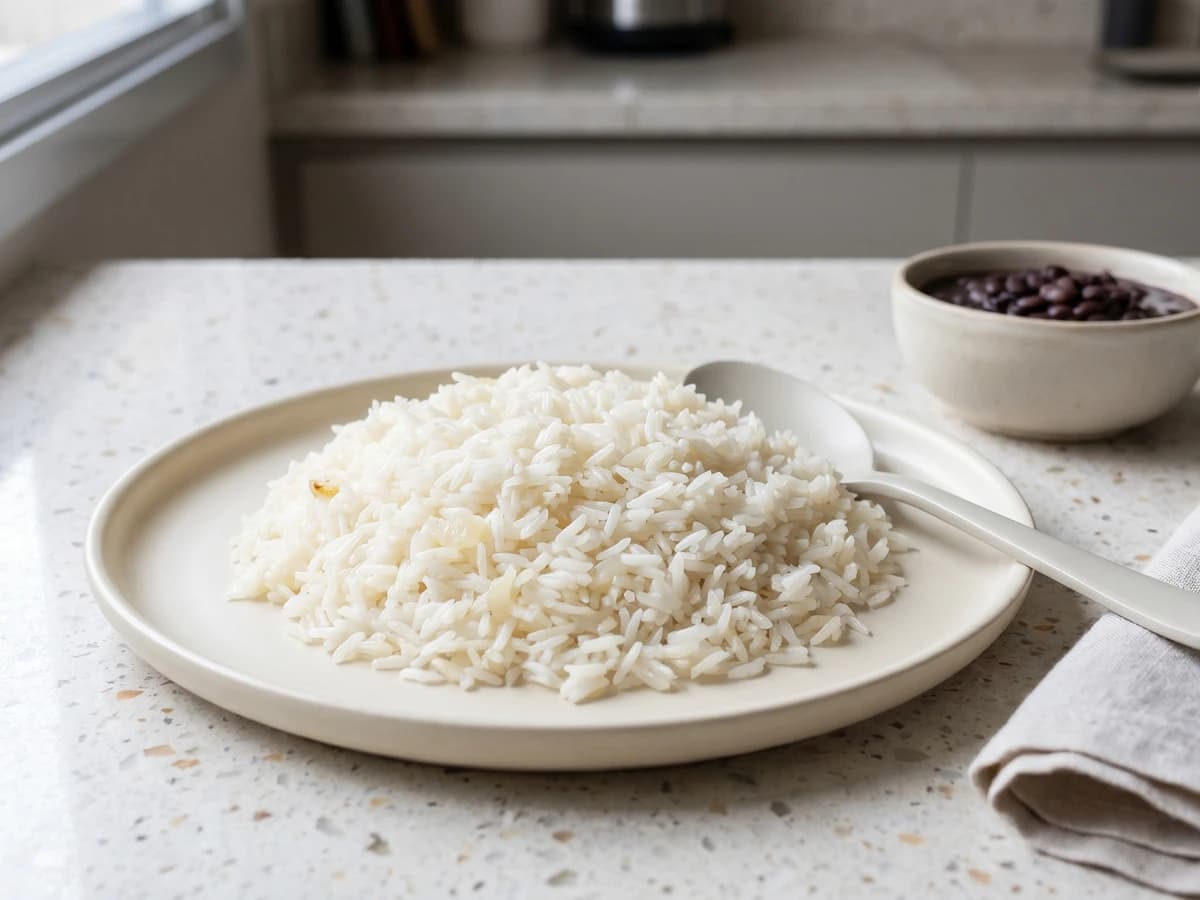
Everyone swears they can't make good rice. They're wrong. Refogue onion and garlic, use two parts water to one rice, then close the lid and leave the poor thing alone.