Chef Isabel
Acedías Fritas de Cádiz
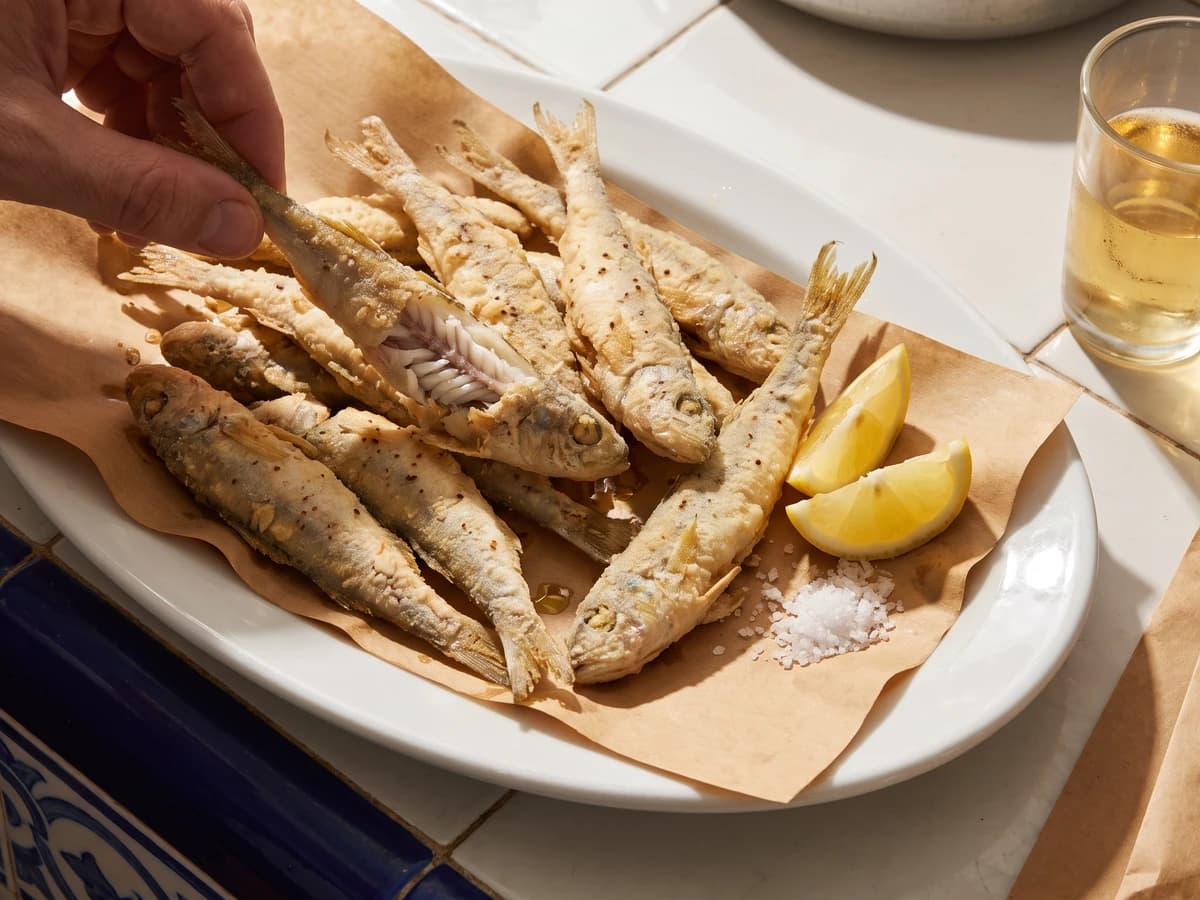
Acedías fritas belong to Cádiz: tiny wedge sole, salted, dusted in frying flour, and dropped into very hot olive oil so the rims crisp while the fish stays tender.
A cooking platform built around craft, culture, and the stories behind what we eat.
Created by
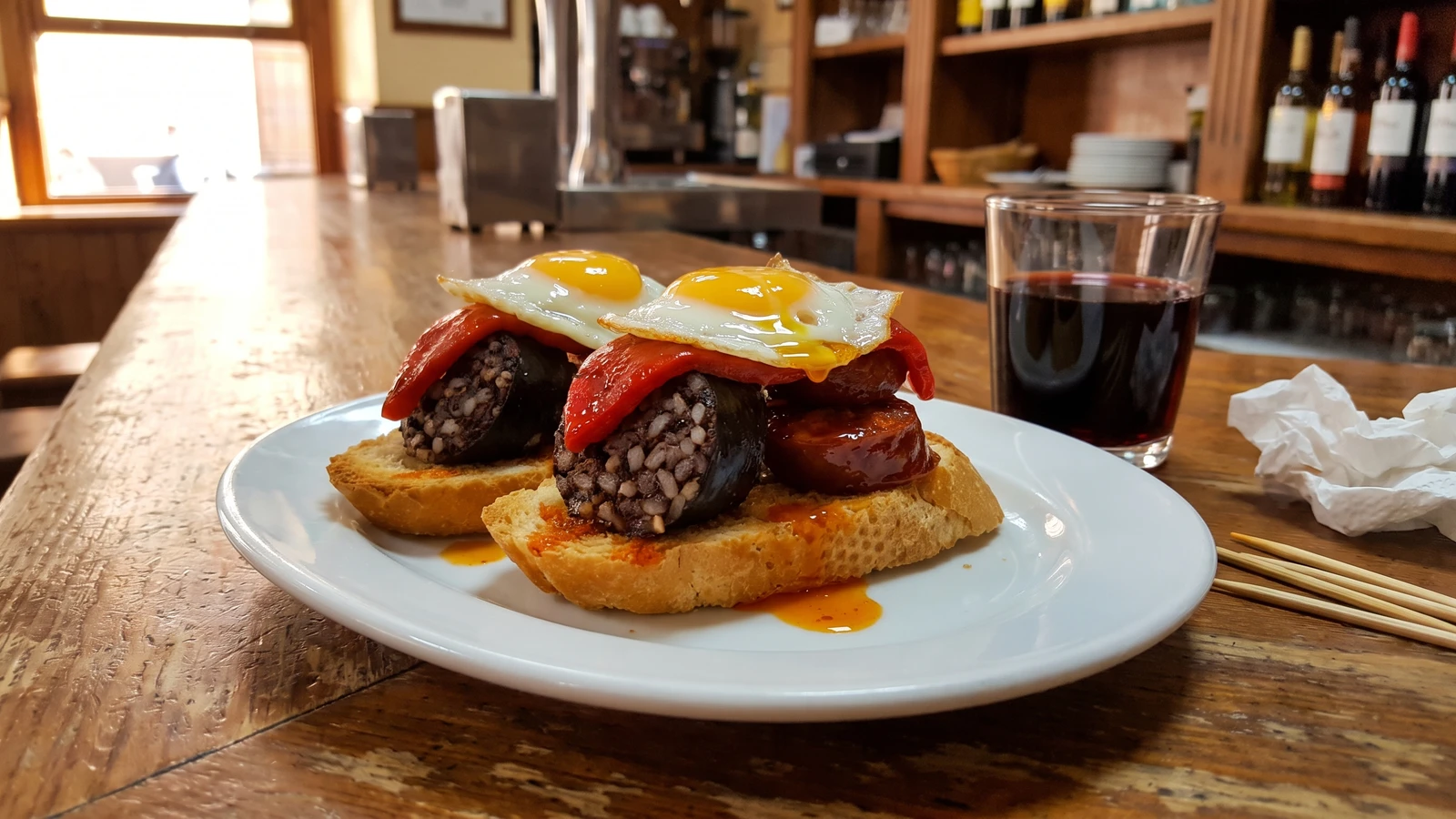
Cojonudo de Burgos is a hot pincho built on good embutido, crisp toast, and a fried quail egg. The bite works only if the bread holds and the yolk runs.
Cojonudo de Burgos belongs to Burgos, and it says exactly what that province knows how to do with embutido: a slice of bread, a coin of chorizo, a piece of morcilla de Burgos, roasted red pepper, and a fried quail egg on top. It is small food, yes. It is not careless food. The whole thing should go into your mouth hot, with the yolk breaking into the chorizo oil and the rice-rich morcilla underneath.
The method that decides it is the order. Toast the bread well so it can carry the fat, warm the chorizo and morcilla just until their edges gloss and release their oil, then fry the quail egg last. If the egg waits, the yolk sets. If the bread is soft, the tapa collapses before it reaches the table. Simple dishes are like that, they leave you nowhere to hide.
If you're far from Burgos, no hace falta haber pisado España. Use a real Spanish cooking chorizo if you can find it, and for the morcilla look for morcilla de Burgos, the one with rice. A plain blood sausage can stand in, but it will be softer and darker, without that loose grain of rice that makes this Burgos and not a neighbour's. Siempre sale, si lo sigues: toast, embutido, pepper, egg, and serve at once.
The cojonudo is a Burgos bar pincho built from the province's cured and fresh sausages, especially morcilla de Burgos, the rice blood sausage tied to the Castilian pig-killing larder. It belongs to the same practical tradition as other Castilian bread-based bites: good bread used as plate, utensil, and part of the dish. In Burgos bars, chorizo and morcilla versions often sit close together, with the quail egg turning a few cheap pantry pieces into one rich mouthful.
Quantity
8 slices
cut about 1.5cm thick
Quantity
120g
cut into 8 thick coins
Quantity
160g
cut into 8 thick half-moons or coins
Quantity
80g
cut into 8 strips
Quantity
8
Quantity
2 tablespoons
divided
Quantity
to taste
| Ingredient | Quantity |
|---|---|
| rustic baguette or barra de pancut about 1.5cm thick | 8 slices |
| cooking chorizocut into 8 thick coins | 120g |
| morcilla de Burgoscut into 8 thick half-moons or coins | 160g |
| roasted red pepper or pimiento del piquillocut into 8 strips | 80g |
| quail eggs | 8 |
| olive oildivided | 2 tablespoons |
| fine salt | to taste |
Toast the bread slices until the edges are crisp and the centers are dry enough to hold the sausage oil. Do not leave them pale and soft. This bread is the plate, and if it bends, the whole cojonudo loses its sense.
Heat 1 tablespoon of olive oil in a skillet over medium heat. Add the chorizo coins and cook for about 1 minute per side, just until glossy and red oil gathers in the pan. Add the morcilla pieces and cook gently for 45 to 60 seconds per side, turning with care so they do not crumble.
Set one piece of chorizo and one piece of morcilla on each toast. Lay a strip of roasted red pepper over the sausage. Keep the pieces compact, because this is meant to be eaten in one hot bite, not chased around the plate with a fork.
Crack the quail eggs into a small bowl first, one by one, because their shells are tough. Heat the remaining tablespoon of olive oil in a small non-stick skillet over medium-high heat. Slide in the eggs and fry just until the whites set and the yolks stay liquid, about 45 to 60 seconds. Salt lightly.
Top each toast with one fried quail egg and serve immediately, while the sausage is glossy and the yolk still runs. The first bite should bring crisp bread, pimentón oil, loose morcilla rice, sweet pepper, and egg together. That is the point.
1 serving (about 70g)
Culinary guides, cultural storytelling, and the editorial depth that makes cooking meaningful.
Discover Culinary ExplorerChef Isabel
Acedías fritas belong to Cádiz: tiny wedge sole, salted, dusted in frying flour, and dropped into very hot olive oil so the rims crisp while the fish stays tender.
Chef Isabel
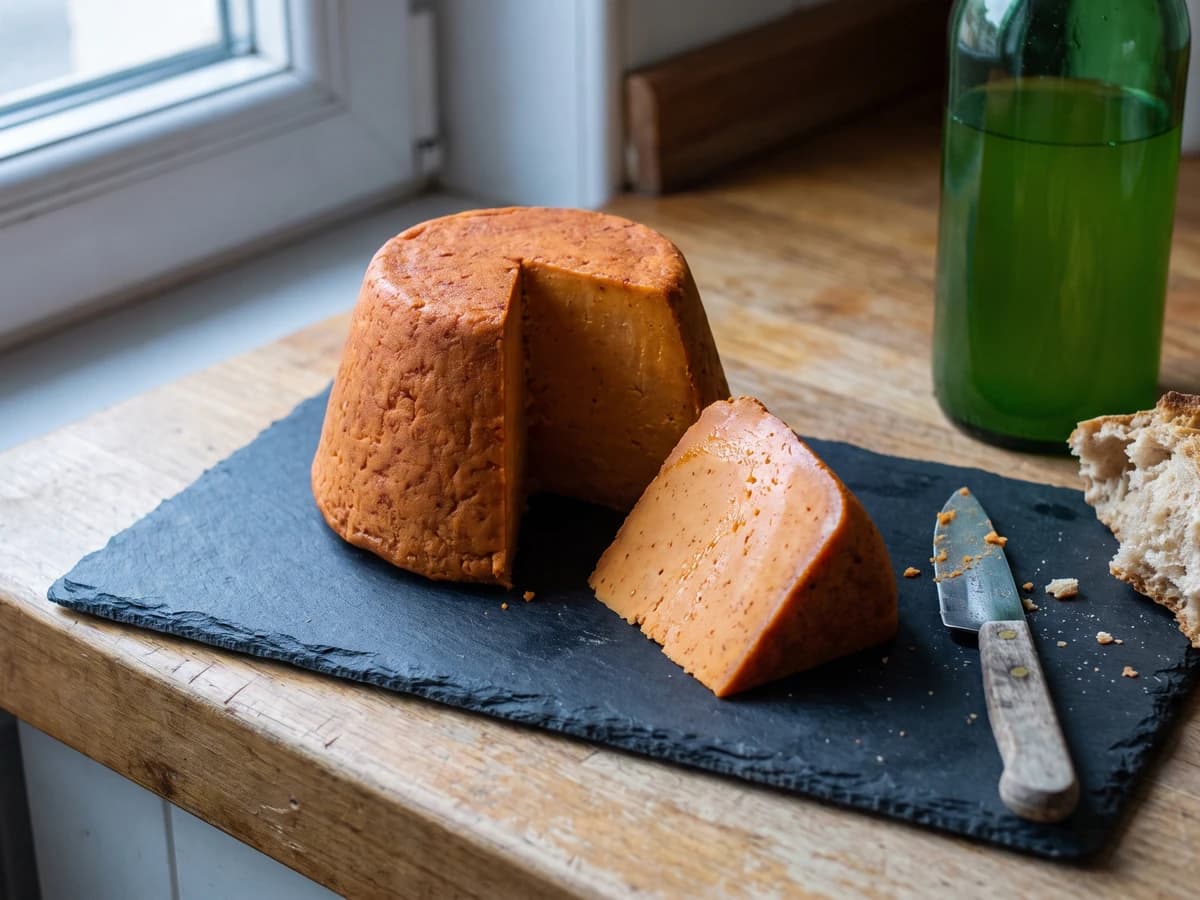
Afuega'l Pitu Roxu is Asturias in a small cheese: cow's milk set slowly to a dense curd, drained without squeezing, then kneaded with pimentón until it turns orange and grips the throat.
Chef Isabel
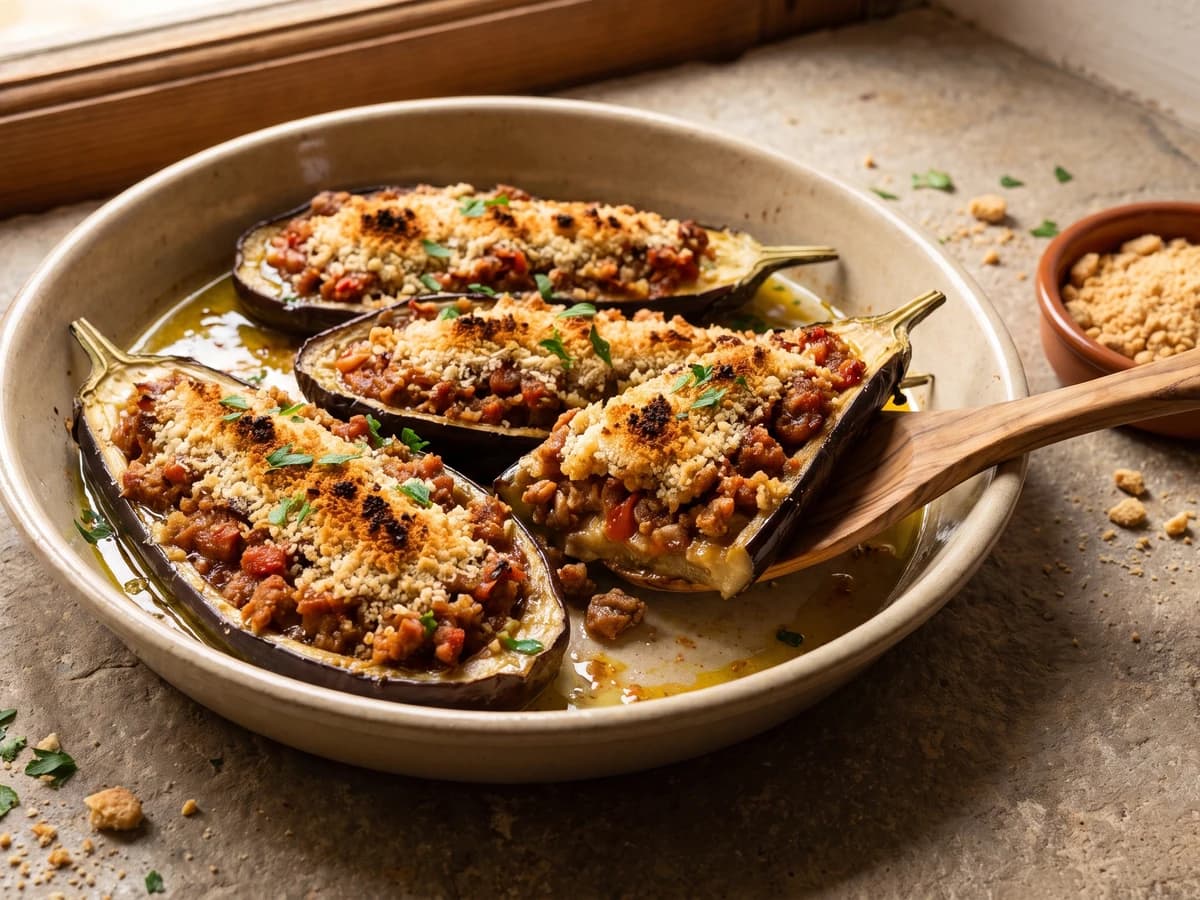
Albergínies farcides are Mallorca's summer stuffed aubergines: tender boiled shells, a slow pork sofrito with moraduix, and a plain breadcrumb cap baked until the top turns crisp and golden.

Chef Isabel
Carxofes farcides are Catalan stuffed artichokes: tender hearts filled with jamón, slow sweet onion, and breadcrumbs, then baked in a light creamy sauce until the tops turn golden.