
Chef Dean
Apple Cinnamon Pancakes
Tender buttermilk pancakes folded with butter-glazed apple pieces and warm cinnamon, stacked high and drowning in maple syrup. This is Sunday morning the way it ought to be.
A cooking platform built around craft, culture, and the stories behind what we eat.
Created by
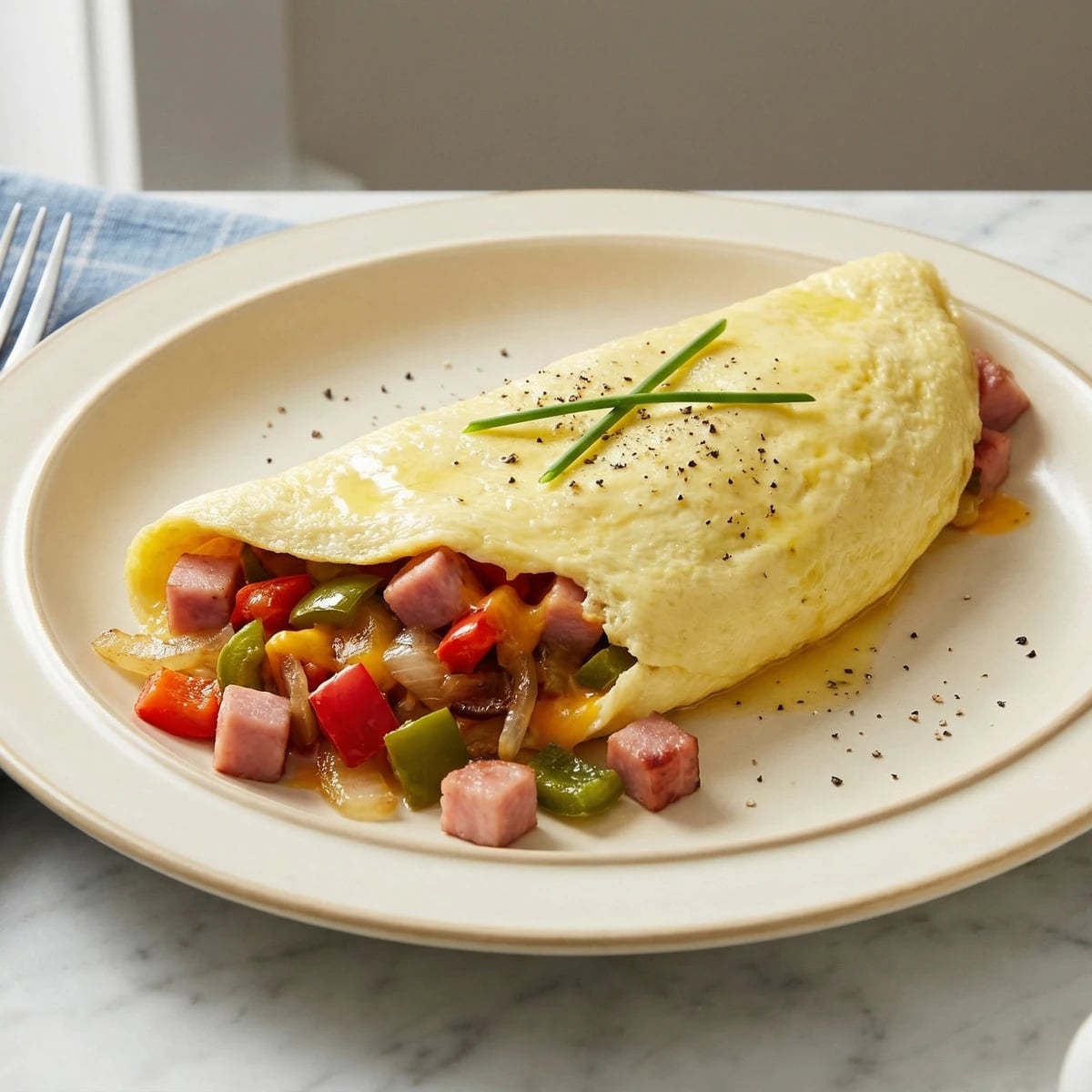
The diner classic done right: three golden eggs wrapped around smoky ham, sweet peppers, and caramelized onions with just enough melted cheese to hold everything together. This is breakfast that means business.
The Western omelet tells the story of America's expansion. Railroad workers and miners in the late 1800s needed substantial breakfasts that could be made quickly with provisions that traveled well: eggs, cured ham, onions, peppers. What they created became the backbone of every diner menu from Denver to Delaware.
My grandmother made this omelet every Sunday morning without fail. She'd have the ham diced before we woke, the peppers glistening in the pan by the time we shuffled into the kitchen. The smell alone was worth getting out of bed for. She never rushed. That's the first lesson.
The technique here matters more than the ingredients. A proper omelet requires patience and a willingness to keep the heat lower than your instincts suggest. High heat creates rubbery eggs with brown spots. Low heat and constant movement produce curds so tender they barely hold together. That's what we're after.
Quantity
3
Quantity
1 tablespoon
Quantity
1/4 teaspoon
Quantity
pinch
freshly ground
Quantity
2 tablespoons
divided
Quantity
1/4 cup (about 2 ounces)
diced
Quantity
2 tablespoons
diced
Quantity
2 tablespoons
diced
Quantity
2 tablespoons
diced
Quantity
1/4 cup
shredded
| Ingredient | Quantity |
|---|---|
| large eggs | 3 |
| whole milk or water | 1 tablespoon |
| kosher salt | 1/4 teaspoon |
| black pepperfreshly ground | pinch |
| unsalted butterdivided | 2 tablespoons |
| smoked hamdiced | 1/4 cup (about 2 ounces) |
| green bell pepperdiced | 2 tablespoons |
| red bell pepperdiced | 2 tablespoons |
| yellow oniondiced | 2 tablespoons |
| sharp cheddar cheeseshredded | 1/4 cup |
Crack the eggs into a small bowl. Add the milk, salt, and pepper. Beat with a fork until the whites and yolks are completely unified, about thirty vigorous strokes. You should see no streaks of white. Lift the fork and let the mixture fall back into the bowl. It should look like pale yellow cream.
Melt one tablespoon of butter in an 8 or 9-inch nonstick skillet over medium heat. When the foam subsides, add the ham, peppers, and onion. Cook, stirring occasionally, until the onions turn translucent and the peppers soften, about three minutes. The ham should develop light golden edges. Listen for a gentle sizzle, not an aggressive sputter.
Scrape the filling onto a small plate and set it within arm's reach. You'll need to work quickly once the eggs hit the pan. Wipe the skillet clean with a paper towel if needed. Return it to the burner over medium-low heat. Add the remaining tablespoon of butter.
Watch the butter melt and foam. When the foam begins to subside but before the butter browns, tilt the pan to coat the entire surface. Drop a tiny bit of egg mixture into the pan. It should set gently without sizzling aggressively. If it sputters and spits, your pan is too hot. Remove it from the heat for thirty seconds.
Pour the beaten eggs into the center of the pan. Let them sit undisturbed for about ten seconds until the edges just begin to set. Then, using a heatproof rubber spatula, gently push the cooked edges toward the center while tilting the pan to let uncooked egg flow underneath. Work your way around the pan in a circular motion. The surface should look like soft, creamy curds forming in a sea of liquid egg.
When the top is still slightly wet but no longer liquid (this happens faster than you expect), stop stirring. Sprinkle the cheese across one half of the omelet, then scatter the warm filling over the cheese. The residual heat from the filling helps melt the cheese. Let the omelet cook undisturbed for another fifteen to twenty seconds.
Tilt the pan toward your serving plate at a 45-degree angle. Using the spatula, fold the unfilled half of the omelet over the filling. Let gravity help slide the omelet onto the plate, folding it into a half-moon shape as it lands. The exterior should be pale gold with no brown spots. The seam should rest on the bottom.
Rub a small piece of cold butter across the top of the omelet if you want that diner shine. Serve immediately. An omelet waits for no one, not even the cook. The inside should be creamy, the filling warm, the cheese stretched between every bite.
1 serving (about 295g)
Culinary guides, cultural storytelling, and the editorial depth that makes cooking meaningful.
Discover Culinary Explorer
Chef Dean
Tender buttermilk pancakes folded with butter-glazed apple pieces and warm cinnamon, stacked high and drowning in maple syrup. This is Sunday morning the way it ought to be.

Chef Dean
Individual breakfast packages of farm eggs nestled in smoky ham, blanketed with melted sharp cheddar, ready for Sunday morning or make-ahead weekday fuel that tastes like someone who loves you made it.

Chef Ally
Oats softened overnight in yogurt and orchard cider, then crowned with whatever fruit the morning and the season bring to your table. A breakfast that asks almost nothing of you and gives back everything.

Chef Dean
Golden, shatteringly crisp potatoes mingled with sweet roasted peppers and caramelized onions, crowned with eggs whose yolks run like liquid sunshine when you break them open.