
Chef Dean
Strawberry Matcha Latte
Pink strawberry sweetness and grassy matcha earthiness in perfect visual and flavor harmony, layered in a tall glass that makes you pause before stirring because it looks too beautiful to disturb.
A cooking platform built around craft, culture, and the stories behind what we eat.
Created by
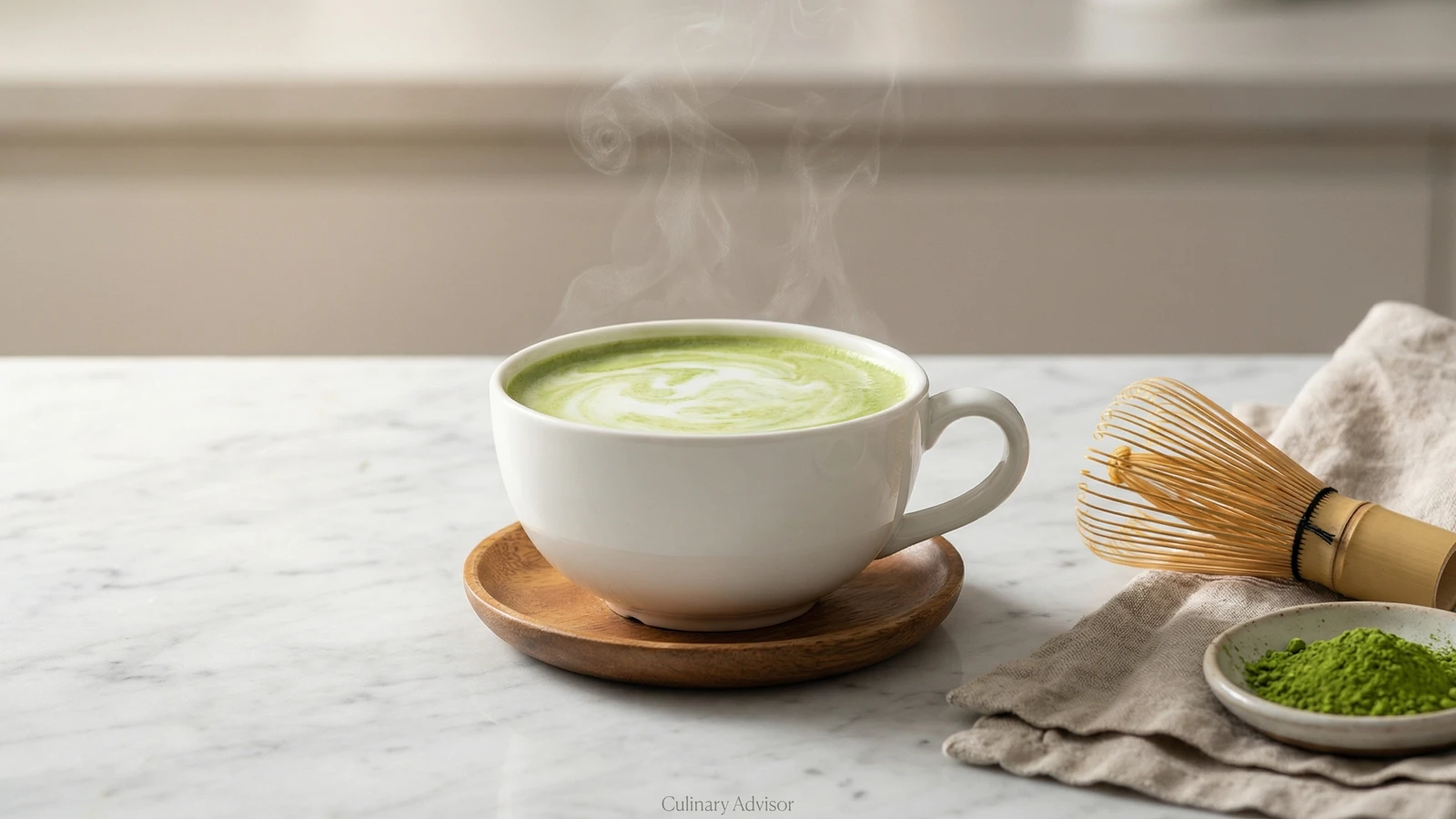
Vivid green ceremonial matcha whisked into a frothy concentrate, then married with velvety steamed milk. An honest recreation of Japan's meditative tea tradition, adapted for your morning kitchen.
The matcha latte represents something rare in modern coffee culture: a drink with actual history. For eight centuries, Buddhist monks in Japan have whisked this brilliant green powder as part of meditation rituals, prizing its calm alertness over coffee's jittery rush. The latte version softens matcha's vegetal intensity with milk, making it approachable for Western palates while preserving the essential character.
Quality matters here more than in almost any other drink you'll make. Ceremonial-grade matcha costs more because it comes from shade-grown tea leaves, hand-picked and stone-ground into powder so fine it dissolves rather than steeps. Culinary-grade matcha, the cheaper option sold for baking, will produce a bitter, muddy latte that explains why so many people think they don't like matcha. They've simply never tasted the real thing.
The technique requires attention but not skill. Sift the powder, use water below boiling, whisk with purpose. These three principles separate a transcendent matcha latte from a clumpy green disappointment. I've taught this to hundreds of students who arrived convinced they needed special equipment and Japanese training. They left making better lattes than most cafes serve.
Quantity
1 1/2 teaspoons (about 2g)
Quantity
2 tablespoons
heated to 175°F
Quantity
1 cup
Quantity
1 teaspoon
Quantity
for iced version
| Ingredient | Quantity |
|---|---|
| ceremonial-grade matcha powder | 1 1/2 teaspoons (about 2g) |
| hot waterheated to 175°F | 2 tablespoons |
| whole milk or oat milk | 1 cup |
| honey or maple syrup (optional) | 1 teaspoon |
| ice cubes (optional) | for iced version |
Place a fine-mesh strainer over a small bowl or traditional chawan. Measure your matcha into the strainer and press it through with the back of a spoon. This step is not optional. Matcha clumps fiercely, and no amount of whisking will dissolve those stubborn green pebbles once water hits them. The sifted powder should look like pale jade dust.
Bring water to a boil, then let it cool for two to three minutes until it reaches roughly 175°F. Boiling water scalds matcha, releasing harsh tannins that make the drink astringent and unpleasant. You want water that steams gently but doesn't roil. If you don't have a thermometer, wait until you can hold your hand above the kettle for two seconds without discomfort.
Add the hot water to your sifted matcha. Using a bamboo chasen or a small regular whisk, whisk vigorously in a W or M pattern, keeping the whisk just below the surface. The motion matters. Back-and-forth whisking introduces air and creates the characteristic layer of fine foam the Japanese call crema. Thirty seconds of focused effort will transform thin green liquid into a frothy, vivid suspension. The foam should be uniform and the color of new spring leaves.
Heat your milk in a small saucepan over medium heat until it begins to steam and tiny bubbles form around the edges, about 150°F. Remove from heat before it simmers. Froth using a handheld frother, pumping the motion up and down for twenty seconds until you've created a layer of microfoam. The milk should feel velvety when you swirl it, with bubbles so fine they're barely visible.
If adding sweetener, stir it into the warm matcha base now, while the heat helps it dissolve. Pour the steamed milk slowly into your serving cup. Add the whisked matcha by pouring it through the foam, creating a marbled effect as the green meets the white. The drink should show layers of color before you stir it together. Serve immediately.
Fill a tall glass generously with ice cubes. Pour cold milk over the ice, leaving room at the top. Add sweetener to your whisked matcha if using, then pour the vibrant green concentrate over the milk. Watch it cascade through the ice and settle at the bottom before the layers gradually mingle. Stir to combine, or leave it layered for the first few sips of intense matcha followed by creamy sweetness.
1 serving (about 297g)
Culinary guides, cultural storytelling, and the editorial depth that makes cooking meaningful.
Discover Culinary ExplorerChef Dean
Pink strawberry sweetness and grassy matcha earthiness in perfect visual and flavor harmony, layered in a tall glass that makes you pause before stirring because it looks too beautiful to disturb.

Chef Juliette
Bavaroise turns the ribbon stage into a drink: yolks and sugar, boiling tea and milk, and Kirsch whisked into a light crown of foam. Keep the whisk moving, and the café comes home.

Chef Juliette
Bischoff turns Champagne, tilleul, citrus, and brandy into pale-gold granité, coarse enough to sparkle under the spoon. The scraping makes the texture, and the timer becomes your smallest member of the brigade.

Chef Juliette
Café glacé is coffee taught by texture: dark, sweet, vanilla-softened, and churned only until it moves like loose snow. Stop before ice cream, pour into cold cups, and take it outside.