Chef Graziella
Affogato al Caffè
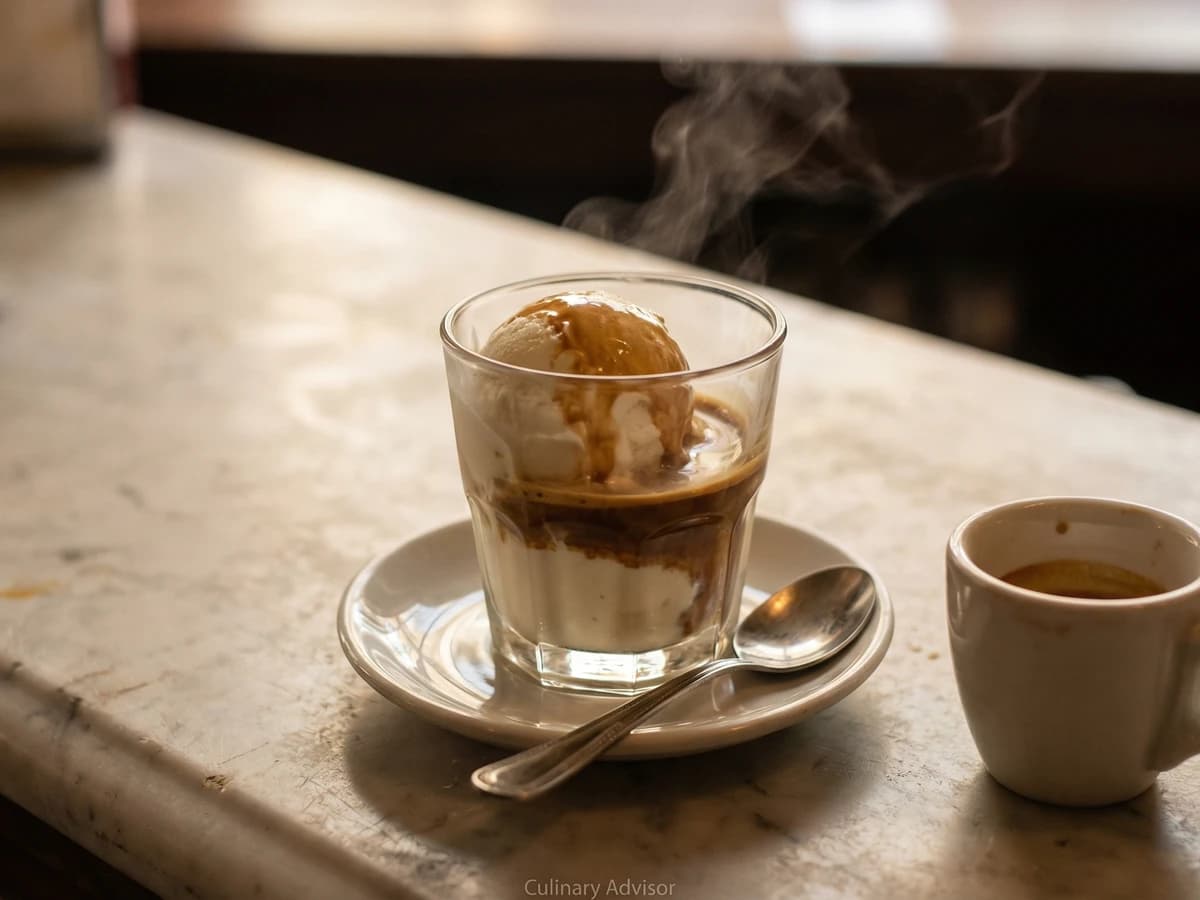
Three ingredients, no cooking, pure theater. The espresso must be fresh, the gelato must be cold, and the moment of pouring must happen at the table where everyone can watch.
A cooking platform built around craft, culture, and the stories behind what we eat.
Created by
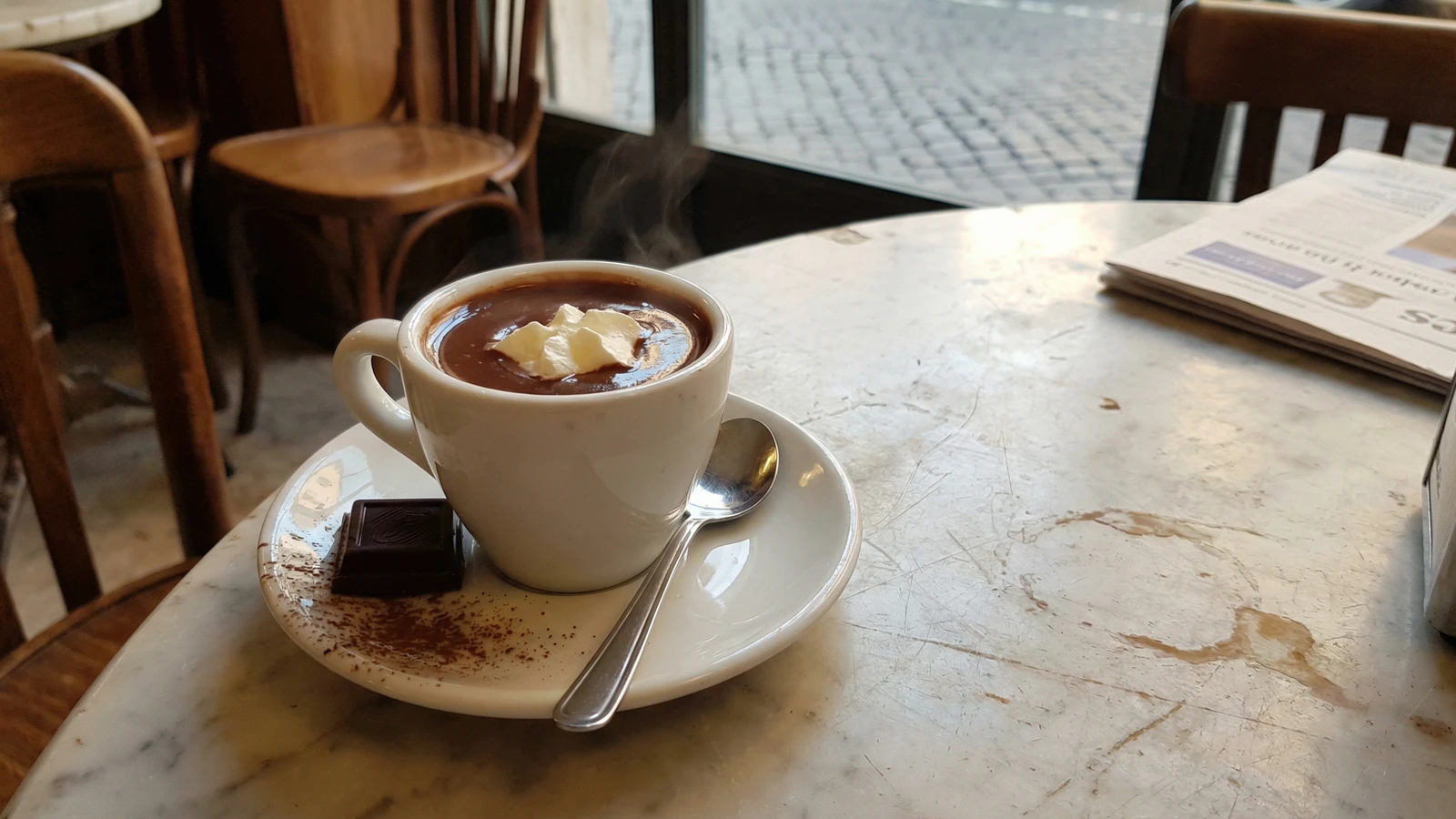
The dense, spoonable drinking chocolate of Italian cafés, thick as velvet and dark as a winter afternoon. This is what Americans think hot cocoa should taste like, before they actually taste it.
Americans do not understand hot chocolate. They understand hot cocoa, which is a different thing entirely: powdered milk solids, sugar, and perhaps some cocoa dust, dissolved in water and called chocolate. It is thin. It is sweet. It is not what Italians mean when they order cioccolata calda.
Real cioccolata is thick. It coats the cup. It requires a spoon because by the end, you cannot drink what remains at the bottom. The first sip is a revelation for anyone raised on packets of Swiss Miss. The chocolate flavor is intense, almost bitter, tempered by cream and just enough sugar to make it drinkable rather than medicinal.
In Turin, where this tradition reaches its highest expression, they serve it at the historic cafés that have stood since the 18th century. You sit at small marble tables, and a waiter brings you a small cup of something closer to chocolate pudding than any beverage you have known. This is as it should be. What you keep out is as significant as what you put in. Americans add water to stretch it, milk powder to cheapen it, corn syrup to sweeten it. Italians add nothing that does not belong.
Drinking chocolate arrived in Turin in the mid-16th century through the House of Savoy's connections to the Spanish court. By the 18th century, Turin's cioccolatieri had transformed it into the thick, intense preparation now considered definitive. The Torinese claim, not without justification, that they invented modern drinking chocolate.
Quantity
500ml
Quantity
100g
finely chopped
Quantity
30g
Quantity
50g
Quantity
20g
Quantity
pinch
Quantity
for serving
| Ingredient | Quantity |
|---|---|
| whole milk | 500ml |
| bittersweet chocolate (70% cacao)finely chopped | 100g |
| unsweetened cocoa powder | 30g |
| granulated sugar | 50g |
| cornstarch | 20g |
| fine sea salt | pinch |
| whipped cream (optional) | for serving |
In a small bowl, whisk together the cocoa powder, sugar, and cornstarch until no lumps remain. This is not optional fussiness. Lumps of cornstarch will never dissolve once heat is applied, and you will have ruined the texture before you begin.
Pour approximately 100ml of the cold milk into the dry ingredients. Whisk until you have a smooth paste, scraping the bottom and sides of the bowl. Every speck of powder must be incorporated. Set aside.
Pour the remaining milk into a heavy-bottomed saucepan. Add the pinch of salt and the chopped chocolate. Set over medium-low heat. Stir occasionally with a wooden spoon or silicone spatula until the chocolate melts completely into the milk. Do not let it boil.
When the chocolate has melted and the milk is steaming, give the slurry one final stir and pour it into the saucepan in a thin stream, whisking constantly. You must not stop whisking. The moment cornstarch meets heat, it begins to thicken, and any pause creates lumps.
Continue cooking over medium-low heat, whisking constantly, until the cioccolata thickens dramatically. This takes 3 to 5 minutes. It is ready when it coats the back of a spoon heavily and a finger drawn through the coating leaves a clean line. The consistency should be similar to a loose pudding.
Pour the cioccolata into small cups or demitasse. In Italy, this is served in portions of perhaps 100 to 150ml, never the enormous mugs Americans prefer. A small spoonful of unsweetened whipped cream is traditional, though not required. Serve with a small spoon as well as the cup. Some of it will be too thick to drink and must be eaten.
1 serving (about 175g)
Culinary guides, cultural storytelling, and the editorial depth that makes cooking meaningful.
Discover Culinary ExplorerChef Graziella
Three ingredients, no cooking, pure theater. The espresso must be fresh, the gelato must be cold, and the moment of pouring must happen at the table where everyone can watch.
Chef Graziella
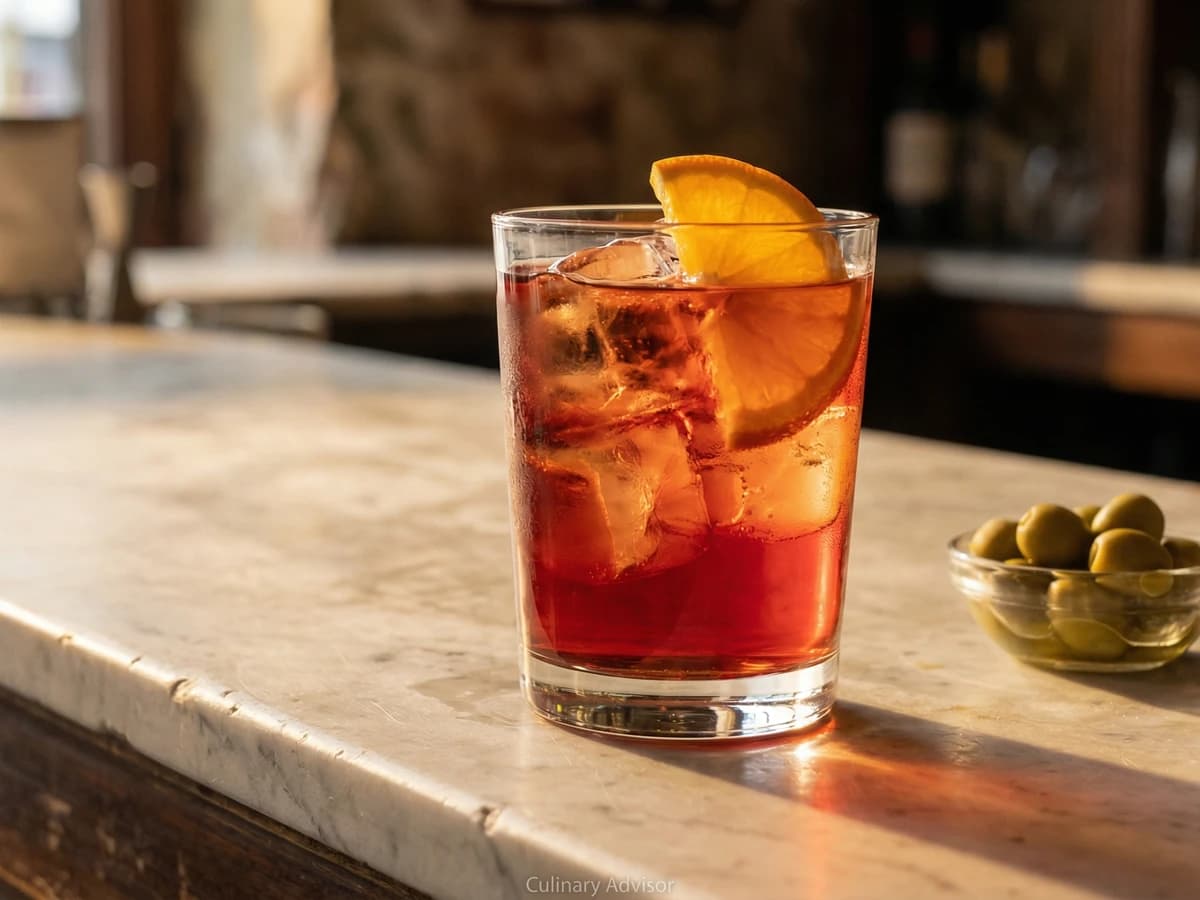
The original aperitivo of the Risorgimento era, when bitter Campari from Milan met sweet vermouth from Turin. Before someone added gin and called it a Negroni, this was the drink of Italian sophistication.
Chef Graziella
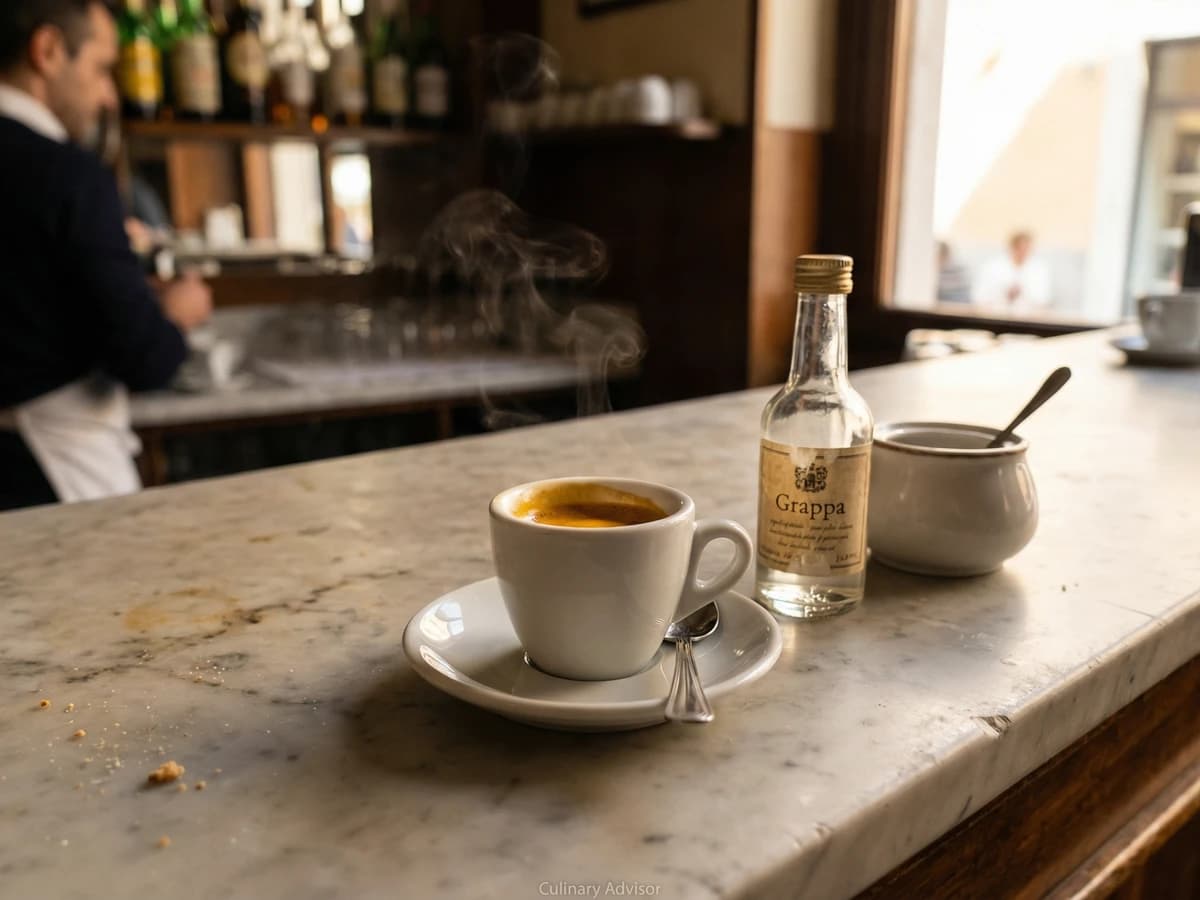
The Italian coffee that needs no apology: a shot of espresso fortified with grappa, sambuca, or brandy. Some mornings demand correction.

Chef Graziella
The only iced coffee worth drinking in summer. Hot espresso, cold ice, violent shaking, and a foam that proves you did it right. This is what Italians drink when Americans are ordering frappuccinos.