Chef Isabel
Acedías Fritas de Cádiz
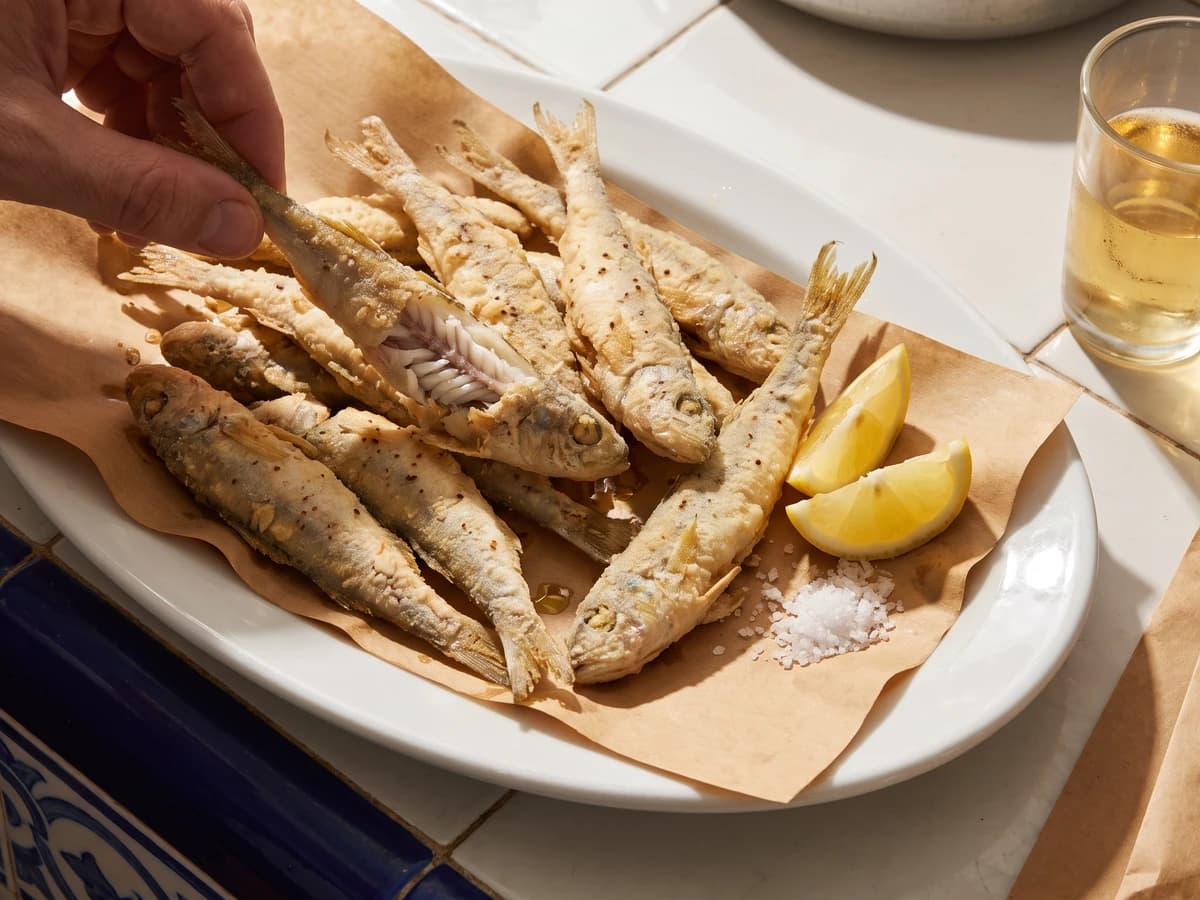
Acedías fritas belong to Cádiz: tiny wedge sole, salted, dusted in frying flour, and dropped into very hot olive oil so the rims crisp while the fish stays tender.
A cooking platform built around craft, culture, and the stories behind what we eat.
Created by
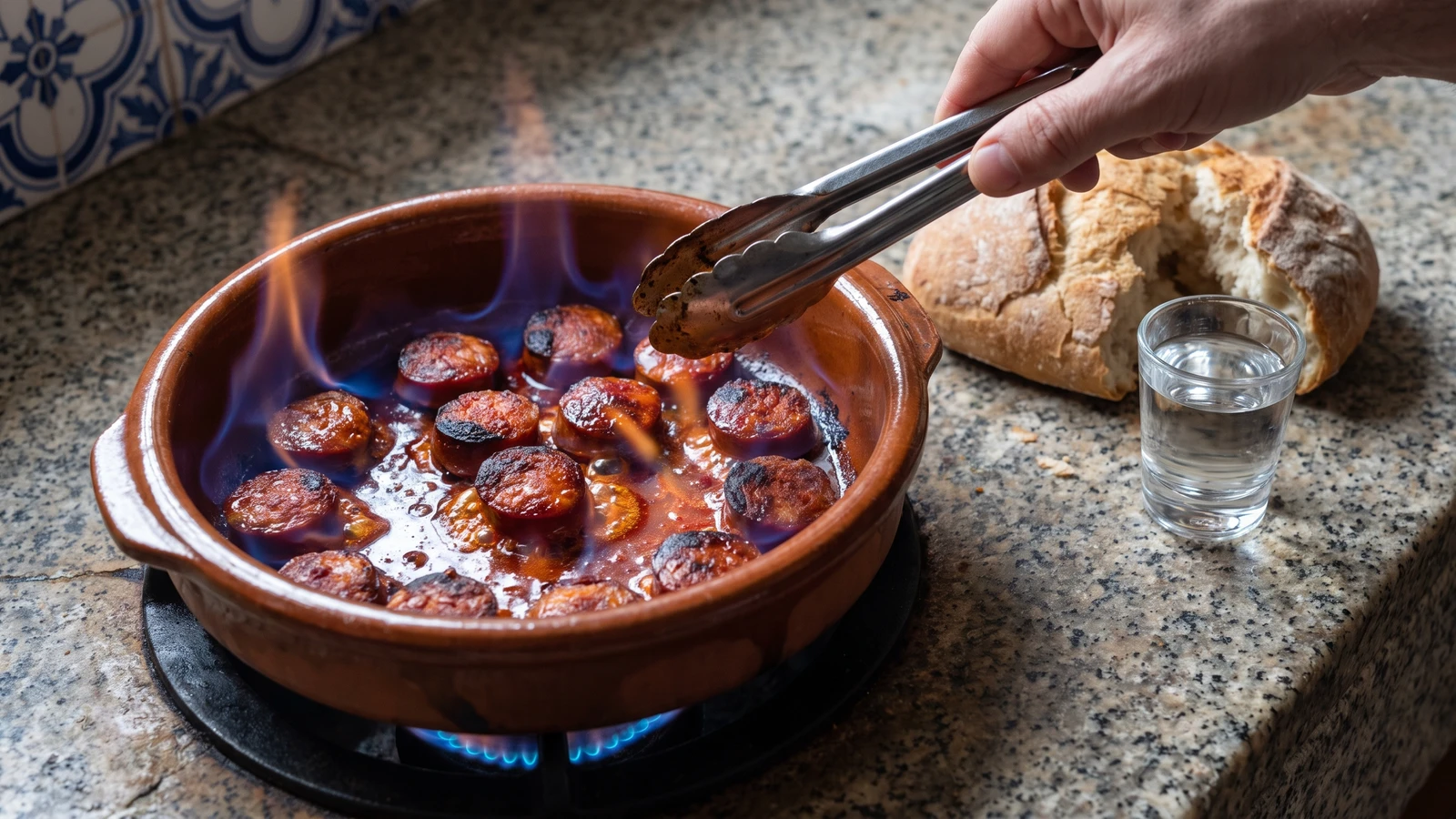
Chorizo al infierno is Galicia at the table with a match: semi-cured chorizo blistered over burning orujo until the casing chars, the fat runs red, and the bread has work to do.
Chorizo al infierno is Galician, a small fierce dish from the taberna and feira table: a lightly cured pork chorizo set over burning aguardiente de orujo until the skin blisters, the edges catch, and the fat runs red. It is not Asturian chorizo a la sidra, simmered in cider, and it isn't a dry plate of sliced sausage. This one belongs to the flame.
The method that decides it is restraint with the fire. Use a semi-cured link, firm enough to slice but still juicy; a hard, dry chorizo goes leathery before it warms through. Measure the aguardiente into the cold cazuela, then put the bottle away before you light anything. Fire is no place for guessing. Pésalo, no lo adivines, and measure the spirit too.
No orujo where you are? Use a dry grape spirit such as grappa, or a plain Spanish brandy if that's what you can buy; brandy burns softer and leaves a rounder sweetness. Have a metal lid ready, use tongs, and let the flame die before anyone reaches in. The Margin in my notebook says only: no heroic pouring. Sensible woman. Siempre sale, si lo sigues.
Chorizo al infierno belongs to Galicia's tavern and fairground table, where a lightly cured chorizo could be cooked fast over aguardiente de orujo, the clear grape-pomace spirit distilled from the leftovers of wine pressing. The little glazed barro choricera made for the dish holds the spirit below and the sausage above, turning a preserving product from the matanza into hot food in a few minutes. It shares Galicia's habit of setting aguardiente alight, known from queimada, but here the flame is practical: it blisters the casing, warms the fat, and leaves the meat scented rather than soaked.
Quantity
500g
cut into 3cm pieces, firm but still pliant
Quantity
120ml
measured into a small cup, or use dry grape spirit such as grappa
Quantity
200g
sliced for serving
| Ingredient | Quantity |
|---|---|
| semi-cured Galician-style chorizo linkscut into 3cm pieces, firm but still pliant | 500g |
| aguardiente de orujo, 40-50% ABVmeasured into a small cup, or use dry grape spirit such as grappa | 120ml |
| rustic country breadsliced for serving | 200g |
Cut the chorizo into thick 3cm pieces. It should be semi-cured, firm enough to slice cleanly but still juicy when pressed. A hard dry chorizo is for slicing with bread, not for this; in the flame it turns tough before it ever gives you that red fat.
Set a small flameproof choricera, glazed barro cazuela, or cast-iron skillet on a fireproof surface, away from curtains, paper, and overhead cupboards. Put the chorizo in the dish. Measure the orujo into a cup, pour it around the chorizo, and put the bottle far away before you light anything. Have a metal lid or baking sheet beside you.
Use a long match or long lighter to light the orujo at the edge of the dish. Let the flame settle, then turn the chorizo with metal tongs every minute so the casing blisters and darkens evenly. The method that decides it is restraint: a shallow measured pool of spirit, not a bath, and steady turning through the flame.
Cook for 6 to 8 minutes, until the chorizo is browned at the edges, glossy with pimentón-stained fat, and hot through. If the flame dies before the chorizo is ready, cover the dish to be sure it is fully out, wait 30 seconds, then add one tablespoon more orujo and relight. Never pour spirit into a live flame.
Let the flame die completely before anyone reaches in. Spoon the chorizo and its red fat into a warm dish if you cooked in cast iron, or bring the barro straight to the table on a trivet. Serve at once with bread for the juices. Siempre sale, si lo sigues.
1 serving (about 185g)
Culinary guides, cultural storytelling, and the editorial depth that makes cooking meaningful.
Discover Culinary ExplorerChef Isabel
Acedías fritas belong to Cádiz: tiny wedge sole, salted, dusted in frying flour, and dropped into very hot olive oil so the rims crisp while the fish stays tender.
Chef Isabel
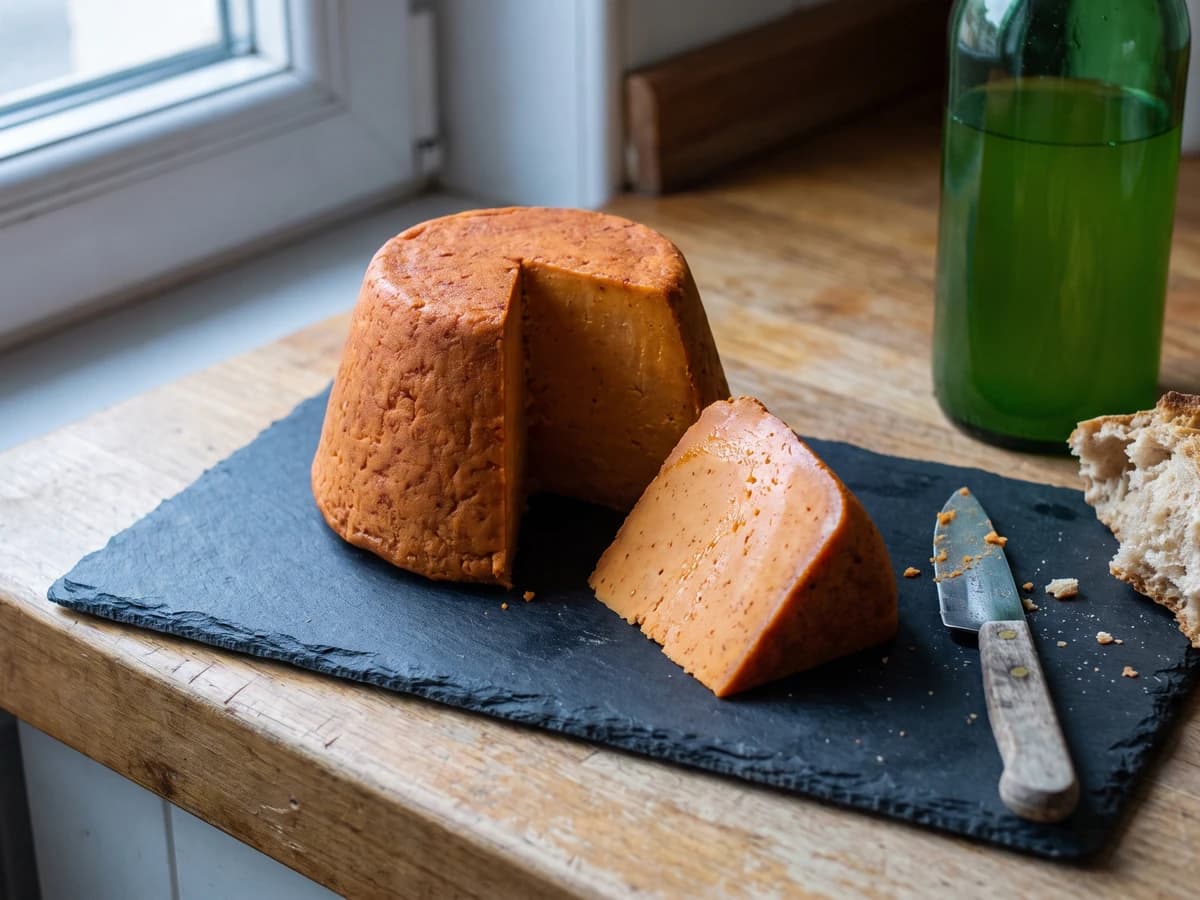
Afuega'l Pitu Roxu is Asturias in a small cheese: cow's milk set slowly to a dense curd, drained without squeezing, then kneaded with pimentón until it turns orange and grips the throat.
Chef Isabel
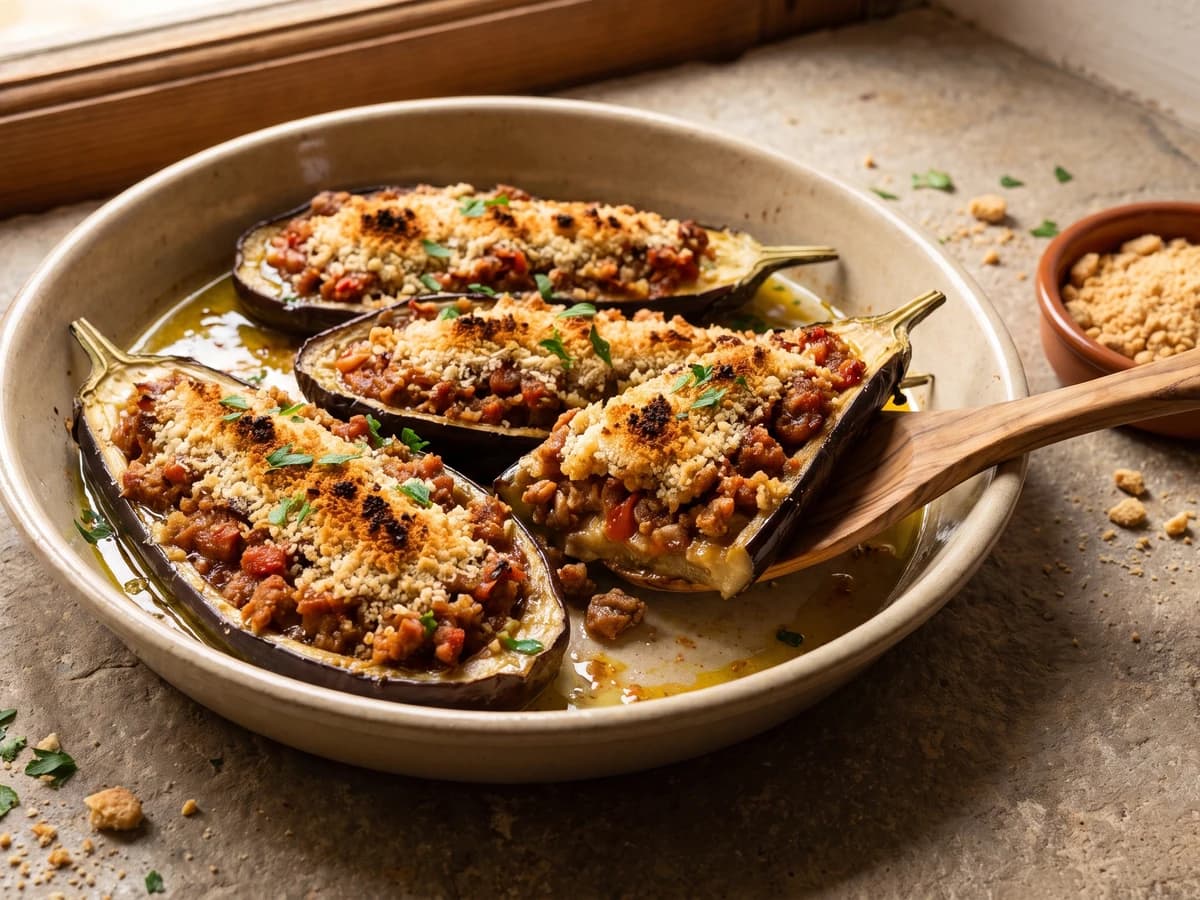
Albergínies farcides are Mallorca's summer stuffed aubergines: tender boiled shells, a slow pork sofrito with moraduix, and a plain breadcrumb cap baked until the top turns crisp and golden.

Chef Isabel
Carxofes farcides are Catalan stuffed artichokes: tender hearts filled with jamón, slow sweet onion, and breadcrumbs, then baked in a light creamy sauce until the tops turn golden.