Chef Isabel
Acedías Fritas de Cádiz
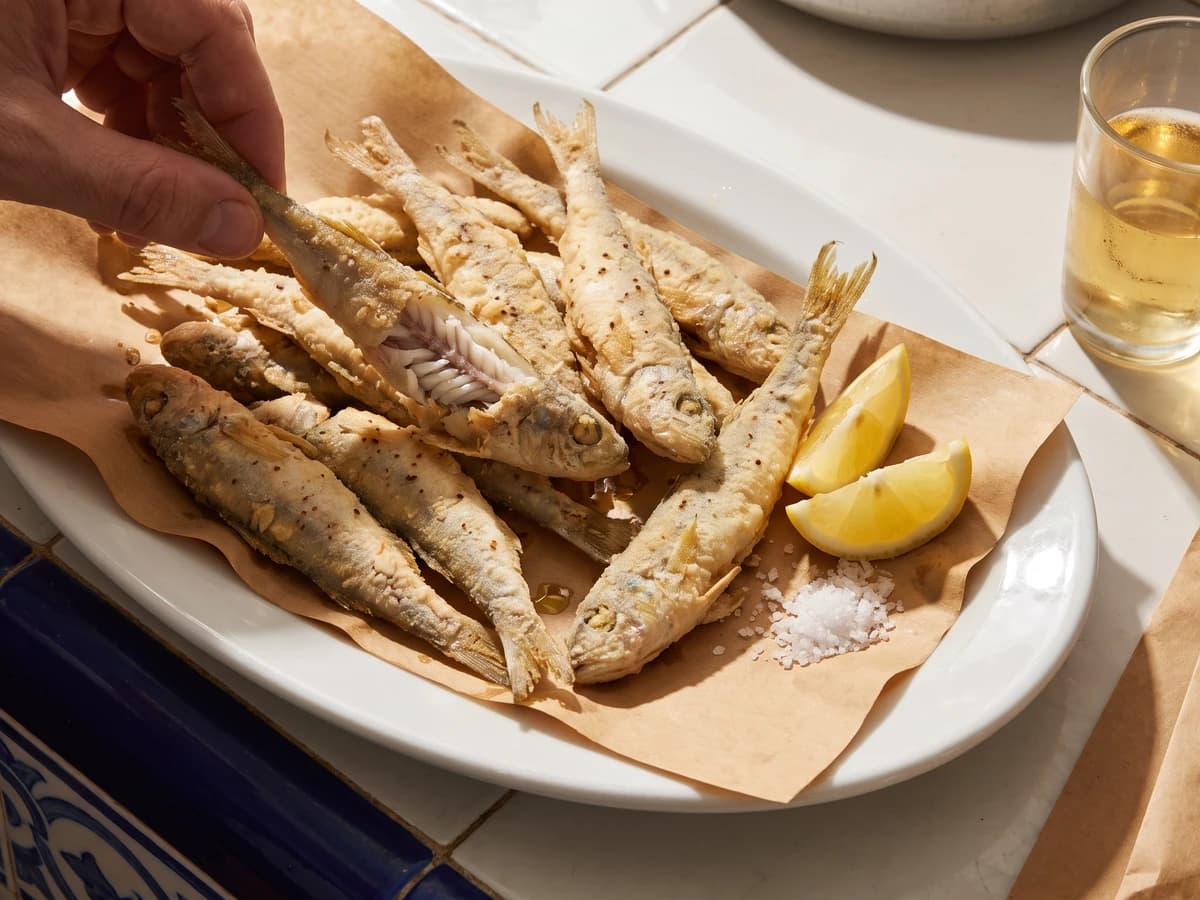
Acedías fritas belong to Cádiz: tiny wedge sole, salted, dusted in frying flour, and dropped into very hot olive oil so the rims crisp while the fish stays tender.
A cooking platform built around craft, culture, and the stories behind what we eat.

Created by
Chorizo a la Sidra is Asturias in a small cazuela: smoky cooking chorizo simmered whole in dry natural cider, sliced only when plump, with enough glossy red sauce for bread.
Chorizo a la Sidra is Asturian, a small cazuela of smoky chorizo cooked in the natural cider Asturias drinks from wide glasses and pours from a height. Two ingredients, if they're the right two: chorizo asturiano and dry sidra natural. The sausage gives pimentón-red fat; the cider gives sharp apple and a little sweetness as it cooks down. That is what makes it this dish, not just sausage warmed in wine.
The method that decides it is simple: simmer the links whole and gently until they plump, then slice them only at the end. Boil them hard and the skins split, the fat runs out, and the sauce turns greasy before the cider has done its work. Keep it at a steady burble, turn the chorizos once or twice, and let the cider reduce to a glossy, red-stained spoonful. No sofrito, no garnish, no cleverness. The cider is the whole point.
Far from Asturias, look for Spanish cooking chorizo, fresco or oreado, not a crumbly fresh sausage from another kitchen and not pepperoni. If all you can find is a firmer cured Spanish chorizo, use it, but simmer it for less time and expect a tighter bite. For the cider, use a dry hard cider if you can't get sidra asturiana. Sweet cider makes a sticky sauce, so sharpen it with a spoon of cider vinegar and know the change. No hace falta haber pisado España. Siempre sale, si lo sigues.
Chorizo a la Sidra belongs to Asturias, where apple orchards, sidrerías, and the cured pork larder meet at the same table. In the chigres, the region's cider houses, sidra natural is poured in small measures called culines and also used in the pan, where its sharpness softens the richness of smoked chorizo. The dish is a ración meant for sharing, with bread for the pimentón-stained cider sauce, because leaving that sauce behind would be the real waste.
Quantity
600g
whole links
Quantity
500ml
Quantity
1 tablespoon
only if the cider is sweet
Quantity
to serve
| Ingredient | Quantity |
|---|---|
| chorizo asturiano or Spanish cooking chorizowhole links | 600g |
| sidra natural asturiana or dry hard cider | 500ml |
| cider vinegar (optional)only if the cider is sweet | 1 tablespoon |
| rustic bread (optional) | to serve |
Put the whole chorizos in a small cazuela or heavy pan just large enough to hold them in one layer. Prick each link once or twice with the tip of a knife, no more. You're giving the skin a place to breathe, not draining the sausage before it has cooked.
Pour in the cider so it comes most of the way up the sides of the chorizos. If your cider is sweet rather than dry, add the cider vinegar now. Set the pan over medium heat and bring it just to a steady simmer. Do not add salt; the chorizo has enough.
Lower the heat and simmer uncovered for 18 to 22 minutes, turning the chorizos once or twice, until the links look plump and the cider has reduced by about half into a glossy red sauce. Keep it gentle. A hard boil splits the skins and leaves you with greasy cider instead of sauce.
Lift the chorizos out and let them sit for 2 minutes, then cut them into thick coins, about 1.5cm. Return the slices to the cider sauce and turn them once so they shine with the pimentón oil. Serve straight from the cazuela with bread for mopping. Tal como se hace allí.
1 serving (about 230g)
Culinary guides, cultural storytelling, and the editorial depth that makes cooking meaningful.
Discover Culinary ExplorerChef Isabel
Acedías fritas belong to Cádiz: tiny wedge sole, salted, dusted in frying flour, and dropped into very hot olive oil so the rims crisp while the fish stays tender.
Chef Isabel
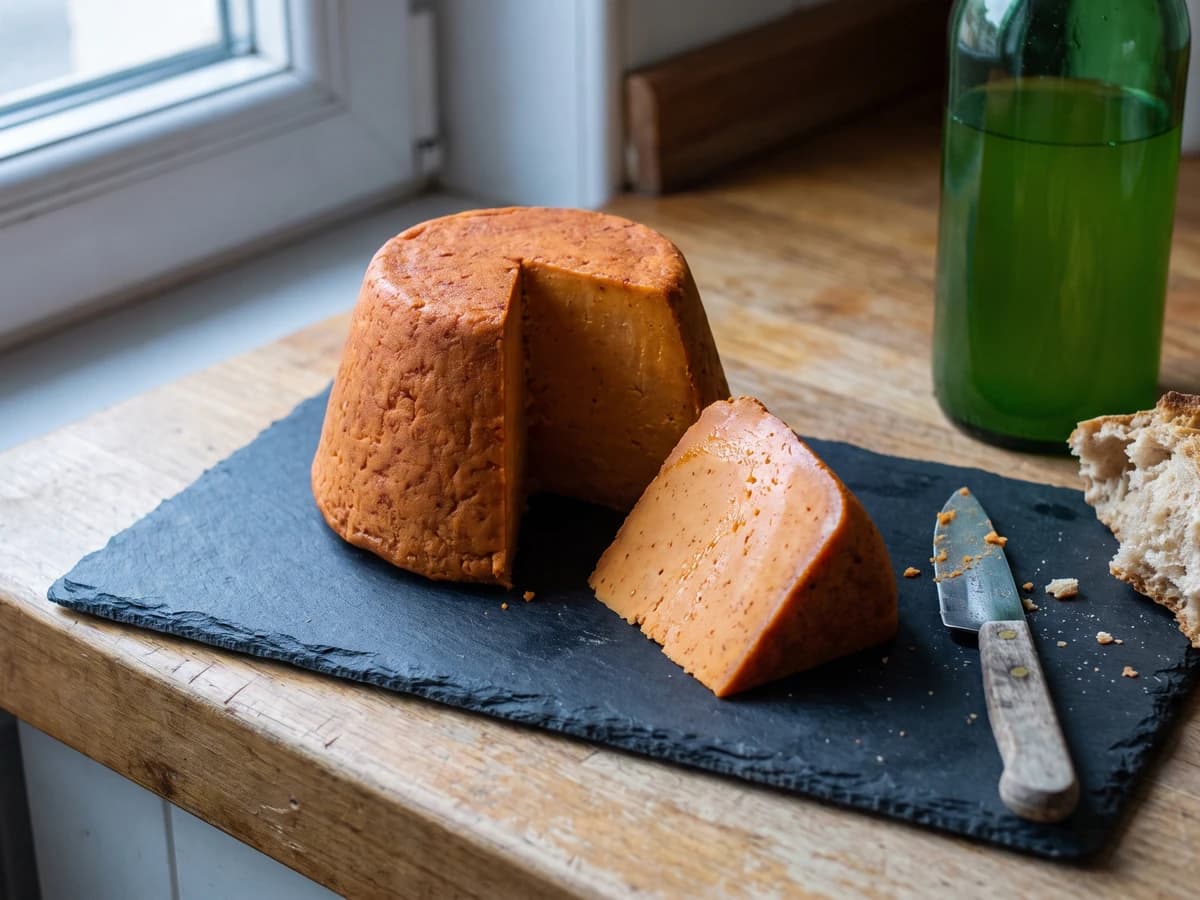
Afuega'l Pitu Roxu is Asturias in a small cheese: cow's milk set slowly to a dense curd, drained without squeezing, then kneaded with pimentón until it turns orange and grips the throat.
Chef Isabel
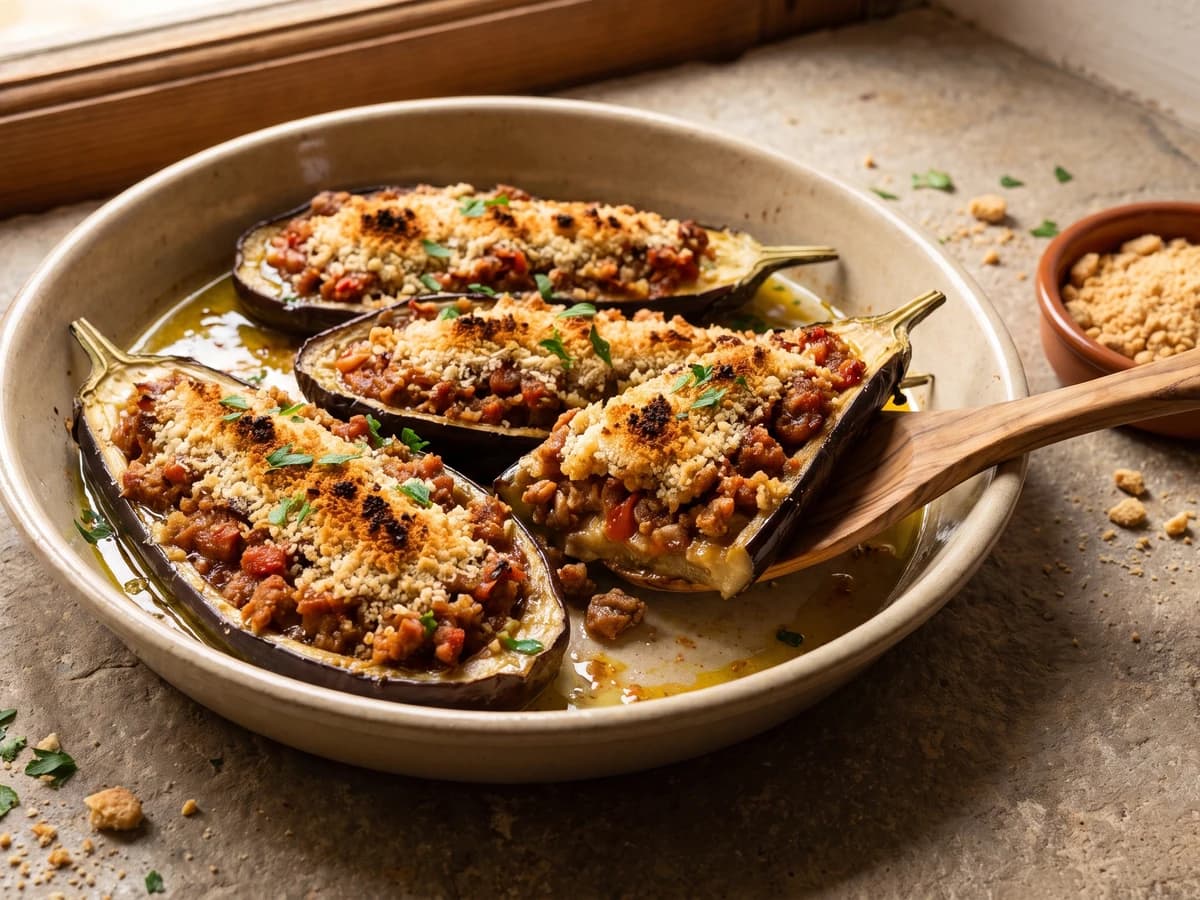
Albergínies farcides are Mallorca's summer stuffed aubergines: tender boiled shells, a slow pork sofrito with moraduix, and a plain breadcrumb cap baked until the top turns crisp and golden.

Chef Isabel
Carxofes farcides are Catalan stuffed artichokes: tender hearts filled with jamón, slow sweet onion, and breadcrumbs, then baked in a light creamy sauce until the tops turn golden.