
Chef Remy
Corn and Crab Bisque
Sweet corn kernels and delicate lump crab swimming in a velvety, golden bisque kissed with Cajun heat, the kind of soup that makes you close your eyes and savor every spoonful.
A cooking platform built around craft, culture, and the stories behind what we eat.

Created by
Fall-apart tender chicken swimming in golden, herb-flecked broth, topped with billowy drop dumplings that soak up every drop of goodness. This is the dish grandmothers built reputations on.
Chicken and dumplings is not a recipe. It's a promise. The promise that someone cares enough to simmer a pot all afternoon, to roll up their sleeves and drop spoonfuls of batter into bubbling broth, to fill the house with a smell that says everything is going to be all right. This is food that heals.
The dish has roots stretching back to Colonial America, when frugal cooks stretched a single bird into a meal that could feed a farmhouse full of hungry workers. German and Scotch-Irish settlers in the South brought their dumpling traditions with them. African American cooks refined those techniques over generations, creating the soul-satisfying versions we know today. Every Southern family has their way: some make flat, chewy dumplings cut into strips; others prefer the pillowy drop style I'm teaching you here.
Drop dumplings are more forgiving for the home cook. Mix the batter just until it comes together. Handle it like you're afraid of it. The less you work the dough, the lighter your dumplings will be. They should be tender enough to cut with a spoon, substantial enough to hold their shape in the broth, and absorbent enough to carry that chicken flavor straight to your soul.
This is a one-pot dish that improves with time. Make it on Sunday and eat it through Wednesday. The dumplings will soften further, the broth will thicken, the flavors will marry. By the third day, you'll understand why Southerners have been making this for three hundred years.
Quantity
4 pounds (whole) or 3.5 pounds (parts)
Quantity
10 cups
Quantity
3
roughly chopped
Quantity
2
peeled and sliced into half-moons
Quantity
1
diced
Quantity
4
smashed
Quantity
3
Quantity
6
Quantity
1 tablespoon, plus more to taste
Quantity
1 teaspoon
Quantity
4 tablespoons
Quantity
1/3 cup
Quantity
1 cup
Quantity
2 cups
Quantity
1 tablespoon
Quantity
1 teaspoon
Quantity
1/2 teaspoon
Quantity
1 tablespoon
minced
Quantity
4 tablespoons
cubed
Quantity
3/4 cup
Quantity
for serving
chopped
| Ingredient | Quantity |
|---|---|
| whole chicken, or bone-in thighs and drumsticks | 4 pounds (whole) or 3.5 pounds (parts) |
| cold water | 10 cups |
| celery stalksroughly chopped | 3 |
| medium carrotspeeled and sliced into half-moons | 2 |
| large yellow oniondiced | 1 |
| garlic clovessmashed | 4 |
| bay leaves | 3 |
| fresh thyme sprigs | 6 |
| kosher salt (for broth) | 1 tablespoon, plus more to taste |
| black peppercorns | 1 teaspoon |
| unsalted butter (for roux) | 4 tablespoons |
| all-purpose flour (for roux) | 1/3 cup |
| heavy cream | 1 cup |
| all-purpose flour (for dumplings) | 2 cups |
| baking powder | 1 tablespoon |
| kosher salt (for dumplings) | 1 teaspoon |
| black pepper (for dumplings) | 1/2 teaspoon |
| fresh thyme leavesminced | 1 tablespoon |
| cold unsalted butter (for dumplings)cubed | 4 tablespoons |
| cold buttermilk | 3/4 cup |
| fresh parsley (optional)chopped | for serving |
Place your chicken in a large Dutch oven or heavy-bottomed pot. Add the cold water, celery, half the carrots, half the onion, the garlic, bay leaves, thyme sprigs, salt, and peppercorns. The water should just cover the chicken. If it doesn't, add a bit more. Cold water starting helps draw out proteins slowly, giving you a cleaner, more flavorful broth.
Bring the pot to a gentle simmer over medium heat. This should take about 15 minutes. Don't rush it. Once you see lazy bubbles breaking the surface, reduce heat to low and partially cover. Maintain this gentle simmer for 45 minutes to 1 hour, until the chicken is cooked through and the meat pulls easily from the bone. Skim any foam that rises to the surface in the first 20 minutes.
Transfer the chicken to a cutting board and let it cool for 10 minutes. Meanwhile, strain the broth through a fine-mesh sieve into a large bowl, discarding the spent vegetables and aromatics. You should have about 8 cups of golden broth. Taste it. It should be rich and chickeny with gentle herbal notes. Once the bird is cool enough to handle, shred the meat into generous bite-sized pieces, discarding the skin and bones. You'll get about 4 cups of meat.
Wipe out your Dutch oven and set it over medium heat. Add the 4 tablespoons of butter and let it melt until foaming. Add the reserved raw onion and cook, stirring occasionally, until softened and translucent, about 4 minutes. The kitchen should smell sweet and welcoming. Add the reserved raw carrots and cook another 2 minutes.
Sprinkle the 1/3 cup flour over the vegetables and stir constantly for 2 minutes. The flour should coat everything and turn slightly golden. This cooks out the raw taste and builds the thickening power. Don't let it brown beyond a pale blonde color.
Slowly pour in the strained chicken broth, about 2 cups at a time, whisking constantly to prevent lumps. After each addition, whisk until smooth before adding more. Once all the broth is incorporated, bring the mixture to a simmer. It will thicken slightly as it heats. Stir in the heavy cream and return to a gentle simmer. The broth should coat a spoon but still be soupy, not gluey.
Add all the shredded chicken to the pot and stir to combine. Taste the broth now. Season with more salt if needed. It should taste robust and savory, well-seasoned but not salty. Reduce heat to maintain the gentlest possible simmer while you make the dumplings.
In a medium bowl, whisk together the 2 cups flour, baking powder, 1 teaspoon salt, pepper, and minced thyme. Add the cold cubed butter and work it into the flour using your fingertips or a pastry cutter until the mixture resembles coarse cornmeal with some pea-sized butter pieces remaining. Those butter pieces create pockets of steam that make your dumplings light.
Pour the cold buttermilk over the flour mixture all at once. Stir with a fork just until a shaggy, sticky dough forms. Stop the moment you don't see dry flour. The dough should look rough and lumpy. If you can see smooth dough, you've overworked it. Overworked dumplings turn dense and chewy like pencil erasers. Nobody wants that.
Increase the heat under your pot until the stew reaches a steady, active simmer. You need that steam. Using two spoons, drop rounded tablespoons of dough onto the surface of the simmering stew, spacing them about an inch apart. You should get 12 to 14 dumplings. They'll expand as they cook. Work quickly so they all finish at the same time.
Cover the pot immediately with a tight-fitting lid. Do not lift the lid for 15 minutes. This is crucial. The dumplings cook by steam, not by boiling. Every time you peek, you release steam and your dumplings suffer. Set a timer. Trust the process. After 15 minutes, lift the lid. The dumplings should have doubled in size, looking puffy and matte on top. Insert a toothpick into the center of the largest one. It should come out clean.
Remove the pot from heat and let it sit uncovered for 5 minutes. This allows the stew to settle and thicken slightly. Ladle generous portions into warm bowls, making sure each serving gets at least two dumplings and plenty of chicken. Scatter fresh parsley over the top if you like. Serve immediately with nothing but a spoon and a napkin tucked into your collar.
1 serving (about 380g)
Culinary guides, cultural storytelling, and the editorial depth that makes cooking meaningful.
Discover Culinary ExplorerChef Remy
Sweet corn kernels and delicate lump crab swimming in a velvety, golden bisque kissed with Cajun heat, the kind of soup that makes you close your eyes and savor every spoonful.
Chef Remy
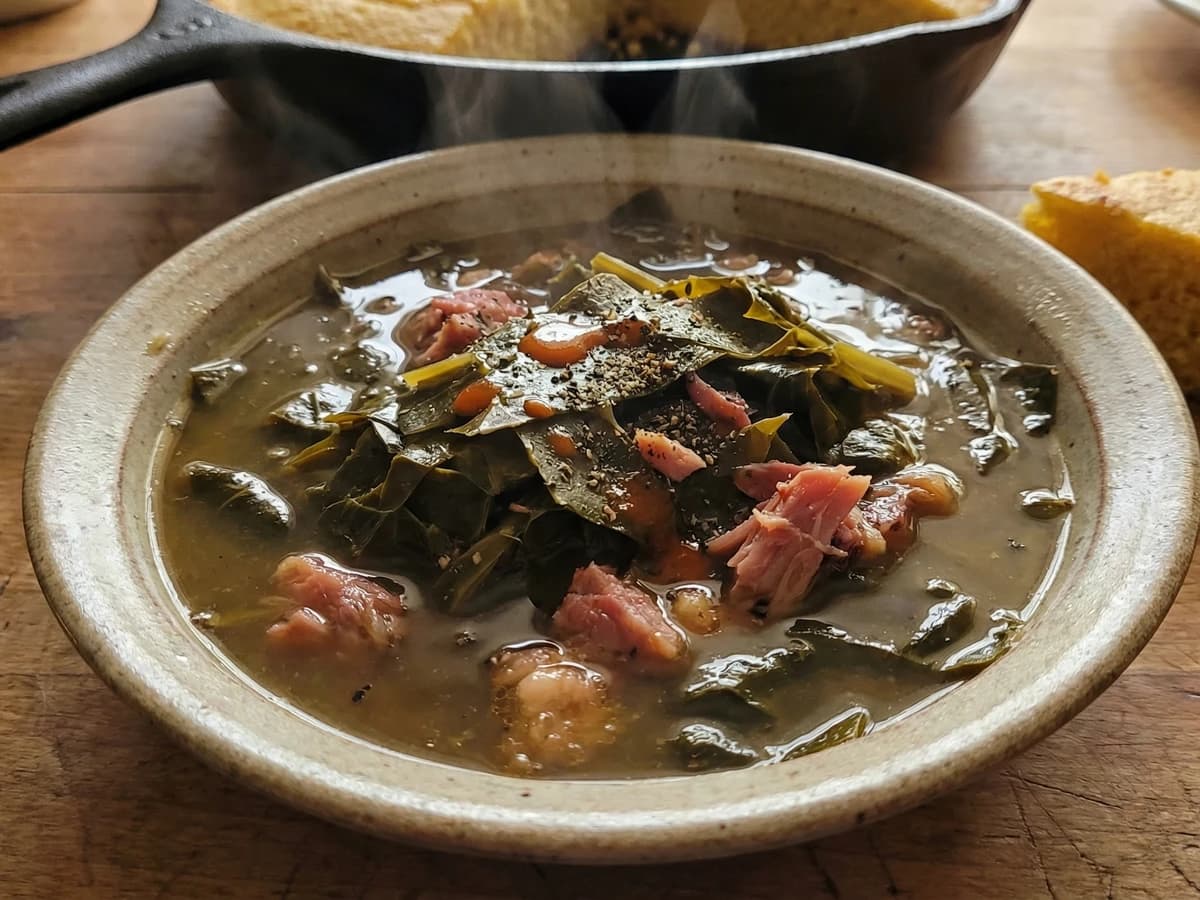
Smoky ham hock and tender collard greens swimming in a broth so rich with minerals and flavor that your grandmother would call it medicine, served with hot cornbread for soaking up every last drop.

Chef Dean
Peak-season squash, okra, and vine-ripe tomatoes simmered low and slow in bacon-kissed pot liquor, then crowned with pillowy cornmeal dumplings that steam to golden perfection right in the pot. This is the dish that made porch suppers famous.
Chef Remy
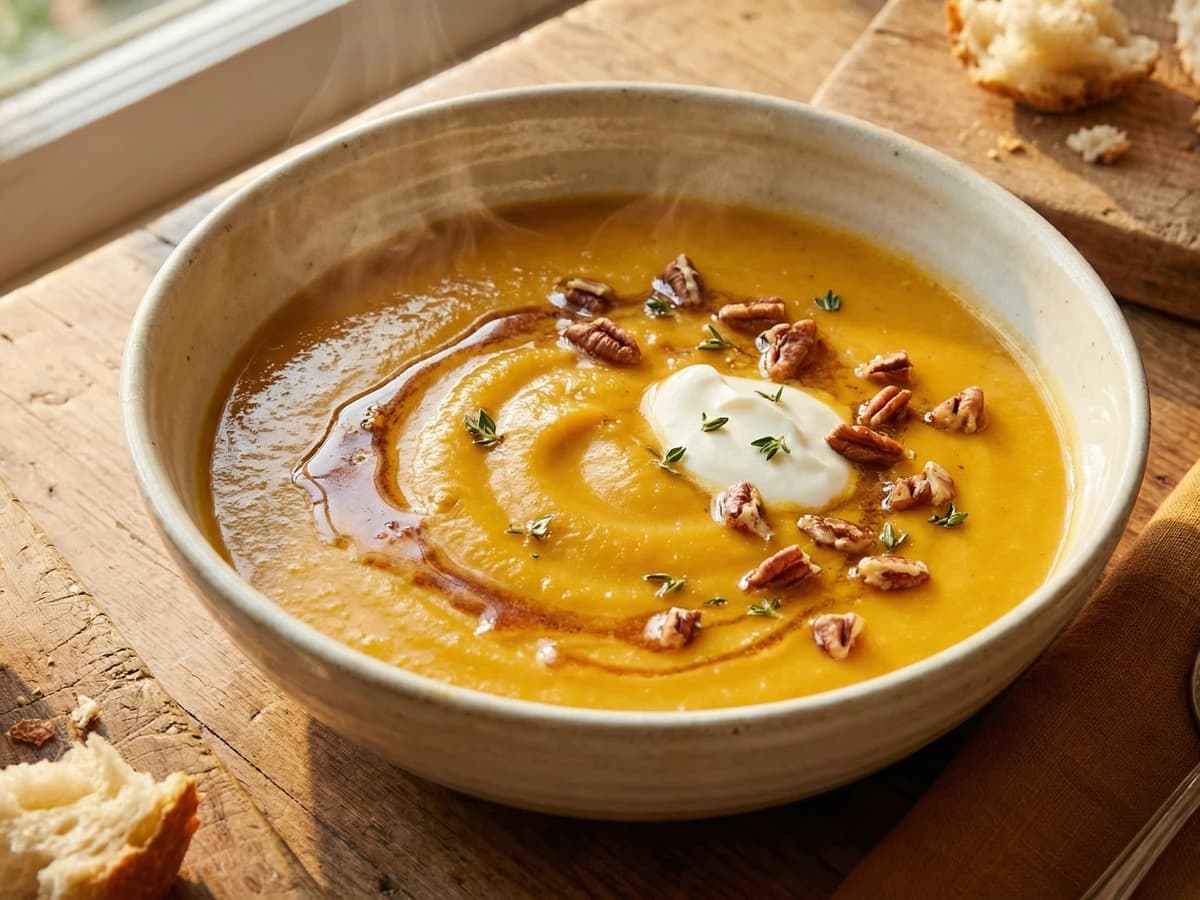
Roasted Louisiana sweet potatoes transformed into liquid gold, perfumed with cinnamon and nutmeg, finished with brown butter and a whisper of maple, the kind of soup that makes the whole house smell like Thanksgiving.