Chef Isabel
Acedías Fritas de Cádiz
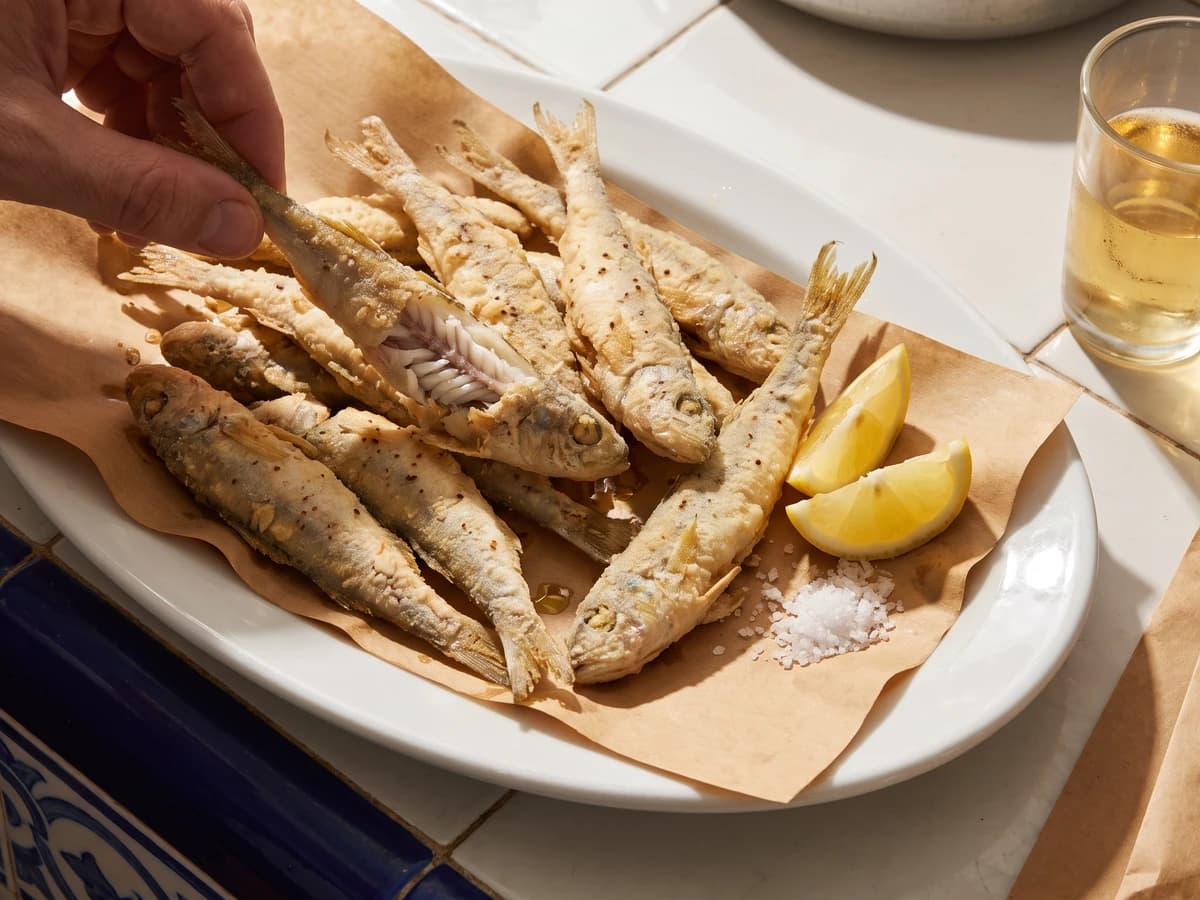
Acedías fritas belong to Cádiz: tiny wedge sole, salted, dusted in frying flour, and dropped into very hot olive oil so the rims crisp while the fish stays tender.
A cooking platform built around craft, culture, and the stories behind what we eat.
Created by
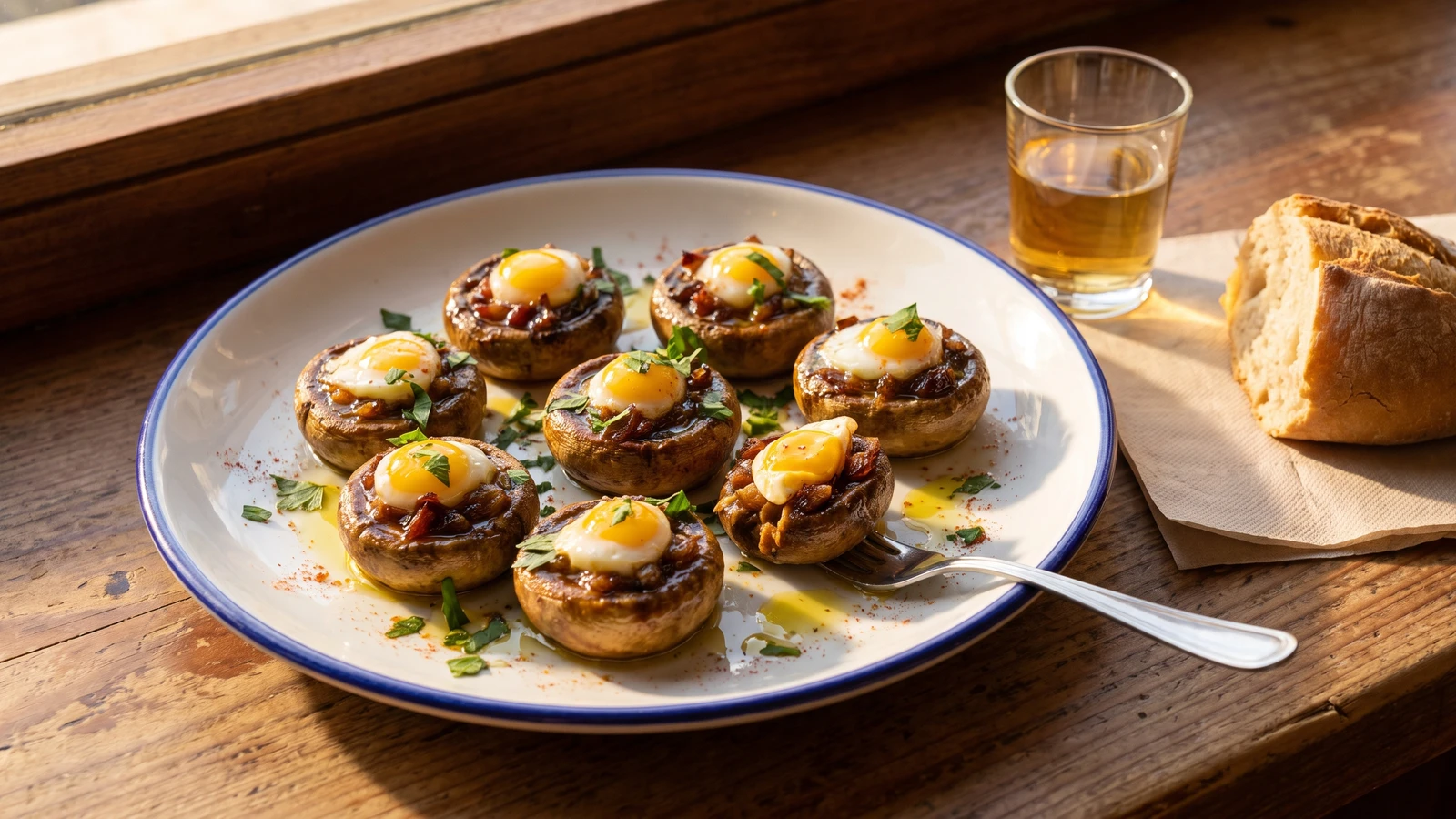
Champiñones rellenos de jamón are Castilian bar cooking: mushroom caps, a small jamón sofrito, and quail egg, with one rule that matters. Roast the caps first so they give up their water.
Champiñones rellenos de jamón are Castilian bar cooking, from the inland larder that knows what to do with mushrooms, garlic, parsley, and a little cured ham. They are not a grand dish. Good. A mushroom cap holds a spoon of jamón sofrito, the slow onion base, and a quail egg sets on top just enough to tremble. That is plenty.
The method that decides them is not the filling. It is the mushroom. Roast the caps hollow-side down first, so they shed their water before you ask them to hold anything. Skip that and the tray floods, the filling slides, and you get a damp mouthful instead of a firm one. Ten minutes now saves the whole dish later.
If you are far from Spain, use a dry-cured ham cut thin and chopped small, not smoked ham. Prosciutto works at a pinch, though it is sweeter and softer than jamón serrano, so use a little less salt. No quail eggs where you are? Beat one hen's egg with a pinch of salt and spoon a teaspoon over each cap. It will not have the same little yolk, but it will set and hold the filling.
Keep the sofrito low until the onion is dark gold and sticky, then fold in the mushroom stems and jamón. My Margin beside this one says only, "cap primero," cap first. Sensible woman. Siempre sale, si lo sigues.
Stuffed mushrooms belong naturally to Castilian bar cooking, especially the inland belt where cultivated champiñones and cured pork meet the garlic-and-parsley habits of the home kitchen. La Rioja and Castilla both have strong mushroom traditions, with simple bar servings built around the cap, the plancha, and a small salty filling rather than heavy sauces. The quail egg is a later but familiar bar finish, useful because its size fits the mushroom without drowning it.
Quantity
24, about 650g total
wiped clean, stems removed and finely chopped
Quantity
3 tablespoons
divided
Quantity
1, about 120g
finely chopped
Quantity
2 cloves
finely chopped
Quantity
80g
finely chopped
Quantity
40ml
Quantity
25g
Quantity
2 tablespoons, plus more to finish
chopped
Quantity
24
Quantity
1/2 teaspoon
Quantity
1/2 teaspoon, plus more as needed
Quantity
to taste
freshly ground
| Ingredient | Quantity |
|---|---|
| large white or cremini mushroomswiped clean, stems removed and finely chopped | 24, about 650g total |
| olive oildivided | 3 tablespoons |
| small onionfinely chopped | 1, about 120g |
| garlicfinely chopped | 2 cloves |
| jamón serranofinely chopped | 80g |
| dry white wine | 40ml |
| fresh breadcrumbs | 25g |
| flat-leaf parsleychopped | 2 tablespoons, plus more to finish |
| quail eggs | 24 |
| sweet pimentón | 1/2 teaspoon |
| fine salt | 1/2 teaspoon, plus more as needed |
| black pepperfreshly ground | to taste |
Heat the oven to 200C. Wipe the mushrooms clean with a damp cloth, pull out the stems, and finely chop the stems for the filling. Toss the caps with 1 tablespoon of olive oil, 1/4 teaspoon salt, and a little black pepper. Set them hollow-side down on a baking tray.
Roast the caps hollow-side down for 10 minutes, until they have relaxed and given off their water. Lift them to a plate, pour the liquid off the tray, and turn the caps hollow-side up. This is the step that keeps the mushrooms firm instead of watery. Do it now and they behave later.
Warm 2 tablespoons olive oil in a frying pan over medium-low heat. Add the onion with a pinch of salt and cook 10 to 12 minutes, stirring often, until it turns dark gold and sticky. Add the chopped mushroom stems and cook another 5 minutes, until their water has gone. Add the garlic and cook 1 minute more, just until it smells sweet.
Stir in the chopped jamón and cook 1 minute, no longer; jamón toughens if you punish it. Add the wine and let it bubble until the pan is nearly dry. Take the pan off the heat and stir in the breadcrumbs, parsley, sweet pimentón, and a few turns of black pepper. Taste before salting again, because the jamón may have done the work for you.
Spoon the filling into the roasted caps, pressing it in gently but not packing it hard. Make a small hollow in the centre of each one for the egg. Crack each quail egg into a small cup first, then slide it onto a mushroom; quail shells are tough and a knife tip helps open them cleanly.
Return the tray to the oven and bake 6 to 8 minutes, until the whites are just set and the yolks are still soft. Watch closely at the end. A quail egg goes from tender to chalky while you are looking for a clean towel.
Finish with a little chopped parsley and a few drops of olive oil. Serve warm, with bread nearby for the oil and the bits of jamón that fall onto the plate. These wait badly, so bring them out as soon as the eggs set.
1 serving (about 38g)
Culinary guides, cultural storytelling, and the editorial depth that makes cooking meaningful.
Discover Culinary ExplorerChef Isabel
Acedías fritas belong to Cádiz: tiny wedge sole, salted, dusted in frying flour, and dropped into very hot olive oil so the rims crisp while the fish stays tender.
Chef Isabel
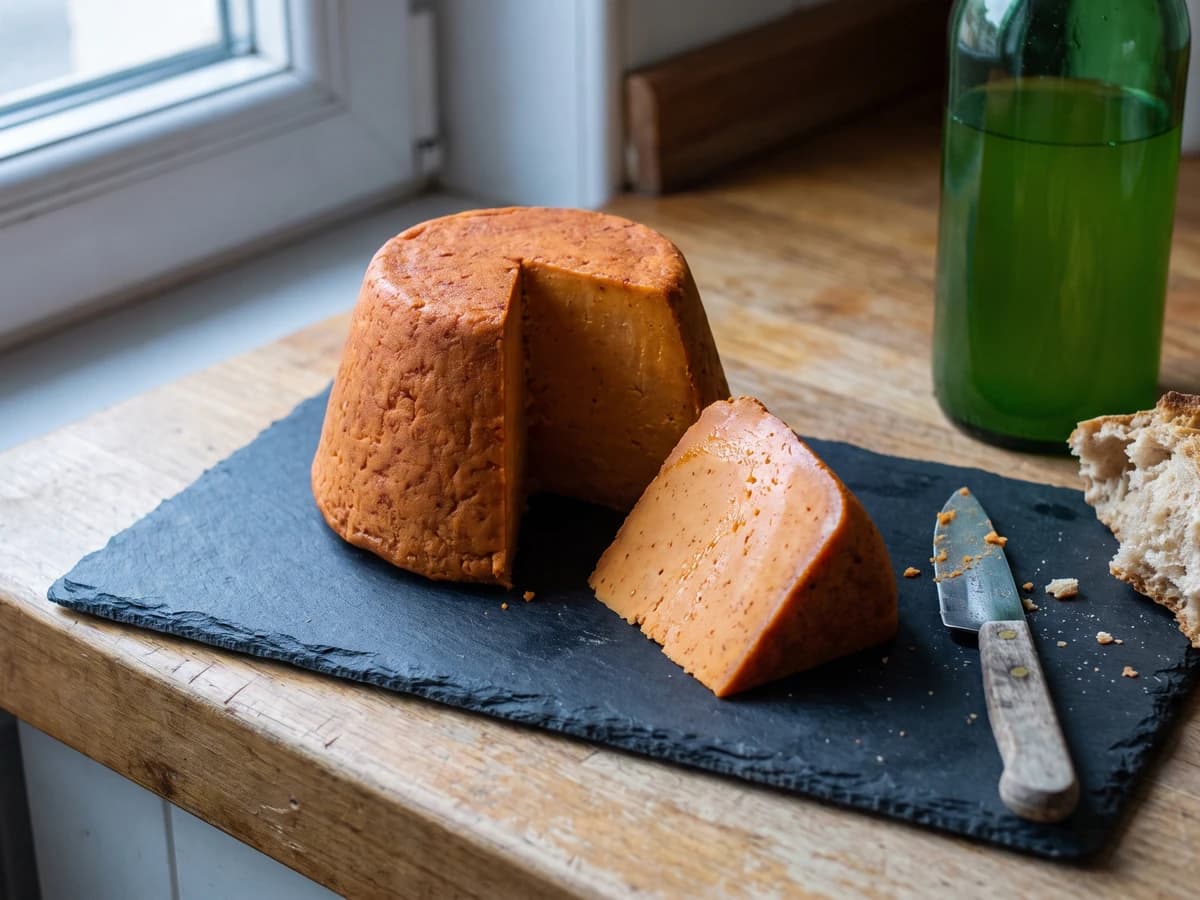
Afuega'l Pitu Roxu is Asturias in a small cheese: cow's milk set slowly to a dense curd, drained without squeezing, then kneaded with pimentón until it turns orange and grips the throat.
Chef Isabel
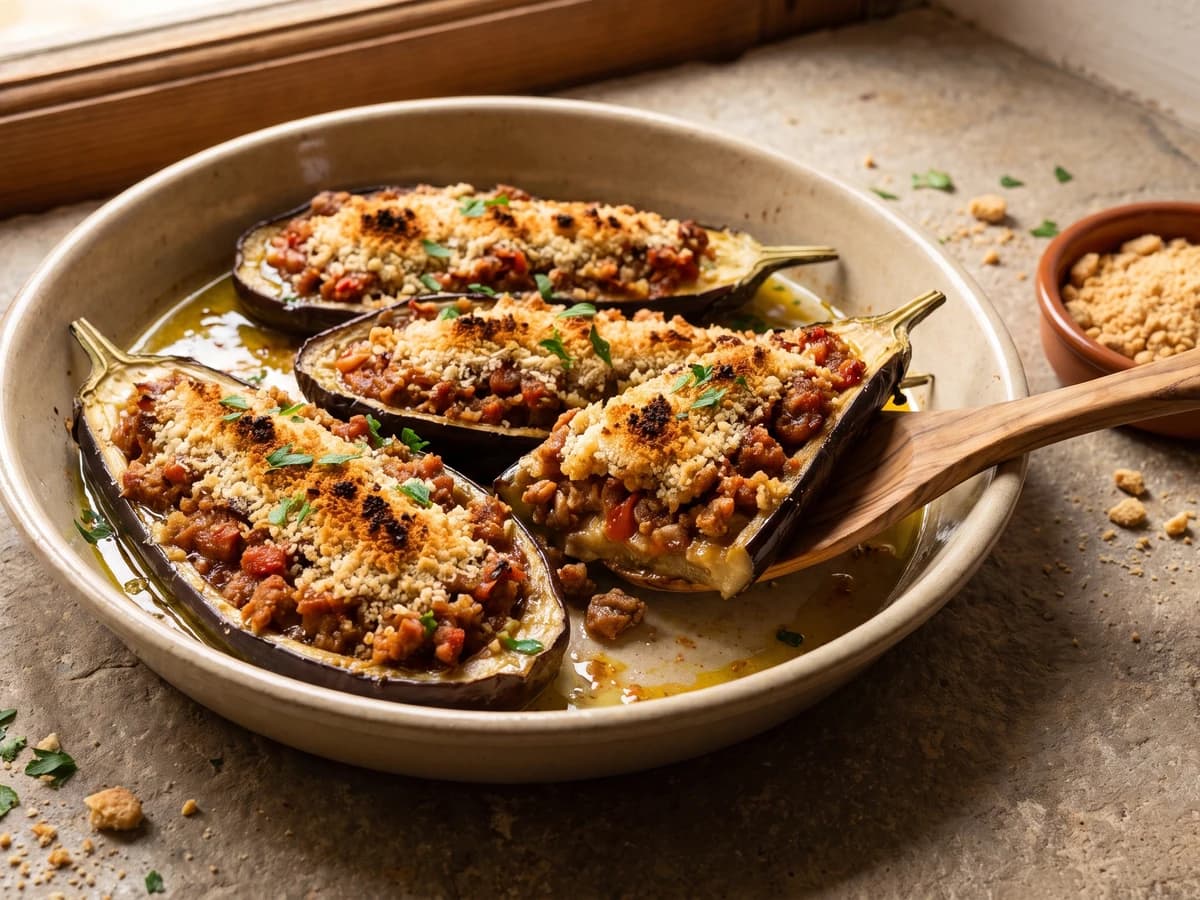
Albergínies farcides are Mallorca's summer stuffed aubergines: tender boiled shells, a slow pork sofrito with moraduix, and a plain breadcrumb cap baked until the top turns crisp and golden.

Chef Isabel
Carxofes farcides are Catalan stuffed artichokes: tender hearts filled with jamón, slow sweet onion, and breadcrumbs, then baked in a light creamy sauce until the tops turn golden.