
Chef Dean
American Goulash
A Midwestern one-pot supper of seasoned ground beef, tender elbow macaroni, and tomatoes simmered into a thick, soul-satisfying stew. This is the dish that fed factory workers and farm families alike.
A cooking platform built around craft, culture, and the stories behind what we eat.
Created by
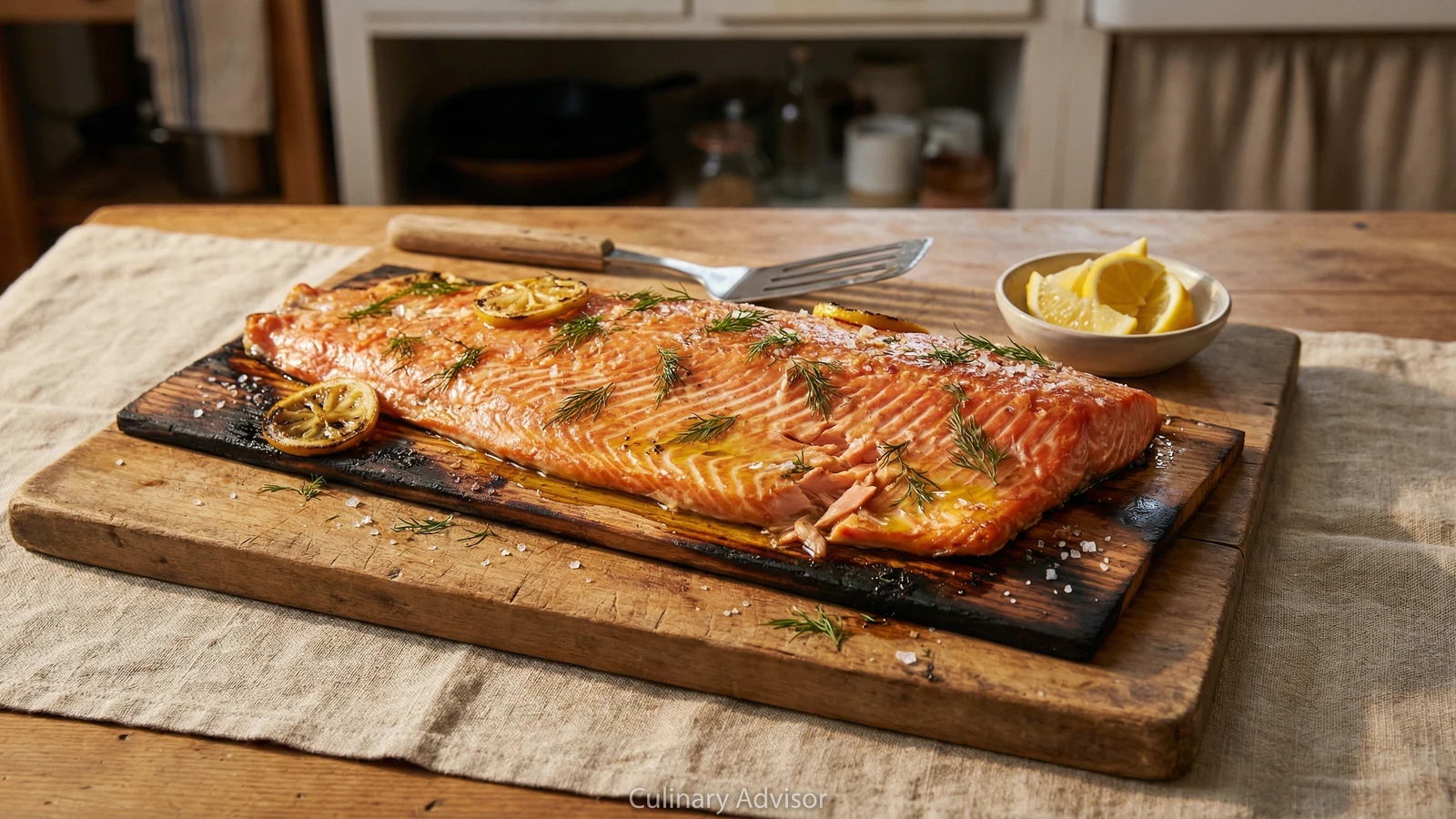
Wild salmon kissed with cedar smoke, cooked gently on a charred plank until the flesh turns silky and flakes at the touch of a fork. Simple seasoning, perfect fish, the kind of meal that makes a backyard feel like the Pacific Northwest.
Start with the salmon. Not any salmon, but wild salmon from cold, clean waters. Know where it was caught if you can. The difference between wild and farmed fish is the difference between a tomato from your garden and one shipped green across the country. Wild salmon tastes of the sea it swam in, the rivers it climbed. It has earned its flavor.
The cedar plank technique comes from the Indigenous peoples of the Pacific Northwest, who understood something essential: the best cooking often means getting out of the way. The wood does not overpower. It whispers. As the plank heats, it releases aromatic oils that wrap around the fish while the moisture in the soaked wood steams the flesh from below. The salmon stays impossibly moist. The smoke stays subtle.
I learned this method from a fisherman in Washington who had learned it from his grandmother. He used nothing but salt and the plank. I have added a little here, lemon and dill and garlic, but the principle remains. When you have fish this good, your job is to honor it. Season with restraint. Cook with attention. Serve with gratitude.
Quantity
1 (about 15 inches long)
untreated
Quantity
2 to 2 1/2 pounds
Quantity
3 tablespoons
Quantity
1 teaspoon
Quantity
1/2 teaspoon
freshly cracked
Quantity
1
half for zesting and juicing, half sliced into rounds
Quantity
4 sprigs, plus more for serving
Quantity
2 cloves
thinly sliced
| Ingredient | Quantity |
|---|---|
| cedar plankuntreated | 1 (about 15 inches long) |
| wild salmon fillet, skin-on | 2 to 2 1/2 pounds |
| good olive oil | 3 tablespoons |
| flaky sea salt | 1 teaspoon |
| black pepperfreshly cracked | 1/2 teaspoon |
| lemonhalf for zesting and juicing, half sliced into rounds | 1 |
| fresh dill | 4 sprigs, plus more for serving |
| garlicthinly sliced | 2 cloves |
Submerge your cedar plank in water for at least two hours, weighting it down with a heavy pan or jar so it stays fully covered. The wood needs to drink deeply. This prevents flare-ups and creates the steam that carries smoke into the fish. You can soak it overnight if you think ahead.
Remove the salmon from refrigeration thirty minutes before cooking. Cold fish cooks unevenly, the edges drying out before the center warms through. Pat the fillet dry with paper towels. Look at it. The flesh should be firm and glistening, with clean, bright color. This is your moment to appreciate what a fisherman brought to shore.
Drizzle olive oil over the flesh side of the salmon and rub it gently with your hands. Scatter the garlic slices across the surface. Zest half the lemon directly over the fish, letting the oils fall where they will. Squeeze that same half over everything. Season with salt and pepper. Lay the dill sprigs along the length of the fillet. Arrange lemon rounds down the center.
Heat your grill to medium-high, around 400F. If using charcoal, wait until coals glow orange and are covered with gray ash. Clean the grates. Remove the plank from its bath and shake off excess water. The wood should feel heavy, saturated.
Place the soaked plank directly on the grill grates. Close the lid. Listen. After two to three minutes you will hear gentle crackling and smell the cedar awakening. When the underside shows char marks and the wood releases its fragrance, it is ready. This step matters. A toasted plank delivers deeper flavor.
Lay the salmon, skin-side down, directly on the toasted plank. Close the grill lid. Resist the urge to peek constantly. The magic happens in the enclosed space where smoke and steam surround the fish. Cook for fifteen to twenty minutes, until the salmon flakes easily at the thickest part and registers 125F to 130F internally for medium. The flesh will turn from translucent to opaque, the fat rising in creamy white ribbons between the layers.
Transfer the plank to a heatproof surface. The salmon continues cooking as it rests, so give it three to four minutes before serving. Scatter fresh dill over the top. Bring the whole plank to the table. This is food meant to be shared from a common source, eaten with people you want to feed. The charred wood, the glistening fish, the smell of smoke and sea: this is what honest cooking looks like.
1 serving (about 140g)
Culinary guides, cultural storytelling, and the editorial depth that makes cooking meaningful.
Discover Culinary ExplorerChef Dean
A Midwestern one-pot supper of seasoned ground beef, tender elbow macaroni, and tomatoes simmered into a thick, soul-satisfying stew. This is the dish that fed factory workers and farm families alike.

Chef Dean
A golden-crusted casserole of tender elbow macaroni swaddled in velvety cheese sauce, this is the macaroni and cheese that defines American comfort cooking. No boxed shortcuts. No apologies.

Chef Dean
Silky strips of seared beef and earthy mushrooms draped in a tangy sour cream sauce, ladled generously over buttery egg noodles. This is the dish that warmed a thousand American kitchens.

Chef Dean
A magnificent whole-roasted tenderloin crowned with a glossy red wine reduction, the kind of centerpiece that makes guests fall silent when it arrives at the table. This is holiday cooking at its honest best.