Chef Graziella
Affogato al Caffè
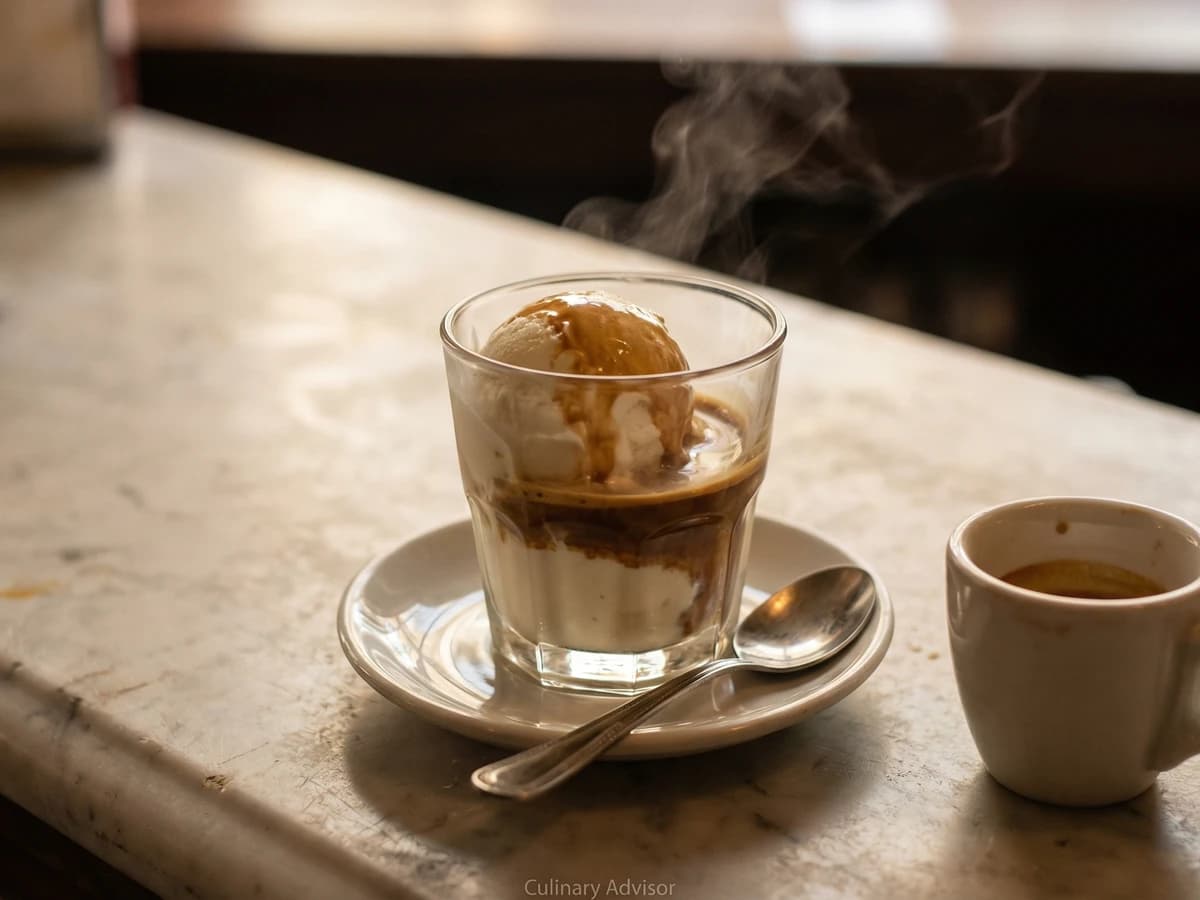
Three ingredients, no cooking, pure theater. The espresso must be fresh, the gelato must be cold, and the moment of pouring must happen at the table where everyone can watch.
A cooking platform built around craft, culture, and the stories behind what we eat.
Created by
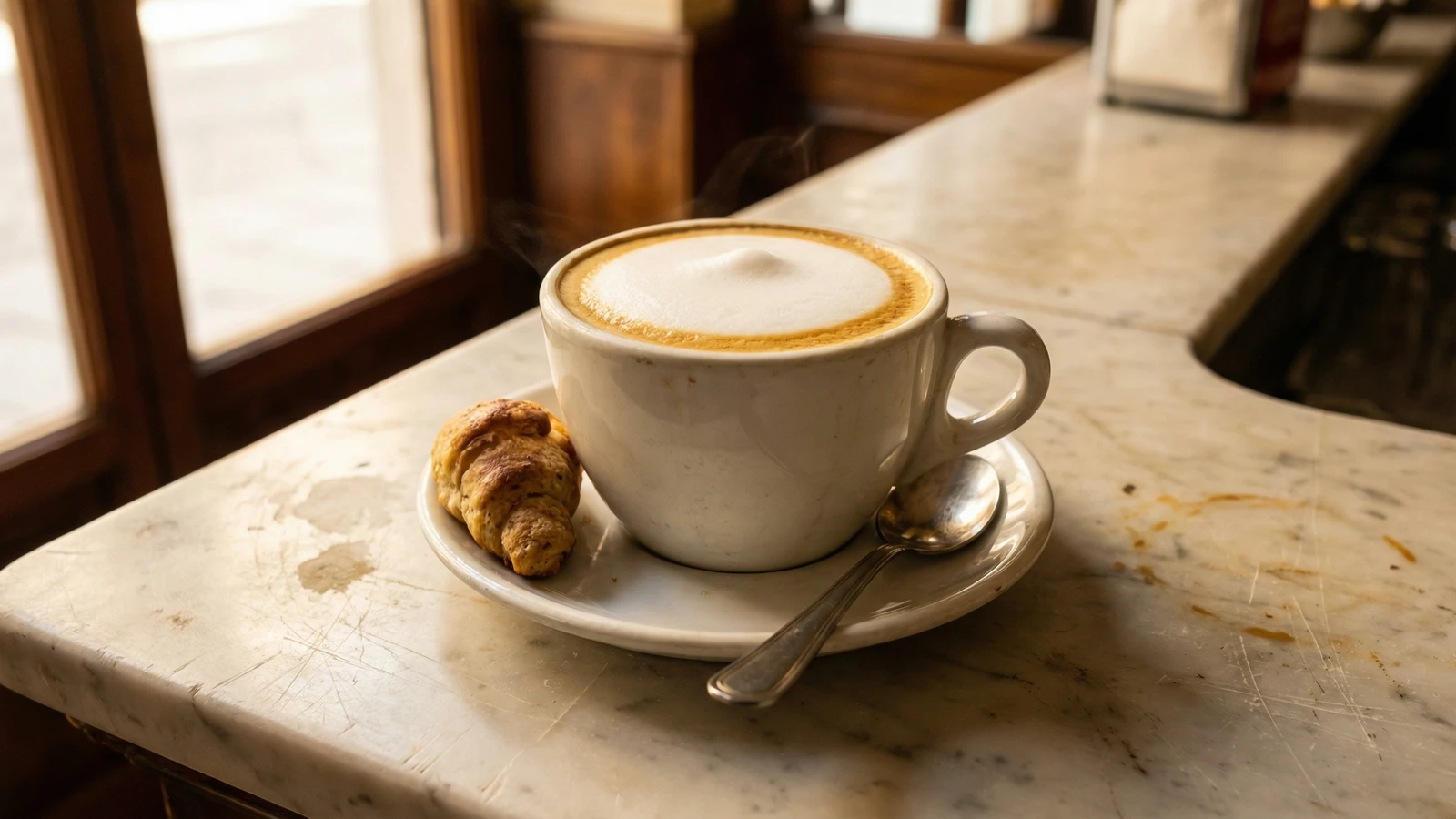
The morning drink of Italy, served in a warm ceramic cup with equal parts espresso, steamed milk, and microfoam so velvety it holds a pattern. Order it after noon and announce yourself as a tourist.
Italians do not drink cappuccino after eleven in the morning. This is not a suggestion. It is a truth so deeply held that to violate it is to mark yourself as someone who does not understand how Italians eat and drink. Milk is for the morning, when your stomach is empty and needs coating. After lunch, after dinner, milk in coffee becomes an affront to digestion and to the meal you have just eaten.
The proportions are not negotiable: one-third espresso, one-third steamed milk, one-third foam. The foam must be microfoam, dense and velvety, not the stiff dry peaks Americans mistake for cappuccino. When made properly, the milk and coffee integrate into something neither could be alone. The foam should hold a pattern if you pour with skill, though the pattern is vanity. The texture is what matters.
The cup must be warm. Cold ceramic shocks the espresso and drops the temperature below what is pleasant to drink. This is why the barista at a proper Italian bar keeps cups on the espresso machine. Every detail serves the drink.
The cappuccino takes its name from the Capuchin friars, whose brown hooded robes matched the color of espresso tempered with milk. The drink emerged in its modern form in early 20th-century Italy, after the perfection of the espresso machine. It became the standard colazione of Italian mornings, drunk standing at the bar with a cornetto, rarely lingered over, always finished before the work of the day begins.
Quantity
18-20 grams
finely ground
Quantity
120ml (4 ounces)
cold
Quantity
1
warmed
| Ingredient | Quantity |
|---|---|
| espresso coffeefinely ground | 18-20 grams |
| whole milkcold | 120ml (4 ounces) |
| ceramic cappuccino cupwarmed | 1 |
Place your ceramic cup on top of the espresso machine or rinse it with hot water. A cold cup is the enemy of good cappuccino. The ceramic should be warm to the touch, not burning hot. Dry it if you have rinsed it.
Grind your coffee immediately before brewing. The grind should be fine, like table salt. Distribute the grounds evenly in the portafilter and tamp with firm, level pressure. Extract 25-30ml of espresso in approximately 25-30 seconds. The stream should resemble warm honey. If it gushes, your grind is too coarse. If it drips, too fine.
Pour cold whole milk into a metal pitcher, filling no more than halfway. Submerge the steam wand tip just below the surface. Open the steam valve fully. You should hear a gentle hissing, like paper tearing. This introduces air. After 3-4 seconds, lower the pitcher so the wand goes deeper. The milk should now spin in a whirlpool. Continue until the pitcher is almost too hot to hold, approximately 65°C (150°F). Never let it scream. Screaming milk is burned milk.
Tap the pitcher firmly on the counter to break any large bubbles. Swirl it vigorously until the milk looks like wet white paint, glossy and uniform. There should be no visible separation between milk and foam. This is microfoam. If you see distinct layers, you have failed and must begin again.
Pour immediately. The foam and milk must remain integrated. Begin pouring from several inches above the cup, letting the milk fall through the crema. As the cup fills, bring the pitcher closer and increase your speed. The foam will rise to create the cap. A properly poured cappuccino will show a thin ring of crema around the edge, white foam in the center. Serve at once. Drink it standing at the bar if you want to feel Italian. Do not let it sit.
1 serving (about 155g)
Culinary guides, cultural storytelling, and the editorial depth that makes cooking meaningful.
Discover Culinary ExplorerChef Graziella
Three ingredients, no cooking, pure theater. The espresso must be fresh, the gelato must be cold, and the moment of pouring must happen at the table where everyone can watch.
Chef Graziella
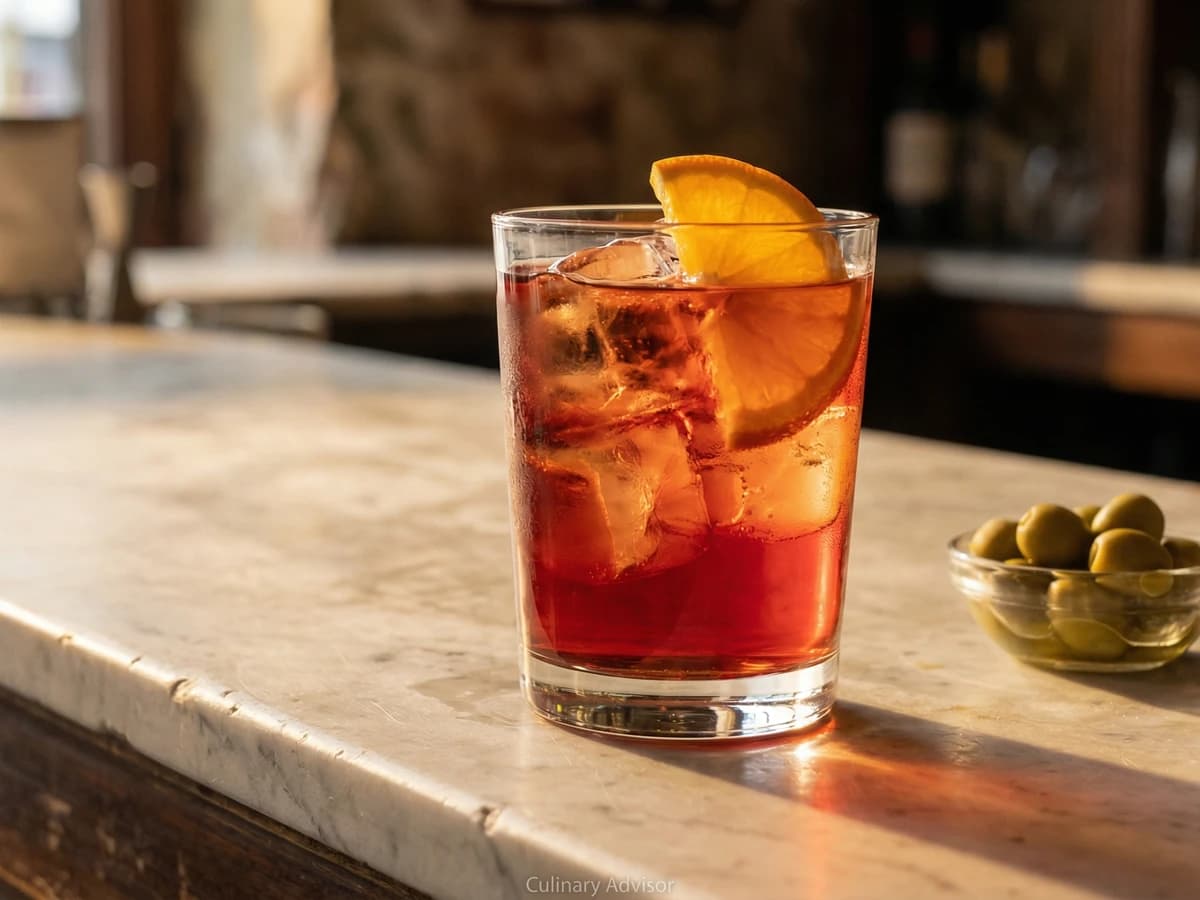
The original aperitivo of the Risorgimento era, when bitter Campari from Milan met sweet vermouth from Turin. Before someone added gin and called it a Negroni, this was the drink of Italian sophistication.
Chef Graziella
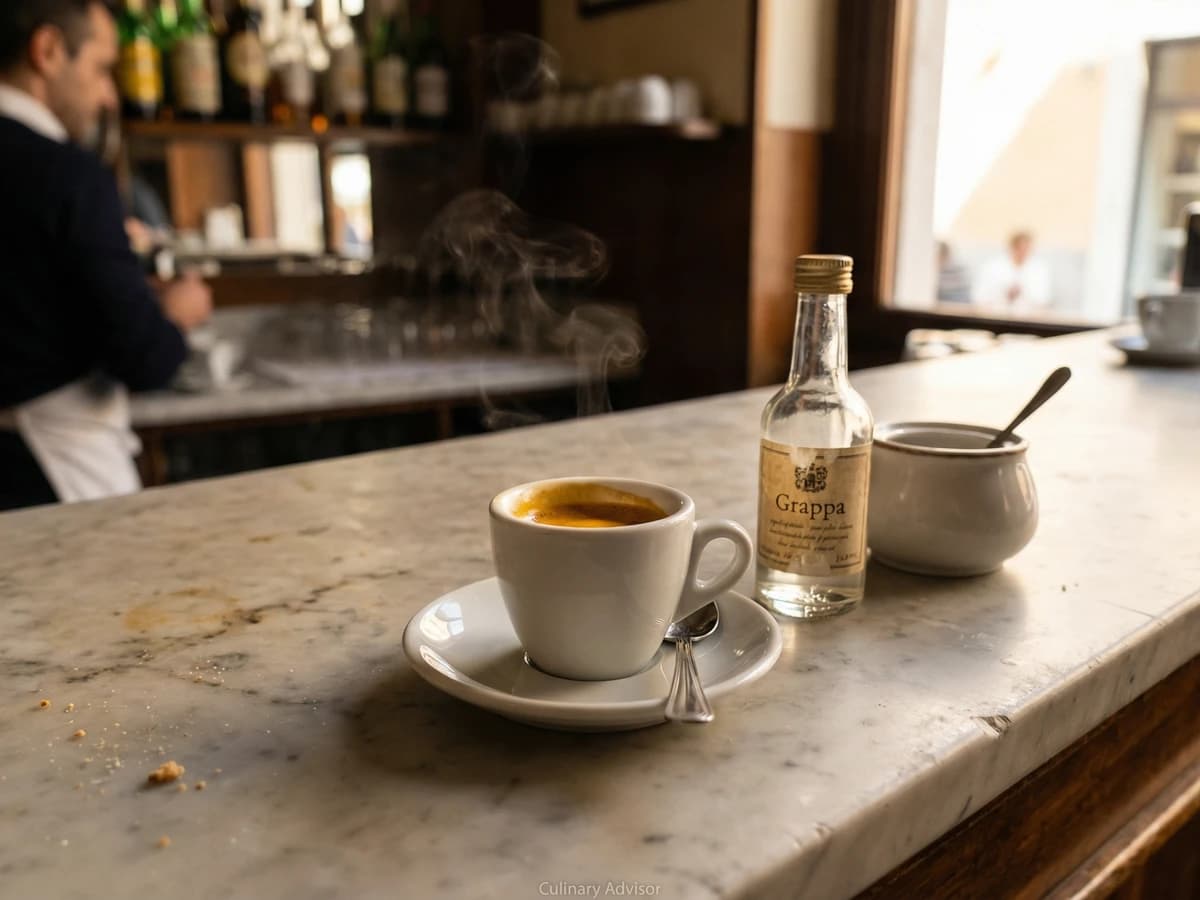
The Italian coffee that needs no apology: a shot of espresso fortified with grappa, sambuca, or brandy. Some mornings demand correction.

Chef Graziella
The only iced coffee worth drinking in summer. Hot espresso, cold ice, violent shaking, and a foam that proves you did it right. This is what Italians drink when Americans are ordering frappuccinos.