
Chef Margarida
Amêijoas à Bulhão Pato
The clam dish that made a poet immortal, nothing but garlic, wine, and coentros meeting the brine of the sea. Ten minutes from pan to table. Bread mandatory.
A cooking platform built around craft, culture, and the stories behind what we eat.
Created by
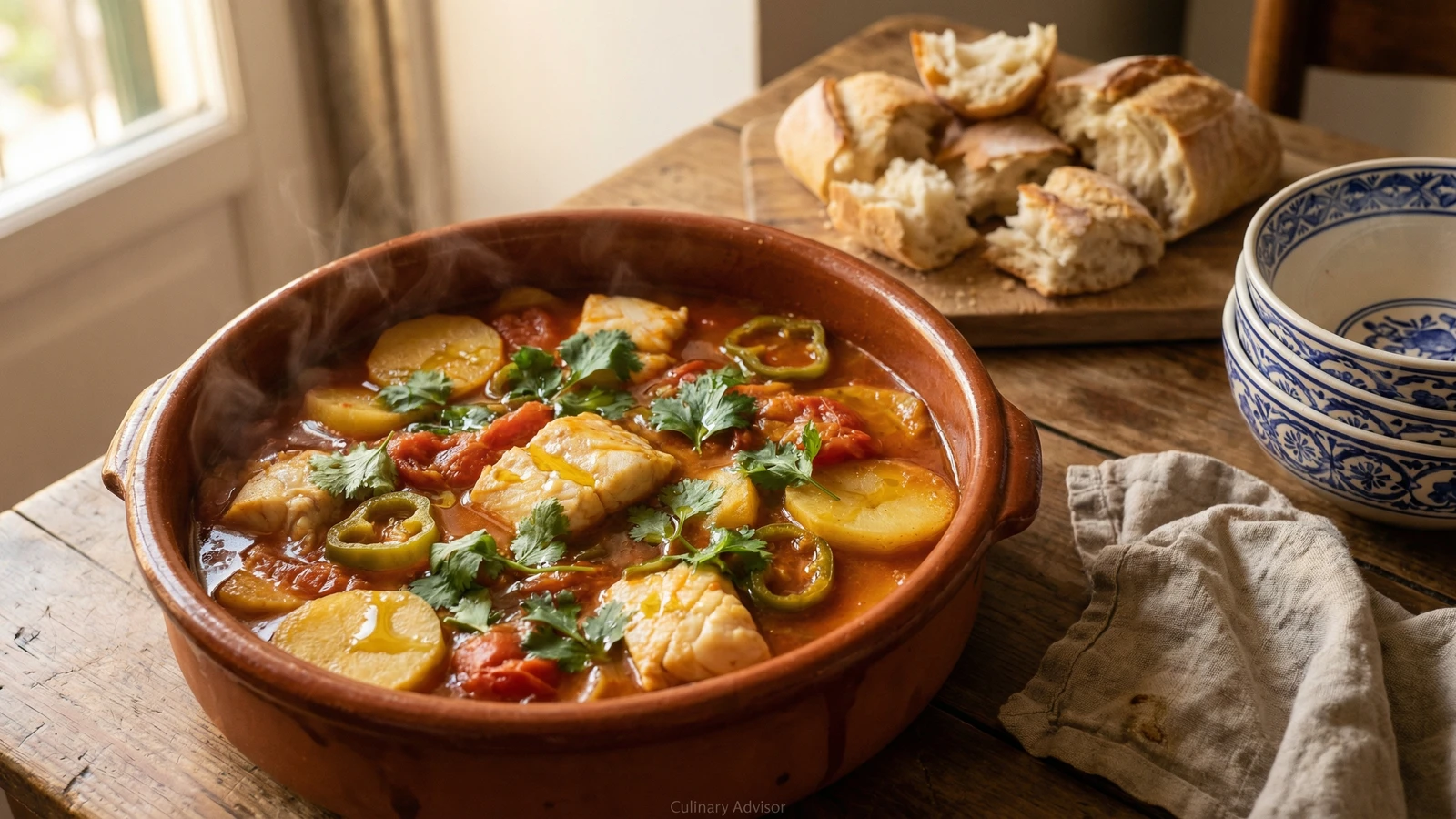
The fisherman's stew that every Portuguese coastal town claims as their own, layered with whatever the boats brought in, the broth so good you'll fight over the last piece of bread to soak it up.
This is the dish that reminds me why I do what I do. Every fishing village in Portugal has a caldeirada, and every one of them will tell you theirs is the original. Nazaré says it's theirs. Setúbal argues. The Algarve laughs at both. They're all right. They're all the same dish with the soul of their own waters.
Caldeirada is what happened when fishermen needed to eat and couldn't sell the mixed catch at market. The ugly fish, the small ones, the varieties nobody wanted to buy. They layered them in a pot with whatever grew in the garden, poured in some wine, and let the fire do the work. Necessity made genius. Poverty made poetry.
I've documented caldeirada recipes from grandmothers in seven different coastal towns. Not one of them measures anything. "Uma mão de batatas," they say. A hand of potatoes. "Peixe bastante." Enough fish. The technique is always the same: layer, don't stir, trust the steam. The ingredients change with the tide.
At Mesa da Avó, when we serve caldeirada, I tell people to forget their forks for the broth. That's what the bread is for. The bread drinks everything. You tear it, you dip it, you understand why Portuguese cooking is inseparable from pão. A caldeirada without bread isn't finished. It's just waiting.
Caldeirada has been cooked along Portugal's coast for at least five centuries, born from fishermen's need to use unsellable mixed catch. The dish predates Portugal's Age of Discovery but evolved alongside it, incorporating New World tomatoes and peppers. Each coastal region guards its version: Setúbal's includes eel, Nazaré favors ray and monkfish, and the Algarve adds clams and shrimp.
Quantity
1.2 kg
cut into large chunks
Quantity
500g
peeled and sliced 1cm thick
Quantity
3 medium
sliced into rings
Quantity
4
sliced
Quantity
2
seeded and sliced into rings
Quantity
6 cloves
sliced
Quantity
2
Quantity
1 teaspoon
Quantity
1/2 cup
Quantity
1 cup
Quantity
1 cup
Quantity
1 small bunch
roughly chopped
Quantity
1 small bunch
roughly chopped
Quantity
1 teaspoon or 1 small chili
crumbled
Quantity
to taste
Quantity
to taste
freshly ground
| Ingredient | Quantity |
|---|---|
| mixed firm fishcut into large chunks | 1.2 kg |
| waxy potatoespeeled and sliced 1cm thick | 500g |
| onionssliced into rings | 3 medium |
| ripe tomatoessliced | 4 |
| green bell peppersseeded and sliced into rings | 2 |
| garlicsliced | 6 cloves |
| bay leaves | 2 |
| sweet paprika (colorau) | 1 teaspoon |
| extra virgin olive oil (azeite) | 1/2 cup |
| dry white wine | 1 cup |
| fish stock or water | 1 cup |
| fresh cilantro (coentros)roughly chopped | 1 small bunch |
| fresh parsleyroughly chopped | 1 small bunch |
| piri-piri or dried chili (optional)crumbled | 1 teaspoon or 1 small chili |
| fine sea salt | to taste |
| black pepperfreshly ground | to taste |
Season the fish chunks generously with salt and let them rest while you prepare everything else. This draws out moisture and firms the flesh so it holds together during cooking. The fish should glisten with salt, not be buried in it.
In a wide, heavy pot (a cataplana if you have one, otherwise a Dutch oven), drizzle half the olive oil across the bottom. Layer half the onion rings, then half the potato slices, then half the tomatoes and peppers. Scatter half the garlic, one bay leaf, and half the paprika. Season with salt and pepper. This is how your grandmother would do it. No browning, no fuss. Just layers.
Arrange all the fish pieces in a single layer over the vegetables. Pat them dry first. The fish goes in the middle so it's protected from direct heat and cooks gently in the steam from below.
Repeat the vegetable layers: remaining onions, potatoes, tomatoes, peppers, garlic, the second bay leaf, and remaining paprika. If using piri-piri, add it here. Pour the white wine and fish stock around the edges. Drizzle the remaining olive oil over the top. The liquid should come about halfway up the pot. Don't drown it.
Cover the pot tightly and bring to a gentle simmer over medium heat. Then reduce to low and cook for 35 to 40 minutes. Don't lift the lid for the first 25 minutes. The steam does the work. The potatoes should be tender, the fish flaking, and the broth should taste like the sea married the garden.
Scatter the coentros and parsley over the top. Bring the whole pot to the table. Serve in deep bowls, making sure each person gets fish, potatoes, and plenty of that broth. The broth is the treasure. Have crusty bread ready. Mandatory. You'll want to soak up every last drop.
1 serving (about 480g)
Culinary guides, cultural storytelling, and the editorial depth that makes cooking meaningful.
Discover Culinary ExplorerChef Margarida
The clam dish that made a poet immortal, nothing but garlic, wine, and coentros meeting the brine of the sea. Ten minutes from pan to table. Bread mandatory.

Chef Margarida
Rice and beans, the combination that kept Portuguese families alive through hard times. Poor food that proves poverty breeds genius. Every spoonful is survival made delicious.

Chef Margarida
Portugal's greatest celebration of the sea: rice swimming in saffron broth, piled high with prawns, clams, mussels, and crab. Malandrinho, wet, abundant, the dish that brings families to the table.

Chef Margarida
The octopus rice of Portugal's coast, where the sea meets the pot and everything becomes one. Malandrinho style: loose, creamy, and deeply savory with every spoonful tasting of the Atlantic.