
Chef Dean
Baked Chicken Parmesan
Golden-crusted chicken cutlets blanketed in robust marinara and stretchy mozzarella, baked until the cheese bubbles and browns at the edges. This is the dish that made Italian-American cooking famous.
A cooking platform built around craft, culture, and the stories behind what we eat.
Created by
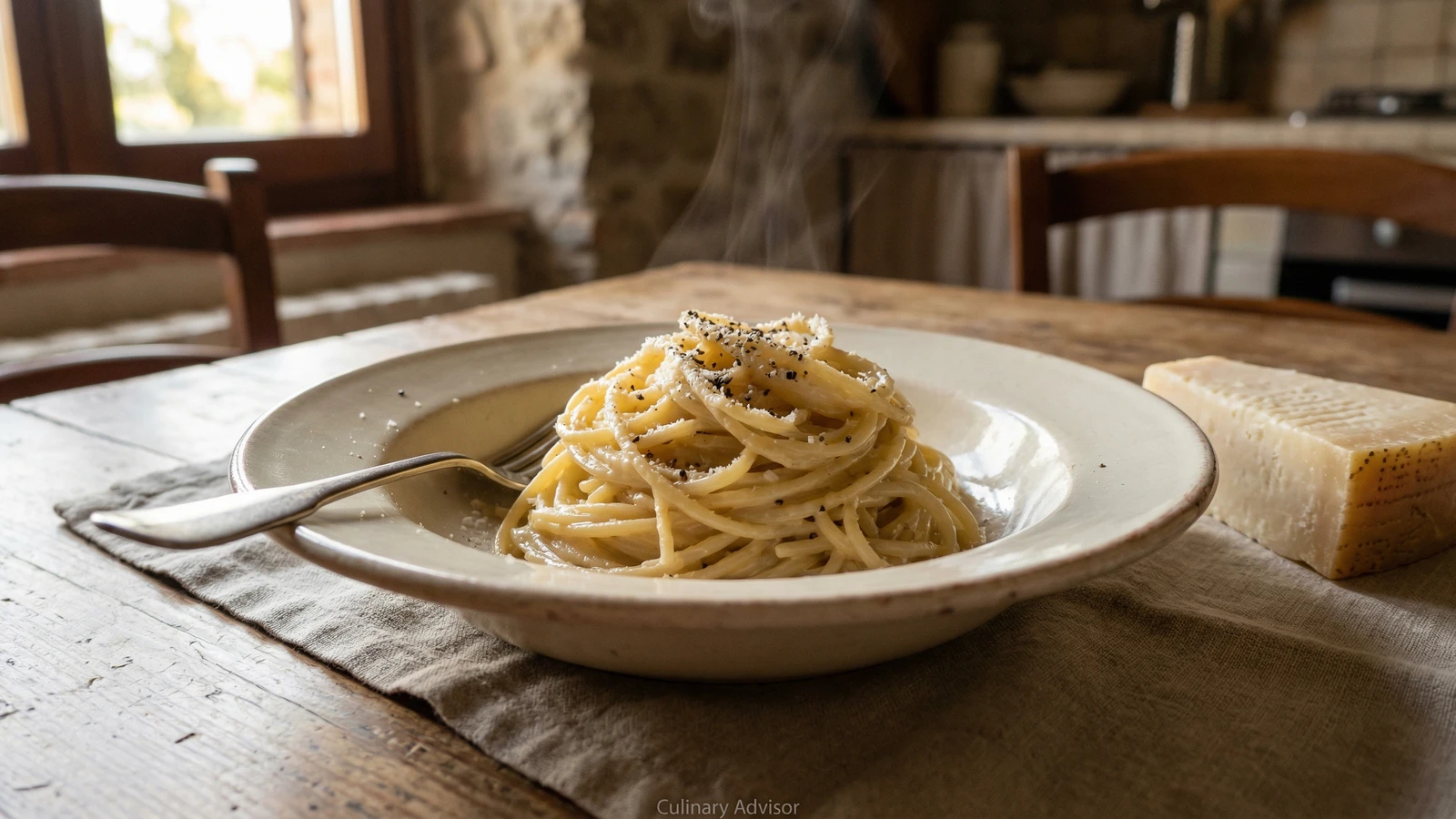
Three ingredients, infinite satisfaction. Real Pecorino Romano, freshly cracked black pepper, and good pasta transformed through nothing but technique and respect for what you have.
Start with the cheese. Real Pecorino Romano, aged at least eight months, made from the milk of sheep that graze on wild herbs in the countryside around Rome. It should smell sharp and grassy, almost aggressive. This is the soul of cacio e pepe. Without it, you are making something else entirely.
The pepper matters nearly as much. Whole black peppercorns, cracked moments before they hit the pan. That first bloom of fragrance when they toast, floral and biting, disappears within minutes of grinding. Stale pepper is dead pepper.
This dish is Roman in origin and Roman in spirit: uncompromising, direct, and built on the belief that perfect ingredients need almost nothing done to them. The technique here is not about showing off. It is about getting out of the way. You are building an emulsion from cheese and starchy water, coaxing fat and protein to become a sauce that clings to every strand.
Every meal is a meaningful choice. When you seek out real Pecorino from a good source, when you crack your own pepper, when you pay attention to the temperature of your pasta water, you are choosing to participate in something older and more honest than convenience.
Quantity
1 pound (450g)
Quantity
6 ounces (170g)
finely grated
Quantity
2 tablespoons
freshly cracked
Quantity
for pasta water
| Ingredient | Quantity |
|---|---|
| dried spaghetti or tonnarelli | 1 pound (450g) |
| Pecorino Romano cheesefinely grated | 6 ounces (170g) |
| whole black peppercornsfreshly cracked | 2 tablespoons |
| kosher salt | for pasta water |
Place the whole peppercorns in a dry skillet over medium heat. Toast them for two to three minutes, shaking the pan occasionally, until they release their fragrance and you can smell that sharp, floral bite. Transfer to a mortar or spice grinder and crack them coarsely. You want irregular pieces, some powder and some chunks. This uneven texture is the soul of the dish.
Grate the Pecorino Romano on the finest holes of a box grater or with a Microplane. It should be almost fluffy, like fresh snow. This fineness is not optional. Coarse cheese will not emulsify properly and you will end up with clumps instead of a creamy sauce. Place the grated cheese in a large bowl.
Bring a large pot of water to a rolling boil. Salt it less than you normally would, about half your usual amount. The Pecorino is already intensely salty, and your pasta water becomes part of the sauce. Cook the pasta until it is one minute shy of al dente. It will finish in the pan.
While the pasta cooks, add about two tablespoons of pasta water to the skillet with your cracked pepper. Set it over medium-low heat. The water will sizzle and steam, blooming the pepper's oils into the liquid. Add more water if the pan threatens to go dry. You want about half a cup of peppery water waiting in the pan.
Add about half a cup of warm (not boiling) pasta water to the bowl of grated cheese. Stir vigorously with a fork until you have a smooth, creamy paste. It should look like thick cream. If it seems too stiff, add more water, a tablespoon at a time. This tempered cheese mixture will coat the pasta without clumping.
Using tongs, transfer the pasta directly from the pot to the skillet with the peppery water. Do not drain it first. The water clinging to the strands is part of the sauce. Toss the pasta over medium-low heat for one minute, letting it drink in the pepper-infused liquid and finish cooking.
Remove the skillet from the heat entirely. This is critical. Add the cheese paste to the pasta and toss vigorously, lifting the strands high to incorporate air and encourage emulsification. The sauce should cling to every strand, creamy and glossy. If it tightens, add splashes of pasta water. If it looks greasy, toss more aggressively. Taste. Adjust pepper. Serve immediately on warmed plates.
1 serving (about 295g)
Culinary guides, cultural storytelling, and the editorial depth that makes cooking meaningful.
Discover Culinary ExplorerChef Dean
Golden-crusted chicken cutlets blanketed in robust marinara and stretchy mozzarella, baked until the cheese bubbles and browns at the edges. This is the dish that made Italian-American cooking famous.

Chef Dean
Ridged ziti tubes cradling a slow-simmered meat sauce, layered with creamy ricotta and buried under a blanket of molten mozzarella that blisters golden in the oven. This is the dish that ends arguments and fills bellies.

Chef Ally
The iconic Tuscan steak: two inches of well-marbled beef, seared over a roaring fire, rested until the juices settle, then sliced and dressed with nothing but olive oil, rosemary, and sea salt.
Chef Ally
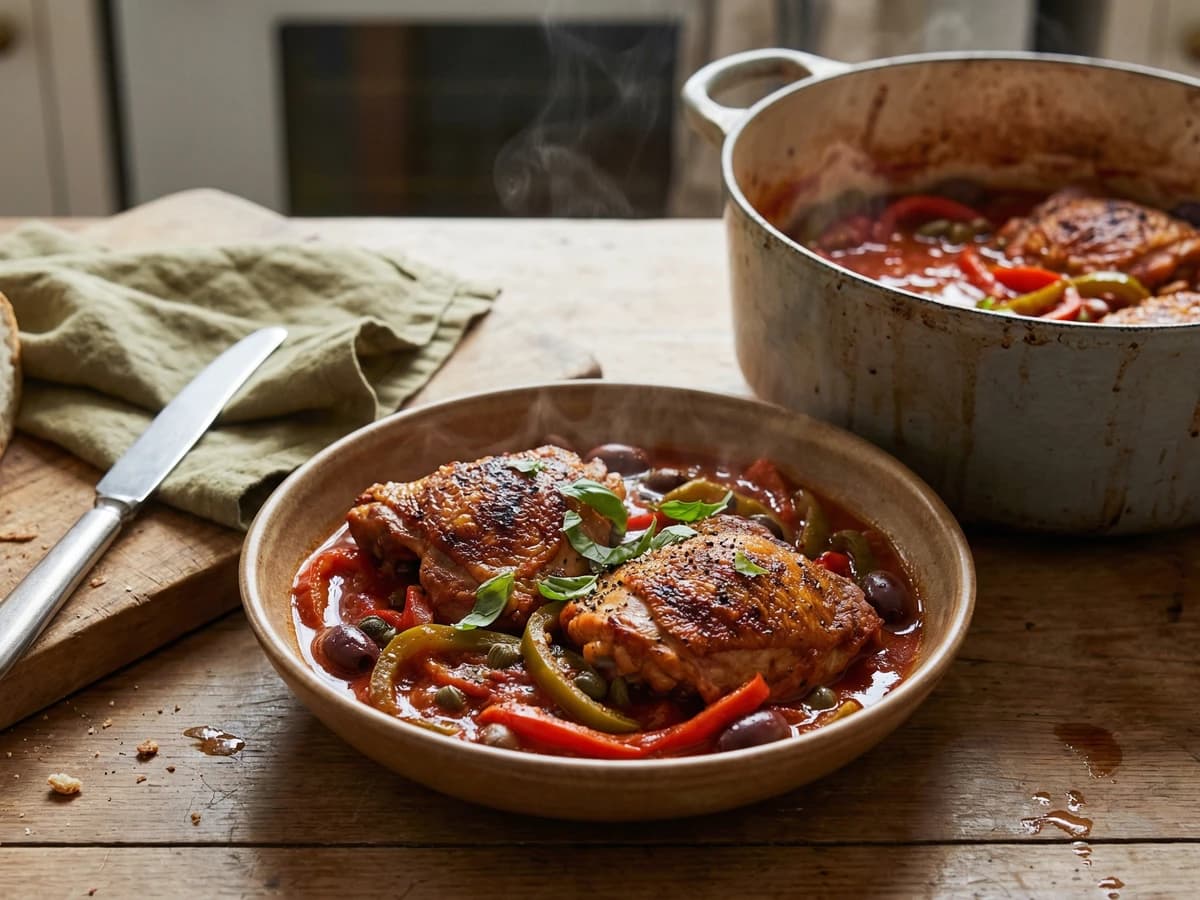
A rustic Italian braise of bone-in chicken simmered with ripe tomatoes, sweet peppers, briny olives, and garden herbs until the meat falls from the bone and the sauce tells you everything about summer.