Chef Dean
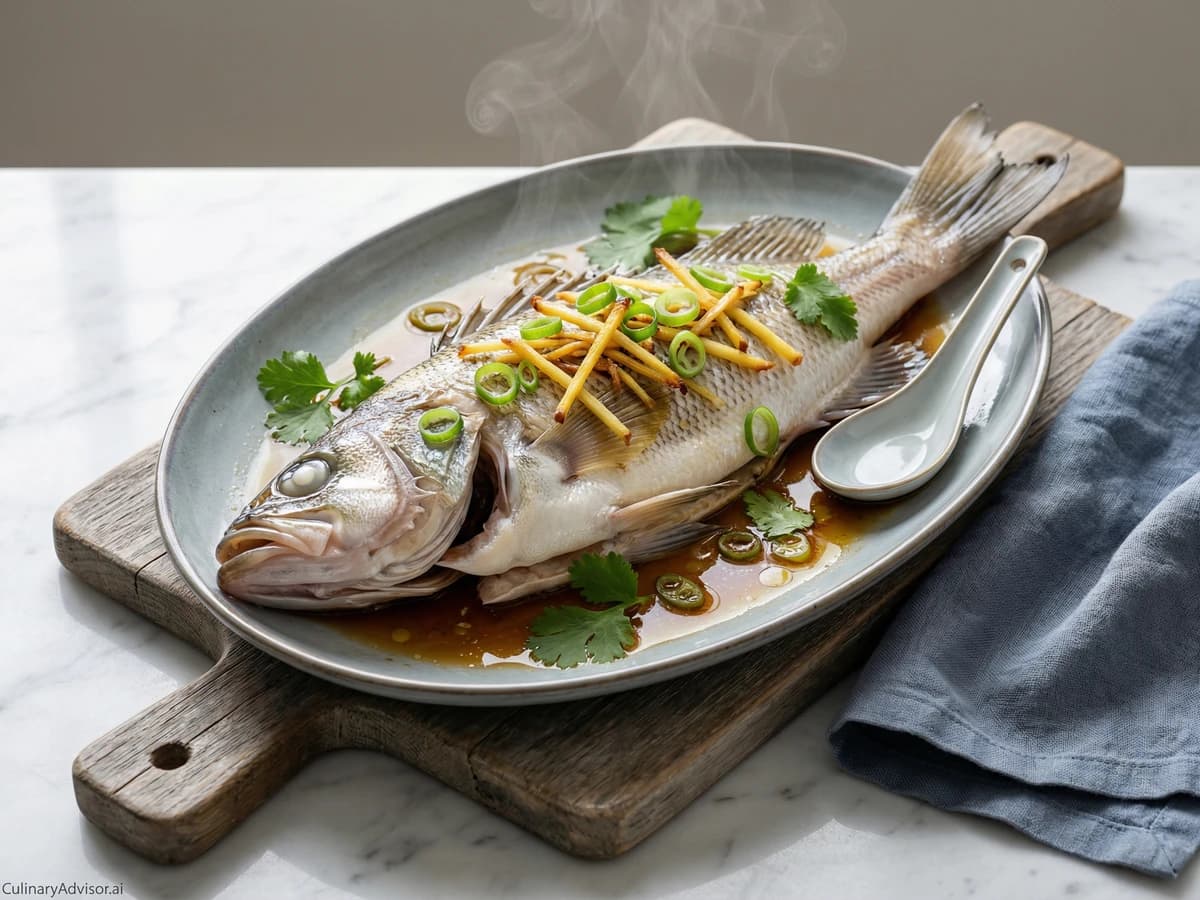
Chinese-Style Steamed Whole Fish
A whole Pacific rockfish steamed to silken perfection, then shocked with smoking-hot oil that sends ginger and scallions into an aromatic frenzy. This is the dish that proves simplicity requires courage.
A cooking platform built around craft, culture, and the stories behind what we eat.

Created by
A celebration of textures and traditions: silky tofu, tender mushrooms, and crisp vegetables braised in a glossy sauce that honors the Buddhist vegetarian tradition and welcomes prosperity with every bite.
This dish predates American cuisine by centuries, yet it embodies the same principle I've championed my whole career: honest ingredients treated with respect. Buddhist monks created Jai to nourish the body without harming any living creature, and Chinese families have served it on the first day of Lunar New Year for generations. The number of ingredients matters. Eight or more brings good fortune. Each component carries meaning: black moss for wealth, lotus seeds for fertility, ginkgo nuts for silver and gold.
The secret to great Buddha's Delight lies in preparation, not technique. Those dried ingredients on the shelf of your Asian market transform when soaked. Wood ear mushrooms become silky and yielding. Lily buds develop a subtle sweetness. Bean curd sticks turn chewy and satisfying. This is peasant wisdom: preserve abundance in lean times, then reconstitute it into something magnificent.
I've watched home cooks intimidate themselves out of making this dish. Don't. The braising requires nothing more than attention to your wok and trust in your ingredients. If you can stir-fry, you can make Jai. The hardest part is the waiting while things soak, and last I checked, patience doesn't require culinary school.
For large gatherings, this recipe becomes your secret weapon. It improves overnight. The flavors deepen, the sauce glazes every surface, and you free yourself to enjoy your guests instead of standing at the stove. That's the kind of cooking I believe in.
Quantity
1 ounce
Quantity
1 ounce
Quantity
2 ounces
Quantity
6
Quantity
2 ounces
Quantity
1 pound
drained and cubed
Quantity
3 tablespoons, divided
Quantity
4 cloves
minced
Quantity
1 inch
minced
Quantity
1 small head (about 6 cups)
cut into 2-inch pieces
Quantity
1 can (8 ounces)
drained
Quantity
1 can (8 ounces)
drained
Quantity
1 medium
sliced on the diagonal
Quantity
4 ounces
trimmed
Quantity
1/2 cup
drained
Quantity
2 cups
Quantity
3 tablespoons
Quantity
1 tablespoon
Quantity
2 tablespoons
Quantity
1 tablespoon
Quantity
1 teaspoon
Quantity
1/2 teaspoon
Quantity
1 tablespoon
mixed with 2 tablespoons water
Quantity
2 teaspoons
Quantity
for garnish
Quantity
for garnish
| Ingredient | Quantity |
|---|---|
| dried wood ear mushrooms | 1 ounce |
| dried lily buds (golden needles) | 1 ounce |
| dried bean curd sticks (fu zhu) | 2 ounces |
| dried shiitake mushrooms | 6 |
| cellophane noodles (mung bean threads) | 2 ounces |
| firm tofudrained and cubed | 1 pound |
| vegetable oil | 3 tablespoons, divided |
| garlicminced | 4 cloves |
| fresh gingerminced | 1 inch |
| napa cabbagecut into 2-inch pieces | 1 small head (about 6 cups) |
| sliced bamboo shootsdrained | 1 can (8 ounces) |
| sliced water chestnutsdrained | 1 can (8 ounces) |
| carrotsliced on the diagonal | 1 medium |
| snow peastrimmed | 4 ounces |
| canned ginkgo nuts (optional)drained | 1/2 cup |
| vegetable broth | 2 cups |
| light soy sauce | 3 tablespoons |
| dark soy sauce | 1 tablespoon |
| vegetarian oyster sauce (mushroom sauce) | 2 tablespoons |
| Shaoxing wine or dry sherry | 1 tablespoon |
| sugar | 1 teaspoon |
| white pepper | 1/2 teaspoon |
| cornstarchmixed with 2 tablespoons water | 1 tablespoon |
| toasted sesame oil | 2 teaspoons |
| fresh cilantro (optional) | for garnish |
| toasted sesame seeds (optional) | for garnish |
Place wood ear mushrooms, lily buds, bean curd sticks, and shiitake mushrooms in separate bowls. Cover each with warm water and let soak for 30 minutes. The mushrooms will triple in size and turn silky. The lily buds will soften and release a faintly sweet aroma. Meanwhile, soak cellophane noodles in warm water for 15 minutes until pliable.
Drain all soaked ingredients thoroughly. Trim the hard knots from the lily buds and discard. Remove and discard shiitake stems, then slice the caps into quarters. Cut bean curd sticks into 2-inch lengths. Tear any large wood ear mushrooms into bite-sized pieces. Snip cellophane noodles into manageable lengths with kitchen scissors. Reserve the shiitake soaking liquid: strain it through a fine-mesh sieve to catch any grit. This liquid is pure flavor.
In a bowl, combine vegetable broth, light soy sauce, dark soy sauce, vegetarian oyster sauce, Shaoxing wine, sugar, and white pepper. Stir until the sugar dissolves. Taste it. The sauce should be savory with a hint of sweetness. Adjust now rather than later. Add 1/4 cup of your strained shiitake soaking liquid for depth.
Heat a large wok or 14-inch skillet over high heat until a drop of water evaporates on contact. Add 2 tablespoons vegetable oil and swirl to coat. Add tofu cubes in a single layer. Let them sit undisturbed for 2 minutes until golden on the bottom. You'll hear active sizzling: that's moisture leaving and crust forming. Flip and brown another side. Transfer to a plate. The tofu won't be cooked through, and that's correct. It finishes in the braise.
Return the wok to high heat and add the remaining tablespoon of oil. When it shimmers, add garlic and ginger. Stir constantly for 30 seconds until fragrant. The kitchen should smell alive with that sharp, warm perfume. Work quickly here. Burnt garlic tastes bitter and ruins everything it touches.
Add carrots first since they take longest to cook. Stir-fry for 1 minute. Add napa cabbage and toss until it begins to wilt, about 2 minutes. Now add your rehydrated wood ear mushrooms, shiitakes, lily buds, and bean curd sticks. Toss everything together for another minute. Each addition should hit the hot wok and sizzle. If the wok goes quiet, it's not hot enough.
Pour in the braising sauce. It will bubble aggressively on contact with the hot wok. Add bamboo shoots, water chestnuts, and ginkgo nuts if using. Bring to a boil, then reduce heat to medium. Cover and simmer for 8 minutes. The cabbage will turn translucent and tender, the flavors will marry, and the sauce will reduce slightly.
Uncover the wok. Add reserved tofu cubes, cellophane noodles, and snow peas. Stir gently to distribute without breaking the tofu. The noodles will absorb sauce and turn glossy. Cook uncovered for 3 minutes until snow peas are crisp-tender and bright green.
Give the cornstarch slurry a stir (it settles quickly) and pour it into the wok while stirring. The sauce will transform from thin to glossy within 30 seconds. Remove from heat immediately. Drizzle with sesame oil and toss once more. The finished dish should glisten, each ingredient coated in a light, clinging sauce.
Transfer to a wide serving bowl or platter. Scatter cilantro leaves and sesame seeds over the top. Serve immediately with steamed jasmine rice. Tradition calls for this to be the first dish eaten on Lunar New Year morning, symbolizing purification and an auspicious beginning. Present it with intention.
1 serving (about 350g)
Culinary guides, cultural storytelling, and the editorial depth that makes cooking meaningful.
Discover Culinary ExplorerChef Dean
A whole Pacific rockfish steamed to silken perfection, then shocked with smoking-hot oil that sends ginger and scallions into an aromatic frenzy. This is the dish that proves simplicity requires courage.

Chef Dean
Massive, silky pork meatballs nestled in a mane of tender napa cabbage, braised until they yield to a chopstick. This is celebratory cooking that rewards patience and feeds a crowd.

Chef Dean
Silky wheat noodles stretched to extraordinary length, tossed in a savory-sweet sauce with crisp vegetables and tender pork, carrying wishes for long life into the new year.

Chef Dean
Day-old rice transformed by screaming-hot wok heat, tossed with sweet bay shrimp and Dungeness crab, threaded with golden egg ribbons. This is how you honor the Pacific Northwest's finest shellfish without fuss or pretension.