
Chef Graziella
Pesto alla Genovese
The green sauce of Genoa, pounded by hand until basil leaves surrender their fragrant oils without a trace of bitterness. What the blender destroys, the mortar preserves.
A cooking platform built around craft, culture, and the stories behind what we eat.
Created by
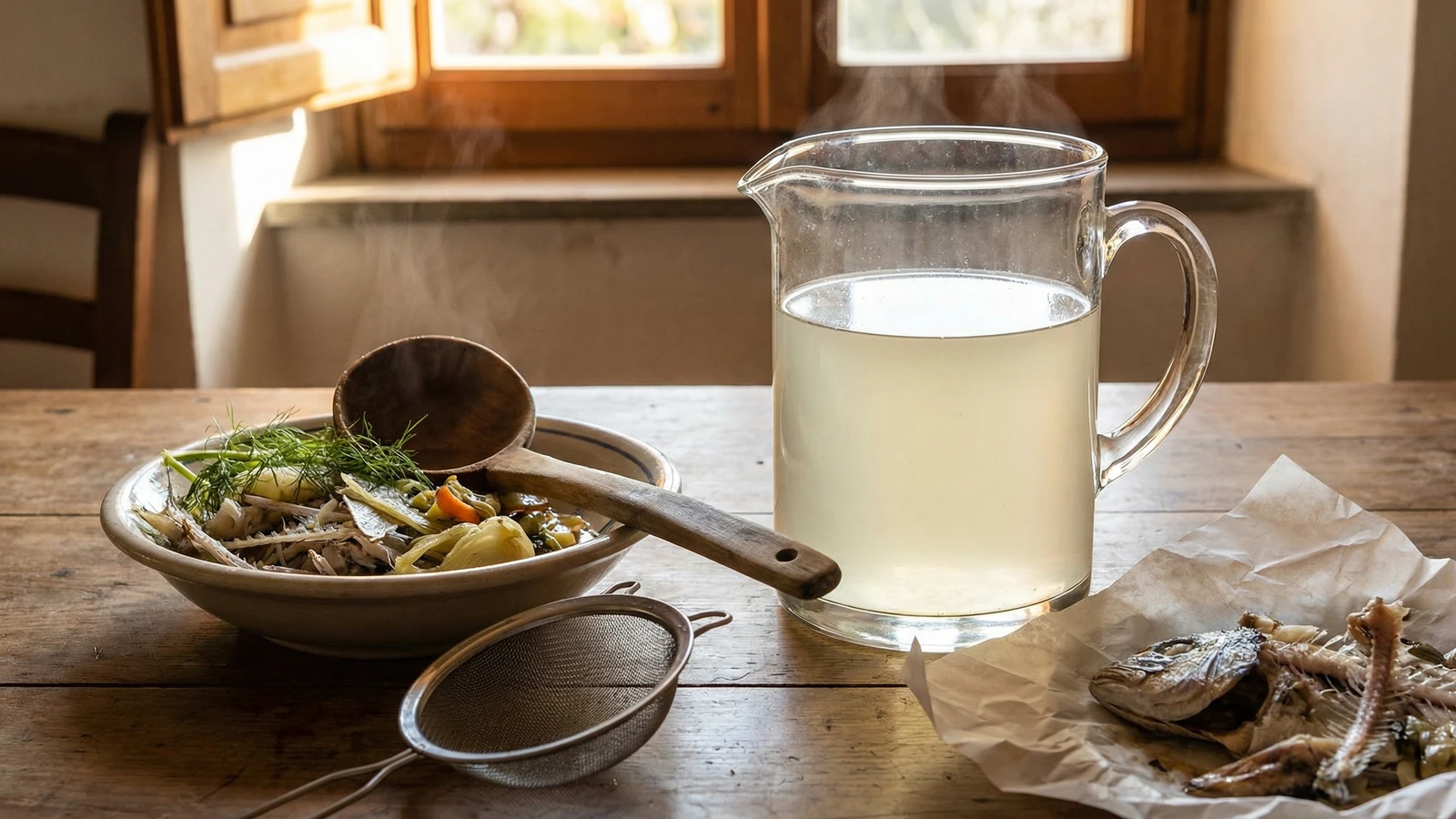
The foundation broth of the Ligurian coast, where fennel fronds and white wine transform humble fish bones into liquid gold. Without this, your seafood risotto is merely rice with fish.
Afish stock is not complicated, but it requires attention. The bones must be fresh, the simmer must be gentle, and you must know when to stop. Overcook it by twenty minutes and you will have bitterness instead of the sea.
In Liguria, the fishermen's wives learned this from necessity. The prized flesh went to market; the bones and heads stayed home. From these scraps, simmered with fennel fronds that grow wild along the coast and a splash of the local white wine, they created the foundation for everything: brodetto, risotto ai frutti di mare, the fish soups that tourists now pay handsomely to eat in Portofino.
What you leave out matters as much as what you put in. No tomato. No heavy herbs that would mask the delicate sweetness of the fish. The fennel is there for a whisper of anise, the wine for brightness. The rest is restraint.
Ligurian fish broth evolved from the cucina povera of coastal fishing villages, where fishermen's families transformed unsellable scraps into the base for their daily meals. The use of fennel, which grows wild along the rocky Riviera coastline, distinguishes this stock from those of other Italian regions and reflects the Ligurian instinct for using what the land provides alongside what the sea offers.
Quantity
2 pounds
from white-fleshed fish (sea bass, snapper, sole, or halibut)
Quantity
2 tablespoons
Quantity
1 medium
quartered
Quantity
2
cut into chunks
Quantity
1
quartered
Quantity
1 cup
Quantity
8 cups
Quantity
6
Quantity
1
Quantity
8
Quantity
1 strip (2 inches)
no white pith
Quantity
1 teaspoon
| Ingredient | Quantity |
|---|---|
| fish bones and headsfrom white-fleshed fish (sea bass, snapper, sole, or halibut) | 2 pounds |
| extra virgin olive oil | 2 tablespoons |
| yellow onionquartered | 1 medium |
| celery stalks with leavescut into chunks | 2 |
| fennel bulb with frondsquartered | 1 |
| dry white wine | 1 cup |
| cold water | 8 cups |
| parsley stems | 6 |
| bay leaf | 1 |
| whole black peppercorns | 8 |
| lemon zestno white pith | 1 strip (2 inches) |
| kosher salt | 1 teaspoon |
Rinse the fish bones and heads under cold running water for several minutes, until the water runs clear. Remove and discard any gills, which are the feathery red organs behind the head. Gills make stock bitter. Break or chop larger bones into pieces that will fit comfortably in your pot. The bones should smell of the sea, clean and briny. If they smell of anything else, they are not fresh enough.
In a heavy stockpot, warm the olive oil over medium heat. Add the onion, celery, and fennel. Cook gently, stirring occasionally, until the vegetables soften and become fragrant, about 8 minutes. They should not brown. You are coaxing out their sweetness, not creating caramelization.
Add the rinsed fish bones and heads to the pot. Stir them with the vegetables and cook for 3 to 4 minutes. The flesh clinging to the bones will turn opaque. This brief cooking helps extract flavor without developing any harshness.
Pour in the white wine. Let it bubble and reduce by half, about 3 minutes. The wine adds acidity that brightens the stock and helps extract gelatin from the bones. A Ligurian would use Vermentino or Pigato, but any dry white wine will serve.
Add the cold water, parsley stems, bay leaf, peppercorns, lemon zest, and salt. The water must be cold. Hot water clouds the stock. Bring everything slowly to a bare simmer. You will see small bubbles rising lazily to the surface. This is correct.
Maintain the laziest simmer for 30 to 35 minutes. During the first 10 minutes, skim any foam or scum that rises to the surface with a ladle or large spoon. After that, leave the pot alone. Stirring disturbs the bones and clouds the stock.
Remove the pot from the heat. Set a fine-mesh strainer over a large bowl or clean pot. Ladle the stock through the strainer, pressing very gently on the solids. Do not force liquid through by mashing. Let gravity do the work. Discard the bones and vegetables. They have given everything they have.
Taste the strained stock. It should be light, clean, and unmistakably of the sea, with a subtle anise note from the fennel. Add salt only if needed. Remember that the stock will concentrate when used in risotto or soup. Underseasoning now is safer than overseasoning.
1 serving (about 240g)
Culinary guides, cultural storytelling, and the editorial depth that makes cooking meaningful.
Discover Culinary ExplorerChef Graziella
The green sauce of Genoa, pounded by hand until basil leaves surrender their fragrant oils without a trace of bitterness. What the blender destroys, the mortar preserves.

Chef Graziella
The ancient walnut sauce of the Ligurian hills, where walnuts are pounded with soaked bread and a whisper of garlic into a cream that clings to pasta like nothing else can.
Chef Juliette
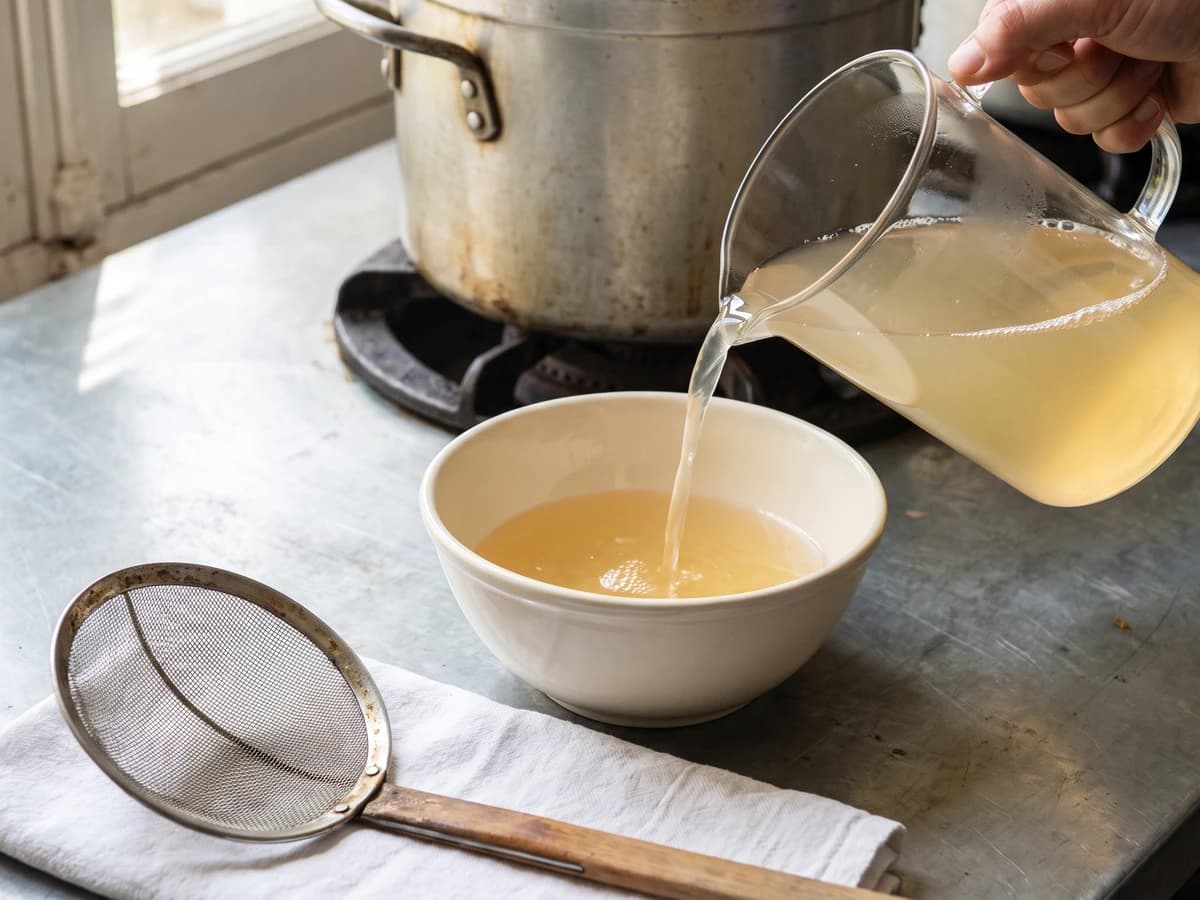
Beef shin, lean beef, and fowl begin in cold water and rise slowly toward a tremble. Skim before the boil, and you learn the quiet discipline that gives every clear French broth its backbone.
Chef Juliette
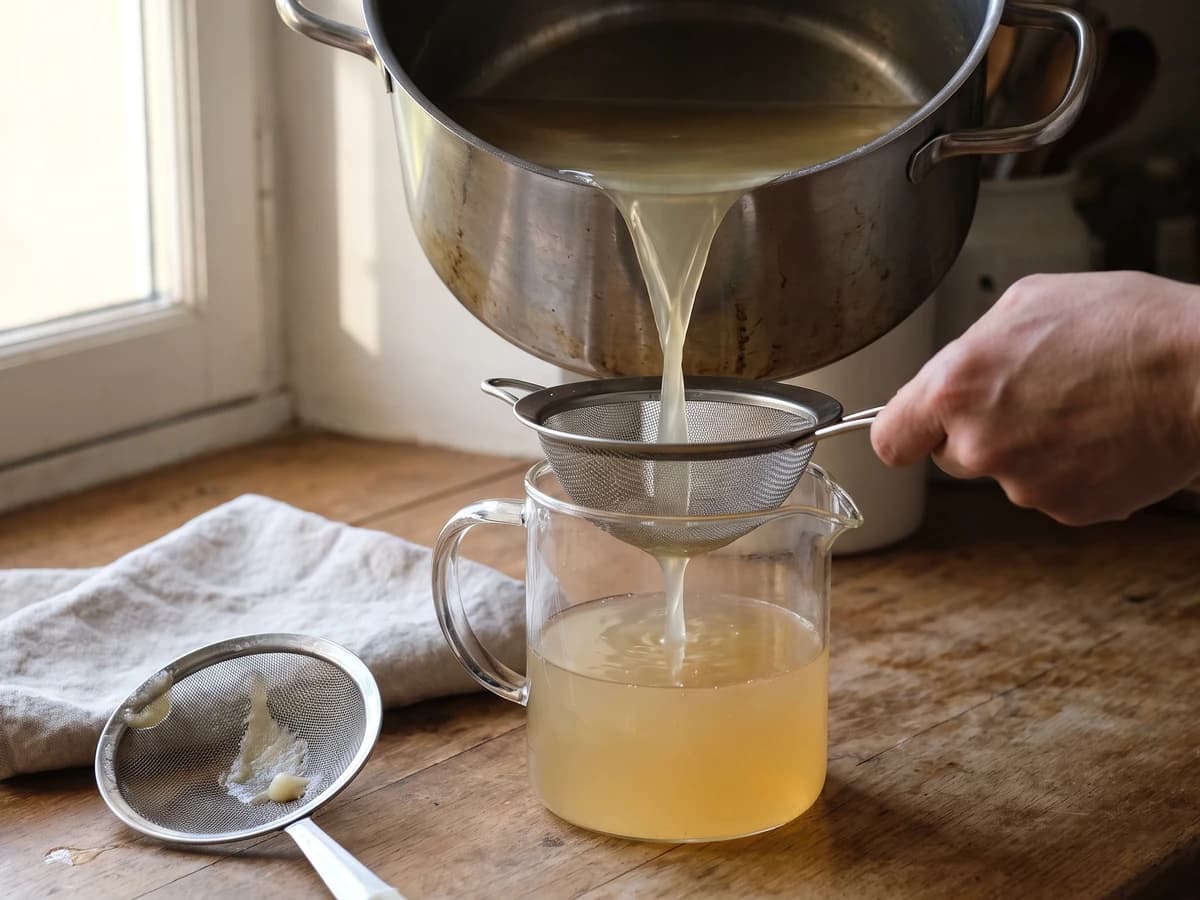
Break the veal bones small, then give them eight hours at a bare tremble. This pale, gelatinous fond becomes the quiet foundation beneath velouté, blanquette, and every sauce that must stay light.