
Chef Graziella
Agnolotti del Plin
The pinched pasta of Piedmont, each tiny parcel sealed with thumb and forefinger, filled with braised meat that has surrendered to hours of slow cooking. Butter or broth. Nothing more.
A cooking platform built around craft, culture, and the stories behind what we eat.

Created by
Piedmont's great celebration braise, where beef surrenders to a full bottle of Barolo over 24 hours of marinating and 4 hours of gentle heat. The wine of kings becomes the sauce itself.
In Piedmont, they do not waste Barolo on ordinary occasions. This wine, made from Nebbiolo grapes grown in the Langhe hills, costs what it costs because it is exceptional. To pour an entire bottle over a piece of beef and cook it for hours is an act of deliberate extravagance. You do this for celebrations: a wedding, a milestone birthday, the return of someone long missed.
The technique is straightforward. The beef marinates in the wine overnight, absorbing its tannins and fruit. Then it braises slowly until the meat yields completely to a fork. The wine reduces into something extraordinary, a sauce of concentrated depth that tastes of the Piedmontese hills themselves.
What you keep out is as significant as what you put in. There is no tomato here. No stock. No cream. The sauce is wine and meat juices, nothing more. The spices are subtle: cloves, cinnamon, peppercorns. They support the wine rather than compete with it. Restraint, as always, is the point.
Brasato al Barolo emerged from the aristocratic kitchens of 19th-century Piedmont, where wealthy families could afford to braise beef in their finest wine. The dish spread to bourgeois tables as Barolo production increased, becoming the centerpiece of celebrations across the region. Today, the recipe remains largely unchanged from what those first cooks prepared: beef, wine, patience.
Quantity
4 pounds
in one piece
Quantity
1 bottle (750ml)
Quantity
1 medium
cut into large chunks
Quantity
2 medium
peeled and cut into large chunks
Quantity
2
cut into large chunks
Quantity
4
Quantity
2
Quantity
1
Quantity
6
Quantity
2 sprigs
Quantity
4 sprigs
Quantity
3 tablespoons
Quantity
2 tablespoons
Quantity
to taste
Quantity
1 cup
if needed
| Ingredient | Quantity |
|---|---|
| beef chuck roast or bottom roundin one piece | 4 pounds |
| Barolo wine | 1 bottle (750ml) |
| yellow onioncut into large chunks | 1 medium |
| carrotspeeled and cut into large chunks | 2 medium |
| celery stalkscut into large chunks | 2 |
| whole cloves | 4 |
| bay leaves | 2 |
| cinnamon stick | 1 |
| black peppercorns | 6 |
| fresh rosemary | 2 sprigs |
| fresh thyme | 4 sprigs |
| extra virgin olive oil | 3 tablespoons |
| unsalted butter | 2 tablespoons |
| kosher salt | to taste |
| beef brothif needed | 1 cup |
Place the beef in a deep ceramic or glass bowl. It must not be metal, which can react with the wine. Scatter the onion, carrots, and celery around and over the meat. Add the cloves, bay leaves, cinnamon stick, peppercorns, rosemary, and thyme. Pour the entire bottle of Barolo over everything. The wine should nearly cover the meat. Turn the beef to coat all sides.
Cover the bowl tightly with plastic wrap. Refrigerate for 24 hours, turning the meat once or twice if you remember. The meat will take on a deep purple color from the wine. This is correct.
Remove the beef from the marinade and pat it thoroughly dry with paper towels. Wet meat will not brown. Strain the marinade through a fine-mesh sieve, reserving both the liquid and the vegetables separately. The liquid should measure roughly three cups.
Season the beef generously with salt on all sides. In a heavy Dutch oven or braising pot, heat the olive oil and butter over medium-high heat until the butter foam subsides. Add the beef and brown it deeply on all sides. This takes 15 to 20 minutes. Do not move the meat constantly. Let each side develop a dark crust before turning. The color should be mahogany, not pale brown.
Remove the browned meat and set it aside. Add the reserved marinade vegetables to the pot. Cook over medium heat, stirring occasionally, until they take on color and begin to caramelize at the edges, about 10 minutes. The vegetables have already given much to the wine; now they give what remains to the braise.
Return the meat to the pot, nestling it among the vegetables. Pour the reserved wine marinade over everything. The liquid should come about two-thirds of the way up the meat. If it does not, add beef broth to reach this level. Bring to a gentle simmer on the stovetop.
Cover the pot tightly and transfer to an oven preheated to 300°F. Braise for 3 to 4 hours, turning the meat once halfway through. The meat is done when a fork slides in and out with no resistance. The flesh should yield completely but still hold its shape. Begin checking at 3 hours.
Transfer the braised beef to a cutting board and tent loosely with foil. Let it rest for 15 minutes. The meat continues to cook gently and the juices redistribute. Slicing immediately would release those juices onto the board instead of keeping them in the meat.
Strain the braising liquid through a fine-mesh sieve into a clean saucepan, pressing on the vegetables to extract their essence. Discard the solids; they have given everything. Bring the liquid to a simmer and reduce until it coats a spoon and tastes intensely of wine and meat, about 15 minutes. You should have roughly one and a half cups. Taste and adjust salt.
Slice the beef against the grain into pieces about half an inch thick. Arrange on a warmed serving platter and spoon the reduced sauce over and around. Serve immediately. In Piedmont, this is accompanied by polenta or mashed potatoes to absorb the precious sauce. Nothing should be wasted.
1 serving (about 200g)
Culinary guides, cultural storytelling, and the editorial depth that makes cooking meaningful.
Discover Culinary ExplorerChef Graziella
The pinched pasta of Piedmont, each tiny parcel sealed with thumb and forefinger, filled with braised meat that has surrendered to hours of slow cooking. Butter or broth. Nothing more.

Chef Graziella
The tiny pinched parcels of Piedmont, filled with braised meat and sealed with a gesture that has passed from grandmother to granddaughter for centuries. The pinch is both technique and signature.

Chef Graziella
The grand boiled dinner of Piedmont, where seven cuts of meat surrender slowly to the poaching liquid, emerging tender enough to cut with a fork. This is a dish for the table you set when everyone comes home.
Chef Graziella
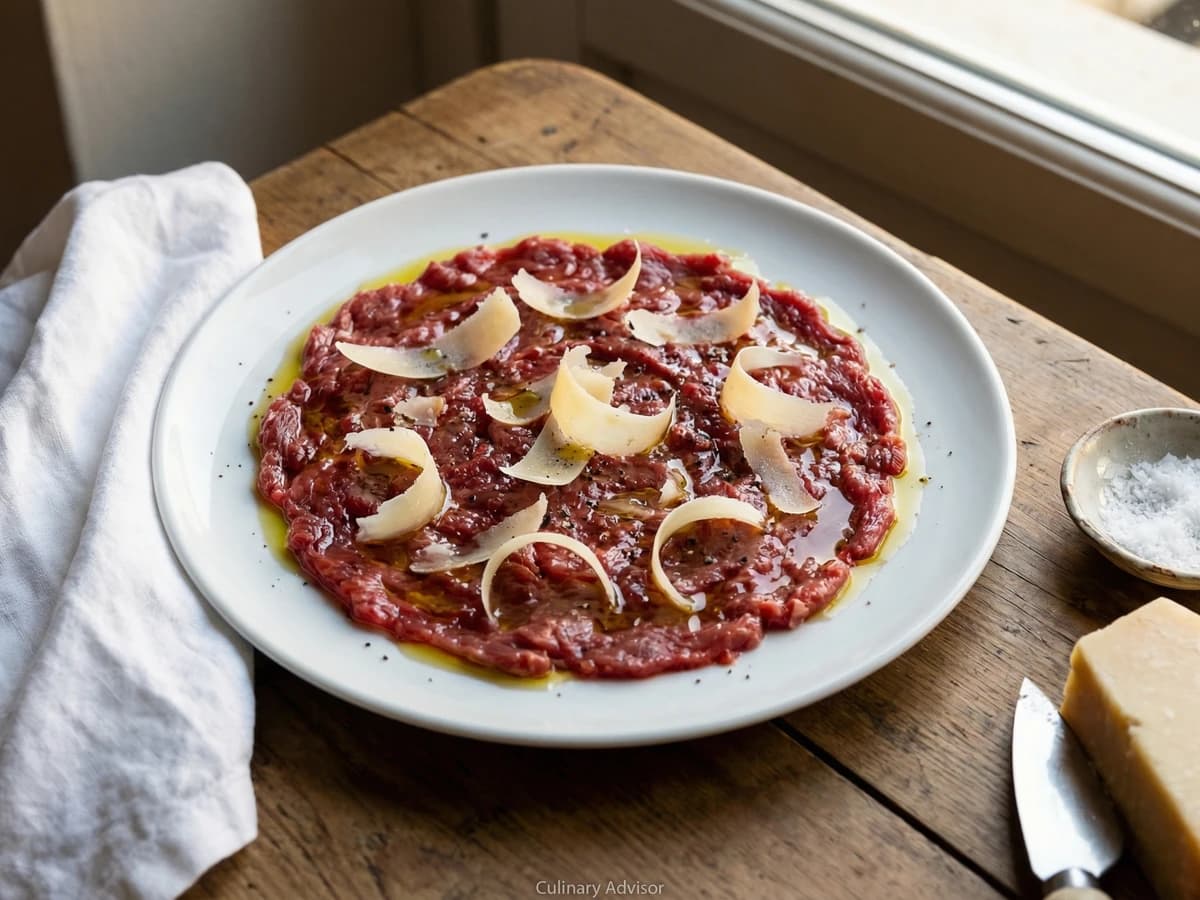
The refined raw beef of Alba, where hand-chopped meat meets nothing but lemon, olive oil, and shaved cheese. This is not French tartare. This is Piedmontese restraint at its most eloquent.