
Chef Lupita
Acitrón de Cidra Conventual
Puebla's convent-style acitrón, made from cidra peel instead of endangered biznaga, built through repeated syrup soakings until the cubes turn firm, translucent, and ready for rosca or chiles en nogada.
A cooking platform built around craft, culture, and the stories behind what we eat.
Created by
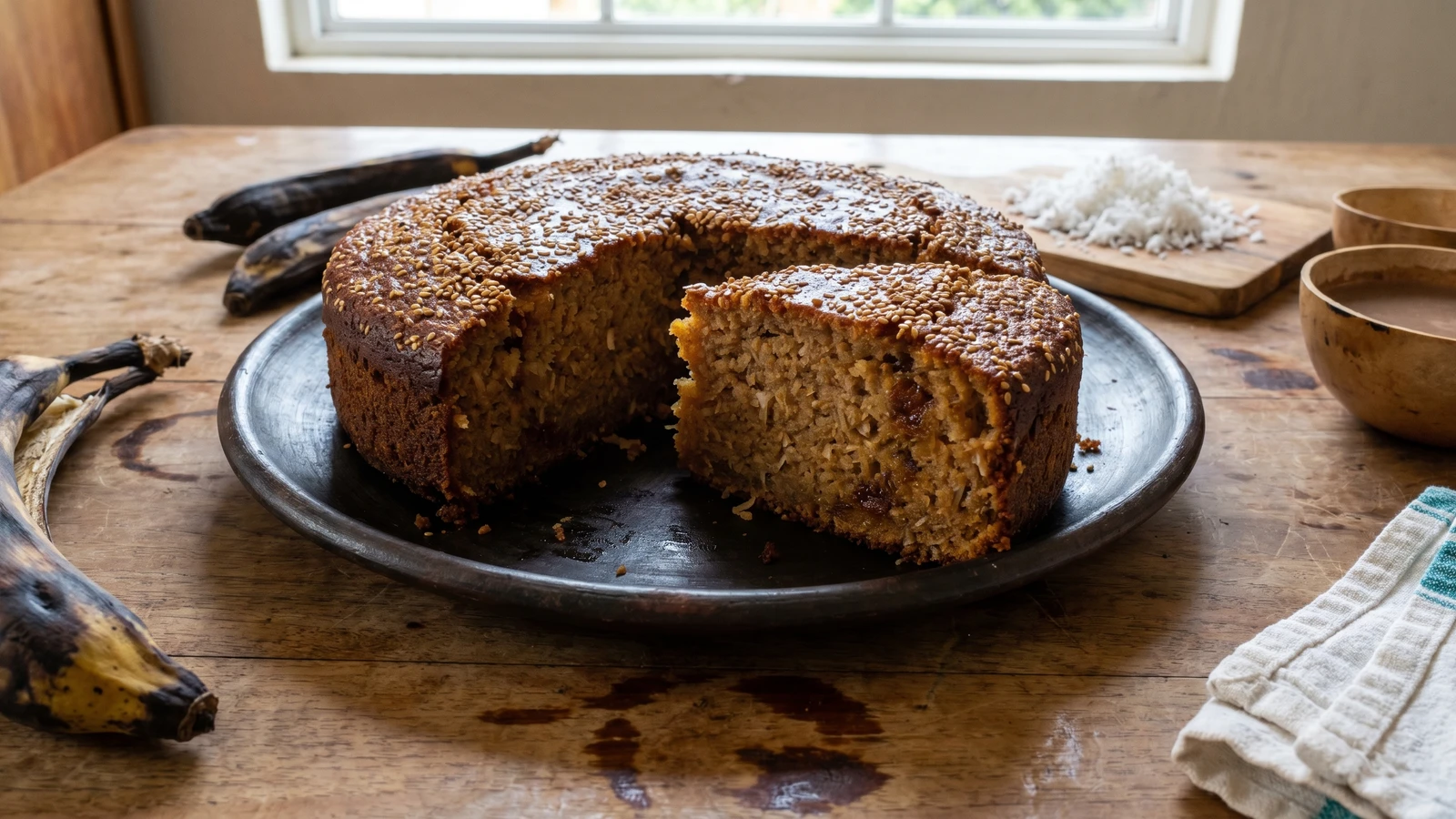
Guerrero's Costa Chica bollo de plátano is a dense sweet bake of ripe plantain, piloncillo, fresh coconut, canela, and manteca, the kind made ahead for family tables in Cuajinicuilapa.
Guerrero, Costa Chica, Cuajinicuilapa. That is where this bollo lives. Not in a boutique pastelería in the capital. In Afro-Mexican coastal kitchens where plátano macho ripens black on the table, coconut is grated by hand, and piloncillo stains the wooden board dark brown.
This is pan dulce from the Afro-Mexican Pacific, dense and practical. The ripe plantain gives body. The piloncillo gives sugarcane depth. The fresh coconut tells you where you are: near the coast, where the pantry runs on coconut, yuca, plátano macho, panela, and canela. No me vengas con atajos. Dried coconut will make a dry bollo. White sugar will make a pale one. Use the ingredients that belong here.
I learned a version like this from a señora outside the market in Cuajinicuilapa who measured with a coffee cup and corrected my batter by sound, not by recipe. She tapped the spoon against the bowl and said it was too loose. She was right. A good bollo de plátano should cut clean, sit heavy in the hand, and taste like the coast after the rain. Cada estado, su propia cocina.
Cuajinicuilapa, Guerrero is one of Mexico's most important Afro-Mexican communities, and its sweet pantry reflects centuries of African, Indigenous, and Spanish contact along the Pacific coast. Plantains and sugarcane became central to coastal cooking during the colonial period, while coconut expanded through Pacific trade routes connected to Acapulco and the Manila galleon system from the late 16th century onward. The word bollo can name different breads, dumplings, or dense bakes across Latin America, but on the Costa Chica this plantain version belongs to the household economy of ripe fruit, piloncillo, and make-ahead food.
Quantity
5
black-skinned and soft
Quantity
1 1/2 cups
not dried
Quantity
1 cup
grated or finely chopped
Quantity
1/2 cup
Quantity
1
Quantity
1/2 cup
softened, plus more for greasing
Quantity
2
at room temperature
Quantity
2 cups
Quantity
1 teaspoon
Quantity
1/2 teaspoon
Quantity
1/2 teaspoon
Quantity
1/4 cup
only if the batter is too stiff
Quantity
2 tablespoons
for the top
| Ingredient | Quantity |
|---|---|
| very ripe plátanos machosblack-skinned and soft | 5 |
| grated fresh coconutnot dried | 1 1/2 cups |
| piloncillograted or finely chopped | 1 cup |
| hot water | 1/2 cup |
| Mexican canela stick | 1 |
| pork lard (manteca de cerdo)softened, plus more for greasing | 1/2 cup |
| large eggsat room temperature | 2 |
| all-purpose flour | 2 cups |
| baking powder | 1 teaspoon |
| fine sea salt | 1/2 teaspoon |
| ground Mexican canela | 1/2 teaspoon |
| whole milk (optional)only if the batter is too stiff | 1/4 cup |
| sesame seedsfor the top | 2 tablespoons |
Put the piloncillo, hot water, and canela stick in a small saucepan over medium heat. Stir until the piloncillo dissolves into a dark syrup, 6 to 8 minutes. Let it bubble gently until it coats the spoon lightly. Remove the canela stick and let the miel cool until warm, not hot. Piloncillo gives this bollo its deep sugarcane flavor. White sugar makes it sweet and empty.
Heat the oven to 350F. Grease a 9-inch round clay baking dish, cazuela, or heavy cake pan with manteca de cerdo. Line the bottom with parchment if using a metal pan. This is a dense coastal bollo, not a tall sponge cake. Do not expect it to rise like pan de vainilla from a bakery.
Peel the plátanos machos and mash them in a wide bowl with a fork or potato masher until thick and mostly smooth, with a few small pieces left. The skins should be nearly black before you start. Yellow plantains are not ready. The fruit must smell sweet and heavy, almost fermented at the edge. That ripeness is the recipe.
In another bowl, beat the softened manteca de cerdo with the warm piloncillo miel until glossy and loose. Add the eggs one at a time, beating well after each one. La manteca es el sabor. It gives the bollo a tender crumb and a clean richness that vegetable oil does not give.
Stir the mashed plantain into the piloncillo mixture. Add the grated fresh coconut and mix again. In a separate bowl, whisk the flour, baking powder, salt, and ground canela. Fold the dry ingredients into the plantain mixture until no dry streaks remain. If the batter stands like clay and will not spread, add the milk one tablespoon at a time. It should be thick, spoonable, and heavy.
Scrape the batter into the greased dish and smooth the top with a wet spoon. Scatter the sesame seeds over the surface. Tap the dish once on the counter to settle the batter. Do not beat it after the flour goes in. You want a tight, tender bollo, not a tough one.
Bake for 45 to 55 minutes, until the top is deep brown, the edges pull slightly from the pan, and a toothpick inserted in the center comes out with moist crumbs, not wet batter. The kitchen should smell of caramelized plantain, canela, and pork fat. That is Costa Chica pan dulce doing its work.
Let the bollo rest in the pan for at least 30 minutes before slicing. If you cut it hot, it tears. Serve thick slices at room temperature with cafe de olla or atole in jícaras. This is make-ahead food. It gets better after a night on the table, covered with a clean cloth.
1 serving (about 150g)
Culinary guides, cultural storytelling, and the editorial depth that makes cooking meaningful.
Discover Culinary ExplorerChef Lupita
Puebla's convent-style acitrón, made from cidra peel instead of endangered biznaga, built through repeated syrup soakings until the cubes turn firm, translucent, and ready for rosca or chiles en nogada.

Chef Lupita
Ciudad de México's Tulyehualco alegría is popped huautli folded into piloncillo honey, pressed with peanuts, pepitas, and raisins, then cut into the rectangular bars that built a pueblo's identity.

Chef Lupita
Oaxaca's pre-Columbian amaranth bar, popped on a hot comal and bound with piloncillo, honey, and the sacred Zapotec grain that the Spanish tried, and failed, to outlaw.

Chef Lupita
Querétaro's mercado candy of popped amaranto pressed with dark piloncillo syrup, pepitas, pecans, and cacahuate, a Bajío sweet that respects the seed before it decorates the table.