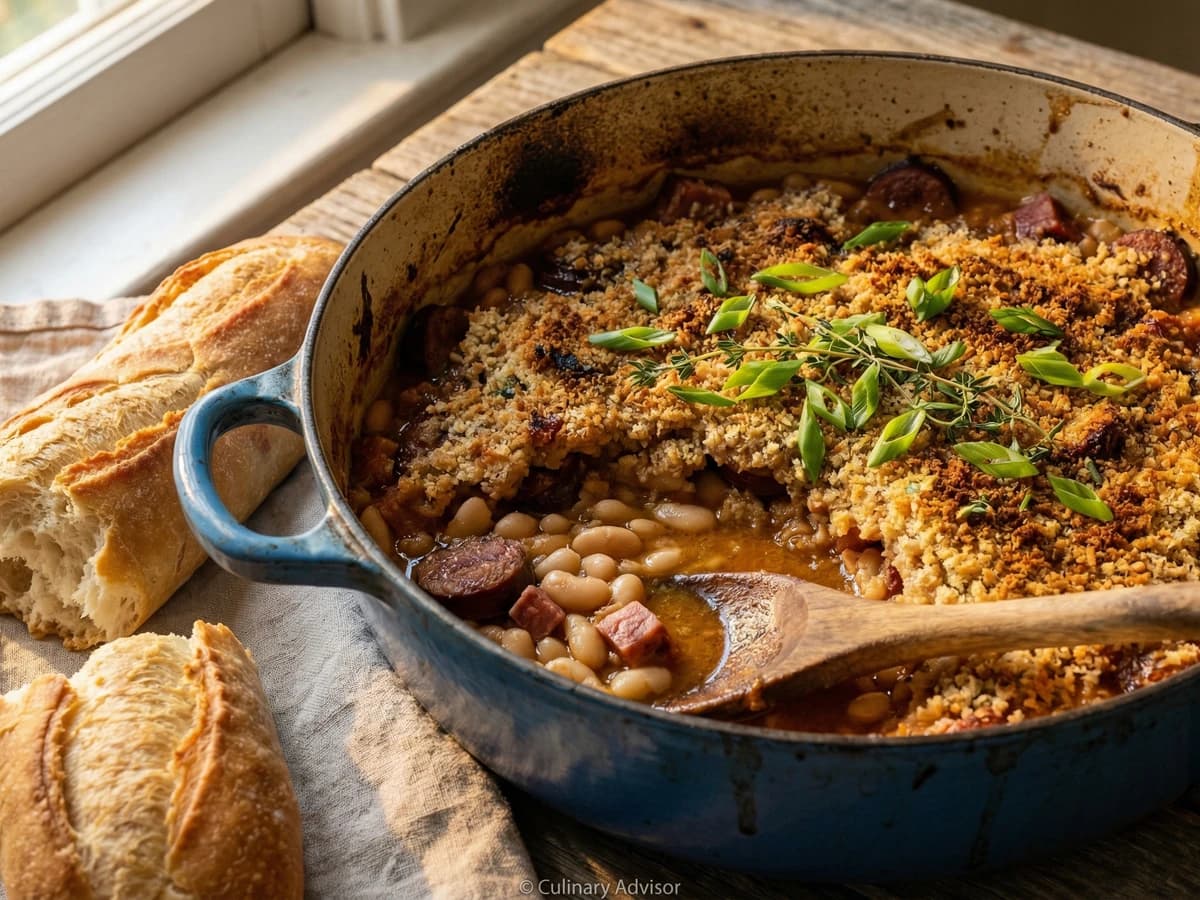
Farm-raised catfish kissed by a screaming-hot cast iron skillet, wearing a crust of dark Cajun spices that crackle with heat and bloom with butter, the honest bayou fish elevated to something legendary.
Main Dishes
Cajun
Weeknight
Dinner Party
Special Occasion
15 min
Active Time
10 min cook•25 min total
Yield4 servings
Cast iron and catfish belong together. That's the bayou way. This fish fed generations of Louisiana families before anyone thought to put it on a restaurant menu, and I've spent my whole career proving it deserves the same respect as any fancy Gulf catch.
The blackening technique isn't about burning. People get that wrong all the time. You're blooming spices in butter at temperatures that would make most home cooks nervous. The cayenne and paprika caramelize against the fat, forming a crust that's almost bitter at the edges but sweet and complex where it meets the fish. Inside, the catfish stays sweet and moist because that crust seals everything in.
At Lagniappe, we serve blackened catfish to folks who swore they didn't like catfish. Three bites in, they're asking for the recipe. The secret isn't complicated: good farm-raised fillets, a spice blend you make yourself, and a cast iron skillet hot enough to make you question your decisions. You'll set off your smoke alarm. Open the windows, turn on the fan, and don't apologize. That's how you know something real is happening in that kitchen.
The technique, the tradition, and the story behind every dish.
Combine the paprika, cayenne, black pepper, white pepper, thyme, oregano, garlic powder, onion powder, salt, and sugar in a small bowl. Whisk until everything is evenly distributed. The paprika gives color and sweetness, the cayenne brings the heat, black pepper adds bite, and white pepper delivers that lingering warmth that sneaks up on you. Taste a tiny bit on your finger. It should make your lips tingle.
Make a double or triple batch of this spice blend and store it in a jar. You'll reach for it constantly.
2
Prepare the catfish
Pat your catfish fillets completely dry with paper towels. This is not optional. Wet fish steams instead of searing, and you'll never get that blackened crust. Melt 4 tablespoons of butter in a small dish. Brush both sides of each fillet generously with melted butter, then coat evenly with the spice mixture, pressing it gently into the flesh. The butter helps the spices adhere and will bloom when it hits the hot iron.
Let the seasoned fillets sit at room temperature for ten minutes while your pan heats. Cold fish dropped into a hot pan lowers the temperature and slows the sear.
3
Heat the cast iron
Place your cast iron skillet over high heat for at least five minutes. I mean screaming hot. You want that pan to look almost white in the center when you tilt it toward the light. If you have a laser thermometer, you're looking for 500 degrees or higher. Open your windows. Turn on your exhaust fan. Disable your smoke alarm if you can reach it. There will be smoke, and plenty of it.
Do this outside on a propane burner if you have one. That's how we handle the smoke at Lagniappe during summer months.
4
Blacken the first side
Add 2 tablespoons of butter to the screaming hot pan. It will foam violently and begin to brown immediately. Before it burns, lay your catfish fillets in the pan, presentation side down, working away from yourself so the butter doesn't splatter toward you. The fish should hiss and protest loudly. Cook without moving for 2 to 3 minutes. You'll see the edges turn opaque and the spices transform into a dark, almost charred crust.
5
Flip and finish
Slide a thin spatula under each fillet and flip carefully. The first side should be deeply blackened, almost purple-black in spots, with the aroma of toasted spices filling your kitchen. Add the remaining 2 tablespoons of butter to the pan and cook for another 2 to 3 minutes. The fish is done when it flakes easily at the thickest part but still looks moist inside. Catfish goes from perfect to dry in about thirty seconds, so watch it closely.
Use a fish spatula if you have one. The thin, flexible blade slides under delicate fillets without tearing.
6
Rest and serve
Transfer the fillets to warm plates and spoon the browned butter from the pan over each one. Let them rest for just a minute while you scatter fresh parsley over the top. Serve immediately with lemon wedges on the side. That squeeze of citrus at the table cuts through the richness and wakes up every flavor. When the last bite is as good as the first, you've done it right.
Chef Tips
•Farm-raised catfish from the Mississippi Delta is what you want. Wild catfish can taste muddy. The farm-raised fish are clean, mild, and consistent. Ask your fishmonger where it comes from.
•If the cayenne level concerns you, start with half a teaspoon and work your way up. Spice tolerance is personal. Better to add heat than to ruin dinner for someone who can't handle it.
•Cast iron is non-negotiable here. Stainless steel won't hold the heat, and nonstick will release toxic fumes at these temperatures. If your cast iron isn't well-seasoned, now's the time to break it in.
•Serve this over dirty rice or alongside creamy stone-ground grits. The butter from the fish soaks into the starch and makes everything better.
•A cold beer or a crisp Muscadet cuts through the richness perfectly. Save your big reds for another night.
Advance Preparation
•The spice blend can be made weeks ahead and stored in an airtight container in a cool, dark place.
•Season the fish up to one hour before cooking and refrigerate. Bring to room temperature for ten minutes before hitting the pan.
•Blackened fish does not reheat well. Cook only what you'll eat immediately.
Frequently Asked Questions
Nutrition Information
1 serving (about 180g)
Calories
385 calories
Total Fat
26 g
Saturated Fat
14 g
Trans Fat
0 g
Unsaturated Fat
11 g
Cholesterol
165 mg
Sodium
575 mg
Total Carbohydrates
3 g
Dietary Fiber
1 g
Sugars
1 g
Protein
33 g
Where cooking meets culture.
Culinary guides, cultural storytelling, and the editorial depth that makes cooking meaningful.