
Chef Margarida
Amêijoas à Bulhão Pato
The clam dish that made a poet immortal, nothing but garlic, wine, and coentros meeting the brine of the sea. Ten minutes from pan to table. Bread mandatory.
A cooking platform built around craft, culture, and the stories behind what we eat.
Created by
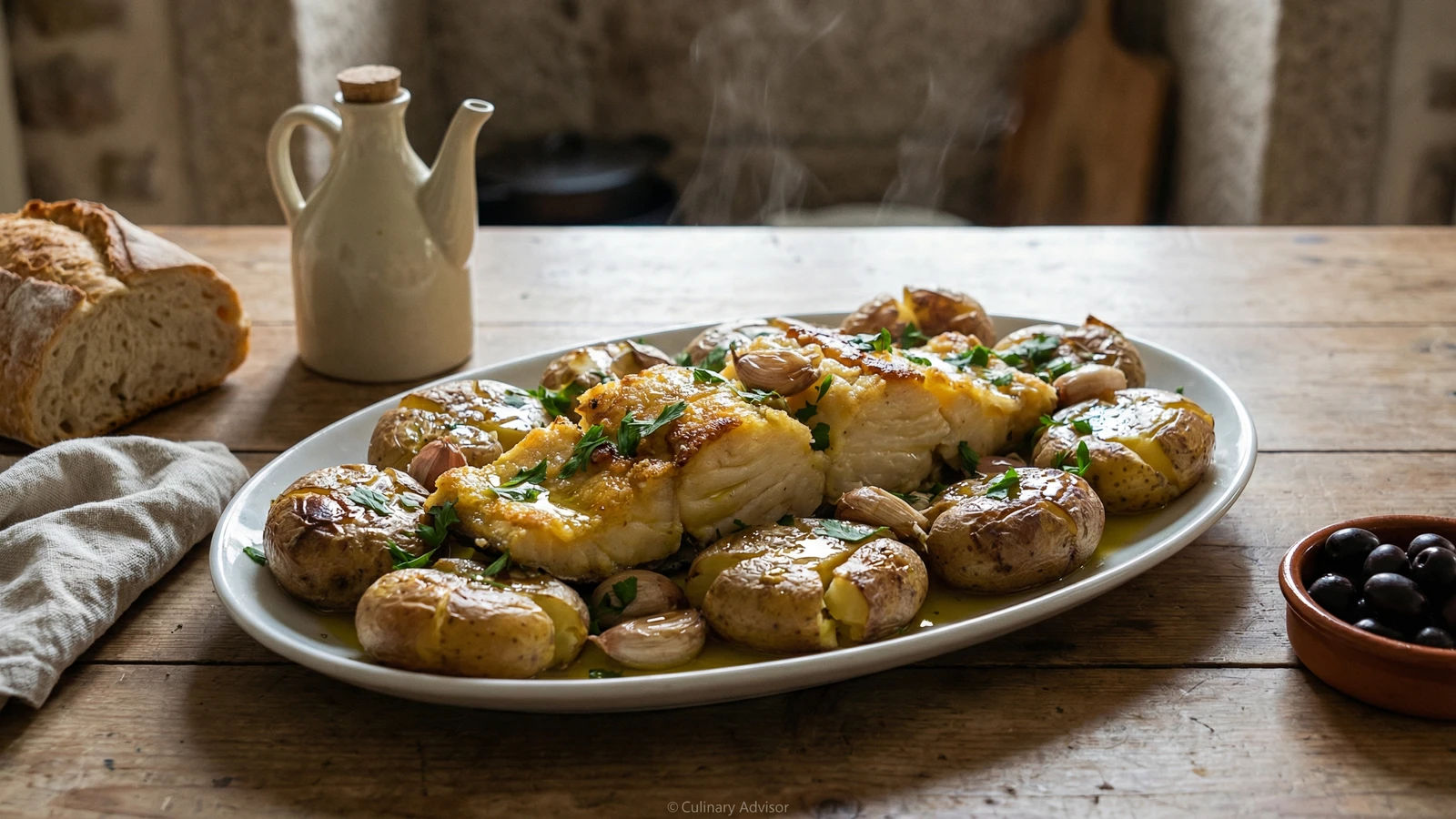
The dish that proves olive oil is not a condiment but a destination. Roasted bacalhau swimming in the best azeite you can find, served with potatoes you punch open with your fist. This is what the olive oil makers ate.
This is the dish that made me understand what azeite really means to Portuguese cooking. Not a drizzle. Not a finishing touch. A flood. A baptism. The cod should be swimming in olive oil when it reaches the table. If it isn't, you haven't made lagareiro.
The name comes from the workers at the olive press, the lagareiros, who had access to the freshest, greenest oil straight from the stone. They'd roast their bacalhau simply and pour that new oil over everything until it pooled on the plate. This wasn't excess. This was the whole point.
Avó Leonor made this for special occasions, when she had oil from her cousin's grove in Moura. She'd heat it with garlic until the kitchen smelled like something sacred, then pour it sizzling over the roasted cod. The sound it made. I can still hear it. That sizzle is the song of this dish.
And the potatoes. Batatas a murro. Punched potatoes. You roast them whole in their skins, then give each one a good punch with your fist to crack it open. The cracks drink the oil. The skins get crispy. It's violent and satisfying and delicious. At Mesa da Avó, I let guests punch their own. Everyone smiles. Everyone eats with their hands.
Bacalhau à Lagareiro originated in Portugal's central olive-producing regions, particularly Beira Litoral, where the lagar (olive press) was the heart of rural life. The dish honors the lagareiros who worked the presses during harvest and claimed the freshest oil as their reward. It became a symbol of how Portuguese cooks transform humble preservation into celebration.
Quantity
800g
soaked 2 days, water changed 3 times
Quantity
1 kg
golf-ball sized, skin on
Quantity
1 cup, plus more for roasting
Quantity
1 whole head
cloves separated and peeled
Quantity
for the potatoes
Quantity
freshly ground, to taste
Quantity
for serving
chopped
Quantity
handful
| Ingredient | Quantity |
|---|---|
| thick-cut dried salt cod (bacalhau)soaked 2 days, water changed 3 times | 800g |
| small waxy potatoesgolf-ball sized, skin on | 1 kg |
| extra virgin olive oil (azeite) | 1 cup, plus more for roasting |
| garliccloves separated and peeled | 1 whole head |
| coarse sea salt | for the potatoes |
| black pepper | freshly ground, to taste |
| flat-leaf parsleychopped | for serving |
| black olives (optional) | handful |
After soaking the cod for two full days (water changed three times, no shortcuts), drain it and pat completely dry with kitchen towels. Really dry. Moisture is the enemy of a good crust. Cut into four equal portions if not already portioned. The pieces should be thick, at least 3 centimeters. Thin pieces dry out in the oven.
Preheat your oven to 200°C (400°F). Place the unpeeled potatoes on a baking sheet lined with coarse salt. The salt bed helps them cook evenly and seasons the skins. Drizzle with olive oil. Roast for 40 to 50 minutes, until a knife slides through easily and the skins are starting to wrinkle.
When the potatoes are tender, remove them from the oven. Here comes the fun part. Using your fist or the heel of your hand, give each potato a firm punch to crack it open without smashing it completely. The Portuguese call these batatas a murro. Punched potatoes. The cracks will drink the oil later. Keep them warm while you finish the fish.
While potatoes rest, increase oven to 220°C (425°F). Place the cod portions skin-side down on a lightly oiled baking sheet. Brush the tops generously with olive oil. Roast for 15 to 20 minutes, until the top is golden and the fish flakes easily but isn't dried out. The cod should look burnished, almost caramelized at the edges.
While the cod roasts, prepare the lagareiro oil. In a small saucepan, combine the cup of olive oil with all the peeled garlic cloves. Warm over low heat for 8 to 10 minutes. The garlic should become soft and golden, perfuming the oil without burning. The oil should be hot but not smoking. You'll hear it sizzle when it hits the fish. That's what you want.
Arrange the punched potatoes on a large warm platter. Nestle the roasted cod portions among them. Now the moment of truth: pour the hot garlic oil over everything. All of it. Don't be shy. The oil should pool on the plate. The potatoes should drink it through their cracks. The cod should glisten. Scatter the soft garlic cloves around the platter. Finish with parsley and black pepper. Olives on the side if you like them. Serve immediately with good bread to soak up what remains.
1 serving (about 600g)
Culinary guides, cultural storytelling, and the editorial depth that makes cooking meaningful.
Discover Culinary ExplorerChef Margarida
The clam dish that made a poet immortal, nothing but garlic, wine, and coentros meeting the brine of the sea. Ten minutes from pan to table. Bread mandatory.

Chef Margarida
Rice and beans, the combination that kept Portuguese families alive through hard times. Poor food that proves poverty breeds genius. Every spoonful is survival made delicious.

Chef Margarida
Portugal's greatest celebration of the sea: rice swimming in saffron broth, piled high with prawns, clams, mussels, and crab. Malandrinho, wet, abundant, the dish that brings families to the table.

Chef Margarida
The octopus rice of Portugal's coast, where the sea meets the pot and everything becomes one. Malandrinho style: loose, creamy, and deeply savory with every spoonful tasting of the Atlantic.