Chef Lupita
Acúmara Tatemada al Comal
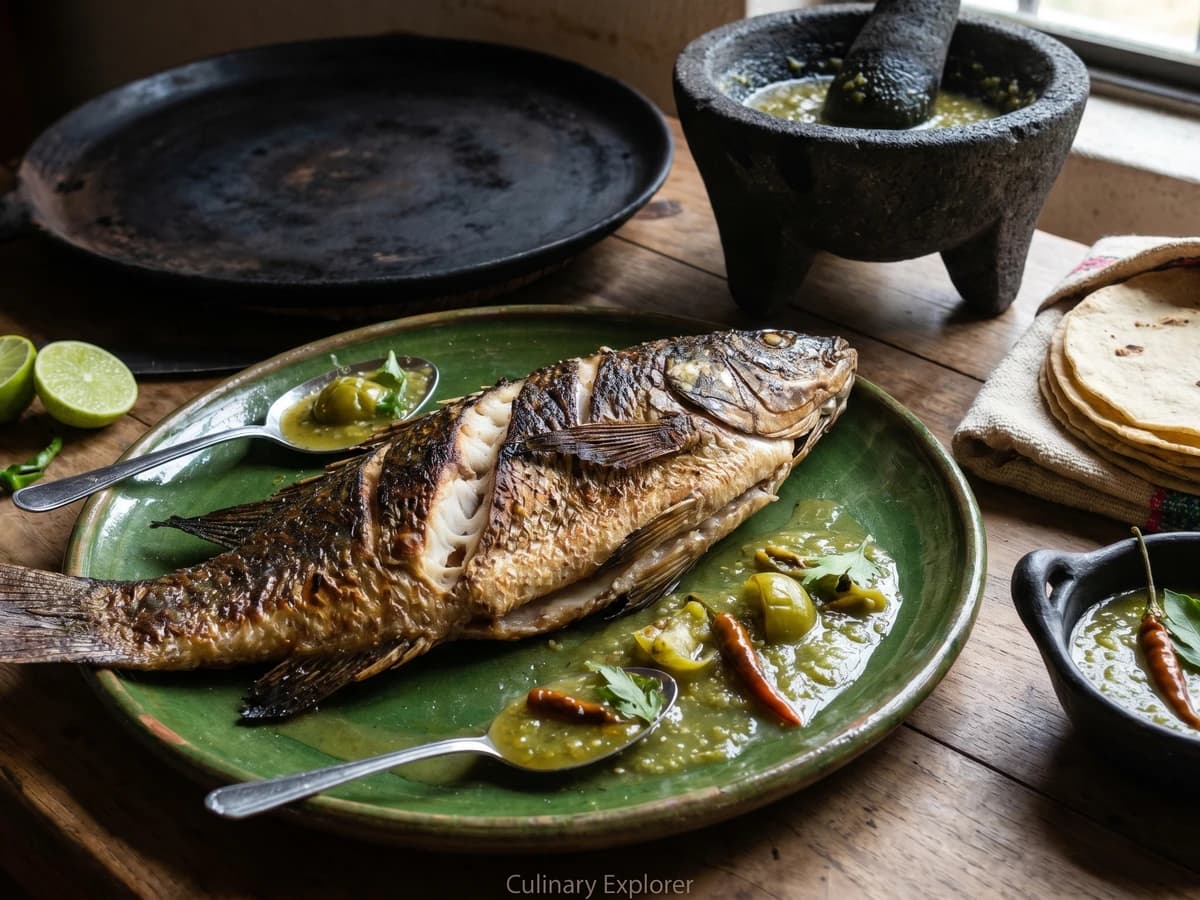
Michoacán's Lake Pátzcuaro acúmara, a whole kurucha from the lago tatemada on a comal de leña and served with chile perón atápakua, corn tortillas, and P'urhépecha discipline.
A cooking platform built around craft, culture, and the stories behind what we eat.
Created by
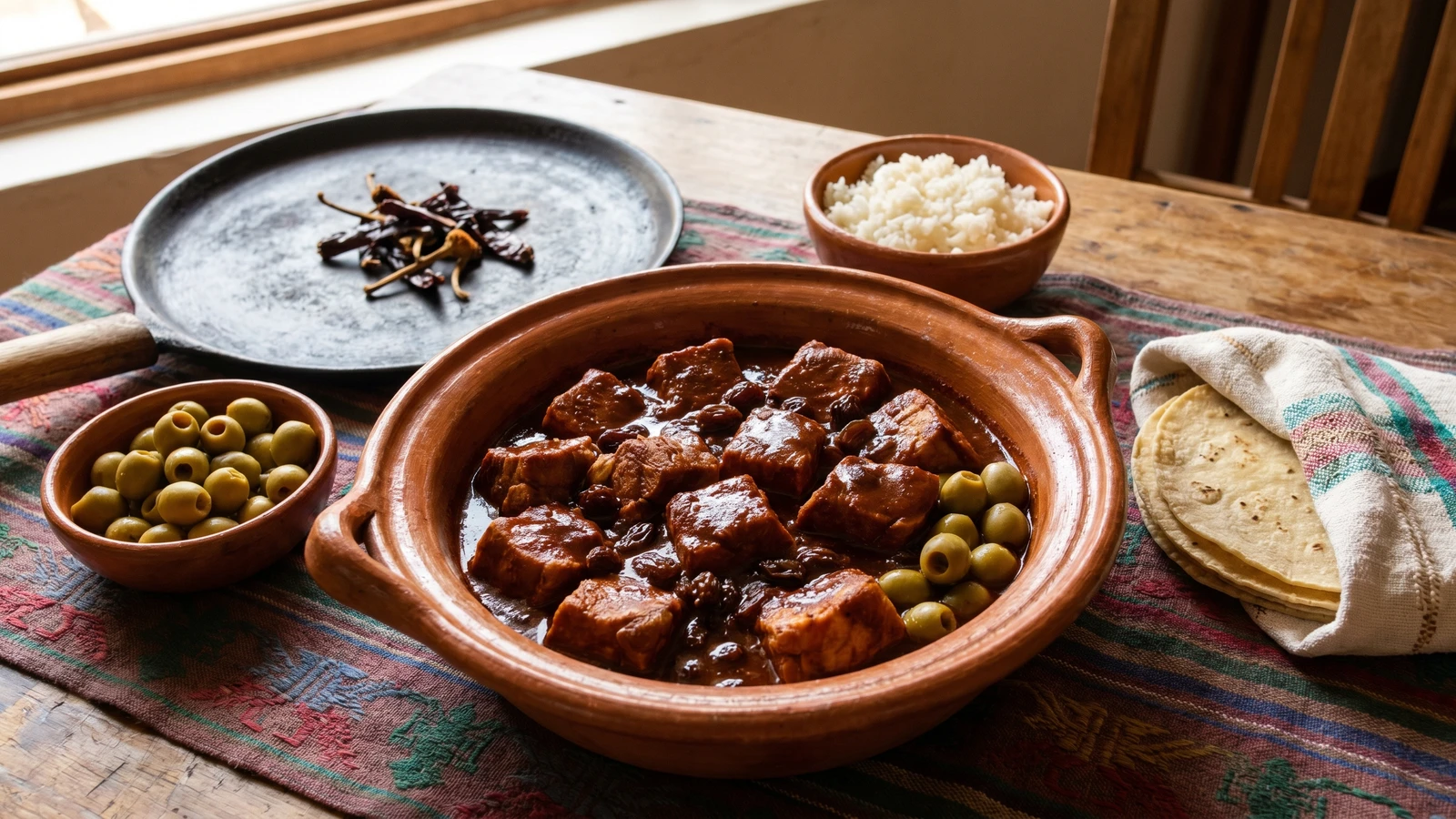
Comitán's special-occasion pork asado, cubed pork loin browned in manteca and braised in a thick chile ancho adobo with tomato, vinegar, olives, raisins, and warm spices.
This comes from Chiapas, from Comitán de Domínguez in the highlands near the Guatemalan border, where the table has its own rhythm and its own pride. Asado Chiapaneco de Comitán is not a northern asado and it is not a pot of generic red pork. It is Comiteco pork in a thick adobo of chile ancho, tomato, vinegar, bread, and warm spices, the plato fuerte that can sit proudly in the center of a Sunday table.
The chile ancho gives the sauce its deep red-brown color and dried-fruit sweetness. The vinegar cuts through the lean pork loin. The bread gives body. The olives and raisins tell you something about Chiapas, about trade routes, convent kitchens, ranch tables, and women who understood how to make a special dish from practical ingredients. I learned versions of this from señoras who cooked by smell, not by measuring spoons, but they all watched the same thing: the sauce must be fried until the raw chile disappears and the fat shines at the edge.
Do not confuse this with a fiery dish. Not all Mexican food is trying to burn your mouth. This asado is about balance: ancho, tomato, sourness, sweetness, spice, and pork. If the sauce is thin, you rushed it. If the chile tastes dusty, you didn't toast it. La cocina no es decoración, es trabajo. Recetas probadas y garantizadas.
Comitán de Domínguez sits in the border highlands of Chiapas, a region shaped by Maya communities, colonial cattle routes, Dominican missions, and commerce with Guatemala. Asados of pork in chile-vinegar adobos became established in Chiapaneco festive cooking during the colonial period, when Spanish-introduced pigs, wheat bread, olives, raisins, cloves, cinnamon, and vinegar met native chile sauces. The Comiteco version is distinct from the better-known asados of San Cristóbal and central Chiapas because it favors chile ancho, a thickened adobo, and a sweet-sour balance suited to family celebrations rather than market tacos.
Quantity
2 1/2 pounds
cut into 1 1/2-inch cubes
Quantity
1 1/2 teaspoons, plus more to taste
Quantity
1/2 teaspoon
Quantity
3 tablespoons
Quantity
5
stemmed and seeded
Quantity
3
Quantity
1/2 medium
Quantity
4
unpeeled
Quantity
1
Quantity
1/3 cup
Quantity
1 cup, plus more as needed
Quantity
1/2 teaspoon
Quantity
1/2 teaspoon
Quantity
2
Quantity
1, about 2 inches
Quantity
3
Quantity
4
Quantity
6
Quantity
1 tablespoon
Quantity
1/2 cup
rinsed
Quantity
1/3 cup
Quantity
for serving
Quantity
for serving
| Ingredient | Quantity |
|---|---|
| pork loincut into 1 1/2-inch cubes | 2 1/2 pounds |
| kosher salt | 1 1/2 teaspoons, plus more to taste |
| freshly ground black pepper | 1/2 teaspoon |
| manteca de cerdo (pork lard) | 3 tablespoons |
| dried chile anchostemmed and seeded | 5 |
| ripe Roma tomatoes | 3 |
| white onion | 1/2 medium |
| garlic clovesunpeeled | 4 |
| small bolillo or thick slice day-old white bread | 1 |
| apple cider vinegar | 1/3 cup |
| pork broth or water | 1 cup, plus more as needed |
| dried thyme | 1/2 teaspoon |
| dried Mexican oregano | 1/2 teaspoon |
| bay leaves | 2 |
| small cinnamon stick | 1, about 2 inches |
| whole cloves | 3 |
| whole allspice berries | 4 |
| whole black peppercorns | 6 |
| piloncillo or dark brown sugar | 1 tablespoon |
| pitted green olivesrinsed | 1/2 cup |
| raisins | 1/3 cup |
| warm corn tortillas (optional) | for serving |
| white rice (optional) | for serving |
Pat the pork loin dry and season it with the salt and black pepper. Let it sit while you prepare the adobo. Pork loin is lean, so browning matters. You need color on the meat before the sauce ever touches it.
Heat a dry comal over medium. Toast the chile ancho one at a time, about 20 to 30 seconds per side, pressing lightly with tongs until the skin softens and smells deep, sweet, and raisiny. Do not blacken them. Burned ancho turns the whole cazuela bitter, and no amount of vinegar will save it.
Put the toasted chiles in a bowl and cover them with hot water. Hot, not boiling. Let them soak for 20 minutes until the flesh softens. Drain them and save 1/2 cup of the soaking liquid only if it tastes clean. If it tastes harsh, use pork broth instead.
On the same comal, roast the tomatoes, onion, and unpeeled garlic until the tomato skins blister, the onion has browned edges, and the garlic is soft inside its skin. Peel the garlic. Toast the bolillo or bread on the comal until dry and golden. The bread thickens the adobo the way Comiteca home cooks do it, not with flour.
Blend the soaked chile ancho, roasted tomatoes, onion, peeled garlic, toasted bread, vinegar, broth, thyme, Mexican oregano, cloves, allspice, peppercorns, and piloncillo until completely smooth. Take your time. The sauce should look thick and brick red, with no chile skin floating around. Strain it if your blender leaves texture.
Melt the manteca de cerdo in a wide clay cazuela or heavy Dutch oven over medium-high heat. Brown the pork in batches so the pieces sear instead of sweating. You want golden edges on at least two sides. La manteca es el sabor. Vegetable oil will cook the pork, yes, but it will not give this dish the same body.
Lower the heat to medium. Pour the blended adobo into the hot lard left in the cazuela. It will sputter, so stir with discipline. Cook for 8 to 10 minutes, scraping the bottom, until the sauce darkens, thickens, and the fat begins to shine at the edges. This is where the chile stops tasting raw. No me vengas con atajos.
Return the browned pork and any juices to the cazuela. Add the bay leaves and cinnamon stick. Stir, cover partly, and simmer gently for 45 to 55 minutes, until the pork is tender and the sauce clings to each cube. If the adobo tightens too much, add a splash of broth. This is an asado, not a soup.
Stir in the olives and raisins during the last 10 minutes. Taste for salt and vinegar. The final sauce should be thick, red-brown, lightly sweet, and gently sharp, with the chile ancho in front and the spices behind it. Pull out the bay leaves and cinnamon stick before serving.
Serve the asado from the cazuela with white rice and warm corn tortillas. Not flour tortillas. Those belong to the north. Comitán sits in Chiapas, and this table knows corn. Cada estado, su propia cocina.
1 serving (about 390g)
Culinary guides, cultural storytelling, and the editorial depth that makes cooking meaningful.
Discover Culinary ExplorerChef Lupita
Michoacán's Lake Pátzcuaro acúmara, a whole kurucha from the lago tatemada on a comal de leña and served with chile perón atápakua, corn tortillas, and P'urhépecha discipline.

Chef Lupita
Puebla's weekday adobo of pork shoulder braised in a thick guajillo and ancho sauce sharpened with vinegar, cumin, and clove. The deep red of a market spice stall, the dish a poblana cooks without thinking.

Chef Lupita
Loreto's pit-roasted clams, planted hinge-up in beach sand and tatemadas under a fast fire of dried romerillo brush, the resinous Baja desert shrub that gives this dish its smoke.

Chef Lupita
Oaxaca's eighth mole, the silky, almond-and-cinnamon almendrado, served over poached chicken. Mild, sweet, restrained, and a quiet rebuttal to anyone who thinks Mexican food has to be hot to be Mexican.