Chef Juliana
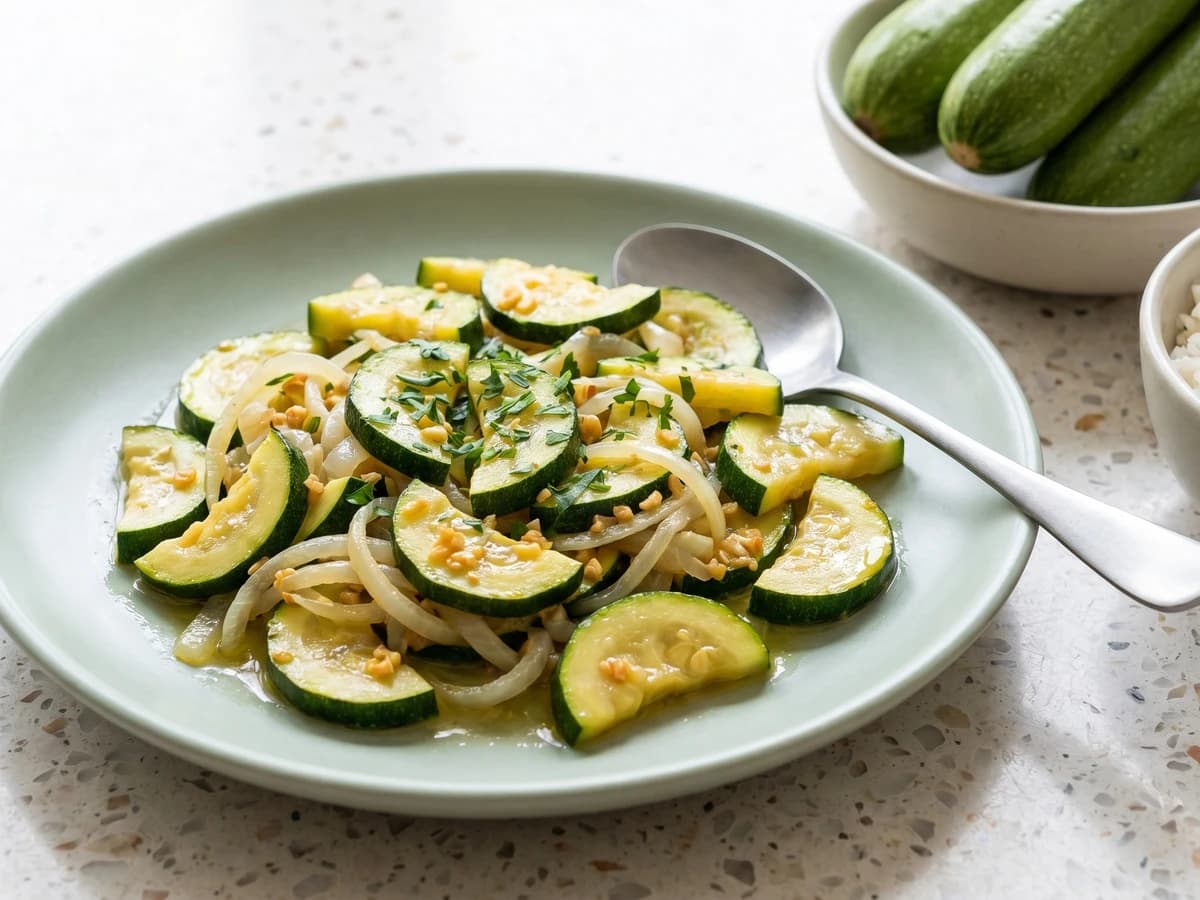
Abobrinha Refogada
You think you'll turn zucchini into mush. Fine. Anota aí: high heat, wide pan, salt at the end, and suddenly this little green side starts solving dinner.
A cooking platform built around craft, culture, and the stories behind what we eat.

Created by
You think cornmeal will turn into lumps and shame. It won't. Cold water first, patient stirring, and a real garlic base give you angu that solves dinner.
You standing there with the spoon, already hearing that little voice, 'isso nao e pra mim.' I know her. She talks nonsense. Angu is not a test of talent. Cozinhar nao e dom, e um aprendizado. This is cornmeal, water, salt, garlic, and the decision to do the first step properly.
I learned plenty of kitchen things late, with a cheap notebook open beside the stove and the confidence of a wet match. So anota ai: fuba goes into cold water before it ever sees the pot. Dry cornmeal dumped into boiling water grabs itself into little stones, and then you spend the next ten minutes fighting dinner like it insulted your mother. Dissolve it first and the pot behaves.
On the everyday Brazilian plate, the pe-efe, angu is one of those quiet side dishes that makes the rest of the food make sense. Beans over it. A spoonful beside greens. A saucy chicken, egg, or pork chop leaning into it. It catches the caldo, softens the salt, fills the plate without pretending to be fancy. Comida de verdade does that. It helps a gente resolver o jantar.
The ponto is simple: stir until it thickens, loses the raw corn smell, turns glossy, and pulls from the bottom of the pan when the spoon passes. That's not mystery. That's a recipe that works.
Angu became especially important in Minas Gerais during the colonial mining period, when corn was easier to grow and move through the interior than wheat. The word angu is linked to African foodways in Brazil, where thick cooked starch porridges were adapted by enslaved cooks using local cornmeal and cassava. In Minas, the plain corn version became daily food, served beside beans, greens, pork, chicken, and the sauces that make the plate whole.
Quantity
1 cup
Quantity
2 cups
for dissolving the cornmeal
Quantity
3 cups
for the pot
Quantity
1 tablespoon
Quantity
2 cloves
finely minced
Quantity
1 teaspoon, plus more to taste
| Ingredient | Quantity |
|---|---|
| fine yellow cornmeal (fuba mimoso) | 1 cup |
| cold waterfor dissolving the cornmeal | 2 cups |
| waterfor the pot | 3 cups |
| oil or lard | 1 tablespoon |
| garlicfinely minced | 2 cloves |
| salt | 1 teaspoon, plus more to taste |
Put the fuba in a bowl and whisk in the 2 cups cold water until smooth, with no dry pockets at the bottom. Do this before the pot is hot. Cold water lets each grain hydrate calmly; boiling water makes the outside swell too fast and traps dry cornmeal inside, which is how lumps are born.
Warm the oil or lard in a heavy pot over medium heat. Add the garlic and stir for 30 to 45 seconds, just until it smells good and turns pale gold. Stop there. Garlic goes from fragrant to bitter quickly, and bitter garlic will walk through the whole angu like it owns the place.
Add the 3 cups water and the salt to the pot. Bring it to a full boil, then lower the heat to medium-low. You want the water moving before the fuba goes in, because hot salted water wakes up the corn flavor and starts the thickening evenly.
Whisk the bowl once more, because fuba settles fast, then pour it into the pot in a steady stream while stirring with a whisk. Keep stirring until the mixture thickens and looks smooth, about 3 minutes. This is the only bossy moment. If you stop now, the cornmeal sinks, grabs the bottom, and makes lumps.
Switch to a wooden spoon, lower the heat, and cook for 18 to 22 minutes, stirring often and scraping the bottom and corners of the pot. The angu should go from grainy and raw-smelling to creamy, glossy, and heavy on the spoon. When you drag the spoon through the bottom and the mixture pulls away for a second before slowly closing, it has pegou ponto.
Taste for salt, then spoon the angu into a shallow bowl or straight onto the plate while it is still soft and glossy. Serve with beans, couve, and whatever real dinner you made beside it. As it sits, it firms up. That's normal, not a failure.
1 serving (about 300g)
Culinary guides, cultural storytelling, and the editorial depth that makes cooking meaningful.
Discover Culinary ExplorerChef Juliana
You think you'll turn zucchini into mush. Fine. Anota aí: high heat, wide pan, salt at the end, and suddenly this little green side starts solving dinner.

Chef Juliana
You think this is sacred enough to be impossible. It isn't. Acaçá is patience, stirring, and ponto, taught plainly, with respect for the terreiros that carry it.
Chef Juliana
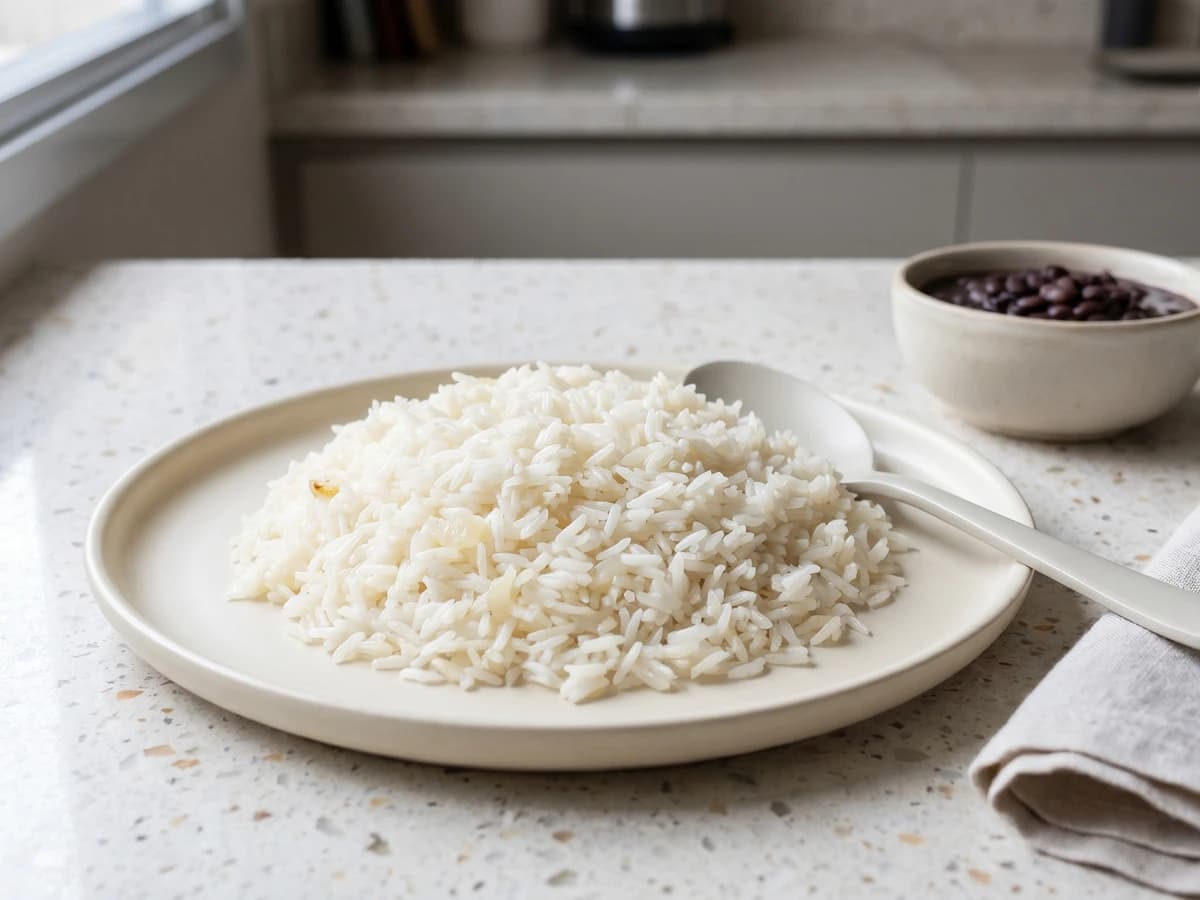
Everyone swears they can't make good rice. They're wrong. Refogue onion and garlic, use two parts water to one rice, then close the lid and leave the poor thing alone.
Chef Juliana
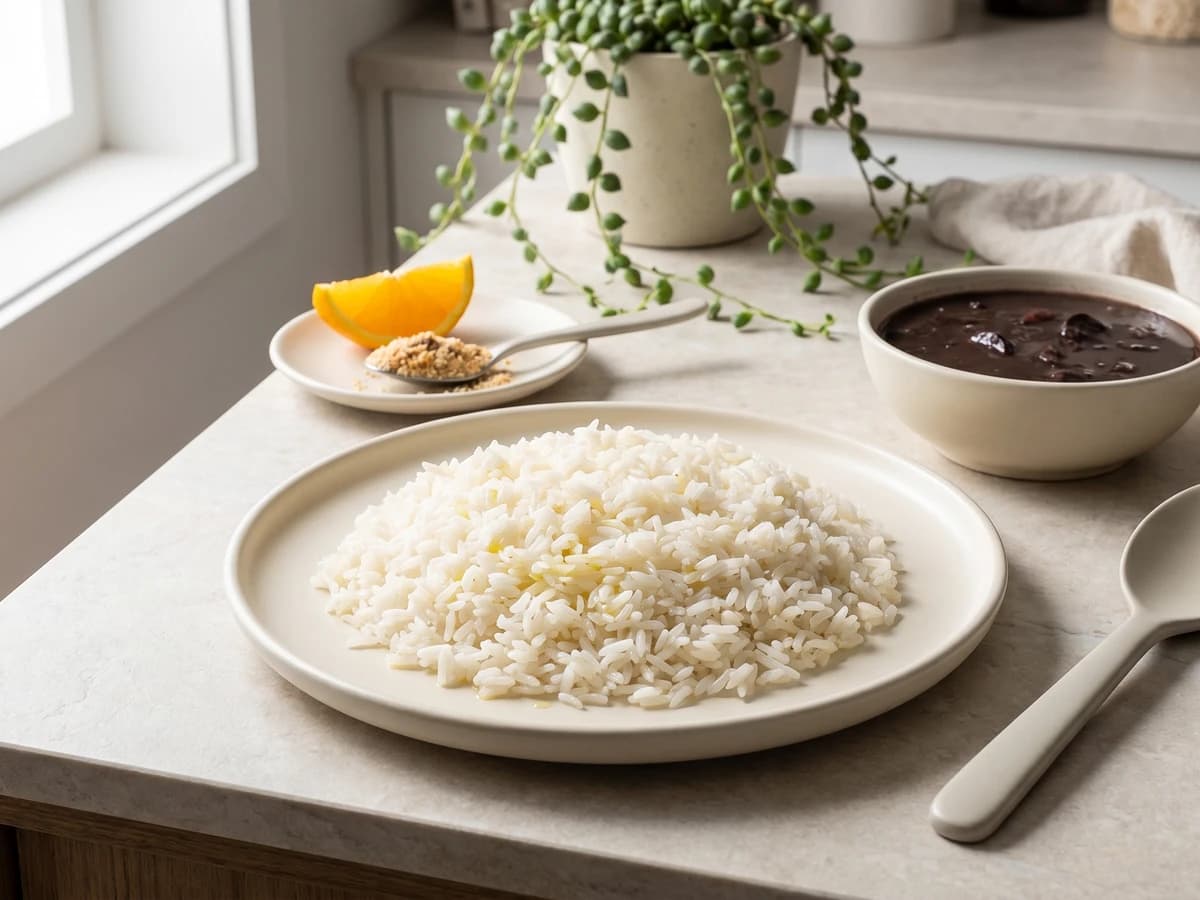
You think rice is hard. It isn't. Two parts water to one of rice, a real refogado, and the discipline to stop stirring. Anota aí.