Culinary Explorer

A cooking platform built around craft, culture, and the stories behind what we eat.
Discover Culinary Explorer
Açaí com Camarão do Pará

Açaí com Camarão do Pará

Created by

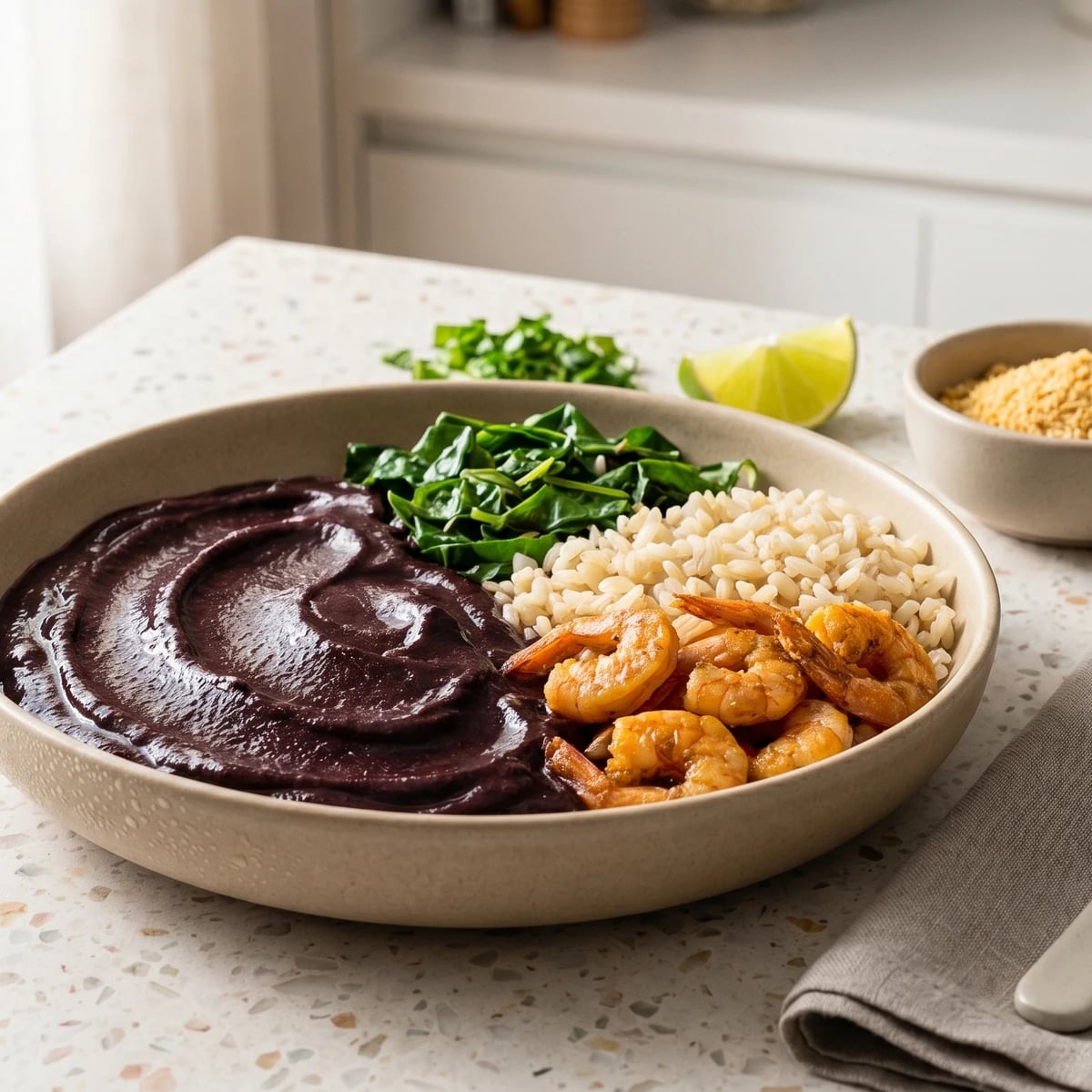
You think açaí belongs with banana and granola because that's the version that traveled. In Pará, thick unsweetened açaí sits beside shrimp, rice, and farinha. Anota aí: same fruit, different meal.

Main Dishes
Brazilian
Weeknight
Comfort Food
Special Occasion
20 min
Active Time
15 min cook35 min total
Yield4 servings

You might look at a bowl of dark açaí next to shrimp and think, quietly, isso não é pra mim. I know. The first time a food crosses the little fence you've built in your head, the brain gets dramatic. Let it complain for one bite. Then let the food do its job.

This is comida de verdade from the north of Brazil, and I say that with respect, not ownership. A gente honors ribeirinho and Indigenous traditions here by not turning açaí into purple candy and calling it knowledge. The açaí must be unsweetened, thick, and clean-tasting. The shrimp brings salt and sea. The farinha d'água gives crunch and body. Put rice beside it and something green, and suddenly this isn't strange. It's another pê-efe shape, the everyday Brazilian plate speaking with a Pará accent.

The method is mostly shopping fluency. Read the freezer label. You want polpa de açaí, not powder, not syrup, not a mix with guaraná and sugar. If the pack says grosso, take it. Médio works. Fino is thin and will taste tired once it melts. This is one of those recipes where the aisle teaches you before the stove does.

Then you do ordinary things well. Rinse the dried shrimp so dinner tastes seasoned, not punished. Warm it in a real refogado so onion and garlic round out the salt. Loosen the açaí only enough to spoon. Finish with farinha at the table, because farinha waits for nobody and soggy crunch is a small kitchen crime.

Açaí comes from Amazonian palm fruit long eaten by Indigenous and ribeirinho communities, especially in Pará, where it is commonly served thick, unsweetened, and savory with fish, shrimp, rice, and farinha. The sweet frozen bowl with banana and granola is a later southern Brazilian path for the same fruit, not the original northern meal. In Belém, the daily distinction between açaí grosso, médio, and fino matters because thickness decides whether the açaí eats like food or drinks like refreshment.

The technique, the tradition, and the story behind every dish.

Discover Culinary Explorer

Ingredients

frozen unsweetened açaí pulp

Quantity

4 packs (100g each)

preferably grosso or médio

cold water (optional)

Quantity

1/4 cup

only if needed to loosen

dried salted shrimp (camarão seco)

Quantity

1 cup

heads removed if desired

neutral oil or olive oil

Quantity

2 tablespoons

onion

Quantity

1 small

finely chopped

garlic

Quantity

2 cloves

minced

tomato (optional)

Quantity

1 small

seeded and chopped

cilantro or cheiro-verde

Quantity

1 tablespoon

chopped

lime juice

Quantity

1 tablespoon, plus wedges

farinha d'água

Quantity

1 cup

for serving

cooked white rice

Quantity

4 cups

for serving

sautéed couve or jambu

Quantity

2 cups

for serving

Equipment Needed

  • Medium mixing bowl for thawing açaí
  • Fine sieve for rinsing shrimp
  • 25 cm skillet
  • Wooden spoon
  • Serving bowl and rice spoon

Instructions

  1. 1

    Read the label

    Check the açaí pack before you open it. It should say polpa de açaí and unsweetened, ideally grosso or médio. Grosso is thick and spoonable, médio is still useful, fino is thinner and better for drinking. If the label lists sugar, guaraná syrup, or a flavored mix, put it back. That's another dish, and a sweet one.

    Do not use powdered açaí here. Powder gives color and marketing, not the dark, earthy body this plate needs. There's saving time, and there's being sold a purple lie.
  2. 2

    Thaw the açaí

    Set the frozen packs in a bowl of cool water for 10 to 15 minutes, just until the pulp can be squeezed from the package but still feels cold and thick. Stir it in a bowl with a spoon, adding cold water one tablespoon at a time only if it refuses to move. You want açaí that falls slowly from the spoon, not a thin juice, because the farinha needs something to cling to.

  3. 3

    Rinse the shrimp

    Put the dried shrimp in a sieve and rinse under running water, rubbing lightly with your fingers. Taste one tiny piece. It should be salty and savory, not so salty it makes your face fold. This rinse keeps the shrimp from taking over the whole plate, because seasoning is a conversation, not a shouting contest.

  4. 4

    Build the refogado

    Warm the oil in a skillet over medium heat. Add the onion and cook until it goes soft and see-through, about 4 minutes. Add the garlic and stir for 30 seconds, just until you smell it. This is the small base that makes the shrimp taste cooked into dinner instead of scattered on top like an afterthought.

  5. 5

    Wake the shrimp

    Add the rinsed shrimp to the skillet and cook, stirring, for 3 to 4 minutes, until it smells sweet and briny and the edges look a little glossy. If using tomato, add it now and cook until it slumps and loses its raw look. Don't brown the garlic hard here. Bitter garlic will follow you all the way to the table, and nobody invited it.

  6. 6

    Finish bright

    Turn off the heat and stir in the cilantro or cheiro-verde and lime juice. Taste before adding salt. Most dried shrimp brings plenty, and the clever cook tastes before obeying a teaspoon. The lime matters because it cuts through the richness of the açaí and wakes up the shrimp.

  7. 7

    Serve the plate

    Spoon the cold, thick açaí into shallow bowls. Serve the warm shrimp beside it or over the edge, with cooked white rice, couve or jambu, lime wedges, and farinha d'água at the table. Sprinkle farinha only as you eat, so it stays crisp and sandy instead of turning heavy. First bite: açaí, shrimp, rice, farinha. Then you'll understand.

Chef Tips

  • Açaí grosso means less water and more fruit body. Médio is fine for a Tuesday. Fino is thinner, cheaper, and useful, but it won't give you the same spoonable plate. Honest shortcut, honest cost.
  • Farinha d'água is coarse, crisp, and made to drink up açaí without disappearing. Farinha seca is finer and drier; it works if that's what you have, but the bite changes. Farinha de tapioca is those crunchy little cassava pearls, not the same as tapioca pearls for dessert. Read the bag, anota aí.
  • Polpa de cupuaçu and polpa de bacuri are wonderful northern fruit pulps, but they are not açaí. Cupuaçu is tart and creamy, bacuri is perfumed and yellow. Beautiful, yes. Wrong bowl for this shrimp pairing.
  • If dried shrimp is too strong for your table, soak it in cool water for 10 minutes after rinsing, then drain well before the refogado. You'll lose some punch, but dinner will still work.
  • Make rice properly, please. Rinse it, refogar a little onion or garlic in oil, add the rice, then water, and stop stirring once it cooks. Arroz soltinho is not decoration here. It's the quiet thing that makes the plate make sense.
  • If you want the fuller pê-efe, put feijão on the table too, but keep it simple and creamy. The açaí and shrimp are already speaking clearly. We don't need every pot in the house yelling.

Advance Preparation

  • Cook the white rice up to 2 days ahead and rewarm it with a spoonful of water in a covered pan.
  • Rinse and drain the dried shrimp up to 1 day ahead, then refrigerate it covered.
  • Do not fully thaw the açaí hours ahead. Thaw it close to serving so it stays thick, cold, and spoonable.
  • Sautéed couve can be made 1 day ahead, but it tastes greener and sharper when cooked right before dinner.

Frequently Asked Questions

Nutrition Information

1 serving (about 430g)

Calories
540 calories
Total Fat
13 g
Saturated Fat
3 g
Trans Fat
0 g
Unsaturated Fat
10 g
Cholesterol
130 mg
Sodium
1600 mg
Total Carbohydrates
83 g
Dietary Fiber
8 g
Sugars
3 g
Protein
21 g

Note: Chef personas and recipes are created with AI assistance. Cook with care: follow safe food-handling practices, check doneness with a thermometer when needed, and adapt for allergies and your kitchen.

Where cooking meets culture.

Culinary guides, cultural storytelling, and the editorial depth that makes cooking meaningful.

Discover Culinary Explorer

More from Açaí & Amazonian Fruit

Browse the full collection